
Air Canada and WestJet Launch New Flight Deals as Canadians Shift to Cooler Fall Travel

Published
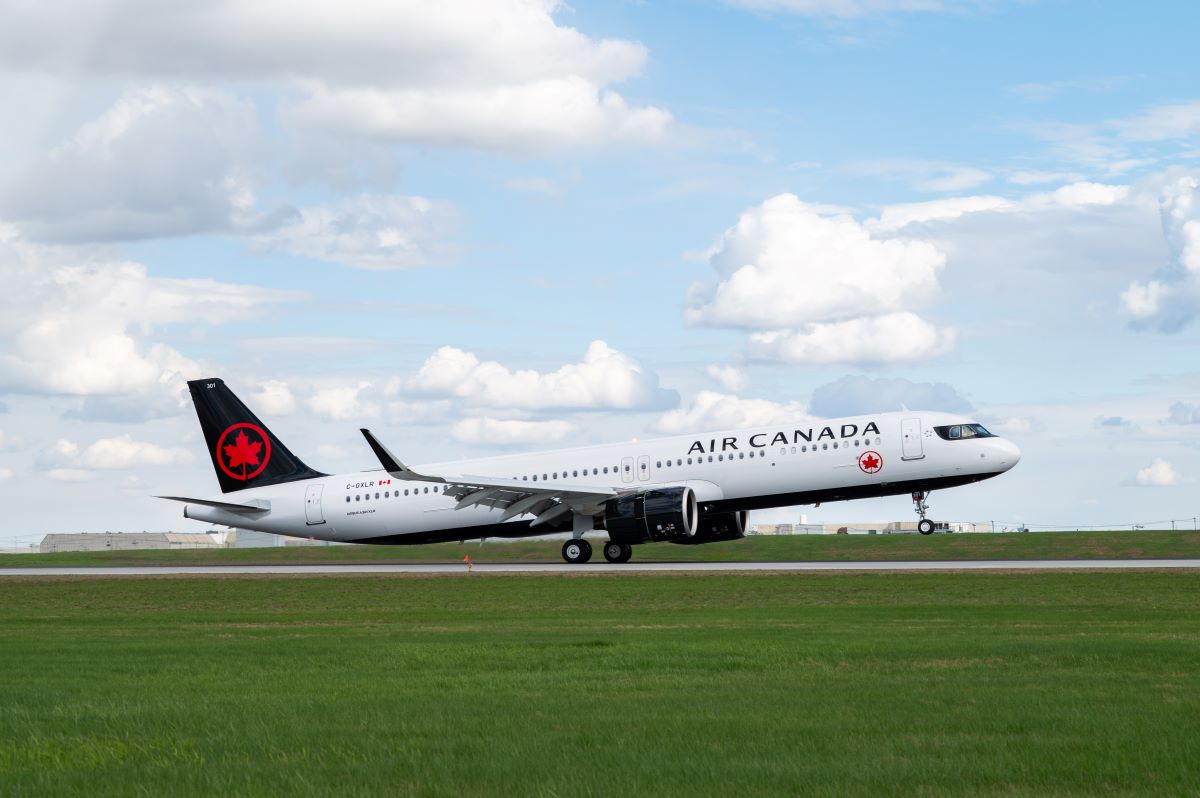
Air Canada and WestJet are turning their attention to the shoulder season with promotional flight deals designed to stimulate demand from October 2026, as travellers increasingly look beyond the traditional summer peak.
Canadian travellers planning autumn and winter getaways are seeing a new wave of airline promotions from Air Canada and WestJet, with selected offers advertising discounts on base fares across domestic, US and international routes.
The timing is significant. October marks the beginning of a quieter travel period for many destinations, sitting between the peak summer season and the busy Christmas and New Year travel period. For airlines, promotional pricing can help stimulate demand during periods when leisure traffic traditionally softens.
For passengers, the deals could create opportunities to travel after the summer rush, but the headline percentage discount should not be mistaken for the final amount payable. Taxes, airport charges, baggage costs, seat-selection fees and fare restrictions can materially affect the total price.
Advertisement
Advertisement
Air Canada and WestJet Target the Shoulder Season
The latest promotions from Canada’s two largest airlines come as travellers reassess when they want to take their holidays.
Advertisement
Advertisement
Instead of concentrating all leisure travel between June and August, more passengers are considering trips during the cooler months. October, November and early winter can offer lower temperatures, fewer crowds and, depending on the destination, more competitive accommodation rates.
Air Canada and WestJet are positioned to benefit from this change because their networks cover a broad range of Canadian, US and international destinations.
Promotional campaigns targeting travel from October onwards can therefore serve two purposes: encouraging passengers to book earlier and filling seats during periods outside the busiest summer travel window.
Advertisement
Advertisement
Some reported promotions advertise 15% to 20% discounts on selected base fares, although the precise discount depends on the promotion, route, travel dates, fare type and applicable conditions.
Travellers should therefore check the airline’s own booking page before assuming that a particular route qualifies.
Advertisement
Advertisement
Why October Travel Is Becoming More Attractive
The traditional summer holiday season is no longer the only period attracting strong leisure demand.
Heatwaves and extreme summer temperatures in several popular destinations have encouraged some travellers to reconsider when they take their annual holidays. Autumn can provide a more comfortable climate for city breaks, sightseeing and outdoor activities in many parts of North America and Europe.
For airlines, this behavioural change presents an opportunity.
If passengers move part of their travel demand from July and August into September, October and November, carriers can potentially improve demand during the shoulder season.
The shift also aligns with the broader evolution of travel patterns, as consumers increasingly prioritise comfort, value and destination-specific weather conditions rather than travelling solely according to traditional holiday calendars.
Advertisement
Advertisement
Air Canada Promotions Cover Selected Travel Periods
Air Canada has been promoting fare opportunities across parts of its network, with some campaigns focused on travel periods extending into winter 2027.
Reported promotional windows include dates beginning around October 1, 2026, and extending through February 28, 2027, although travellers must verify the exact eligible dates and routes associated with each offer.
The airline’s extensive network gives passengers opportunities to use promotional pricing for different types of journeys.
Domestic travellers can potentially use lower fares for trips within Canada, while passengers planning US or international travel may find selected routes included in specific campaigns.
However, availability is not necessarily uniform across the network. A percentage discount does not mean every seat on every flight is reduced.
Advertisement
Advertisement
Travellers should search several dates and compare the final displayed fare before booking.
WestJet Competes With Its Own Promotional Offers
WestJet is also using promotional pricing to stimulate demand across selected routes.
The carrier has advertised discounts on qualifying fares, with some promotions applying to travel extending through the autumn and winter period.
For passengers, the competition between Air Canada and WestJet can create an opportunity to compare fares rather than booking immediately with the first airline offering a discount.
This is particularly relevant on routes where both carriers operate competing services.
Advertisement
Advertisement
The lowest advertised fare, however, may not necessarily represent the lowest total trip cost. A traveller should compare the complete price after baggage, seat selection and other optional services have been added.
The 15% or 20% Discount May Not Apply to the Entire Ticket
One of the most important details for travellers is the distinction between a base-fare discount and the final ticket price.
Airline tickets can contain multiple components, including the carrier’s base fare, government taxes, airport charges and other fees.
When a promotion states that passengers receive a percentage discount on the base fare, that percentage generally does not apply to every component of the ticket.
For example, a traveller may see a 15% discount applied to the eligible fare while taxes and airport charges remain unchanged.
Advertisement
Advertisement
The resulting reduction in the final amount paid could therefore be smaller than the headline percentage suggests.
Travellers should always compare the final checkout price rather than judging a promotion solely by its advertised discount.
Ultra-Budget Fare Classes Require Extra Attention
Fare-class restrictions are another important consideration.
The cheapest fare available on an airline is not necessarily eligible for every promotional campaign. Some percentage-off offers exclude specific fare families or apply only to qualifying booking classes.
For Air Canada, passengers should carefully check restrictions involving Economy Basic and other applicable fare categories, particularly when travelling internationally.
Advertisement
Advertisement
WestJet customers should similarly examine the conditions attached to UltraBasic and other restricted fare types.
These lower-priced products can carry significant limitations involving seat selection, baggage, changes and other elements of the journey.
A discounted ticket can therefore be attractive, but passengers should understand precisely what is included before completing the purchase.
Aeroplan Rewards Could Add Another Layer of Value
Cash fares are not the only option being considered by Canadian travellers.
Air Canada Aeroplan members can also encounter promotional opportunities involving reward flights, including potentially lower points requirements during off-peak periods.
Advertisement
Advertisement
Reported reward availability for some international long-haul journeys, including Canada-Europe travel, has highlighted travel periods extending from September 2026 into February 2027.
For frequent flyers, the combination of lower seasonal demand and reward-seat promotions could make autumn and winter travel particularly interesting.
However, reward bookings should also be evaluated on their complete cost. Taxes, fees and availability can vary, while the number of points required depends on factors such as destination, cabin and itinerary.
Travellers should compare the value of using points against the cash fare available for the same journey.
Cooler Weather Could Change Canada’s Travel Calendar
The airline promotions reflect a wider question for the Canadian travel market: will shoulder-season travel become an increasingly important part of the annual holiday calendar?
Advertisement
Advertisement
There are several reasons it could.
Autumn can provide comfortable temperatures for travel to many destinations, while the reduction in peak-season demand can sometimes create greater availability.
Travellers who avoid the July and August peak can also experience attractions, hotels and airports under less intense pressure, depending on the destination.
For airlines, however, the opportunity depends on whether enough passengers are willing to change their traditional travel habits.
Promotional fares are one way carriers can encourage that change.
Advertisement
Advertisement
Travellers Should Compare Multiple Dates
Passengers considering an autumn trip should avoid searching only one date combination.
Airline pricing can vary considerably according to departure day, flight time, route and remaining inventory.
A traveller flying on a Tuesday or Wednesday may find a different fare from someone travelling on a Friday or Sunday, even when both itineraries cover the same route.
Flexible-date searches can therefore reveal whether a promotional fare is genuinely competitive.
Travellers should also compare direct and connecting services. A lower fare may involve a significantly longer journey, while a slightly more expensive non-stop flight could provide better overall value.
Advertisement
Advertisement
Bookings Should Be Checked Against the Promotion’s Terms
Airline sales can contain detailed terms and conditions that determine who qualifies and when the discounted fare can be used.
Before paying, passengers should check:
- Eligible booking dates;
- Eligible travel dates;
- Participating routes;
- Minimum or maximum stay requirements;
- Applicable fare classes;
- Blackout dates;
- Cancellation and change rules;
- Baggage allowances;
- Seat-selection costs;
- Whether the promotion applies to one-way or return fares.
These details can have a greater financial impact than the headline discount itself.
A 20% promotional reduction can quickly become less valuable if the fare has restrictive conditions or requires passengers to purchase additional services.
Competition Gives Travellers More Choice
The simultaneous promotional activity from Air Canada and WestJet gives Canadian consumers another reason to compare.
Advertisement
Advertisement
Both airlines have extensive networks, but their schedules, destinations, aircraft, connections, fare structures and ancillary charges differ.
A passenger travelling between major Canadian cities may have multiple choices, while international travellers can compare Canadian carriers with foreign airlines serving the same destination.
This competitive environment can benefit consumers, particularly when airlines are attempting to stimulate demand outside peak travel periods.
The key is to compare the complete journey cost and schedule, rather than simply the advertised percentage reduction.
What Canadians Should Know Before Booking
The current wave of Air Canada and WestJet promotions offers a potential advantage to travellers who are flexible about when they take their holidays.
Advertisement
Advertisement
October 2026 onwards could provide an attractive alternative to peak summer travel, particularly for passengers seeking cooler conditions, potentially lower demand and greater flexibility.
But travellers should approach promotional fares with precision.
The advertised 15% to 20% reductions should be viewed as promotional incentives rather than automatic savings on every ticket. Base fares, taxes, airport charges and optional services can all affect the final price, while certain fare classes may be excluded.
Passengers should verify every offer directly with Air Canada or WestJet, compare several travel dates and examine the full fare conditions before booking.
For travellers willing to move beyond the traditional summer holiday calendar, however, the emerging autumn and winter fare competition could create a valuable opportunity.
Advertisement
Advertisement
As Air Canada and WestJet compete for passengers beyond the summer peak, the shoulder season is becoming an increasingly important battleground in Canada’s aviation and travel market.
Advertisement
