
Spain Aligns With Canary Islands As Tenerife Expands Travel Appeal Through Nature Culture And Leisure

Published
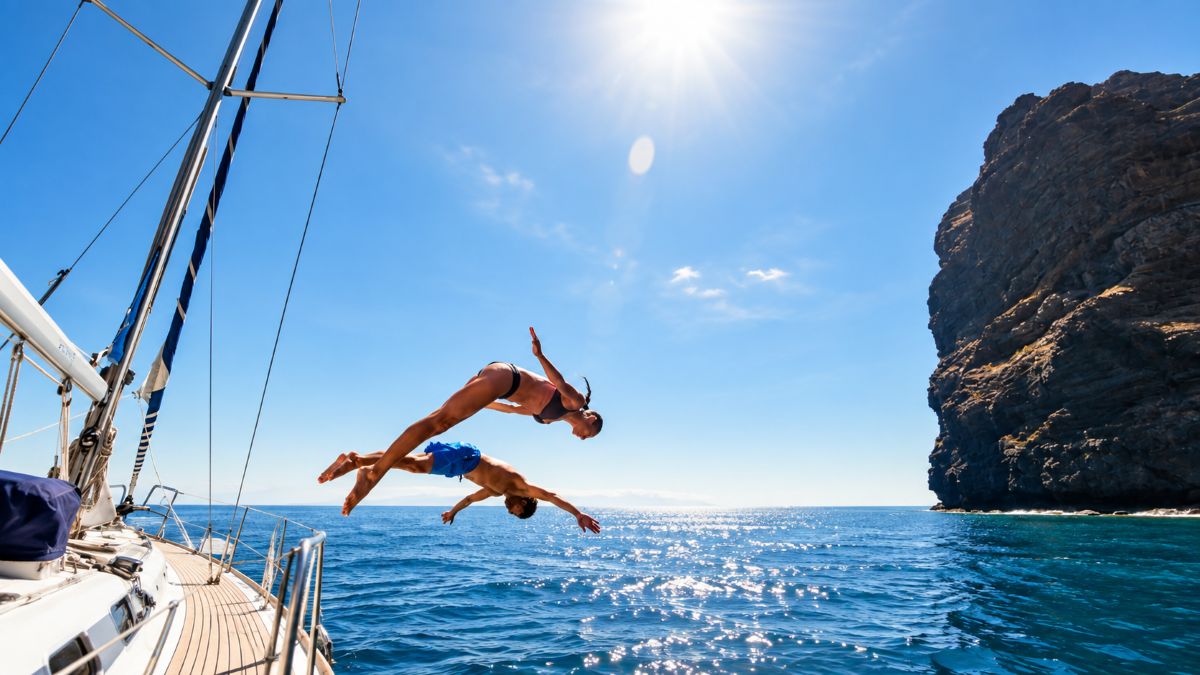
Tenerife continues to strengthen its position as one of Europe’s most versatile island destinations, combining volcanic landscapes, Atlantic beaches, historic towns and a broad range of outdoor experiences. The Spanish island offers travellers an unusual mix of environments within a relatively compact destination, allowing a single holiday to move from coastal relaxation to mountain scenery, cultural discovery and active pursuits.
At the centre of Tenerife’s geographical identity is Mount Teide, whose dramatic volcanic terrain provides a defining backdrop for exploration. Around it, visitors encounter contrasting landscapes, from pine and laurel forests in the north to warmer coastal areas in the south. Historic communities add another dimension, with traditional architecture, religious landmarks and colonial-era streets complementing the island’s natural attractions. Tenerife also caters to families and leisure travellers through water parks, wildlife attractions, watersports and organised excursions. Its culinary identity further broadens the visitor experience, with Canarian specialities, locally produced wines and seafood forming an important part of the destination’s appeal. Together, these characteristics make Tenerife suitable for travellers seeking more than a conventional beach holiday.
Advertisement
Advertisement
Tenerife Offers A Remarkable Mix Of Landscapes
Tenerife’s volcanic origins are central to its appeal. The island rises dramatically from the Atlantic, creating a landscape shaped by lava, mountains, ravines and coastal formations. The contrast between its northern and southern areas is particularly significant for travellers planning an island-wide itinerary.
The south is widely associated with sunshine, resort facilities and beaches, while the north has a greener character and offers greater opportunities to experience traditional towns and forested landscapes. This geographical diversity means visitors can choose between relaxed coastal stays and more active excursions without leaving the island.
Advertisement
Advertisement
The Teide National Park remains one of Tenerife’s most important attractions. Mount Teide rises to 3,715 metres and is the highest peak in Spain. The surrounding volcanic landscape features lava formations, unusual rock structures and expansive high-altitude scenery. For travellers, the area provides opportunities for sightseeing, hiking and photography, although access conditions and mountain regulations should always be checked before setting out.
Another distinctive natural experience can be found around Garachico, where volcanic activity created coastal lava pools. These formations demonstrate how Tenerife’s geological history continues to influence the visitor experience.
Advertisement
Advertisement
| Tenerife Experience | Travel Appeal | Suitable For |
|---|---|---|
| Teide National Park | Volcanic scenery and mountain exploration | Hikers, photographers and nature lovers |
| Garachico | Historic setting and volcanic coast | Culture and leisure travellers |
| Masca | Mountain scenery and dramatic ravines | Hikers and explorers |
| Playa de las Teresitas | Golden-sand coastal relaxation | Families and beach visitors |
| El Médano | Wind-based watersports | Active travellers |
| Cueva del Viento | Volcanic tunnel exploration | Nature and geology enthusiasts |
Beaches Add A Relaxed Dimension To Island Travel
Tenerife’s coastline provides considerable variety rather than a single beach experience. Dark volcanic sand is characteristic of several locations, reflecting the island’s geological origins, while other coastal areas feature lighter sands and more developed visitor facilities.
Playa Jardín and Playa El Bollullo are examples of beaches where the volcanic character remains part of the scenery. Near Santa Cruz, Playa de las Teresitas offers a contrasting coastal setting with golden sand and calm-looking waters that have helped establish it as a popular leisure destination.
Advertisement
Advertisement
The sea also plays an important role in Tenerife’s active tourism offer. Diving, snorkelling and boat excursions provide opportunities to explore marine environments around the island. Whale and dolphin watching is particularly associated with the waters off the southwest coast, where marine excursions have become an established part of the tourism experience.
Responsible wildlife tourism remains important. Travellers should favour operators that follow appropriate marine-wildlife practices and avoid excursions that encourage close or disruptive interaction with animals.
Masca And The North Reveal Tenerife’s Rural Character
Beyond the principal resorts, Tenerife offers a more rugged and traditional side. Masca is one of the best-known mountain communities, surrounded by steep slopes and dramatic valleys. Its setting makes it particularly attractive to visitors interested in walking and landscape photography.
The Masca ravine is among the island’s most prominent hiking environments, but access can be regulated. Travellers should therefore check current requirements before planning a hike, particularly when routes involve reservations, capacity restrictions or changing safety conditions.
Advertisement
Advertisement
Icod de los Vinos provides another perspective on the island’s heritage. The area is associated with the famous Drago Milenario, a celebrated dragon tree that has become an emblematic natural symbol of Tenerife. Nearby, the Cueva del Viento offers insight into the island’s volcanic past through an extensive lava-tube system.
These experiences demonstrate why Tenerife works particularly well for travellers who want to combine conventional sightseeing with geological and environmental discovery.
Historic Towns Strengthen Tenerife’s Cultural Appeal
Tenerife’s tourism identity is not limited to nature. Its towns preserve architectural and cultural traditions that reveal the island’s history.
San Cristóbal de La Laguna is particularly significant. Its historic centre is recognised as a UNESCO World Heritage Site and is known for traditional buildings, churches, courtyards and colourful streets. Walking through the old centre provides a slower alternative to the resort experience and gives visitors an opportunity to understand Tenerife’s urban heritage.
La Orotava is another important stop, with traditional houses, wooden balconies and historic streets reflecting the island’s architectural character. The town is also associated with major cultural celebrations, including elaborate floral and volcanic-sand designs.
Candelaria offers a different form of cultural experience through its religious heritage and the Basilica of Nuestra Señora de Candelaria. Meanwhile, the Pyramids of Güímar provide an unusual attraction where archaeology, cultural interpretation and competing historical theories meet.
Advertisement
Advertisement
Santa Cruz de Tenerife adds a contemporary dimension through museums and cultural institutions covering archaeology, nature, science and modern art.
Families And Active Travellers Find Plenty To Do
Tenerife has developed a substantial leisure infrastructure alongside its natural attractions. Families can combine sightseeing with dedicated entertainment venues, while younger visitors and active travellers can choose from watersports, adventure activities and organised excursions.
Siam Park in Costa Adeje is among the island’s best-known water attractions, offering a range of rides and water-based entertainment. Loro Parque in Puerto de la Cruz is another major visitor attraction, although travellers interested in animal tourism may wish to consider the welfare standards and conservation policies of any wildlife facility before visiting.
El Médano has a strong reputation among wind- and kitesurfers because of its coastal conditions. The area appeals particularly to travellers seeking an active beach holiday rather than conventional sunbathing.
Golf is another established tourism product, with courses offering views across coastal and mountainous landscapes. The island’s relatively mild climate supports golf travel for much of the year, although conditions can vary between locations and seasons.
Festivals Bring Tenerife’s Culture Into The Streets
For visitors seeking a major cultural event, the Santa Cruz de Tenerife Carnival is one of the island’s most prominent experiences. Colourful costumes, music, performances and large public celebrations transform the capital during the carnival season.
Advertisement
Advertisement
The event adds an important cultural dimension to Tenerife’s tourism offer because it connects visitors with local traditions and contemporary entertainment. Travellers planning a visit around major festivals should consider accommodation availability and transport arrangements well in advance.
Canarian Cuisine Completes The Travel Experience
Food is an essential part of experiencing Tenerife. Canarian cuisine combines Spanish traditions with influences shaped by the islands’ Atlantic location and historical connections.
Papas arrugadas, usually served with mojo sauce, are among the best-known local specialities. Seafood is also prominent, particularly in coastal communities, while goat cheese and traditional meat dishes appear frequently in local cooking.
The island’s guachinches offer another way to experience regional food. These informal establishments are associated with locally produced dishes and wines and can provide a more traditional alternative to international resort dining.
Tenerife also has an established wine culture. Vineyards benefit from the island’s varied elevations and volcanic soils, producing wines associated with several recognised growing areas. Visitors interested in gastronomy can therefore combine winery visits with rural sightseeing.
| Travel Category | Notable Tenerife Experience | Why It Matters |
|---|---|---|
| Nature | Teide and volcanic landscapes | Shows the island’s geological identity |
| Culture | La Laguna and La Orotava | Provides historic and architectural context |
| Beach | Southern resorts and northern coves | Supports different styles of coastal holidays |
| Adventure | Hiking, diving and watersports | Appeals to active travellers |
| Family Travel | Water and leisure attractions | Broadens multigenerational appeal |
| Gastronomy | Papas arrugadas, seafood and local wine | Connects visitors with Canarian culture |
Tenerife Supports Different Styles Of Holiday
One of Tenerife’s strongest travel advantages is its ability to accommodate different holiday priorities. A visitor can stay near the coast while making excursions into high mountain terrain, explore historic communities in the morning and return to a beach setting later in the day.
Advertisement
Advertisement
This flexibility also makes the island suitable for longer stays. Travellers can divide their time between resort relaxation, cultural exploration and outdoor activities rather than following a single holiday theme.
However, responsible planning remains essential. Mountain routes can have access restrictions, weather conditions can change rapidly at higher elevations, and marine excursions should be selected carefully. Travellers should also respect protected landscapes, local communities and environmental regulations.
Why Tenerife Remains A Strong European Travel Choice
Tenerife’s enduring attraction comes from its combination of geography, climate, culture and tourism infrastructure. Few European island destinations offer such a pronounced transition between volcanic highlands, forested mountain areas, historic towns and developed coastal resorts within one destination.
For travellers, that variety creates opportunities to design a holiday around personal interests rather than simply choosing between sightseeing and relaxation. Nature enthusiasts can focus on volcanic terrain and hiking, families can combine beaches with leisure attractions, while culture and food lovers can explore historic towns and local traditions.
Tenerife therefore stands out as a destination where the Atlantic landscape and Canarian heritage remain central to the travel experience. Its combination of outdoor adventure, cultural discovery, coastal leisure and gastronomy continues to make the island a compelling choice for travellers seeking a varied European escape.
Frequently Asked Questions
1. Why is Tenerife popular with international travellers?
Advertisement
Advertisement
Tenerife offers beaches, volcanic landscapes, historic towns, outdoor activities, family attractions and distinctive Canarian cuisine in one destination.
2. What is the highest mountain in Tenerife?
Mount Teide is Tenerife’s highest mountain, reaching 3,715 metres and forming the centrepiece of the island’s volcanic landscape.
3. Is Tenerife suitable for nature holidays?
Yes. The island offers volcanic terrain, forests, ravines, coastal landscapes, marine excursions and hiking opportunities.
4. Which part of Tenerife is best for beaches?
Advertisement
Advertisement
The south is particularly well known for developed beach resorts, while the north provides a greater mix of volcanic beaches and traditional coastal scenery.
5. Can visitors hike around Mount Teide?
Yes, hiking is possible in the Teide area, although certain routes and summit access can require authorisation or reservations.
6. What historic town should visitors explore in Tenerife?
San Cristóbal de La Laguna is an important choice because its historic centre is recognised as a UNESCO World Heritage Site.
7. What food is Tenerife famous for?
Advertisement
Advertisement
Papas arrugadas with mojo sauce is one of the island’s best-known dishes, alongside seafood, goat cheese, traditional meats and local wines.
8. Is Tenerife suitable for families?
Yes. Beaches, leisure attractions, water-based activities and family-oriented visitor facilities make Tenerife suitable for multigenerational holidays.
9. When can travellers enjoy outdoor activities in Tenerife?
Tenerife’s mild climate supports outdoor activities for much of the year, although conditions vary according to altitude, location and season.
10. What makes Tenerife different from a typical beach destination?
Its combination of volcanic mountains, forests, historic communities, cultural traditions, active tourism and beaches allows travellers to experience several holiday styles in one island destination.
Advertisement
