
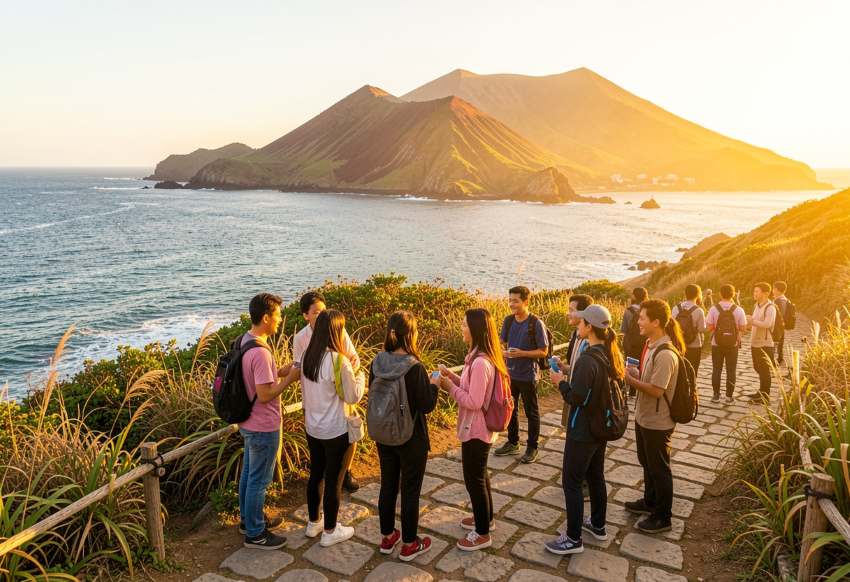
Image generated with Ai
Visitors planning a trip to South Korea’s picturesque Jeju Island may soon notice changes in the cost of visiting some of its most popular natural attractions. Instead of introducing a separate environmental levy for tourists, local authorities are exploring the possibility of increasing admission fees at selected attractions to generate funds for environmental conservation.
The proposal remains under discussion, but it reflects Jeju’s broader strategy to balance growing tourism with the long-term protection of its natural landscapes. While no final decision has been made, the debate offers travelers an early look at how the island hopes to preserve its unique environment while continuing to welcome millions of visitors from around the world.
Advertisement
Jeju has been searching for effective ways to finance environmental conservation as visitor numbers continue to grow. Tourism has become one of the island’s biggest economic drivers, but it also brings greater pressure on forests, beaches, volcanic landscapes, walking trails, and public infrastructure.
For several years, officials discussed introducing a separate environmental contribution that visitors would pay when arriving on the island. However, legal and administrative challenges have made that option difficult to implement.
Advertisement
Advertisement
As a result, authorities are now considering whether increasing entrance fees at selected tourist attractions could provide a more practical and manageable solution. The additional revenue could be directed toward maintaining natural sites, improving visitor facilities, protecting ecosystems, and supporting sustainable tourism initiatives.
At present, international and domestic visitors are not required to pay a new environmental levy when entering Jeju.
Instead, the current discussion focuses on the possibility of adjusting admission fees at certain attractions that receive large numbers of visitors. If approved, the changes would likely affect only specific sites rather than tourism across the entire island.
For travelers, this means vacation planning remains largely unchanged for now. Hotels, transportation, restaurants, shopping, and other travel expenses would not automatically increase because of this proposal.
Visitors should simply monitor official tourism updates before traveling, particularly if they plan to visit major natural attractions where entrance fees could eventually be revised.
Jeju is widely recognized as one of Asia’s leading island destinations. The island is famous for its volcanic landscapes, scenic coastlines, waterfalls, lava caves, forests, and cultural heritage.
Many of these attractions require continuous maintenance to protect fragile ecosystems from the growing impact of tourism. Popular hiking trails experience heavy foot traffic throughout the year, while coastal areas require ongoing conservation efforts to preserve marine habitats and natural scenery.
Officials believe that investing more resources in conservation today will help maintain the quality of the visitor experience in the future.
Rather than discouraging tourism, the proposal aims to ensure that Jeju remains an attractive destination for generations to come.
Jeju’s discussion reflects a wider international movement toward sustainable tourism.
Many destinations worldwide are looking for ways to reduce the environmental impact of tourism while continuing to support local economies. Some regions have introduced visitor taxes, while others have chosen conservation fees, protected area permits, or higher admission prices for popular attractions.
Jeju is now exploring an approach that could support environmental protection without introducing an entirely new island-wide tourist tax.
If implemented carefully, the system could allow visitors to contribute directly to preserving the very places they come to enjoy.
Despite the ongoing policy discussions, Jeju remains one of South Korea’s most rewarding travel destinations.
The island offers a wide variety of attractions for every type of traveler. Adventure lovers can hike Hallasan, South Korea’s highest mountain, while nature enthusiasts can explore volcanic craters, lava tubes, waterfalls, and coastal walking trails.
Families enjoy museums, botanical gardens, beaches, and cultural villages, while food lovers can experience Jeju’s famous seafood, black pork, citrus products, and traditional Korean cuisine.
The island also offers beautiful seasonal scenery throughout the year, from spring flowers and summer beaches to colorful autumn forests and snowy winter landscapes.
Whether or not attraction fees eventually increase, visitors can play an important role in protecting Jeju’s environment.
Simple actions such as staying on designated hiking paths, carrying reusable water bottles, disposing of waste responsibly, respecting wildlife, and avoiding damage to natural habitats help preserve the island’s unique beauty.
Supporting local businesses, purchasing locally produced goods, and respecting cultural traditions also contribute to more sustainable tourism.
These responsible travel habits ensure that tourism benefits both visitors and local communities.
Even if admission fees at certain attractions are adjusted in the future, Jeju can still be explored on a reasonable budget.
Many of the island’s greatest attractions are free to enjoy, including scenic coastal roads, beaches, public parks, walking trails, and picturesque villages.
Travelers can also save money by visiting during the shoulder seasons, booking accommodations in advance, using public transportation, and choosing combination attraction passes if available.
Careful planning allows visitors to experience much of Jeju without significantly increasing their travel costs.
Authorities have not finalized any changes, and discussions are still ongoing.
Any future decision would likely involve further review, consultation, and public communication before implementation. Travelers planning future visits should continue checking official tourism announcements for the latest information regarding attraction pricing and visitor policies.
For now, Jeju remains fully open to visitors, offering the same spectacular scenery, welcoming atmosphere, and unforgettable travel experiences that have made it one of South Korea’s most popular destinations.
As tourism continues to recover and visitor numbers rise, destinations around the world face the challenge of balancing economic growth with environmental protection. Jeju’s latest proposal demonstrates how governments are exploring practical ways to preserve natural treasures without placing unnecessary burdens on travelers.
For international visitors, the message is clear. A future increase in attraction fees, if approved, would be designed to support conservation rather than discourage tourism. By helping protect Jeju’s volcanic landscapes, forests, coastlines, and cultural heritage, these measures could ensure that one of Asia’s most remarkable island destinations remains beautiful, sustainable, and welcoming for generations of travelers to come.
Advertisement
Tags: eco tourism South Korea, Jeju attraction fees, Jeju attraction fees for tourists, Jeju Island travel, Jeju national parks
Advertisement
Advertisement













Saturday, September 5, 2026

Friday, September 4, 2026

Saturday, September 5, 2026

Saturday, September 5, 2026

Saturday, September 5, 2026

Thursday, September 3, 2026

Saturday, September 5, 2026

Saturday, September 5, 2026


