
Canada Follows Australia and Others to Update Brazil Travel Advisory Ahead of October Election

Published
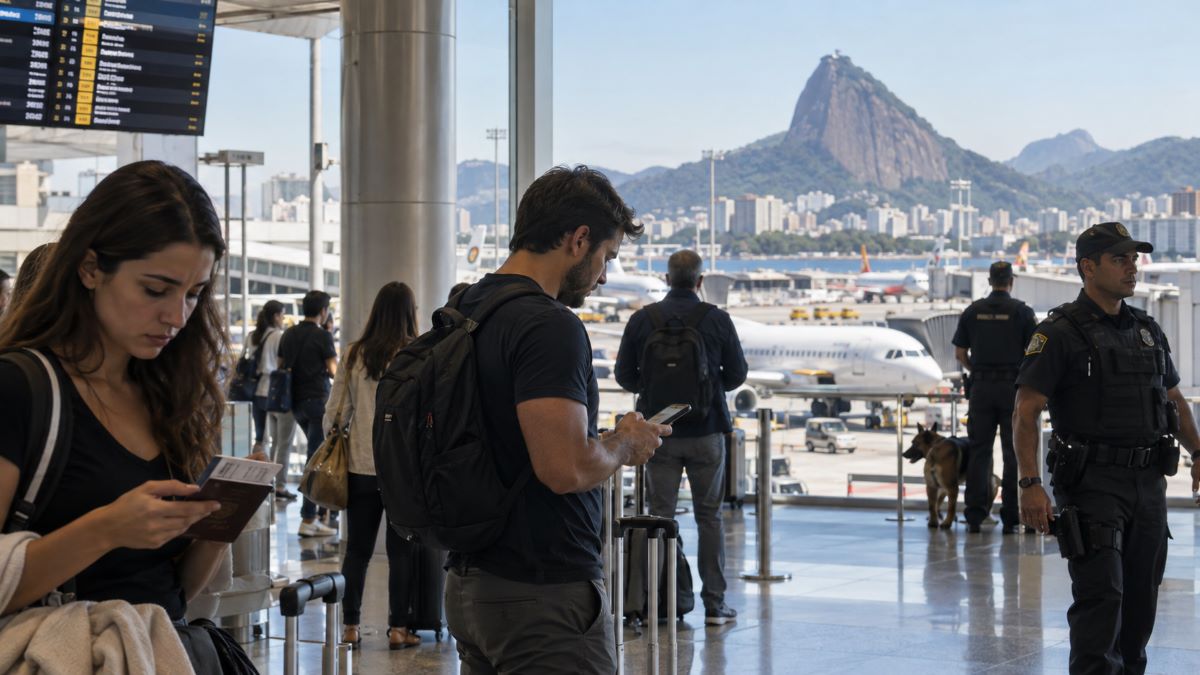
Image generated with Ai
Travellers heading to Brazil around the 4 October 2026 general election should pay closer attention to where they travel, how they move through major cities and which diplomatic facilities they approach. Canada and Australia have updated their Brazil travel guidance, while the UK and Germany are highlighting election-period demonstrations, security measures and possible transport disruption.
The important point for holidaymakers and business travellers is equally clear: Brazil is not under a new nationwide international “Do Not Travel” warning. Canada and Australia retain their existing high-caution advice, while the United States continues to classify Brazil at Level 2 – Exercise Increased Caution.
Advertisement
Advertisement
For visitors already travelling, the greater short-term concern is disruption around political gatherings, government areas, diplomatic facilities and busy transport corridors.
Brazil Travel Advisory Update: What Has Actually Changed for Tourists?
The latest government updates can look more severe when viewed separately. Together, however, they show a more specific pattern: governments are strengthening situational guidance without broadly telling travellers to cancel Brazil trips.
Advertisement
Advertisement
| Government | Current position | Latest traveller-relevant change |
|---|---|---|
| Canada | Exercise a high degree of caution | Added information on a US security alert on 2 October. |
| Australia | Exercise a high degree of caution | Embassy closure on 2 October; advises avoiding US diplomatic facilities and surrounding areas. |
| United Kingdom | Strongest warning applies only to specified parts of Amazonas | Added election and political-event guidance on 29 September. |
| Germany | Country-specific security guidance | Warns of demonstrations, road disruption, blockades and public-transport restrictions. |
| United States | Level 2 – Exercise Increased Caution | Formal nationwide advisory remains unchanged from 31 August. |
Travel-impact analysis: The distinction between an advisory update and an advisory-level increase is crucial. A page can change because of a temporary security development while the government’s broader assessment of nationwide travel risk remains unchanged.
Canada Brazil Travel Advice Now Includes the US Security Alert
Global Affairs Canada updated its Brazil page at 13:00 ET on 2 October 2026, specifically adding information concerning a US security alert.
Advertisement
Advertisement
Canada still advises visitors to exercise a high degree of caution because of high crime rates and recurring gang-related and other urban violence. It did not introduce a higher nationwide Brazil risk category with this update.
Canada also highlights the 4 October election and advises travellers to:
Advertisement
Advertisement
- avoid demonstrations and large political gatherings;
- follow instructions from local authorities;
- monitor current local information;
- remain prepared for security conditions to change.
For travellers, that makes location more important than the headline risk label. A beach holiday, an airport connection and a visit near a government district can involve very different levels of exposure.
Australia Brazil Travel Advisory Adds Diplomatic Facility Warning
Australia’s Smartraveller guidance was updated on 2 October and remained current on 3 October.
Australia says its embassy in Brasília was closed on 2 October because of security concerns. It also tells Australians to avoid the US Embassy, US consulates, other US diplomatic facilities and surrounding areas following the American security alert.
Yet Australia’s national recommendation remains exercise a high degree of caution due to violent crime.
Advertisement
Advertisement
Its advice also flags possible:
- political gatherings;
- demonstrations;
- increased security measures;
- traffic disruption;
- changes to public transport.
This creates a practical travel-planning issue rather than a blanket prohibition. Travellers staying in Brasília or moving through civic centres should build flexibility into transfers and sightseeing schedules.
Brazil Election Day Could Change Road and Public Transport Conditions
Brazil’s 2026 election is an unusually large mobility event.
The Superior Electoral Court says 158,765,543 people are eligible to vote. The first round takes place on 4 October, with voting from 08:00 to 17:00 Brasília time. A second round, where necessary, is scheduled for 25 October.
Germany’s Federal Foreign Office specifically warns that election-related gatherings can develop quickly and cause traffic disruption, blockades or confrontations. It advises travellers to expect possible public-transport restrictions near government buildings and major public squares.
Brazil’s Federal Highway Police is also restricting oversized vehicles on federal highways between 07:00 and 18:00 on 4 and 25 October. The restrictions apply to vehicles exceeding specified size or weight limits and are intended to prioritise voter mobility.
Advertisement
Advertisement
Traveller takeaway
Visitors using airports, long-distance buses, private transfers or rental cars should allow additional time on election day, especially when moving through major metropolitan areas.
Brazil Police Investigation Adds Important Context to Security Concerns
One development significantly changes how the diplomatic security story should be interpreted.
Brazil’s Federal Police said on 2 October at 16:40 that officers had executed two search-and-seizure warrants—one in São Paulo and another around the Federal District—while investigating alleged planning that could have endangered US diplomatic installations.
However, police also said they had not found evidence corroborating the risks originally reported at that stage and had not identified suspects linked to criminal organisations. Examination of seized digital and communications equipment was continuing.
Author analysis: This is the most important balancing fact for travellers. The diplomatic precautions are real and should be followed. But an official precaution should not automatically be interpreted as evidence that Brazilian authorities have confirmed a wider threat to tourists or tourism areas.
US Brazil Travel Advisory Remains at Level 2
The United States continues to classify Brazil at Level 2 – Exercise Increased Caution because of crime and kidnapping or hostage-taking risks.
Advertisement
Advertisement
The formal advisory is dated 31 August 2026, and the Department of State explicitly records that its nationwide level and risk indicators were not changed in that revision.
Stronger US warnings continue to apply to particular locations, including specified international land-border areas, informal settlements and Brasília’s satellite cities.
That geographical detail matters. Travel warnings for one neighbourhood, border zone or diplomatic compound should not be treated as if they apply identically to every tourism destination across a country the size of Brazil.
UK Brazil Travel Advice Targets Election Gatherings, Not Nationwide Tourism
The UK’s Foreign, Commonwealth and Development Office updated its Brazil guidance on 29 September, adding information about the 4 October election and political events.
The FCDO says protests can develop without warning and advises visitors to avoid political rallies and demonstrations. Its recommendation against all but essential travel remains limited to specified river areas in Amazonas State rather than Brazil nationwide.
For travellers, this reinforces a recurring theme across the international guidance: avoid concentrated political activity rather than automatically abandoning an entire Brazil itinerary.
Advertisement
Advertisement
Brazil Tourism Numbers Show Why Local Disruption Matters Globally
Brazil is receiving international visitors at considerable scale.
Official figures show 4,477,469 international visitors arrived by air between January and August 2026. Foreign visitors spent around R$38.5 billion during those eight months.
Brazil’s wider aviation system carried 88.6 million passengers between January and August, up 4.7% year on year. International air traffic accounted for 20.6 million passengers, representing 7.6% growth.
| Brazil aviation indicator | January–August 2026 |
|---|---|
| Total air passengers | 88.6 million |
| Domestic passengers | 68 million |
| International passengers | 20.6 million |
| International passenger growth | +7.6% |
| International visitors arriving by air | 4.48 million |
| Foreign visitor spending | R$38.5 billion |
These volumes explain why even short-lived urban road closures or transport delays can affect large numbers of visitors without representing a nationwide tourism crisis.
Brazil Travel Planning Checklist for the 4 October Election
Travellers do not need to treat every part of Brazil as equally affected. Instead, make the itinerary more resilient.
- Check your own government’s Brazil advisory before leaving your hotel or airport.
- Avoid demonstrations and political rallies, even if they initially appear peaceful.
- Stay away from diplomatic facilities where your government specifically advises this.
- Allow extra airport and station transfer time, particularly on 4 October.
- Use established main roads and recognised transport services rather than unfamiliar shortcuts.
- Monitor local road and public-transport information during the day.
- Keep travel insurance details accessible and understand geographical exclusions in the policy.
- Do not assume an advisory update means borders or airports have closed.
What the Updated Brazil Travel Advice Really Means for Visitors
The strongest conclusion from the official government guidance is more measured than the headlines may suggest.
Advertisement
Advertisement
Canada, Australia, the UK and Germany are drawing travellers’ attention to Brazil’s election period, demonstrations, diplomatic-security concerns and possible transport disruption. At the same time, Brazil remains open to international travel, and neither Canada, Australia nor the United States has imposed a new nationwide top-level warning because of the latest developments.
The most effective response is therefore precision, not panic. Know which areas are affected. Avoid political crowds. Leave extra travel time. Follow official instructions. And distinguish temporary local disruption from a nationwide change in Brazil’s tourism or entry status.
For travellers doing that, the updated Brazil travel advisory landscape becomes far easier to navigate—and much less alarming than interpreting every government update as a warning against Brazil itself.
Canada follows Australia and others to update Brazil Travel Advisory ahead of October Election as security alerts and protest risks rise.
In conclusion, Canada follows Australia and others to update Brazil Travel Advisory ahead of October Election as governments respond to security alerts, possible demonstrations and transport disruption.The changes are not a nation-wide travel ban, but they are cautioning visitors to avoid political gatherings, follow official travel guidelines and give them more time to travel. Brazil is open to foreign visitors, but precautions are essential on election day, because of election-induced disruptions and security concerns.
Advertisement
