
Canada Issues Urgent Travel Warning For Brazil As US Embassy Suspends Consular Services Over Security Concerns

Published
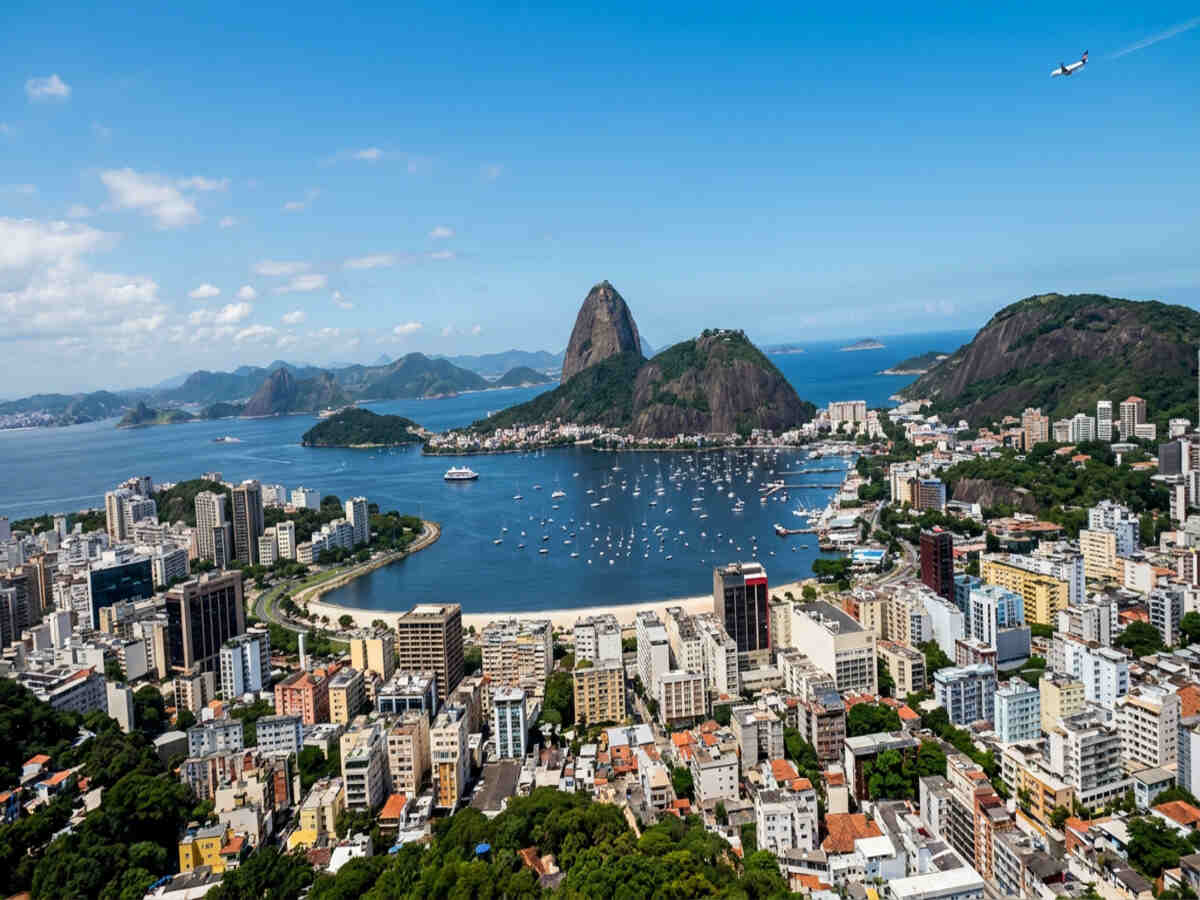
Image generated with Ai
There is heightened caution in traveling to Brazil due to Canada’s urging of caution and the suspension of consular services by the United States. There is heightened caution in traveling to Brazil owing to Canada urging travelers to be extremely careful and the suspension of routine consular services by the United States in its diplomatic missions in Brazil. These warnings are coming at a time when there are preparations going on for a general election on 4 October 2026 in Brazil.
For international travellers, the situation does not amount to a nationwide tourism shutdown. Brazil remains open to visitors. However, foreign governments are advising travellers to take additional precautions, avoid demonstrations, stay away from designated high-risk areas and closely monitor local conditions.
Canada’s travel advisory specifically highlights high crime rates, gang-related violence, border security problems and risks in several major urban centres.
At the same time, the U.S. Mission in Brazil has temporarily suspended consular services because of security concerns, creating another layer of uncertainty for American citizens travelling or residing in the country.
Advertisement
Advertisement
Canada Steps Up Brazil Travel Warning As Security Risks Intensify
The Canadian government is advising travellers to exercise a high degree of caution throughout Brazil because of elevated crime levels and recurring incidents involving gangs and other forms of violence.
This classification does not mean Canadians are being told to avoid Brazil completely. Instead, authorities are asking travellers to assess their surroundings carefully and take stronger personal-security precautions during their stay.
Advertisement
Advertisement
Canada has also identified several areas where its guidance is significantly stricter.
Travellers are advised to avoid non-essential journeys within specified distances of Brazil’s international borders with Bolivia, Colombia, French Guiana, Guyana, Paraguay, Peru, Suriname and Venezuela because of criminal activity associated with drug trafficking, arms smuggling and illegal armed groups.
The warning demonstrates that travel risks can differ dramatically depending on where visitors go inside the country.
US Embassy Suspends Consular Services Over Security Concerns
The most immediate development affecting American travellers is the temporary suspension of consular services at U.S. diplomatic facilities across Brazil.
According to the security alert included in the advisory information, consular services at the U.S. Embassy and Consulates in Brazil were suspended beginning Friday, 2 October 2026, because of security concerns.
American citizens requiring emergency assistance were specifically told not to travel directly to an embassy, consulate or other U.S. diplomatic facility during the suspension. Instead, they were instructed to contact the appropriate duty officer.
Advertisement
Advertisement
The suspension applies to routine consular access rather than representing a closure of Brazil itself to American visitors.
The information provided does not specify a single incident responsible for the suspension. Therefore, it would be inaccurate to attribute the measure to one particular security event. What is confirmed is that the U.S. Mission cited security concerns while Brazil entered an especially sensitive election weekend.
Brazil Election Weekend Adds Another Layer Of Travel Uncertainty
Brazil is scheduled to hold its general election on 4 October 2026, with a second round on 25 October if required.
Foreign governments are warning that political gatherings, demonstrations and additional security measures may occur before, during and after the voting period.
Canada is advising travellers to stay away from demonstrations and large gatherings, follow instructions issued by Brazilian authorities and monitor developments closely.
This guidance is particularly relevant to visitors staying in major urban areas.
Advertisement
Advertisement
Demonstrations can affect road traffic, local transport and access to busy city centres. Even gatherings that begin peacefully can become unpredictable.
Travellers should therefore allow additional journey time, remain flexible with transport plans and avoid political crowds wherever possible.
What Canadian Authorities Are Telling Travellers To Do
Canada’s guidance focuses heavily on practical risk reduction rather than discouraging all tourism.
Visitors are advised to remain aware of their surroundings, particularly in crowded tourism areas and large cities.
Canadian authorities recommend securing passports and other travel documents, avoiding unnecessary displays of wealth and keeping expensive jewellery out of sight. Travellers are also advised against carrying large amounts of cash.
Using mobile phones openly in public areas may also increase vulnerability to theft.
Advertisement
Advertisement
The advisory further tells travellers not to resist an attack because some robberies involve firearms or knives.
This makes preparation especially important for first-time visitors who may not be familiar with neighbourhood boundaries or local crime patterns.
Brazil Travel Security Snapshot For International Visitors
| Travel issue | Current situation | What travellers should know |
|---|---|---|
| Overall Canadian advisory | Exercise a high degree of caution | High crime rates and recurring urban violence remain major concerns |
| U.S. consular services | Temporarily suspended from 2 October | Americans requiring emergency help should contact designated duty officers |
| Brazil general election | First round on 4 October 2026 | Demonstrations and increased security measures may affect movement |
| Border regions | Stronger warnings apply | Several international border zones face smuggling and organised-crime risks |
| Rio vulnerable communities | Some areas carry avoid-all-travel guidance | Armed clashes and limited emergency access make these locations particularly dangerous |
| Major Brazilian cities | Elevated crime concerns | Theft, robbery and mobile-phone snatching can affect tourists |
| Public demonstrations | Avoid gatherings | Political protests may disrupt roads and public transport |
| Card and ATM use | Fraud risk exists | Visitors should check terminals carefully and use secure ATMs |
| Public Wi-Fi | Cybersecurity concerns | Travellers should protect personal and financial information |
| Tourist valuables | Increased theft risk | Avoid displaying expensive electronics, jewellery or large quantities of cash |
Rio De Janeiro Requires Extra Route Planning
Rio de Janeiro remains one of Brazil’s most internationally recognised tourism destinations, but the advisory contains particularly strong warnings for specific neighbourhoods.
Canada tells travellers to avoid all travel to Complexo da Maré and Complexo da Penha because of very high violent-crime rates, major police operations and problems obtaining emergency assistance.
Other vulnerable neighbourhoods are also identified as dangerous because of gang control and regular armed confrontations.
One of the most important warnings concerns navigation.
Advertisement
Advertisement
Authorities caution that visitors may accidentally enter high-risk communities when following GPS directions. Tourists have previously entered such areas unknowingly while driving or walking.
Canada advises travellers to ask hotels, travel agencies or trusted local contacts for assistance when identifying unsafe areas and to make sure navigation applications do not route them through vulnerable communities.
For visitors renting cars or using independent transport, this advice is particularly significant.
São Paulo, Rio, Salvador And Other Cities Face Higher Crime Concerns
The advisory identifies several major Brazilian cities where crime levels deserve particular attention.
These include Belém, Fortaleza, Manaus, Recife, Rio de Janeiro, Salvador and São Paulo.
Tourists are most commonly affected by theft, but authorities warn that violent crime can also occur.
Advertisement
Advertisement
In São Paulo, specific areas cited include locations around São Paulo Cathedral, Avenida Paulista, the historic downtown area, Municipal Market, Pinacoteca, Princess Isabel Square and Luz station.
Rio also contains several locations where armed criminal groups operate and where security conditions can deteriorate rapidly during police or military operations.
The risk therefore extends beyond remote regions. It can affect popular urban tourism corridors.
Armed Robbery And Mobile Theft Remain Important Visitor Risks
Violent crime in Brazil can include armed robbery, carjacking, burglary and sexual assault.
Canada’s guidance says weapons are frequently involved in serious crime.
Robbery can occur even in established tourist areas. In Rio, travellers are warned to remain vigilant in places including Lapa, Santa Teresa and Copacabana.
Advertisement
Advertisement
Motorcycle-based theft is another risk. Armed thieves may snatch valuables from people in traffic or on streets, particularly in locations such as São Paulo and Porto Alegre.
Mass robberies, locally known as “arrastões”, can also occur when groups suddenly target people in public spaces.
Beaches, restaurants, shopping centres and congested traffic areas can all become targets.
Visitors should avoid assuming that busy tourist areas are automatically secure.
Airports, Beaches And Nightlife Areas Need Additional Vigilance
Petty crime remains one of the most common concerns for international visitors.
Pickpocketing, purse theft, mobile-phone snatching and vehicle theft occur frequently in large Brazilian cities.
Advertisement
Advertisement
Locations commonly associated with theft include beaches, outdoor markets, hotels, bars, nightclubs, airports, bus terminals and parking areas.
Large events can increase this risk further.
Visitors attending major sporting events, street celebrations, conferences or seasonal festivities should therefore minimise the valuables they carry.
Keeping a passport secured rather than carrying it unnecessarily can also reduce the consequences of theft.
Payment Fraud Creates Another Challenge For Tourists
Physical crime is not the only risk travellers need to consider.
Canadian authorities also highlight credit-card, debit-card and ATM fraud.
Advertisement
Advertisement
Criminals may attempt to charge cards multiple times or use compromised payment equipment.
Travellers are advised to shield their PIN, watch carefully when cards are being handled and check the amount displayed on a payment terminal before authorising a transaction.
Using ATMs inside banks or established businesses can provide additional protection.
Visitors should also regularly review bank statements for unauthorised transactions.
These precautions are particularly important for international travellers relying heavily on cashless payments during their stay.
Cybercrime Adds To Brazil’s Changing Travel Risk Picture
The advisory additionally identifies cybercrime, malware attacks and online extortion as potential problems.
Advertisement
Advertisement
Public Wi-Fi networks may be compromised by criminals attempting to access personal information or financial data.
Travellers should therefore avoid conducting sensitive banking or financial activity over unsecured public networks.
Canadian authorities also advise visitors to be careful when posting travel information or photographs online and to use secure connections wherever possible.
Modern travel security increasingly involves digital safety as well as physical awareness.
Demonstrations Could Disrupt Transport During Election Period
Political demonstrations represent one of the most time-sensitive risks surrounding the October election.
Canada notes that demonstrations occur frequently in Brazil and that even peaceful gatherings can become violent.
Advertisement
Advertisement
They can also disrupt road traffic and public transportation.
Travellers are advised to avoid demonstration areas, follow directions from local authorities and monitor information about ongoing gatherings.
For tourists travelling to airports, intercity bus terminals or scheduled tours, transport disruption could be one of the most immediate effects.
Allowing extra time and keeping alternative routes available can help reduce travel problems.
Brazil Remains Open But Travellers Need Greater Awareness
The current security situation should not be interpreted as a nationwide closure of Brazilian tourism.
Canada has not advised its citizens to avoid all travel to Brazil.
Advertisement
Advertisement
Instead, the nationwide recommendation remains to exercise a high degree of caution, while much stronger warnings apply to particular border zones and vulnerable neighbourhoods.
Similarly, the temporary suspension of U.S. consular services does not mean Americans cannot enter Brazil. It means access to routine U.S. consular assistance has been disrupted because of security concerns.
For tourists, the difference matters.
The strongest risks are geographically concentrated and can often be reduced through careful planning, avoiding demonstrations, checking neighbourhoods before travelling, protecting valuables and following local instructions.
Travellers Enter A Crucial Weekend For Brazil Tourism
Brazil now enters an important period for international travel as election activity, heightened security measures and foreign-government warnings converge.
Visitors should pay close attention to where they travel, how they move through large cities and whether political gatherings could affect planned routes.
Advertisement
Advertisement
Canadian authorities are placing particular emphasis on crime prevention, safe navigation, secure handling of valuables and avoiding demonstrations.
American travellers face an additional challenge because routine U.S. consular services have been temporarily suspended, meaning emergency assistance should be sought through the designated duty-officer system rather than by visiting diplomatic facilities.
Brazil remains one of the world’s major tourism destinations, and the country continues to receive international visitors. But the current warnings show why travellers arriving during this politically sensitive period should not treat security planning as an afterthought.
There is increased travel warning for Brazil as Canada issues travel warnings for their citizens while US consular services have been halted due to security reasons.
When traveling to destinations such as Rio de Janeiro, São Paulo, and Brasilia, awareness can prove to be equally important as the trip plan itself.
Advertisement
