

IndiGo Faces Major Loss in Shares as Government Appeals for a Nationally Responsible Lifestyle, Significantly Impacting Overseas Leisure Travel with a Decline of Four Percent in Stock Value

Published
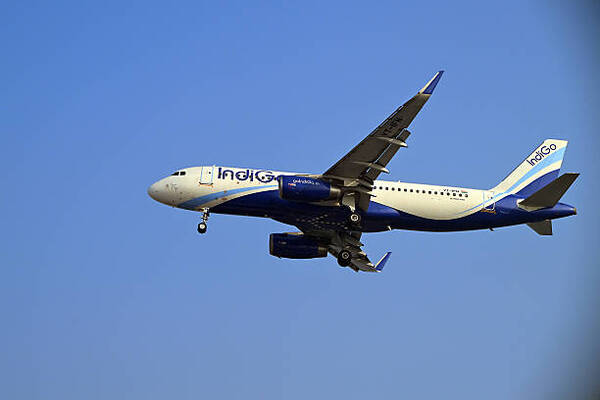 Image generated with Ai
IndiGo’s shares took a sharp hit, falling over 4% percent, as the government urged citizens to reduce non-essential international travel. The appeal, made amid growing global economic uncertainty and rising fuel costs, has raised concerns about a slowdown in discretionary travel, particularly overseas vacations. As a major player in the aviation sector, IndiGo’s market performance has been directly impacted by this shift in consumer behavior, as many investors worry about reduced demand for international leisure travel in the coming months.
InterGlobe Aviation Faces Market Drop as Government’s Appeal to Curb Discretionary Travel Hurts Investor Confidence
InterGlobe Aviation, the parent company of India’s largest airline, IndiGo, saw its shares take a significant hit during morning trading on May 11. As of 9:46 AM, the airline’s shares were down by Rs 183.20, or 4.05%, trading at Rs 4,339.50. This decline follows a public appeal made by Prime Minister Narendra Modi, which prompted concerns among investors about the possible long-term effects on discretionary travel, particularly overseas leisure tourism.
The fall in shares came after PM Modi urged the Indian public to reduce non-essential foreign travel, destination weddings abroad, and extravagant gold purchases as part of the government’s strategy to tackle rising global economic uncertainties. His speech emphasized the importance of adopting a “nationally responsible” lifestyle to help mitigate the impacts of the ongoing energy crisis and other global challenges.
Advertisement
Advertisement
PM Modi’s message to the public included several other lifestyle changes, such as reducing fuel consumption by relying more on public transport, car-pooling, and using electric vehicles. The government also pushed for domestic tourism, local celebrations, and a stronger focus on supporting Indian-made products. This push to conserve foreign exchange and limit discretionary expenses has had a notable impact on companies in the tourism and aviation sectors, with investors now weighing the potential slowdown in overseas travel.
The government’s call to limit non-essential travel has specifically affected sectors like aviation, where a large portion of business is driven by international leisure travel. The airline industry, already grappling with rising fuel costs due to global crude oil price hikes, now faces the additional burden of reduced demand for international flights. InterGlobe Aviation’s drop in share price signals the market’s unease over the possible effects of this policy shift on airline profitability.
Advertisement
Advertisement
In response to rising fuel prices, which have significantly impacted operational costs for airlines, IndiGo has adjusted its fuel surcharge structure for domestic flights. The airline replaced a flat Rs 425 surcharge with a new system based on flight distance, where passengers will pay between Rs 275 and Rs 950, depending on how far their flight travels. International tickets, too, have seen steep increases in fuel surcharges, reflecting the ongoing challenges posed by rising fuel costs.
While the Indian government has taken measures to ease the burden of rising fuel costs on domestic airlines by partially absorbing the increase in aviation turbine fuel (ATF) prices, the sector still faces significant operational challenges. Airlines are being urged to focus on domestic routes and adjust their strategies to cope with the changing dynamics of both fuel prices and public travel preferences.
Advertisement
Advertisement
The increased uncertainty surrounding international travel, especially discretionary travel, is compounded by global supply chain disruptions and inflationary pressures. With the U.S.-Iran conflict contributing to a widening energy crisis, India’s import bills have surged, and inflation has begun to squeeze household budgets. As a result, the government’s emphasis on reducing non-essential foreign spending aligns with broader economic measures aimed at stabilizing India’s economy.
For investors, this combination of geopolitical tension, rising fuel costs, and reduced demand for international leisure travel is creating a volatile environment for companies like InterGlobe Aviation. Although airlines in India have been able to recover from pandemic-induced losses, this new wave of economic challenges threatens to derail their recovery trajectory. The government’s appeal to prioritize domestic spending over foreign leisure tourism could significantly affect international passenger volumes, directly impacting the revenues of airlines such as IndiGo.
In conclusion, while the government’s initiative is aimed at strengthening India’s economic resilience in the face of global economic pressures, its immediate effect on sectors like aviation is undeniable. For InterGlobe Aviation and other industry players, adapting to these new conditions will require a shift in focus towards more cost-effective, domestic-focused operations. The coming months will be critical as the airline industry navigates both the economic headwinds of global tensions and the government’s shifting priorities on travel and spending.
This situation underscores the delicate balancing act airlines must perform to maintain profitability while responding to changing market dynamics. As long as global instability and fuel prices remain a concern, Indian airlines will need to rethink their strategies to stay competitive and resilient in this uncertain landscape.
Advertisement
