
Indonesia Enhances National Tourism Security and Vigilance Amid Escalating Middle East Geopolitical Conflict

Published
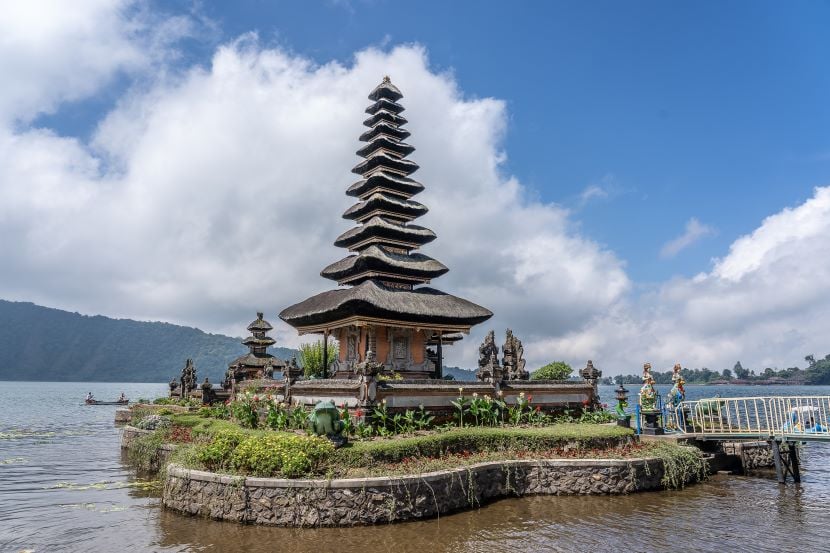 Image generated with Ai
Significant attention is currently being directed toward the escalating geopolitical tensions within the Middle East by the Indonesian government. In an effort to safeguard the burgeoning travel sector, the Ministry of Tourism and Creative Economy has initiated a comprehensive monitoring protocol. This action is being taken to ensure that tourism safety remains a top priority for both international visitors and domestic stakeholders. By analyzing the potential ripples of foreign conflicts, the ministry aims to provide a stable environment for the Indonesian travel industry to flourish despite external pressures.
Ensuring Visitor Security Amid Global Uncertainty
A commitment to the protection of travelers is being demonstrated through the constant observation of global events. It is observed by officials that regional stability in the Middle East can have indirect consequences on Southeast Asian travel patterns. Consequently, the Middle East situation is being scrutinized to determine if any shifts in travel advisories or transportation routes are necessitated. The maintenance of high security standards is viewed as essential for the continued recovery of the tourism sector following previous global disruptions. It is emphasized by leadership that the safety of every individual within Indonesian borders is a non-negotiable aspect of national policy.
Advertisement
Advertisement
Economic Resilience and the Tourism Sector
The impact of international conflicts on global economic trends is being carefully evaluated by economic experts within the government. It is recognized that fluctuations in oil prices and changes in international flight paths, resulting from tensions abroad, could influence the cost of travel. To mitigate these risks, strategic measures are being implemented to support the resilience of the local economy. The diversification of tourism sources is being encouraged so that the industry is not overly dependent on any single international market. By fostering a robust internal infrastructure, the nation is being positioned to withstand the economic shocks that often accompany geopolitical unrest.
Collaborative Efforts Between Government Agencies
A multi-agency approach is being adopted to streamline the flow of information regarding international security. Coordination between the Ministry of Foreign Affairs and the Ministry of Tourism is being strengthened to provide timely updates to the public. Reports are being generated regularly to assess the safety levels of various travel hubs across the archipelago. This collaborative framework ensures that any potential threats are identified and addressed with clinical precision. It is believed that through such unified efforts, the integrity of the national tourism brand can be preserved in the eyes of the global community.
Advertisement
Advertisement
Communication Strategies for Public Awareness
Transparency is being maintained through the dissemination of official statements regarding the state of national security. Information is being shared with travel agencies, hotel operators, and airlines to ensure a synchronized response to the evolving situation. The public is being advised to remain calm and to rely on official channels for updates concerning travel safety. By providing clear and concise guidance, the ministry is working to prevent the spread of misinformation which could lead to unnecessary panic. The narrative of Indonesia as a peaceful and welcoming destination is being reinforced through these structured communication efforts.
The Role of International Diplomacy in Tourism
The influence of diplomatic relations on the flow of international tourists is being acknowledged as a critical factor. Indonesia’s neutral stance in many global conflicts is being leveraged to maintain its status as a safe haven for travelers from all corners of the world. Efforts are being made by diplomatic missions to reassure international partners of the stability within the country. It is observed that consistent diplomatic engagement helps in maintaining open corridors for tourism and trade. The promotion of peace and stability is being utilized as a foundational element of the nation’s foreign policy and tourism promotion strategy.
Advertisement
Advertisement
Long-term Planning for Industry Stability
Long-term strategic plans are being drafted to ensure that the tourism sector remains adaptable to the changing global landscape. Investments are being directed toward the enhancement of security technology at major entry points, such as international airports and seaports. Training programs for tourism workers are being conducted to improve emergency response capabilities. By preparing for various scenarios, the industry is being equipped to handle sudden shifts in the international environment. The goal of reaching specific visitor targets for the year is being pursued with renewed vigor, supported by these protective measures.
Maintaining Cultural and Creative Momentum
The creative economy is being integrated into the broader tourism strategy to provide a more diverse range of attractions. Local festivals, traditional crafts, and culinary experiences are being highlighted to draw interest away from traditional hotspots if necessary. It is noted that the richness of Indonesian culture serves as a powerful draw for visitors, regardless of the global political climate. Support is being provided to local artisans and performers to ensure that the cultural heart of the nation remains vibrant. This focus on the creative sector is being seen as a way to build a more sustainable and multifaceted tourism model.
Analytical Assessments of Travel Trends
Data-driven assessments are being performed to track changes in tourist behavior in response to global events. Surveys and market analysis are being utilized to understand the concerns of potential visitors. This data is then being used to tailor marketing campaigns that address specific safety concerns. It is observed that by understanding the psychology of the modern traveler, the ministry can more effectively promote Indonesia as a secure destination. The adaptation of marketing strategies in real-time is being practiced to ensure that the country remains competitive in the global tourism market.
Final Observations on National Readiness
In conclusion, a proactive stance is being maintained by the Indonesian government to navigate the complexities of the current international situation. The dedication to monitoring the Middle East and its potential effects on the domestic front is being prioritized to protect the interests of the nation. It is concluded that through vigilance, cooperation, and strategic planning, the tourism sector will continue to serve as a pillar of national prosperity. The safety and satisfaction of visitors remain at the forefront of all developmental efforts, ensuring that Indonesia continues to be recognized as a premier global destination.
Advertisement
