
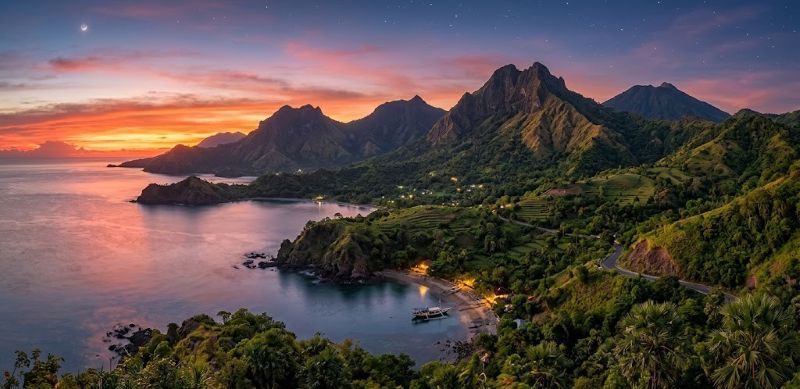
Image generated with Ai
The global travel community currently views Indonesia as a premier destination for those seeking a blend of vibrant culture and natural beauty. However, ensuring a secure journey requires Navigating Safety Standards for Modern Explorers with diligence and accurate information. This year, in 2026, travel enthusiasts are flocking to Southeast Asia in record numbers. Therefore, understanding the local landscape is vital for every visitor. Major developed regions like Jakarta, Bali, and Lombok offer robust infrastructure to support international guests. Active voices in the industry emphasize that while historical security concerns have largely faded, practical daily logistics now take center stage. Travelers must prioritize health, transport safety, and cultural awareness to truly enjoy their stay. By following expert guidance, you can explore these islands with peace of mind. Short, clear protocols make your trip smoother. Stay informed, remain observant, and respect local traditions for a rewarding experience in this tropical paradise.
The year 2026 marks a significant turning point for the Indonesian tourism sector, as it adapts to a more sophisticated, globalized audience. While the charm of the archipelago is undeniable, the underlying industry must grapple with the logistical realities that accompany high volumes of travelers. When we discuss the current state of affairs, it is noted that the primary focus has shifted away from extreme security threats of previous decades toward more manageable, yet persistent, daily hazards. This transition has a profound global effect on how travelers prepare for their journeys, moving the needle from fear-based planning to high-level logistical preparedness.
Health, Medical Care, and Emergency Protocols
Regarding the infrastructure of healthcare, it is reported that the standard of medical care in major urban centers has reached a commendable level of sophistication. In the heart of Jakarta and within the popular tourist zones of Bali, there are high-quality private hospitals that provide advanced treatments and state-of-the-art facilities. However, the industry observes that these facilities operate at a price point that can be quite jarring for the uninsured.
Advertisement
Advertisement
It is strongly suggested that the modern explorer view comprehensive travel insurance not as an optional luxury, but as a mandatory component of their travel kit. Such policies are essential because they cover the substantial financial burden of medical emergencies. Furthermore, the logistical necessity of medical evacuations—which involves transporting a patient back to their home country or to a more specialized facility—is a high-cost event that insurance must address. In terms of immediate response, it is noted that the universal police emergency number in the country is 110. Beyond this, the global consensus among seasoned travelers is to maintain the contact information for their respective embassies in both digital and physical formats to ensure a safety net exists at all times.
Strategic Advice for Solo and Female Travelers
As independent exploration continues to rise in popularity throughout 2026, the industry has noted that Indonesia is increasingly welcoming to those who travel alone. Nevertheless, it is expressed that navigating these spaces requires an understanding of cultural subtleties. For women specifically, the recommendation is to align their personal presentation with local expectations. By adopting a more conservative style of dress, travelers can bridge the gap between their own culture and the traditions of the host nation, which is particularly important when venturing outside the liberal atmosphere of Bali.
In the realm of nightlife and social gatherings, the narrative shifts toward a need for heightened vigilance. It is reported that risks such as drink-spiking have occurred in crowded entertainment venues. To mitigate this, experts advise travelers to observe the social conduct and attire of local women as a benchmark for their own behavior. This mirroring effect not only ensures a smoother social experience but also promotes a respectful and safer interaction between the visitor and the local community. This level of cultural intelligence is what will ultimately sustain a positive global reputation for the destination in the long term.
Advertisement
Advertisement
Regional Guidelines and Cultural Nuances
The archipelago is a diverse tapestry, and it is observed that a “one size fits all” approach to safety simply does not work. Instead, the industry advocates for region-specific awareness that respects the unique character of each location:
Addressing Primary Safety and Environmental Concerns
The geographical positioning of the country means that environmental factors play a massive role in travel planning. It is understood that the nation is situated within a zone prone to natural disasters, such as earthquakes and volcanic eruptions. While these events are unpredictable, the impact of seasonal flooding can be avoided through smarter scheduling. Industry professionals generally advise that the most stable time for a visit falls outside the monsoon season, which typically lasts from November through April.
On the subject of daily mobility, it is frequently highlighted that road safety is perhaps the most dangerous variable for an international visitor. The allure of rented scooters is strong, yet it is reported that inexperienced riders often find themselves in peril on the narrow and winding roads of Bali. The industry-wide consensus is that unless one is a highly skilled operator, alternative transport should be sought.
Furthermore, the topic of “food and water hygiene” is paramount. The recurring issue of “Bali Belly”—a form of gastrointestinal distress caused by local bacteria—can be largely prevented if travelers are diligent. This includes avoiding untreated tap water and being selective about food sources. Finally, on the financial front, it is suggested that travelers remain alert to financial scams. Whether it is the “sleight of hand” tricks used by unauthorized money changers or taxi drivers who refuse to use their meters, the solution remains the same: utilize reputable banks and official transportation apps to maintain financial security.
Advertisement
Tags: indonesia, lombok, tourism updates, Travel News
Advertisement
Advertisement













Sunday, September 6, 2026

Sunday, September 6, 2026

Sunday, September 6, 2026

Sunday, September 6, 2026

Saturday, September 5, 2026

Saturday, September 5, 2026

Sunday, September 6, 2026

Sunday, September 6, 2026



