
Israel Tourism Recovery Gains Strength as Global Travellers Return and Demand Rebuilds in 2026

Published
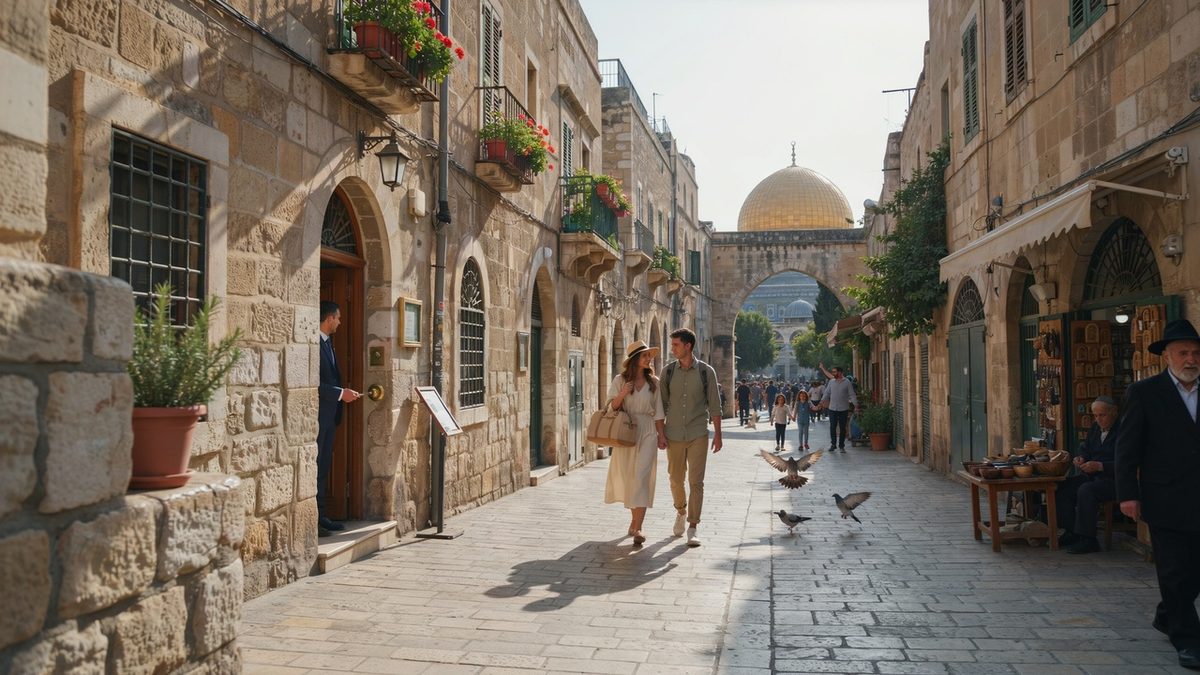
Image generated with Ai
Israel tourism recovery is moving into a phase as more international visitors come back and the country works to become a top travel spot again. Official tourism numbers show that more people are visiting. Government groups are still helping with developing the places to visit improving transportation and making sure the tourism services are good. From the sites in Jerusalem to the new places in Tel Aviv and the special nature of the Dead Sea Israel keeps drawing travelers who want to learn about culture, history and have real experiences. The comeback of tourism is important for hotels for airlines, for businesses and for people. As people around the world feel traveling Israel is trying to build a better and stronger future, for tourism.
Israel Tourism Recovery Moves Into a New Growth Phase as Visitor Confidence Returns
International Visitors Slowly Return to One of the Middle East’s Most Recognised Destinations
Israel tourism recovery is gaining momentum as the country works to rebuild international visitor demand and strengthen its position in the global travel market.
Advertisement
Advertisement
Known for ancient heritage sites, religious landmarks, coastal cities and unique natural attractions, Israel remains one of the most distinctive tourism destinations in the Middle East.
The country’s tourism industry experienced major disruption in recent years. International arrivals declined sharply as travel conditions changed and airlines adjusted operations.
Advertisement
Advertisement
However, official tourism indicators show that visitor activity has started to improve. The recovery remains gradual, but the direction points towards renewed international interest.
Advertisement
Advertisement
The Israel Ministry of Tourism continues to monitor tourism performance, support visitor services and promote the destination internationally. The ministry provides official tourism information, statistical updates and travel resources through its government platforms.
For travellers, the return of visitors represents more than improving arrival numbers. It signals renewed confidence in experiencing Israel’s history, culture, landscapes and hospitality.
For businesses, tourism recovery means renewed opportunities across hotels, restaurants, transport services, attractions and local communities.
Advertisement
Advertisement
Official Data Shows Tourism Demand Gradually Rebuilding
Tourism recovery is being measured through official visitor arrival statistics and industry indicators.
Recent data shows that international arrivals remain below historic levels but have shown periods of improvement during 2026. Visitor numbers have fluctuated because of changing travel conditions, airline availability and wider regional developments.
Advertisement
Advertisement
The recovery pattern is not a sudden return to previous records. Instead, it is a gradual rebuilding process.
Travellers are returning step by step.
Airlines are restoring connectivity.
Hotels are preparing for increased demand.
Tourism businesses are adapting to a changing market.
Advertisement
Advertisement
Before recent disruptions, Israel recorded strong international tourism performance. The country welcomed millions of visitors annually, with tourism becoming an important contributor to economic activity.
The long-term goal is to rebuild international arrivals while creating a more sustainable and competitive tourism sector.
The OECD’s Tourism Trends and Policies 2026 report highlighted Israel’s tourism potential and noted that inbound tourism could reach around six million visitors annually by 2026–2027 under existing airport capacity conditions. A moderate growth scenario could support further expansion towards seven million visitors by 2030.
Why Israel Tourism Recovery Matters for the Economy
Tourism is not only about visitors. It is also about jobs, investment and economic activity.
A stronger Israel tourism recovery can benefit thousands of businesses connected to travel.
Advertisement
Advertisement
These include:
- hotels and accommodation providers;
- restaurants and cafés;
- tour operators;
- transport companies;
- cultural attractions;
- retail businesses;
- local tourism communities.
International visitors spend money across the economy. They pay for accommodation, food, transport, activities and experiences.
This creates a wider economic impact beyond popular tourist sites.
Jerusalem, Tel Aviv, Eilat, the Dead Sea region and the Galilee are among the destinations that depend on visitor activity.
Jerusalem remains a major global tourism centre because of its historic and religious importance.
Advertisement
Advertisement
Tel Aviv attracts visitors through beaches, culture, business events and modern city experiences.
The Dead Sea continues to appeal to wellness travellers because of its unique natural environment.
The Galilee region offers landscapes, heritage locations and nature-based experiences.
Together, these destinations provide Israel with a diverse tourism portfolio.
This diversity is important because modern travellers increasingly look for experiences rather than simple sightseeing.
Advertisement
Advertisement
Government Support Helps Rebuild International Tourism
The Israeli government continues to play an important role in supporting tourism recovery.
The Ministry of Tourism focuses on maintaining destination visibility, providing visitor information and supporting tourism development.
Government-backed tourism activities generally focus on:
- improving visitor experiences;
- strengthening international marketing;
- supporting tourism businesses;
- developing tourism infrastructure;
- expanding destination awareness.
A successful recovery requires cooperation between public authorities and private businesses.
Hotels need returning guests.
Advertisement
Advertisement
Airlines need passenger demand.
Tour operators need traveller confidence.
Local communities need tourism income.
The recovery process therefore involves the entire tourism ecosystem.
Strong communication is also important. Travellers want reliable information before choosing an international destination.
Advertisement
Advertisement
Clear government updates, visitor services and accessible travel information help improve confidence.
Heritage, Culture and Nature Remain Israel’s Biggest Tourism Strengths
One of Israel’s greatest tourism advantages is its combination of history, culture and natural attractions.
The country offers experiences that appeal to different types of travellers.
Religious visitors continue to explore internationally recognised sites in Jerusalem and other historic locations.
Cultural travellers are attracted by museums, archaeological sites and traditional communities.
Advertisement
Advertisement
Nature lovers visit desert landscapes, national parks and coastal areas.
Wellness travellers seek experiences around the Dead Sea.
Food and lifestyle travellers explore Israel’s culinary scene and urban culture.
This variety allows the destination to attract multiple visitor segments.
Modern tourism competition is increasingly based on unique experiences. Destinations that offer authentic stories, cultural connections and memorable activities often gain stronger traveller interest.
Advertisement
Advertisement
Israel’s combination of ancient heritage and modern innovation provides a distinctive tourism identity.
Hotels Prepare for Renewed International Demand
The future of Israel tourism recovery depends heavily on the strength of the hospitality sector.
Hotels are among the first businesses to feel changes in international travel demand. When visitor numbers decline, accommodation providers face lower occupancy, reduced revenue and operational pressure. When travellers return, hotels become one of the biggest beneficiaries.
Israel’s hotel industry is now preparing for a gradual improvement in international arrivals. Properties across Jerusalem, Tel Aviv, Eilat, the Dead Sea region and other tourism areas are focusing on improving services, rebuilding demand and delivering better visitor experiences.
Accommodation is a key part of the tourism journey. Travellers do not only choose destinations based on attractions. They also consider hotel quality, location, safety, convenience and overall value.
Advertisement
Advertisement
A stronger hotel sector can create benefits across the wider economy.
More visitors mean higher demand for:
- accommodation services;
- restaurants and cafés;
- transport providers;
- tour companies;
- shopping areas;
- entertainment venues.
This creates a wider economic chain where tourism spending reaches different communities.
The recovery of hotels is also important for employment. Tourism supports a large network of workers, including hospitality staff, guides, drivers, chefs and service providers.
As international demand improves, businesses are expected to focus on long-term resilience rather than only returning to previous visitor numbers.
Advertisement
Advertisement
The goal is to build a tourism sector that can handle future challenges while delivering high-quality experiences.
Religious Tourism Remains a Powerful Tourism Driver
Religious tourism continues to be one of Israel’s strongest international travel segments.
The country holds deep historical and spiritual importance for millions of people worldwide. Every year, visitors travel to experience ancient sites, religious landmarks and cultural traditions connected with Judaism, Christianity and other faith communities.
Jerusalem remains at the heart of this tourism demand.
The city’s historic areas, including the Old City and its internationally recognised religious sites, continue to attract visitors seeking spiritual journeys and cultural experiences.
Advertisement
Advertisement
Christian pilgrimage tourism has traditionally been a major contributor to inbound travel. Visitors from Europe, North America, Asia and other regions travel to explore biblical locations and religious heritage sites.
Jewish heritage tourism is also significant. Many visitors travel to connect with historical locations, family heritage and cultural traditions.
However, modern religious tourism is becoming broader.
Travellers increasingly combine pilgrimage with:
- cultural exploration;
- local food experiences;
- nature tourism;
- wellness activities;
- city breaks.
This change creates new opportunities for Israel’s tourism industry.
Advertisement
Advertisement
A visitor who arrives for a religious journey may also explore beaches, museums, markets, restaurants and natural attractions.
This longer and more diverse travel experience can increase visitor spending and benefit more businesses.
Cultural Experiences Strengthen Israel’s Global Appeal
Beyond religious heritage, Israel offers a wide range of cultural experiences that attract international travellers.
The country combines ancient history with modern innovation.
Tel Aviv represents Israel’s contemporary identity with its beaches, architecture, nightlife, cultural venues and business environment.
Advertisement
Advertisement
Jerusalem highlights thousands of years of history through archaeological sites, museums and heritage locations.
The Dead Sea attracts wellness travellers because of its unique landscape and natural environment.
The Negev Desert offers adventure experiences, including outdoor activities and nature-based tourism.
The Galilee region provides visitors with scenic landscapes, rural experiences and cultural attractions.
This combination gives Israel a diverse tourism offering.
Advertisement
Advertisement
Modern travellers increasingly look for authentic experiences. They want to understand local culture, taste regional cuisine and connect with communities.
Destinations that provide meaningful experiences often create stronger visitor loyalty.
For Israel, developing experience-based tourism can help attract new traveller groups while encouraging longer stays.
Aviation Connectivity Becomes Critical for Tourism Growth
Air connectivity remains one of the most important factors supporting Israel tourism recovery.
International visitors need reliable flight connections before choosing a destination.
Advertisement
Advertisement
Ben Gurion International Airport continues to serve as Israel’s main gateway for overseas travellers.
The performance of the airport directly affects tourism because most international visitors arrive by air.
Improved airline operations can help:
- increase visitor accessibility;
- reduce travel barriers;
- support tourism businesses;
- strengthen international markets.
Official and industry data show that aviation activity has been recovering alongside tourism demand. Ben Gurion Airport recorded improving passenger movement as international carriers gradually increased operations.
The return of airlines is particularly important for major source markets.
Advertisement
Advertisement
Europe remains a key region because of its geographical proximity and strong travel connections.
The United States remains important because of long-standing cultural, business and tourism links.
Additional connectivity from emerging markets could also support future growth.
For tourism planners, aviation is not only a transport issue. It is a foundation for economic growth.
Without sufficient flight capacity, destinations cannot fully benefit from international visitor demand.
Advertisement
Advertisement
Business Travel and MICE Tourism Offer Additional Opportunities
Leisure tourism is only one part of Israel’s visitor economy.
Business travel and MICE tourism — meetings, incentives, conferences and exhibitions — also represent important growth opportunities.
Israel has developed a reputation as a centre for technology, innovation and entrepreneurship.
This creates demand for professional events, conferences and international business meetings.
Business travellers often generate higher spending because they require:
Advertisement
Advertisement
- accommodation;
- conference facilities;
- transport services;
- restaurants;
- professional support.
Cities such as Tel Aviv have strong potential in this segment because of their business infrastructure and international connections.
A balanced tourism economy requires different visitor categories.
Leisure travellers support attractions and hospitality.
Business travellers support conferences and professional services.
Religious visitors strengthen heritage tourism.
Advertisement
Advertisement
Together, these segments create a more stable tourism market.
Government Strategy Focuses on Long-Term Tourism Development
The Israeli government continues to support tourism development through official institutions and tourism programmes.
The Ministry of Tourism provides visitor information, industry support and destination promotion activities.
Long-term tourism priorities include:
- improving visitor services;
- strengthening international marketing;
- supporting tourism businesses;
- developing infrastructure;
- increasing destination competitiveness.
Tourism recovery requires coordination between government agencies and private businesses.
Advertisement
Advertisement
Airlines need passenger confidence.
Hotels need visitors.
Tour operators need demand.
Communities need tourism income.
A successful recovery depends on cooperation across the entire tourism ecosystem.
Advertisement
Advertisement
The OECD has highlighted the importance of tourism infrastructure and airport capacity in determining Israel’s future visitor potential. Its 2026 tourism analysis estimated that current airport capacity could support around six million inbound tourists annually by 2026–2027, with further growth possible under stronger expansion scenarios.
This shows that infrastructure investment will remain a key factor in future tourism planning.
Economic Benefits of a Strong Tourism Recovery
Tourism recovery has a major impact beyond the travel industry.
International visitors contribute to national and local economies through spending on:
- hotels;
- restaurants;
- attractions;
- transport;
- shopping;
- cultural activities.
A stronger tourism sector can support employment and encourage investment.
Advertisement
Advertisement
For local communities, tourism can create new business opportunities and increase demand for regional experiences.
Small businesses often benefit significantly from visitor spending.
Local restaurants, craft producers, guides and family-owned tourism operators can gain from increased international arrivals.
Tourism also supports global connections.
Visitors create cultural exchanges and strengthen international relationships.
Advertisement
Advertisement
The economic importance of tourism explains why governments continue to prioritise recovery strategies.
A successful Israel tourism recovery is therefore not only about increasing visitor numbers. It is about rebuilding a stronger tourism economy that benefits businesses, workers and communities.
Future Outlook: Creating a More Resilient Tourism Destination
The next phase of Israel tourism recovery will focus on sustainable growth.
The country has strong tourism foundations:
- globally recognised heritage sites;
- diverse landscapes;
- modern cities;
- established visitor markets;
- international recognition.
However, future growth will depend on several factors.
Advertisement
Advertisement
These include:
- stronger air connectivity;
- improved visitor confidence;
- investment in tourism infrastructure;
- high-quality hospitality services;
- effective destination marketing.
The tourism industry is also expected to focus on new travel trends.
Future opportunities include:
- wellness tourism;
- nature tourism;
- culinary experiences;
- adventure travel;
- longer cultural stays.
Travellers today increasingly seek destinations that offer stories, authenticity and memorable experiences.
Israel’s combination of history, culture and innovation gives it the opportunity to compete strongly in the global tourism market.
Advertisement
Advertisement
The recovery process will take time, but the foundations for renewed growth remain significant.
Conclusion
Israel tourism recovery shows a return of international travel demand helped by stronger visitor confidence, government projects, better connectivity and Israel tourism’s wide range of experiences. Historic sights, spots, natural scenery and hospitality keep Israel tourism attractive, to global travellers. Though recovery is a process Israel tourism is changing with more investment, fresh ideas and better visitor services. The future depends on keeping places easy to reach building partnerships and giving visitors unforgettable moments. As travel habits shift Israel tourism aims to build a stronger destination that welcomes visitors from everywhere.
[Source:- The Jerujalem Post]
Advertisement
