
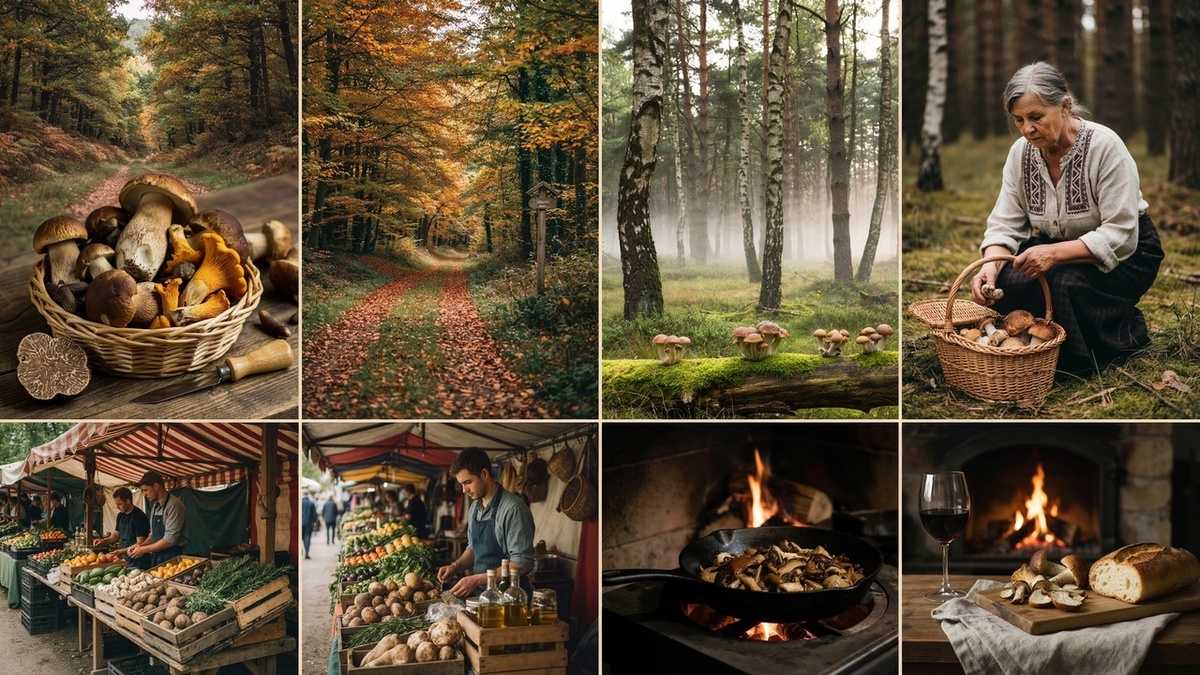
European Mushroom Day is bringing attention to a growing travel trend where forests, food traditions and biodiversity combine to create unique autumn tourism experiences. Across Europe, mushroom walks, forest trails, local food festivals and foraging activities are attracting visitors who want to explore destinations beyond traditional sightseeing.
The seasonal celebration highlights how fungi are much more than ingredients on a plate. Mushrooms are deeply connected with forest ecosystems, rural traditions and regional gastronomy. Their role in nature is now helping destinations create new forms of sustainable tourism focused on education, conservation and authentic local experiences.
From Estonia’s woodland adventures to Italy’s countryside food journeys and Lithuania’s centuries-old mushroom traditions, European destinations are transforming autumn forests into immersive travel attractions.Tourism Trend Visitor Experience Mushroom foraging Guided forest exploration Forest tourism Nature walks and biodiversity learning Culinary tourism Local mushroom-based cuisine Rural tourism Village traditions and seasonal festivals Eco-tourism Responsible connection with nature
Autumn has traditionally been associated with colourful landscapes, harvest celebrations and countryside escapes. Now, mushrooms are adding another reason for travellers to explore European forests during the season.
Advertisement
Advertisement
Mushroom tourism, sometimes described as mycotourism, combines recreation, education and nature discovery. Research into mushroom-related recreation highlights that fungi-based experiences are becoming a specialised tourism activity, connecting visitors with forests and local environments.
Unlike conventional attractions, mushroom experiences encourage travellers to slow down. Visitors walk through forests with guides, learn about different species, understand ecosystems and experience regional traditions.
These activities are especially appealing to modern travellers looking for:Traveller Interest Mushroom Tourism Connection Authentic experiences Local forest traditions Sustainable travel Low-impact nature activities Food discovery Seasonal regional cuisine Wellness travel Time spent outdoors
Europe’s forests are among the most important landscapes for mushroom-based tourism. Woodlands across the continent provide natural environments where fungi, trees and wildlife interact.
Advertisement
Advertisement
For travellers, these forests offer more than scenic views. They provide opportunities to discover local knowledge passed through generations.
In Estonia, mushroom foraging is closely connected with cultural traditions. Visitors can join forest experiences that introduce wild mushrooms, local landscapes and traditional food practices.
Germany has also seen renewed interest in guided mushroom tours, where experts teach visitors about identification, biodiversity and the ecological importance of fungi rather than focusing only on collecting mushrooms.Country Forest Tourism Experience Estonia Guided mushroom walks and forest-to-table experiences Germany Educational mushroom tours Lithuania Traditional mushroom gathering Poland Family forest traditions Czechia Seasonal mushroom hunting culture
Estonia has developed a strong connection between forests, food culture and nature tourism. With large forest areas and rich biodiversity, the country offers visitors opportunities to experience mushroom gathering as part of an authentic local lifestyle.
Travellers can explore destinations such as national parks and rural landscapes where mushroom walks are combined with outdoor activities and culinary experiences.
The attraction is not simply collecting mushrooms. The experience allows visitors to understand Estonia’s relationship with nature and discover how forests influence local traditions.Estonia Experience Tourism Value Forest walks Immersive nature travel Wild mushroom discovery Cultural learning Local cuisine Farm-to-table experiences Guided tours Safe and educational exploration
For international visitors, mushroom tourism offers a different way to experience the country beyond famous cities and historical attractions.
Lithuania has one of Europe’s strongest cultural connections with mushroom gathering. For generations, local communities have entered forests during late summer and autumn to collect wild mushrooms.
The tradition is closely linked with family memories, seasonal cuisine and rural identity. Visitors can experience this heritage through forest excursions, local markets and regional food experiences.
The country’s forests provide a natural setting where travellers can combine outdoor adventure with cultural discovery.Lithuanian Mushroom Experience Visitor Appeal Forest walks Traditional lifestyle experience Mushroom cuisine Authentic local flavours Rural villages Community-based tourism Autumn landscapes Scenic seasonal travel
This connection between nature and culture makes mushroom tourism an important opportunity for rural destinations seeking sustainable visitor growth.
For many travellers, mushrooms represent a gateway into Europe’s famous food culture. Italy and France have transformed seasonal forest products into premium culinary experiences.
Italian regions including Tuscany and Emilia-Romagna are known for autumn food traditions involving mushrooms and other forest products. Travellers can combine countryside stays with local markets, restaurants and seasonal gastronomy.
France also attracts food-focused travellers through forest cuisine, regional markets and seasonal ingredients.Destination Culinary Travel Experience Tuscany, Italy Mushroom dishes and countryside dining Emilia-Romagna, Italy Autumn food traditions France Forest-inspired gastronomy Austria Seasonal mushroom cuisine
These experiences show how food can become a powerful reason for travellers to visit rural areas.
| Destination | Main Attraction | Tourism Style |
|---|---|---|
| Estonia | Forest foraging and nature tours | Eco-tourism |
| Lithuania | Traditional mushroom gathering | Cultural tourism |
| Tuscany, Italy | Mushroom cuisine and countryside | Culinary tourism |
| Croatia | Forest landscapes and gastronomy | Adventure tourism |
| Germany | Guided educational walks | Nature learning |
| Austria | Alpine mushroom experiences | Outdoor tourism |
Each destination offers a different interpretation of mushroom tourism, allowing visitors to choose between adventure, food, culture or conservation.
Sustainable tourism is increasingly focused on experiences that protect natural environments while supporting local communities.
Mushroom tourism fits this trend because it encourages responsible exploration rather than mass tourism. Guided experiences help visitors understand ecosystems and respect forest habitats.
The activity also benefits rural economies by supporting:
| Benefit | Tourism Impact |
|---|---|
| Longer autumn travel season | Reduces dependence on summer tourism |
| Rural visitor spending | Supports local communities |
| Environmental education | Encourages conservation |
| Local food promotion | Strengthens regional identity |
Mushroom tourism can be enjoyable, but safety and responsibility are essential. Many wild mushrooms require expert identification because some species can be harmful.
Travellers should:
Responsible tourism ensures forests remain healthy for future generations.
European Mushroom Day highlights the importance of fungi, forests and biodiversity while celebrating mushroom traditions and nature experiences.
Yes. Mushroom-related travel experiences are growing as visitors seek sustainable, cultural and food-based activities connected with nature.
Estonia, Lithuania, Poland, Czechia, Germany, Italy and France are among the countries with strong mushroom cultures.
Yes. Many destinations offer guided forest walks and educational mushroom experiences.
Mushrooms connect travellers with forests, biodiversity and sustainable practices while supporting rural tourism.
Autumn is generally the most popular period because many European forests produce seasonal mushrooms during this time.
European Mushroom Day highlights how a small forest treasure can create powerful travel experiences. Mushrooms are connecting visitors with landscapes, traditions and communities across the continent.
From Estonia’s woodland adventures to Lithuania’s cultural heritage and Italy’s culinary journeys, mushroom tourism is becoming a unique form of autumn travel. It offers visitors the chance to explore forests, taste regional flavours and understand the hidden ecosystems that support nature.
As travellers increasingly search for meaningful and sustainable experiences, Europe’s mushroom trails are emerging as a fascinating new reason to explore the continent during the autumn season.
Advertisement
Advertisement
Advertisement












Sunday, September 6, 2026
Sunday, September 6, 2026

Sunday, September 6, 2026

Sunday, September 6, 2026
Saturday, September 5, 2026
Saturday, September 5, 2026

Sunday, September 6, 2026
Saturday, September 5, 2026



