
Indonesia’s Tourism Strategy Confronts Critical Crossroads Beyond Bali Overcrowding Infrastructure Failures And Policy Gaps Threaten To Stifle National Growth Potential

Published
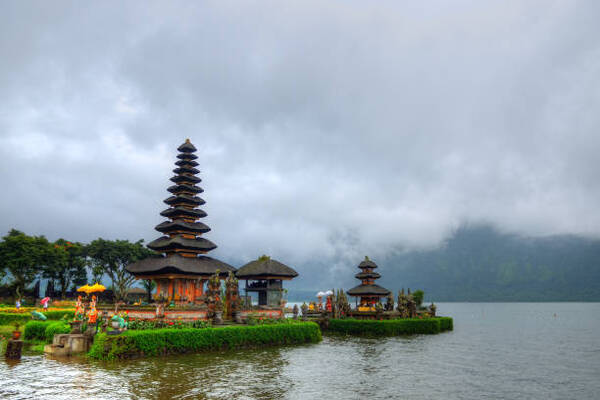 Image generated with Ai
Indonesia’s tourism sector is at a critical juncture as Bali faces severe overcrowding and diminishing returns, while many stunning yet remote islands remain underdeveloped. This imbalance stems from a heavy government focus on Bali, leaving other regions without the necessary infrastructure and investment to attract visitors. To ensure sustainable growth and unlock the country’s full tourism potential, Indonesia must diversify its strategy, improve connectivity, and support emerging destinations across the archipelago.
Spanning over 17,000 islands, Indonesia boasts some of the planet’s most awe-inspiring and diverse natural landscapes. Yet many of its idyllic destinations, like Ora Beach on Seram Island, remain largely undeveloped and sparsely visited. These places feature crystal-clear waters, vibrant greenery, and abundant wildlife, but their limited infrastructure and poor accessibility keep them off the typical tourist trail. Meanwhile, Bali, Indonesia’s most renowned travel hotspot, continues to grapple with overcrowding and the negative effects of excessive tourism.
Advertisement
Advertisement
Despite these challenges, the government remains heavily focused on Bali as the cornerstone of its tourism development. Plans to broaden Bali’s appeal include positioning it as a center for medical tourism, establishing family office services, and developing seaweed exports. However, this concentrated approach is yielding diminishing benefits, with slower economic growth and reduced tourist spending raising concerns about its long-term viability. Experts highlight that relying so heavily on Bali risks overshadowing the wider tourism opportunities spread across the nation.
Regions such as Maluku and Komodo Island are seeking greater investment and infrastructure support. Local operators advocate for enhanced airports and more affordable regional flights to boost eco-tourism and cultural tourism in these lesser-known areas. These destinations offer distinctive attractions, from encounters with Komodo dragons to pristine, untouched shorelines, yet they remain overlooked due to insufficient policy backing and fragmented coordination.
Advertisement
Advertisement
The “New Balis” initiative, intended to promote tourism diversification beyond Bali, has struggled to gain traction. Poor collaboration between ministries and delays in infrastructure projects have hindered progress. Observers point out a significant disconnect between Indonesia’s immense tourism potential and the effectiveness of its current policies. While neighboring countries like Thailand and Vietnam are approaching pre-pandemic tourist numbers, Indonesia still falls behind.
Government officials have reiterated their dedication to revitalizing the “New Balis” plan, emphasizing improved connectivity and partnerships with global travel agencies. Increasing attention is being given to broadening the economy to lessen its heavy dependence on tourism. As Bali faces continued strain from visitor overload, this moment presents an opportunity to unlock the rich natural beauty of Indonesia’s other islands and spread the economic advantages of tourism more evenly throughout the archipelago.
Advertisement
Advertisement
Advertisement
