

Southern Europe Refuses to Slow Down as Spain and Some Parts Remain Hot Picks for Autumn Travel

Published
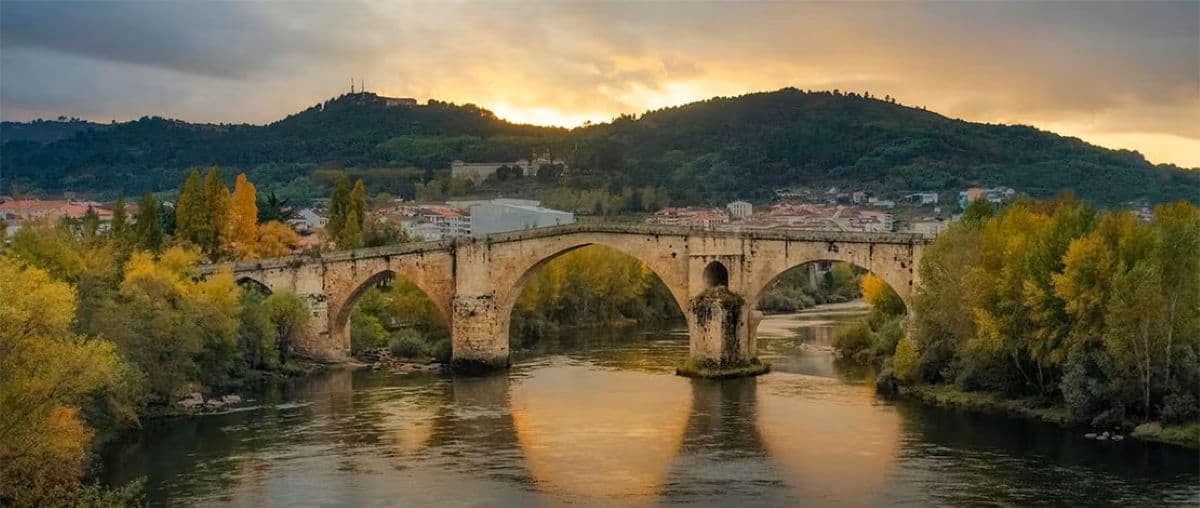
Spain, Italy, Greece, Portugal, and Malta remain among Southern Europe’s most attractive destinations for autumn travel in 2026, supported by strong international tourism demand, pleasant Mediterranean weather, cultural attractions, and growing interest in vacations beyond the traditional summer season. Croatia, Slovenia, Albania, Montenegro, and Cyprus are also attracting attention as travelers seek coastal escapes, historic cities, outdoor adventures, and potentially better value. Official tourism statistics show substantial visitor activity across the region, although the latest figures largely cover January through August rather than the entire autumn season. The combination of established tourism infrastructure, accessible destinations, and diverse travel experiences positions Southern Europe as a major international vacation market through November.
Southern European Countries Remaining Attractive for Autumn Travel in 2026
| Country | Latest verified tourism indicator | Major autumn destinations | Autumn travel appeal | Demand assessment |
|---|---|---|---|---|
| Spain | 70.4m international arrivals, Jan–Aug; +5.4% | Andalusia, Barcelona, Madrid, Canary Islands, Valencia, Mallorca | Sunshine, beach escapes, food, festivals, city breaks | Very strong |
| Italy | 147.9m accommodation nights in Q2 2026; +3.9% | Rome, Florence, Venice, Tuscany, Sicily, Naples | Heritage, food and wine, countryside, cultural tourism | Very strong |
| Greece | Inbound traveller flows +8.6%, Jan–Jul; receipts +12% | Athens, Crete, Rhodes, Corfu, Peloponnese | Mediterranean warmth, archaeology, islands, gastronomy | Very strong |
| Portugal | EU-wide and regional demand signals; comparable Portugal-specific 2026 figure under verification | Lisbon, Porto, Algarve, Madeira, Douro Valley | Mild weather, surfing, wine tourism, culture | Strong |
| Malta | 3.16m inbound tourists, Jan–Aug; +17.9% | Valletta, Mdina, Gozo, Sliema, St Julian’s | Warm Mediterranean weather, heritage, diving | Very strong |
| Croatia | 4.8m commercial-accommodation arrivals in August; +2.3% | Dubrovnik, Split, Istria, Zadar, Zagreb | Adriatic coastline, history, sailing, food | Strong, especially September–October |
| Slovenia | 14.1m accommodation nights, Jan–Aug; +6.4% | Ljubljana, Lake Bled, Piran, Postojna, Julian Alps | Autumn scenery, hiking, wellness, city breaks | Strong |
| Albania | Total citizen border entries +2.7% in August, including residents and foreigners | Tirana, Berat, Gjirokastër, Sarandë, Albanian Riviera | Cultural heritage, mountains, relatively affordable travel | Emerging |
| Montenegro | 1.13m collective-accommodation nights in August | Kotor, Budva, Tivat, Perast, Durmitor | Bay scenery, historic towns, hiking, coastal relaxation | Emerging to strong |
| Cyprus | 581,880 international tourist arrivals in August; −3.3% | Paphos, Limassol, Larnaca, Ayia Napa, Troodos | Late-season sunshine, archaeology, beaches | Attractive, but weakening recent indicators |
Why Is Southern Europe Remaining a Major Attraction for Autumn Travelers in 2026?
Southern Europe continues to benefit from a major shift in how international tourists plan their vacations. Instead of concentrating travel exclusively during July and August, many visitors are exploring Mediterranean destinations in September, October, and November.
The European Travel Commission reported that 81% of surveyed Europeans intended to travel between June and November 2026. Its findings also showed strong interest in Southern and Mediterranean Europe, which accounted for 61% of destination preferences among intended travelers.
This sustained interest reflects several factors. Autumn temperatures are generally more comfortable for sightseeing, particularly in destinations where summer heat can make outdoor exploration difficult. Historic cities become attractive alternatives to crowded coastal resorts, while vineyards, food festivals, and cultural attractions offer additional reasons to visit.
Advertisement
Advertisement
Spain, Italy, Greece, Portugal, and Malta are particularly well positioned because they combine international transport connections with established hospitality industries.
However, strong visitor intentions do not automatically translate into confirmed bookings. Official autumn arrival figures will ultimately determine the scale of demand.
Advertisement
Advertisement
How Is Spain Maintaining Its Position as a Leading Southern European Autumn Destination?
Spain remains one of Europe’s most powerful tourism markets, supported by substantial international arrivals and a diverse range of destinations suitable for autumn holidays.
According to Spain’s National Statistics Institute, the country welcomed approximately 70.4 million international tourists between January and August 2026, representing annual growth of 5.4%.
The United Kingdom remained an important source market, contributing approximately 13.9 million visitors during the period. France and Germany also generated substantial tourism flows.
Spain’s autumn appeal extends beyond its traditional summer beach resorts. Andalusia offers historic cities such as Seville, Granada, and Córdoba, where cooler conditions can make walking tours more comfortable.
Madrid and Barcelona attract visitors interested in architecture, museums, gastronomy, and cultural events. Meanwhile, the Canary Islands remain attractive for travelers seeking warmer temperatures later in the year.
This geographical diversity gives Spain an important advantage. Even when conditions become cooler across mainland Europe, several Spanish destinations continue offering appealing opportunities for coastal vacations and outdoor activities.
Advertisement
Advertisement
Why Is Italy Attracting Travelers Through Culture, Gastronomy, and Historic Cities?
Italy remains one of Southern Europe’s most appealing autumn destinations because its tourism industry extends far beyond seasonal beach vacations.
Official accommodation statistics indicate that Italy recorded approximately 147.9 million overnight stays during the second quarter of 2026, an increase of 3.9% compared with the corresponding period in 2025.
Although these figures do not specifically measure autumn travel, they demonstrate the continuing strength of Italy’s tourism market.
Rome, Florence, and Venice remain major attractions for international visitors interested in art, architecture, museums, and historic landmarks.
Autumn also creates opportunities for exploring Tuscany’s countryside, where vineyard landscapes and harvest traditions attract travelers interested in food and wine tourism.
Southern destinations such as Sicily and Naples can offer relatively mild weather compared with northern European cities.
Advertisement
Advertisement
Italy’s combination of urban tourism, regional cuisine, cultural heritage, and countryside experiences makes it particularly suitable for September through November.
This diversified tourism offering supports travel demand beyond the summer peak, although popular destinations can remain busy during major events and holidays.
How Is Greece Extending Its Mediterranean Tourism Appeal Beyond Summer?
Greece is demonstrating strong tourism performance in 2026, reinforcing its reputation as a major Mediterranean destination.
According to the Bank of Greece, inbound traveler flows increased by 8.6% between January and July 2026, while travel receipts grew by approximately 12%.
These figures indicate that Greece is attracting more international visitors while generating additional tourism revenue.
Autumn offers a different experience from the country’s busy summer months.
Advertisement
Advertisement
Athens remains attractive throughout the season, particularly for visitors exploring the Acropolis, archaeological sites, museums, and traditional neighborhoods.
Crete is another important destination because its relatively warm climate can extend opportunities for coastal exploration and outdoor activities into October.
Rhodes, Corfu, and the Peloponnese also offer historic attractions, traditional villages, and distinctive regional cuisine.
Nevertheless, Greece’s autumn tourism market varies significantly by location. Some smaller islands experience reduced ferry frequencies and seasonal hotel closures as winter approaches.
Travelers therefore benefit from checking transport schedules and accommodation availability before organizing late-autumn island holidays.
Why Is Portugal Becoming an Important Choice for Autumn City Breaks and Coastal Holidays?
Portugal remains a compelling autumn destination because it combines historic cities, Atlantic coastlines, wine regions, and mild seasonal weather.
Advertisement
Advertisement
According to Turismo de Portugal, the country recorded approximately 22.4 million accommodation guests and 57.3 million overnight stays between January and August 2026.
August alone generated around 10.9 million overnight stays, representing annual growth of 1.7%.
The United Kingdom, Germany, and Spain remained significant international source markets, demonstrating Portugal’s established appeal among European travelers.
Lisbon continues to attract visitors interested in historic neighborhoods, traditional cuisine, cultural landmarks, and urban exploration.
Porto provides a complementary experience, particularly for tourists exploring the Douro Valley and its internationally recognized wine-producing landscapes.
The Algarve remains popular for coastal scenery, golf, and outdoor recreation, while Madeira appeals to travelers seeking hiking trails, mountain landscapes, and relatively mild conditions.
Advertisement
Advertisement
Portugal’s attractions extend beyond conventional summer tourism. Its combination of city breaks, coastal relaxation, and nature-based experiences gives travelers several reasons to visit during autumn.
How Is Malta Emerging as One of Southern Europe’s Strongest Tourism Performers?
Malta has recorded particularly strong international tourism growth in 2026, strengthening its position among Mediterranean destinations.
According to Malta’s National Statistics Office, approximately 3.16 million inbound tourists visited the country between January and August 2026, representing growth of 17.9% compared with the previous year.
This performance stands out among the official tourism indicators reported across the region.
The United Kingdom, Italy, and Poland were major source markets, accounting for a substantial proportion of inbound tourism during August.
Malta’s compact geography makes it particularly suitable for shorter vacations and cultural itineraries.
Advertisement
Advertisement
Valletta attracts travelers with its historic streets, architecture, museums, and waterfront scenery. Mdina offers a quieter heritage experience, while Gozo provides coastal landscapes and traditional villages.
Autumn temperatures remain relatively mild, supporting sightseeing and outdoor exploration into November.
Diving, historical attractions, Mediterranean cuisine, and international accessibility further strengthen Malta’s appeal.
However, its rapid tourism growth does not establish that it will record the highest autumn growth without separate September–November arrival figures.
Can Croatia Continue Attracting Visitors After the Adriatic Summer Season?
Croatia remains an attractive option for travelers seeking Adriatic coastal scenery, historic cities, and cultural experiences after the summer peak.
Official statistics recorded approximately 4.8 million tourist arrivals in commercial accommodation during August 2026, an increase of 2.3% compared with August 2025.
Advertisement
Advertisement
Germany continued to represent a major international source market, alongside visitors from neighboring European countries.
Dubrovnik remains among Croatia’s most recognizable destinations, attracting tourists interested in its medieval walls, historic architecture, and coastal views.
Split offers Roman heritage, waterfront restaurants, and access to nearby islands.
Istria is particularly appealing during autumn because of its countryside, traditional cuisine, vineyards, and regional food experiences.
Zagreb offers another alternative for visitors seeking museums, city culture, and seasonal events.
September and early October are generally favorable periods for coastal exploration. However, travelers visiting later in autumn may encounter cooler weather, reduced ferry services, and fewer operating seasonal attractions.
Advertisement
Advertisement
Croatia’s autumn strengths increasingly lie in combining its Adriatic heritage with inland cultural tourism.
Why Is Slovenia Gaining Attention for Nature-Based Autumn Tourism?
Slovenia offers a distinctive alternative to the warmer Mediterranean destinations, particularly for travelers interested in mountain scenery, lakes, forests, and outdoor recreation.
According to the Slovenian Statistical Office, the country recorded approximately 14.1 million tourist overnight stays between January and August 2026, an increase of 6.4% year over year.
This growth indicates continued interest in Slovenia’s tourism offering.
Ljubljana provides a compact capital-city experience with historic architecture, riverside restaurants, and cultural attractions.
Lake Bled becomes especially appealing during autumn when changing foliage transforms the surrounding landscape.
Advertisement
Advertisement
The Julian Alps attract visitors interested in hiking, mountain photography, and outdoor adventures, although weather conditions become increasingly unpredictable later in the season.
Slovenia’s wine-producing regions also offer harvest-related experiences.
Unlike destinations primarily dependent on beaches, Slovenia benefits from tourism products associated with nature, wellness, and cultural exploration.
Its autumn appeal is therefore particularly strong among travelers seeking quieter environments and opportunities to explore destinations beyond the Mediterranean’s busiest coastal resorts.
Are Albania and Montenegro Becoming Strong Alternatives to Established Mediterranean Destinations?
Albania and Montenegro are increasingly relevant to Southern Europe’s autumn travel market because they offer historic towns, coastal scenery, mountainous landscapes, and a range of accommodation options.
Albania’s attractions include Tirana, Berat, Gjirokastër, and the Albanian Riviera.
Advertisement
Advertisement
Berat and Gjirokastër are particularly appealing for cultural tourism, while the southern coastline can remain attractive during September and early October.
Official Albanian statistics recorded a 2.7% increase in total citizen border entries during August 2026, although this measure includes residents and should not be interpreted as tourism arrival growth alone.
Montenegro offers a different combination of destinations.
Kotor and Perast attract visitors interested in historic architecture and dramatic bay scenery, while Budva and Tivat provide coastal hospitality experiences.
Durmitor National Park presents opportunities for mountain tourism and outdoor recreation.
Montenegro reported approximately 1.13 million overnight stays in collective accommodation during August 2026.
Advertisement
Advertisement
Both countries present opportunities for autumn tourism, but seasonal transport availability, weather conditions, and accommodation standards vary considerably by destination.
Can Cyprus Sustain Its Appeal Despite Weaker Recent Tourism Indicators?
Cyprus remains one of Southern Europe’s attractive warm-weather autumn destinations, even though its latest official tourism statistics indicate a decline in arrivals.
According to the Cyprus Statistical Service, the country welcomed approximately 581,880 tourists during August 2026, representing a 3.3% decrease compared with August 2025.
The decline highlights an important distinction between favorable travel conditions and actual tourism performance.
Cyprus continues to offer relatively warm temperatures in October and November, particularly around coastal destinations.
Paphos attracts visitors through archaeological attractions, historic sites, and seaside resorts.
Advertisement
Advertisement
Limassol combines urban amenities, cultural experiences, and access to nearby attractions. Larnaca and Ayia Napa also remain important coastal destinations.
The Troodos Mountains provide opportunities for hiking, village exploration, and countryside tourism.
Cyprus therefore retains clear advantages for travelers seeking late-season sunshine.
Nevertheless, its August performance suggests that tourism demand should be assessed cautiously rather than assuming that favorable weather alone guarantees continued arrival growth.
What Do These Tourism Trends Reveal About the Future of Southern European Autumn Travel?
Southern Europe’s autumn tourism market is becoming increasingly diverse as travelers look beyond conventional summer beach holidays.
Spain, Italy, Greece, Portugal, and Malta remain particularly well positioned because they combine substantial international tourism activity with extensive cultural attractions and accommodation infrastructure.
Advertisement
Advertisement
Croatia and Slovenia provide alternatives for travelers interested in historic cities, nature, and regional gastronomy.
Albania and Montenegro offer additional opportunities for visitors exploring less established destinations, while Cyprus remains attractive for late-season warmth despite its recent arrival decline.
The broader European travel outlook supports continued interest in Mediterranean destinations. However, several important uncertainties remain.
The available national tourism figures largely cover periods ending in July or August 2026. They therefore cannot establish final autumn visitor rankings.
Weather disruptions, accommodation costs, seasonal transport availability, and changes in traveler spending could also influence results.
The strongest conclusion is that Southern Europe remains a highly competitive autumn travel region in 2026, with established tourism leaders and emerging destinations offering different reasons to visit well beyond the summer holiday season.
Southern Europe’s autumn tourism appeal reflects a significant change in international travel preferences. Travelers increasingly want comfortable weather, cultural experiences, and holidays beyond crowded summer months. Spain and Italy benefit from established tourism infrastructure and world-famous attractions. Greece offers Mediterranean scenery, while Portugal combines coastal escapes with vibrant cities. Malta stands out for its strong recent visitor growth. Emerging destinations, including Croatia, Slovenia, and Albania, provide additional choices. Although complete autumn arrival figures remain unavailable, existing tourism data and traveler surveys indicate sustained regional interest. The Mediterranean’s diverse attractions remain central to its appeal through the autumn season.
Advertisement
