
Ireland Travel Gets Sunshine Boost as West Coast Attractions Welcome Global Explorers

Published
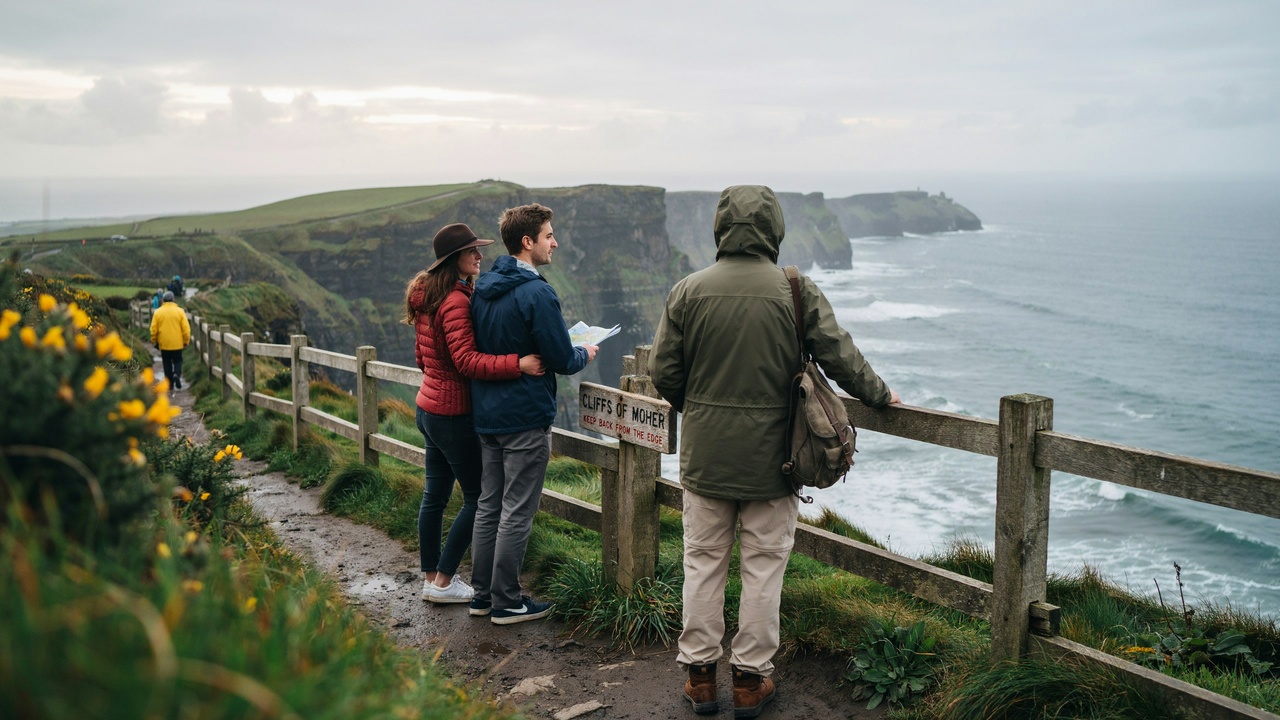
Image generated with Ai
Ireland travel is experiencing a late-season tourism boost as an unexpected period of warm weather brings fresh energy to the country’s western coastline. The arrival of an Indian summer has encouraged visitors to explore Ireland’s dramatic landscapes, coastal villages and cultural attractions beyond the traditional peak holiday months. From Americans arriving through cruise routes at Cobh to visitors exploring Kinsale’s colourful streets and travelling through Connemara towards Clifden and Westport, Ireland continues attracting travellers seeking authentic experiences. The unusual sunshine highlights the country’s growing appeal as a year-round destination where scenery, heritage and local communities remain powerful tourism attractions.
Why Is Ireland Travel Receiving A Late Season Tourism Boost?
Ireland travel is gaining momentum as warmer-than-usual autumn conditions create new opportunities for visitors exploring the country’s landscapes.
The west coast of Ireland, known for dramatic scenery and Atlantic views, has experienced a period of clear skies and pleasant weather that has encouraged both domestic and international travel.
While Ireland is traditionally associated with changing weather patterns, unexpected sunshine during autumn has extended outdoor activities and encouraged visitors to continue exploring coastal destinations.
Advertisement
Advertisement
Tourism businesses, including hotels, guesthouses, restaurants and local attractions, benefit when the visitor season stretches beyond the summer months.
Advertisement
Advertisement
The late-season travel period also highlights a broader tourism trend. Visitors are increasingly choosing shoulder seasons because they often provide quieter experiences, fewer crowds and stronger connections with local communities.
Ireland’s landscapes remain attractive throughout the year, and autumn offers a different atmosphere through changing colours, coastal walks and cultural experiences.
How Is The Wild Atlantic Way Strengthening Ireland Travel?
The Wild Atlantic Way remains one of Ireland’s strongest tourism assets.
Stretching along the western coastline, the route showcases dramatic cliffs, beaches, islands, villages and historic communities.
The region attracts travellers seeking scenic drives, outdoor adventures and authentic Irish experiences.
Advertisement
Advertisement
The west coast destinations highlighted during the warm weather period include areas around Cork, Kerry, Galway and Mayo.
Visitors are drawn to coastal landscapes, traditional music, local food and community experiences.
The route allows travellers to explore Ireland at a slower pace, connecting small towns and rural areas.
For international visitors, the Wild Atlantic Way provides a journey through Ireland’s natural beauty and cultural heritage.
The combination of ocean views, historic sites and welcoming communities continues making the region a major attraction for global travellers.
Advertisement
Advertisement
Why Are Cork And Kinsale Becoming Important Ireland Travel Destinations?
Cork continues strengthening its position as a major tourism gateway in southern Ireland.
The county combines coastal scenery, historic towns, food experiences and cultural attractions.
Cobh, located near Cork Harbour, is an important cruise destination where international visitors arrive before exploring the wider region.
Kinsale has also become a popular destination because of its colourful streets, maritime history and culinary reputation.
Visitors often explore the town’s waterfront, historic buildings and restaurants featuring local produce.
Advertisement
Advertisement
The popularity of Cork and Kinsale reflects a wider shift in tourism where travellers increasingly seek smaller destinations with strong identities.
Rather than focusing only on major cities, visitors are exploring communities where they can experience local culture and traditions.
How Is Connemara Driving Nature Based Tourism Growth?
Connemara remains one of Ireland’s most iconic natural destinations.
Located in County Galway, the region is known for mountains, lakes, coastline and wide-open landscapes.
Travellers exploring Connemara often seek hiking, photography, scenic drives and cultural experiences.
Advertisement
Advertisement
The area’s landscapes provide a strong example of Ireland’s appeal among nature-focused visitors.
From rugged coastlines to traditional villages, Connemara offers experiences connected with Ireland’s natural environment.
The region also serves as a gateway to destinations such as Clifden and nearby coastal communities.
For adventure travellers, Connemara provides opportunities for walking routes, cycling, wildlife observation and outdoor exploration.
The growing popularity of nature tourism reflects global demand for destinations that offer space, tranquillity and authentic landscapes.
Advertisement
Advertisement
Why Is Westport Becoming A Key Tourism Hub?
Westport has developed into one of Ireland’s most attractive visitor destinations.
Located in County Mayo, the town combines heritage, outdoor recreation and access to some of Ireland’s most dramatic landscapes.
Visitors can explore historic streets, local restaurants and nearby natural attractions.
The town’s location makes it an ideal base for discovering Mayo’s coastline, mountains and islands.
Outdoor enthusiasts visit the region for activities including hiking, cycling and scenic exploration.
Advertisement
Advertisement
Westport’s appeal demonstrates how smaller Irish towns are becoming important tourism centres.
These destinations offer visitors a more personal experience compared with larger urban areas.
As travellers search for meaningful journeys, towns like Westport benefit from growing interest in community-based tourism.
How Is Shoulder Season Travel Changing Ireland Tourism?
The rise of autumn travel is part of a wider tourism transformation.
Many travellers are moving away from traditional summer-only holidays and choosing shoulder seasons.
Advertisement
Advertisement
Autumn offers advantages including quieter attractions, comfortable temperatures and opportunities to experience destinations more authentically.
For Ireland, shoulder-season tourism helps distribute visitor demand throughout the year.
It also provides economic benefits for businesses that traditionally experience seasonal fluctuations.
The country’s landscapes are particularly suited to autumn travel.
Visitors can enjoy coastal walks, countryside drives and cultural experiences without the intensity of peak summer crowds.
Advertisement
Advertisement
This trend supports Ireland’s goal of developing sustainable tourism growth.
What Experiences Can International Visitors Enjoy In Ireland?
Ireland offers diverse experiences for different types of travellers.
History enthusiasts can explore castles, ancient monuments and heritage towns.
Nature lovers can discover mountains, cliffs, beaches and national parks.
Food travellers can experience seafood, traditional dishes and local producers.
Advertisement
Advertisement
Adventure visitors can enjoy hiking, cycling, surfing and outdoor activities.
Cultural travellers can experience Irish music, festivals and community traditions.
The country’s compact size allows visitors to combine multiple experiences during one journey.
A traveller can explore vibrant cities, peaceful villages and dramatic landscapes within a single holiday.
How Does Weather Influence Ireland Travel Decisions?
Weather has always played an important role in Ireland travel planning.
Advertisement
Advertisement
While Ireland is known for changeable conditions, visitors often discover that different seasons offer unique experiences.
A warm autumn period can encourage additional outdoor activities and extend the appeal of coastal destinations.
However, Ireland’s tourism strength does not depend only on sunshine.
The country’s landscapes, culture and hospitality remain attractions throughout the year.
Many travellers choose Ireland because of its atmosphere rather than guaranteed weather conditions.
Advertisement
Advertisement
The combination of dramatic skies, green landscapes and coastal scenery creates a distinctive travel experience.
What Is The Future Of Ireland Travel?
Ireland travel is positioned for continued growth as visitors increasingly search for authentic destinations.
The popularity of coastal regions, smaller towns and nature experiences shows the changing preferences of modern travellers.
Future tourism success will depend on sustainable development, protecting landscapes and supporting local communities.
The rise of late-season travel demonstrates Ireland’s ability to attract visitors beyond traditional holiday periods.
Advertisement
Advertisement
With its combination of heritage, scenery and hospitality, Ireland continues offering memorable experiences throughout the year.
Conclusion
Ireland travel is entering a stronger year-round tourism era as the Indian summer brings renewed attention to the country’s breathtaking west coast and cultural destinations. From Cork and Kinsale to Connemara, Clifden and Westport, visitors continue discovering Ireland’s unique combination of landscapes, traditions and community experiences. The growth of shoulder-season tourism highlights the changing way travellers explore destinations, with more visitors seeking quieter journeys and authentic connections. As Ireland continues developing sustainable tourism, its dramatic coastlines, historic towns and welcoming communities remain powerful reasons for global travellers to return throughout the year.
Advertisement
