
Andijan, Uzbekistan, Opens Its Ultimate Gastronomic Tourism Street Today

Published
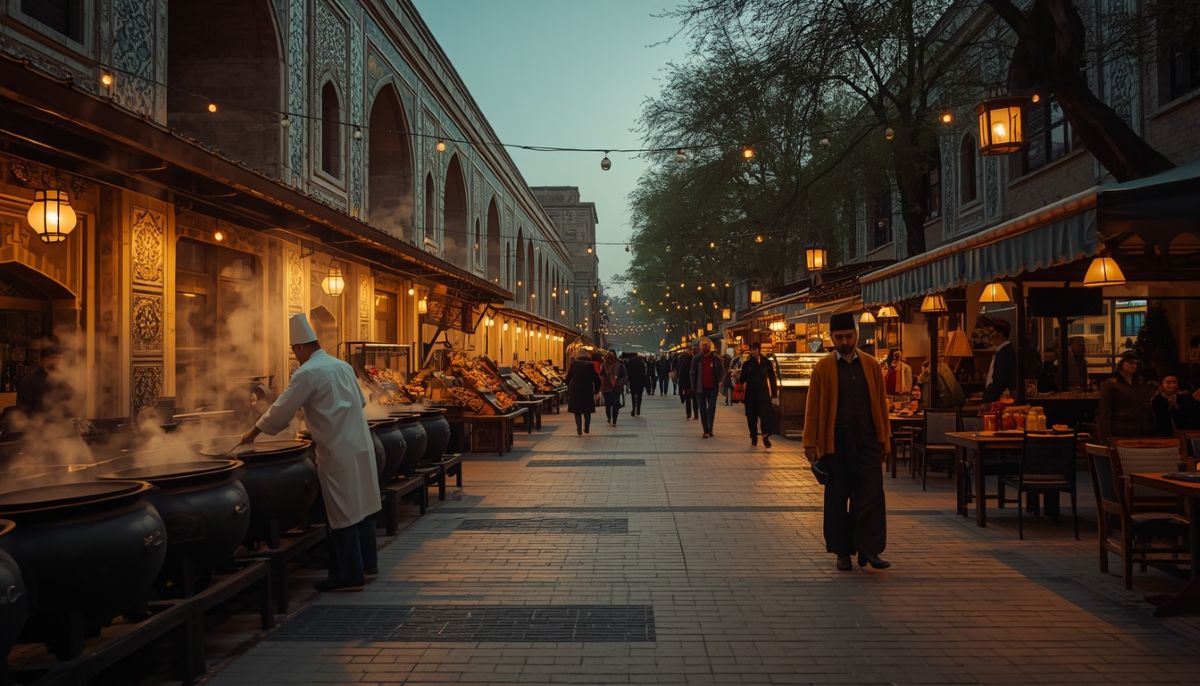
Image generated with Ai
The world of travel is ever-evolving, but few developments capture the imagination quite like the emergence of a culinary corridor in one of Central Asia’s most historic regions. For years, culture and food aficionados travelling along the fabled Silk Road have been looking for an engaging place where traditional Uzbek hospitality meets modern culinary infrastructure. Today, the first street of gastronomic tourism in Andijan officially opens; this vision is now a reality. The new district, created to take regional cuisine to the next level and support local economic development, is quickly becoming a must-see stop for international travellers. If you’re planning to travel to Central Asia this year, you need to know what this destination has in store for you, how to navigate its bustling corridors and why it’s a significant milestone in the tourism history of Uzbekistan.
Unveiling the Vision: What is the Andijan Gastronomic Tourism Street?
The establishment of the Andijan gastronomic tourism street was spearheaded by regional administration initiatives and municipal development plans aimed at diversifying Uzbekistan’s tourism offerings beyond historical monuments and architectural complexes. Located in the heart of Andijan—one of the Fergana Valley’s most vibrant cultural hubs—this dedicated corridor brings together dozens of authentic eateries, traditional bakeries, handicraft workshops, and open-air food markets.
Advertisement
Advertisement
According to regional tourism development data, the project was conceptualized to preserve centuries-old culinary heritage while introducing modern hospitality standards. Pedestrian-friendly pathways, traditional Uzbek architectural motifs, decorative lighting, and bilingual signage have been meticulously integrated to ensure an accessible and enriching environment for international visitors. By centralizing the region’s best culinary artisans, the street functions as a living museum of taste, where every storefront tells a story of trade, tradition, and community.
A Feast for the Senses: Signature Flavors and Culinary Highlights
Fergana Valley cuisine is widely celebrated for its distinct flavour profiles, agricultural abundance, and unique preparation techniques. Along the new gastronomic street, visitors are presented with an unprecedented opportunity to sample these culinary treasures in a single location.
Advertisement
Advertisement
At the centre of the culinary experience is the legendary Andijan Plov. Unlike versions found in other parts of Central Asia, Fergana-style plov is characterized by its light-coloured rice, generous portions of yellow carrots, tender mutton, and whole heads of garlic, slow-cooked in traditional cast-iron cauldrons over open wood fires. Government-backed culinary guidelines ensure that participating chefs adhere to authentic preparation methods, preserving the integrity of the dish.
Advertisement
Advertisement
Beyond plov, the street features specialized vendors offering:
- Tandoor-baked samsa: Pastries filled with succulent lamb and onions, baked to crisp perfection in traditional clay ovens.
- Hand-pulled lagman noodles: Served in rich, aromatic broths laden with fresh seasonal vegetables and spiced meats.
- Andijan sweets and dried fruits: A diverse array of local confections, honey, and sun-ripened fruits sourced directly from Fergana Valley orchards.
Essential Visitor Information: Navigating the Cultural Corridor
For travelers planning an itinerary to the Fergana Valley, practical preparation ensures a seamless experience. The gastronomic street is designed for year-round accessibility, though optimal visiting times align with the spring and autumn harvest seasons when local produce is at its peak.
Transportation to Andijan has been significantly streamlined through recent infrastructure upgrades, including high-speed rail connections from Tashkent and expanded regional flight schedules. Upon arrival in the city, public transit and licensed taxis provide direct access to the tourism district. Visitors are advised to allocate at least a full afternoon and evening to fully explore the corridor, as evening hours feature cultural performances, traditional music, and vibrant night markets that highlight the festive atmosphere of the region.
Advertisement
Advertisement
Furthermore, local tourism authorities have implemented digital visitor guides, accessible via QR codes located throughout the district, offering interactive maps, restaurant profiles, and translation assistance for international tourists.
Frequently Asked Questions About Andijan’s Culinary Scene
What makes Andijan cuisine different from other regions in Uzbekistan?
Fergana Valley cuisine, centered in Andijan, is distinguished by its unique preparation of rice dishes, specific spice blends utilizing cumin and coriander seeds, and the use of locally grown yellow carrots. The region’s fertile soil yields exceptional produce, which directly enhances the freshness and depth of flavour in local soups, meat dishes, and pastries.
Advertisement
Advertisement
When is the best time of year to visit the gastronomic tourism street?
The ideal periods for visiting are during the spring months of April through June and the autumn months of September through November. During these seasons, weather conditions are temperate, and local markets overflow with fresh seasonal fruits, vegetables, and regional harvests.
Are vegetarian or dietary-friendly options available along the tourism street?
While Central Asian cuisine traditionally emphasizes meat products, the abundance of fresh, locally grown agricultural produce ensures that vegetarian options—such as herb-stuffed pastries, pumpkin-filled samsas, fresh salads, and dairy specialities—are widely available across the various dining establishments.
Advertisement
