
Japan Travel Boom Faces New Challenge as Kyoto Tokyo Crowds Push Regional Tourism Expansion

Updated
Published
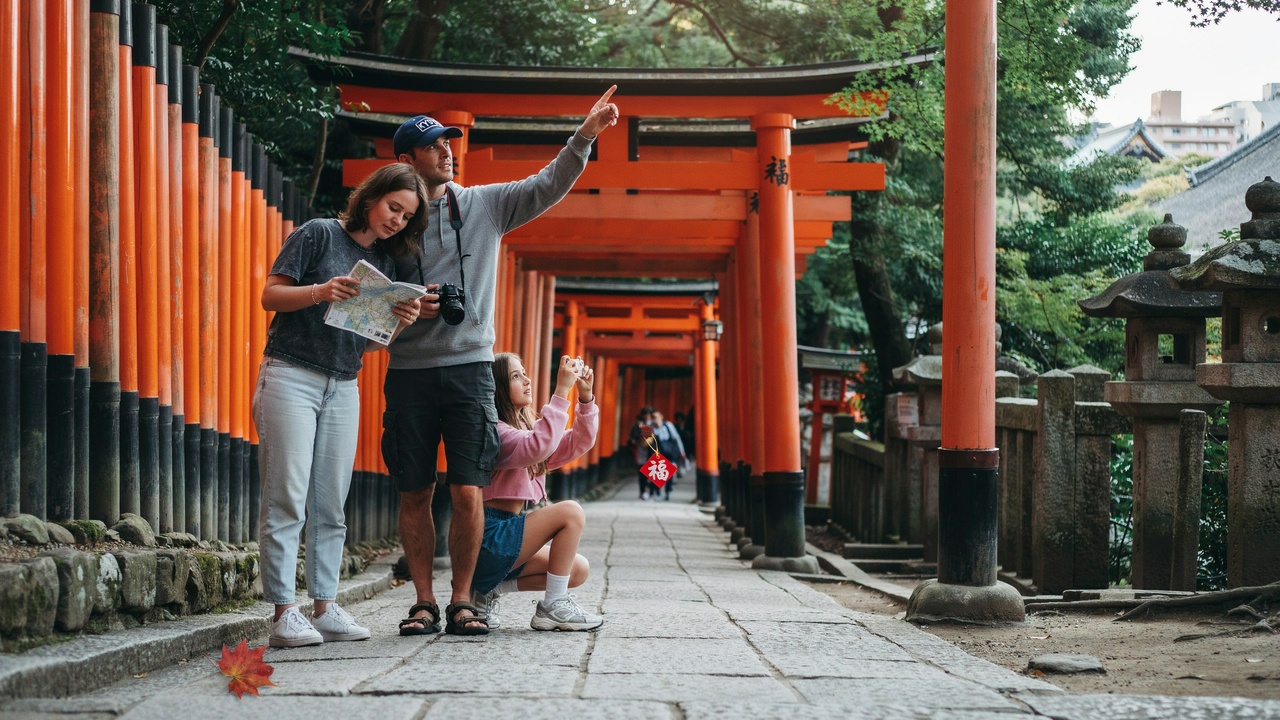
Japan travel is experiencing a powerful global surge as millions of international visitors continue discovering the country’s historic cities, natural landscapes and cultural treasures. However, rising demand is creating new challenges as tourists remain heavily concentrated in famous destinations such as Kyoto, Tokyo and Hokkaido. Japan’s tourism strategy is now shifting towards a more balanced approach, encouraging travellers to explore lesser-known regions while protecting heritage sites and supporting local communities. From traditional villages and mountain landscapes to island escapes and regional food experiences, Japan is preparing for a new tourism era where discovery extends far beyond its most recognised destinations.
Why Is Japan Travel Facing Pressure From Rising Visitor Concentration?
Japan travel has entered a remarkable growth period, but tourism demand is increasingly concentrated in a limited number of destinations.
Advertisement
Advertisement
International visitors continue choosing famous locations because of their global reputation, historic importance and unique experiences.
Kyoto’s ancient temples, Tokyo’s modern attractions and Hokkaido’s nature-based experiences remain among the strongest attractions for overseas travellers.
Advertisement
Advertisement
While this popularity supports tourism income, it also creates pressure on infrastructure, transportation systems and cultural landmarks.
Heavy visitor concentration can affect local communities by increasing congestion in popular areas and placing additional demands on public services.
Advertisement
Advertisement
Japan’s tourism authorities and industry leaders are increasingly focusing on spreading visitor demand across more regions.
The goal is not to reduce international tourism but to create a more balanced travel environment where visitors experience a wider range of destinations.
Advertisement
Advertisement
Which Japanese Destinations Attract The Most International Travellers?
Japan’s inbound tourism market is strongly influenced by several internationally recognised destinations.
Kyoto remains one of the country’s leading cultural tourism centres because of its historic temples, traditional neighbourhoods and UNESCO World Heritage locations.
Tokyo attracts visitors through its combination of technology, shopping, entertainment, food culture and famous landmarks.
Hokkaido has developed a strong reputation among nature and adventure travellers, especially through its ski areas, wildlife experiences and scenic landscapes.
Advertisement
Advertisement
Other popular destinations include Osaka, Okinawa, Kanagawa and areas surrounding Mount Fuji.
These regions benefit from strong international awareness and established tourism infrastructure.
However, their popularity also highlights the need to introduce visitors to more diverse Japanese destinations.
How Is Japan Encouraging Travellers To Discover Regional Destinations?
Japan travel is increasingly moving towards regional exploration.
Government tourism efforts are encouraging visitors to experience areas beyond major cities and famous landmarks.
Regional destinations provide travellers with opportunities to discover traditional villages, local cuisine, natural landscapes, festivals and cultural heritage.
Advertisement
Advertisement
Many smaller communities offer more personal experiences because they receive fewer international visitors.
Travellers can explore rural hot spring towns, coastal areas, mountain communities and historic regions that showcase a different side of Japan.
Expanding regional tourism can also distribute visitor spending more widely.
Local accommodation providers, restaurants, cultural organisations and small businesses can benefit when travellers explore beyond major tourism centres.
Regional tourism development has become an important part of Japan’s long-term tourism planning.
Why Is Kyoto Managing Growing Tourism Pressure?
Kyoto remains one of Japan’s most internationally recognised destinations.
Advertisement
Advertisement
The city attracts visitors through ancient temples, traditional architecture, gardens and cultural experiences.
However, increasing visitor numbers have created concerns about congestion in popular areas.
Tourism pressure can influence local residents, transportation systems and historic environments.
Managing visitor flows has become essential for destinations that aim to protect cultural heritage while maintaining accessibility.
Japan’s challenge is balancing tourism growth with preservation of the character that attracts travellers.
Responsible tourism practices, including respecting local customs, following visitor guidelines and exploring alternative areas, can help reduce pressure.
Advertisement
Advertisement
For visitors, travelling during quieter periods and discovering different neighbourhoods can create more rewarding experiences.
What Makes Regional Japan Travel A Growing Opportunity?
Regional Japan offers travellers experiences that differ from the country’s famous urban destinations.
Visitors can discover natural landscapes, traditional communities and unique local cultures.
Hokkaido provides outdoor adventures, skiing, wildlife encounters and spectacular scenery.
Okinawa attracts visitors with tropical beaches, marine activities and distinctive island traditions.
Kanagawa provides access to destinations such as Hakone, known for hot springs and views of Mount Fuji.
Advertisement
Advertisement
Rural areas across Japan offer traditional accommodation, local cuisine and historic attractions.
These destinations appeal to travellers seeking slower journeys and deeper cultural connections.
How Is Japan Balancing Tourism Growth With Sustainability?
Japan travel growth creates major economic opportunities but requires careful management.
Tourism supports hotels, restaurants, transport providers, attractions and local businesses across the country.
However, rapid tourism expansion can create challenges involving crowd management, environmental protection and community wellbeing.
Sustainable tourism strategies aim to ensure both visitors and residents benefit from tourism development.
Advertisement
Advertisement
Destinations are focusing on visitor education, improved transport planning and responsible travel behaviour.
Travellers also play an important role by respecting communities, protecting natural environments and following cultural guidelines.
A balanced tourism model allows Japan to welcome international visitors while protecting the qualities that make its destinations special.
How Is Technology Helping Japan Manage Tourism Growth?
Technology is becoming increasingly important in modern tourism management.
Digital tools help travellers discover destinations, plan journeys and access information more easily.
Tourism organisations are using online platforms, digital maps and visitor data to understand travel patterns.
Advertisement
Advertisement
These tools can help destinations manage visitor flows and improve travel experiences.
For travellers, technology makes it easier to discover attractions beyond traditional tourist routes.
Digital platforms can highlight local restaurants, regional events and lesser-known destinations.
Technology will continue playing a major role in creating smoother and more balanced tourism experiences.
What Can International Visitors Experience Beyond Japan’s Famous Cities?
Japan offers travellers far more than its internationally famous locations.
Visitors can explore historic castles, mountain regions, coastal landscapes and traditional communities.
Advertisement
Advertisement
Travellers can experience Japanese cuisine through local food journeys, seasonal festivals and natural environments.
Japan’s railway network makes regional exploration easier, allowing visitors to combine multiple destinations during one journey.
From cherry blossom seasons to autumn landscapes and winter adventures, Japan provides year-round travel opportunities.
Regional tourism expansion allows visitors to develop deeper connections with Japanese culture and communities.
What Is The Future Of Japan Travel?
Japan travel is expected to continue growing as international interest remains strong.
The key challenge will be managing popularity while creating opportunities across more regions.
Advertisement
Advertisement
Japan’s future tourism success will depend on balancing visitor growth, cultural preservation and community benefits.
Encouraging travellers to explore new destinations can create a stronger tourism economy while protecting famous landmarks.
The country’s combination of history, technology, nature and hospitality ensures continued global appeal.
A balanced tourism approach could allow Japan to welcome millions of visitors while preserving memorable experiences for future generations.
Conclusion
Japan travel is entering a defining period as international demand creates both extraordinary opportunities and new challenges. Famous destinations such as Kyoto, Tokyo and Hokkaido continue attracting global visitors, but the future of tourism depends on expanding discovery across more regions. By promoting regional destinations, responsible travel and sustainable visitor management, Japan can protect its cultural treasures while creating new opportunities for communities nationwide. From ancient temples and modern cities to rural landscapes and island escapes, Japan continues offering unforgettable experiences. The next chapter of Japan travel will focus on balance, discovery and meaningful connections between travellers and destinations.
Advertisement
