
Vietnam’s Hidden Sustainable Travel Breakthrough Turns Rural Waste Into Wealth While Coastal Communities Reinvent Themselves as Powerful Green Tourism Destinations Driving a New Eco Travel Movement

Published
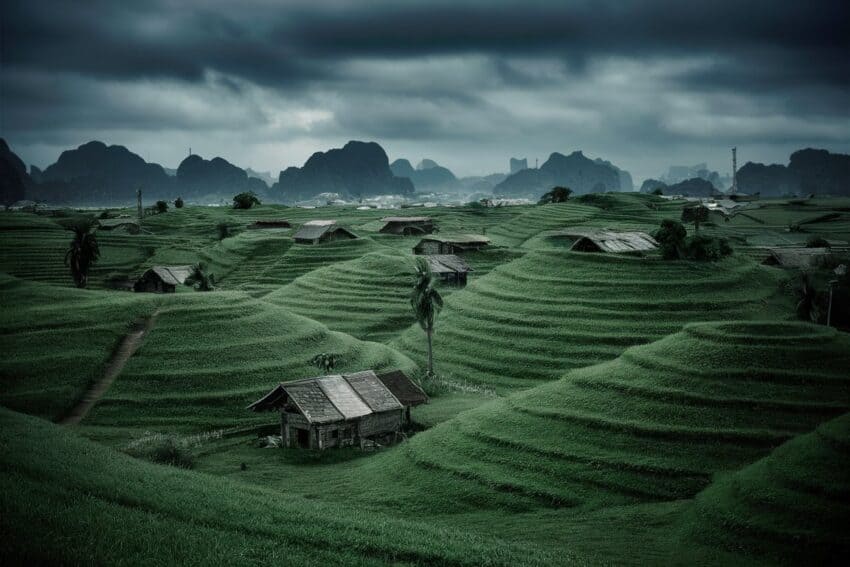
Sustainable travel Vietnam is no longer just a policy idea in Nghệ An—it is slowly becoming something visible in everyday life. From coastal villages to inland communes, waste habits are being reshaped in ways that support cleaner communities, stronger livelihoods, and more appealing travel experiences. What makes this shift interesting is how ordinary household actions are now tied to environment, tourism, and social care at the same time.
A Province Where Recycling Feeds Both People And Place
In Nghệ An Province, the Women’s Union has built a large community network with over 704,000 members living across mountains, plains, and coastal areas. Environmental protection is not treated as a separate activity but is integrated into daily routines through simple, structured systems.
Advertisement
Advertisement
One of the most visible efforts is the “green homes” model, where households bring sorted recyclables such as bottles, cans, and paper waste to community collection points. These materials are sold, and the revenue is redirected into local welfare support.
What makes this system notable is how it connects environmental action with real-life impact:
Advertisement
Advertisement
- Recycling points function as small community hubs
- Waste is separated at household level instead of mixed disposal
- Income from recyclables supports women in difficult circumstances
- Funds also assist disadvantaged families and children
This approach indirectly strengthens eco tourism Vietnam by improving cleanliness and liveability in rural and coastal communities that are gradually becoming more attractive to visitors.
Coastal Life, Clean Beaches, And Everyday Responsibility
Along the coast, environmental work is closely linked with daily life and emerging tourism identity. The Quỳnh Mai Women’s Union has maintained the “I love the blue sea” initiative since 2017, involving more than 50 core members.
Advertisement
Advertisement
Their regular activities include:
- Monthly beach clean-ups
- Marine litter collection
- Community awareness efforts on waste reduction
Over time, these small but consistent actions shape cleaner coastlines and more welcoming public spaces. This is where green destinations in Vietnam becomes more than a phrase—it reflects visible improvements in environment and atmosphere.
Local leadership often highlights a simple truth: when everyday habits shift, coastal areas become more attractive for both residents and visitors.
From Waste Collection To Social Support Systems
In inland areas, waste collection has evolved into a structured support system for vulnerable groups. The Women’s Union has created an electronic database for 109 orphaned children to ensure targeted and consistent assistance.
Through a programme linking recycling with sponsorship:
- 46 organisations and individuals contribute support
- 79 children currently receive assistance
- More than VNĐ1.5 billion has been pledged over three years
This model connects environmental action with long-term social care, reinforcing responsible travel rural Vietnam where tourism development is closely tied to community well-being and rural stability.
Advertisement
Advertisement
How Local Women Turn Waste Into Opportunity
At the commune level, leadership plays a major role in sustaining participation. Local leaders describe recyclable waste not as discarded material but as a resource that cycles back into the community.
The key idea is simple: when residents see clear benefits returning to their neighbourhood, participation becomes natural rather than enforced. Over time, this strengthens cooperation and improves both environmental conditions and community resilience.
Tourism, Clean Coastlines, And Changing Local Identity
Tourism development in Nghệ An is increasingly influenced by environmental quality. Clean streets, reduced plastic waste, and better-managed coastal zones all contribute to how destinations are experienced by visitors.
This is where places to visit in Vietnam is gradually evolving beyond sightseeing. Destination value is increasingly shaped by environmental quality and community behaviour.
Local environmental programmes support this shift by:
- Organising coastal clean-up campaigns
- Promoting household waste sorting
- Improving public cleanliness in rural and coastal areas
These efforts also reflect the principles of circular tourism in Asia, where resource reuse, waste reduction, and community benefit are integrated into travel and local development systems.
Advertisement
Advertisement
Progress, Gaps, And Real-World Challenges
Despite progress, several challenges continue to affect implementation. Some areas still face pollution in soil, water, and air. Infrastructure for waste collection and treatment remains uneven, particularly in remote regions.
Behavioural change is another barrier. Although environmental regulations require waste separation at source, consistent adoption is still developing.
Key challenges include:
- Limited waste management infrastructure in rural and mountainous areas
- Inconsistent waste separation practices among households
- Fragmented collection systems in some localities
- Ongoing environmental pollution in specific zones
Policy Direction And Future Green Growth Plans
The Women’s Union has outlined long-term priorities focused on expanding environmental awareness and improving coordination with government agencies. Digital communication is increasingly used to promote greener lifestyles and wider participation.
Future priorities include:
- Strengthening cooperation with national ministries
- Expanding environmental communication campaigns
- Improving rural waste collection systems
- Addressing agricultural plastic and pesticide packaging waste
- Supporting eco-friendly rural entrepreneurship
These efforts aim to connect environmental protection with livelihood development and long-term sustainability.
Advertisement
Advertisement
Why This Matters For Vietnam’s Travel Future
At its core, this transformation is reshaping how travel is understood. sustainable travel Vietnam is not only about visiting clean destinations—it is about how those destinations are maintained and how communities benefit from them.
The changes in Nghệ An show how environmental responsibility, social welfare, and tourism development can grow together rather than separately. When recycling supports education, beach clean-ups enhance tourism appeal, and rural habits shape destination quality, sustainability becomes part of everyday life.
And ultimately, sustainable travel Vietnam reflects a gradual but meaningful shift toward travel systems that are cleaner, more community-driven, and more resilient for the future.
Advertisement
