
France Travel Warning Intensifies as Paris Protests Disrupt Louvre Visits and Raise Tourist Safety Concerns

Published
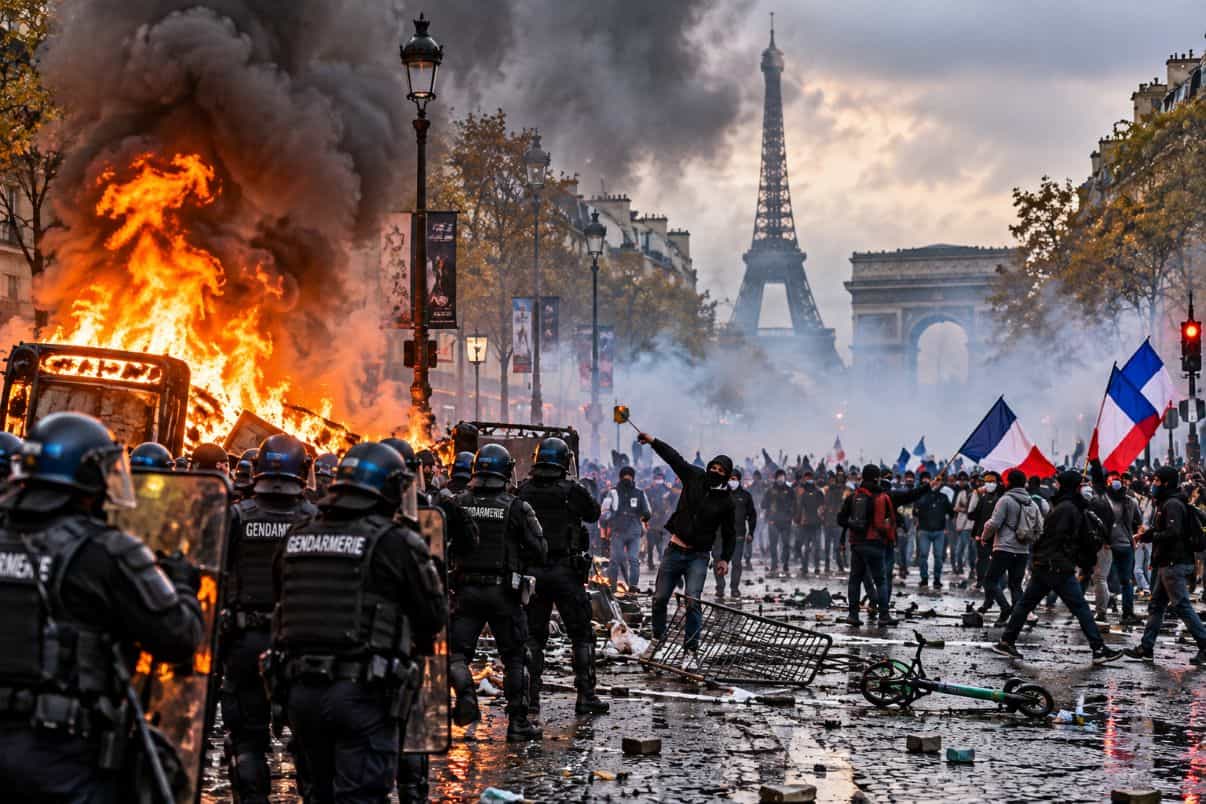
France is facing renewed travel concerns following violent demonstrations, reported looting and temporary security restrictions across several cities. Paris has attracted particular attention after protesters reportedly disrupted access to the Louvre Museum, while police operations and local curfews complicated movement around important visitor districts. The US Embassy has advised American travellers to avoid demonstrations and prepare for possible transport disruption. Lyon, Lille, Limoges and Bordeaux have also featured in reports of unrest. Despite these developments, France has not announced a nationwide tourism shutdown. Travellers planning holidays should distinguish confirmed restrictions from earlier incidents and check official updates before departure.
France Travel Warning Highlights Serious Risks Following Violent Demonstrations
Demonstrations in France reportedly escalated into clashes with police during the weekend of 17–18 October 2026.
Advertisement
Advertisement
The unrest involved concerns over living costs, education and other domestic issues.
According to reporting published by Fox News on 20 October, some confrontations involved property damage, fires and looting.
Advertisement
Advertisement
Police deployed tear gas in areas where demonstrations became violent.
The disturbances affected several cities, including Paris, Lyon, Lille, Limoges and Bordeaux.
Advertisement
Advertisement
However, the reported incidents do not establish that every district in those cities experienced unrest.
Travellers should avoid active demonstrations and follow instructions from local authorities.
The US Embassy’s warning highlights the possibility of further disruption rather than a nationwide prohibition on visiting France.
Paris Louvre Museum Disruption Raises Concerns for International Visitors
Paris experienced a significant tourism interruption after protesters reportedly blocked access to the Louvre Museum on Monday, 19 October.
The incident affected visitors who had planned to explore one of France’s most internationally recognised cultural institutions.
For tourists holding timed-entry reservations, unexpected access restrictions can disrupt sightseeing itineraries and onward arrangements.
Advertisement
Advertisement
However, the reported closure concerns a specific date.
It does not establish that the museum remains closed on 21 October.
Visitors should check the Louvre’s official website for opening notices, ticket arrangements and admission requirements.
Other Paris attractions should be verified individually.
There is no confirmed nationwide closure of French museums or cultural destinations.
US Embassy Warns American Travellers About Curfews and Further Unrest
The US Embassy in France reportedly warned American citizens about temporary curfews and the possibility of additional demonstrations.
Advertisement
Advertisement
The warning followed violent incidents during the weekend of 17 October.
In Paris, Place de la République and Les Halles were among the areas associated with overnight restrictions.
However, these measures were localised and time-specific.
The US State Department continues to classify France at Level 2, advising travellers to exercise increased caution.
The underlying country advisory predates the October demonstrations.
Travellers should therefore distinguish the longstanding national advisory from newer embassy security communications.
Advertisement
Advertisement
American visitors can register with the Smart Traveler Enrollment Program to receive relevant security notifications.
Paris Metro Closures and Road Restrictions Could Complicate Airport Transfers
Demonstrations and police operations can affect transport connections across central Paris.
Temporary Metro station closures, road restrictions and congestion may create difficulties for travellers moving between hotels, railway stations and airports.
Paris Charles de Gaulle and Orly remain important international aviation gateways.
The available reporting indicates that commercial flights largely continued during the unrest.
However, individual flight schedules and ground transport services may still experience disruption.
Advertisement
Advertisement
Passengers should verify departure times directly with airlines.
They should also check Metro, RER and airport transfer arrangements through official transport providers.
Travellers using public transport should allow additional time and identify alternative routes before leaving their accommodation.
Lyon Tourism Office Damage Highlights Wider Effects on Visitor Services
The unrest extended beyond Paris, affecting tourism-related infrastructure in other French cities.
Fox News reported that Lyon’s tourism office at Place Bellecour suffered fire damage during demonstrations on 17 October.
Visitor services were subsequently relocated to a temporary facility on the same square.
Advertisement
Advertisement
This development illustrates how local unrest can affect tourists even when major attractions remain accessible.
Travellers visiting Lyon should confirm the location and opening hours of visitor-information services.
Hotels and local tourism providers may also provide updated guidance.
However, the damage to one facility does not establish that Lyon’s entire tourism sector has suspended operations.
Visitors should rely on current local announcements.
Lille, Limoges and Bordeaux Face Additional Public Safety Concerns
Other French destinations featured in reports of demonstrations and property damage.
Advertisement
Advertisement
Lille experienced temporary curfew measures, while Limoges reportedly suffered serious fire damage at its historic town hall.
Bordeaux also experienced reported looting affecting commercial premises.
These incidents may influence access to civic areas, shopping districts and nearby attractions.
However, the geographical extent and duration of restrictions differ between cities.
Tourists should not assume that every attraction or transport service has closed.
Local prefectures and municipal authorities provide the most relevant information about public-order measures.
Advertisement
Advertisement
Visitors should avoid affected streets, follow police instructions and confirm whether planned sightseeing activities can proceed safely.
Paris Protest Hotspots Require Additional Caution from International Tourists
Several central Paris locations are frequently associated with demonstrations.
These include Place de la République, Place de la Bastille, Place de la Nation and Boulevard Voltaire.
Visitors should remain aware of planned gatherings and avoid locations where confrontations or police operations are underway.
Tear gas can affect bystanders, including tourists who are not participating in demonstrations.
Travellers encountering violent incidents should move away from the affected area and seek safety.
Advertisement
Advertisement
Photography near active police operations may also create unnecessary risks.
Tourists should follow local instructions and avoid approaching damaged buildings or restricted streets.
Demonstration routes and security boundaries can change without warning.
France Tourism Businesses Could Face Disruption Without Nationwide Closures
The demonstrations create challenges for hotels, restaurants, museums, tour operators and transport providers.
Businesses located near protest areas may experience restricted access, temporary closures or property damage.
Visitors may also need to change sightseeing arrangements or postpone individual activities.
Advertisement
Advertisement
However, the available reporting does not establish a nationwide decline in international arrivals or tourism revenue.
Concerns expressed by prospective travellers should not be treated as confirmed holiday cancellations.
Reliable economic assessments would require verified booking, accommodation and visitor spending data.
For tourism operators, the immediate priority is providing accurate information and helping guests navigate temporary restrictions.
Flexible booking arrangements may also assist travellers affected by unexpected changes.
What Should American Travellers Do Before Visiting France?
American visitors should consult the latest US State Department advisory and relevant embassy security communications.
Advertisement
Advertisement
Travellers should confirm flight status, accommodation arrangements and public transport availability before departure.
Those planning museum visits should check official attraction notices rather than relying on previous opening schedules.
Travel insurance policies should be reviewed carefully because coverage for civil unrest and voluntary cancellations varies.
Visitors should retain copies of travel documents and booking confirmations.
Emergency contact details should also remain accessible.
The UK Foreign Office similarly advises travellers that demonstrations and industrial action may occur with limited warning.
Advertisement
Advertisement
Following official guidance can help visitors make informed decisions about their itineraries.
Conclusion: France Tourism Faces Uncertainty as Visitors Monitor Security Conditions
France’s latest demonstrations have created important safety and transport concerns for international visitors. Reported disruption at the Louvre, temporary curfews, damaged businesses and police operations demonstrate how local unrest can affect tourism. Nevertheless, the available evidence does not establish a nationwide closure of attractions or international airports. American travellers should follow embassy guidance, avoid demonstrations and verify transport arrangements before departure. Visitors to Paris, Lyon and other affected cities should also check local restrictions rather than assume earlier measures remain active. With conditions capable of changing quickly, reliable official information and flexible travel planning remain essential for safer journeys.
Advertisement
