
Iran Joins UAE, Qatar, Oman, Bahrain, Saudi Arabia, Kuwait, Jordan and U.S. as Strait of Hormuz Reopens Boosting Cruise Tourism and Travel Connectivity Across Dubai, Abu Dhabi, Doha, Muscat, Manama, Riyadh, Kuwait City and Amman : Here’s The Latest New Update Everyone was Waiting

Published
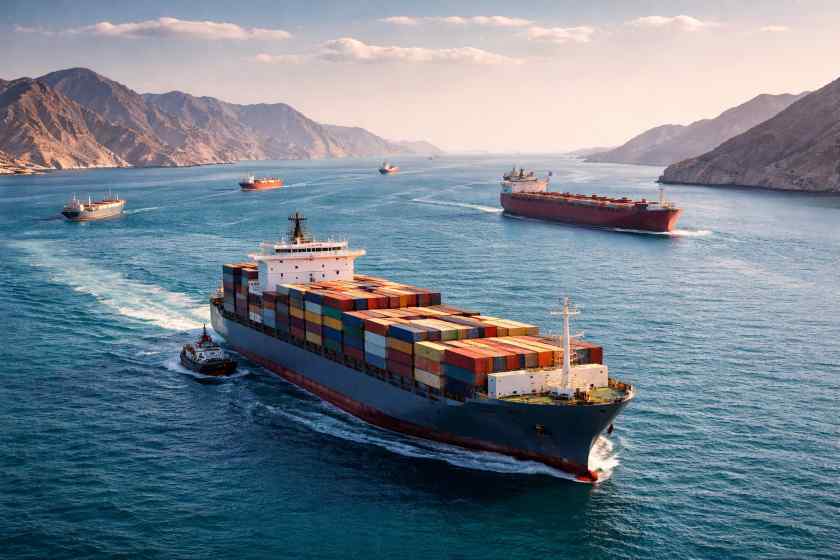 Image generated with Ai
Iran Joins UAE, Qatar, Oman, Bahrain, Saudi Arabia, Kuwait, Jordan and the U.S. as the Strait of Hormuz Reopens, Boosting Cruise Tourism and Travel Connectivity Across Dubai, Abu Dhabi, Doha, Muscat, Manama, Riyadh, Kuwait City and Amman
The Strait of Hormuz, positioned between Iran and Oman, is once again open to commercial vessels following a temporary two-week truce between Iran and the United States announced on April 18. This narrow yet globally significant maritime passage connects the Persian Gulf to the Arabian Sea, acting as a lifeline not only for global energy trade but also for regional tourism, cruise operations, and travel connectivity.
So what does this mean if you’re tracking tourism flows or planning travel across the Middle East?
Advertisement
Advertisement
The reopening immediately restores a sense of operational continuity across some of the Gulf’s most visited destinations. Cruise ships that had paused or rerouted itineraries can now return to scheduled routes. Travel planners, airlines, and hospitality providers across the region are seeing renewed momentum as maritime access stabilises at least for now.
At the same time, the development comes with a clear time frame. The two-week window means tourism stakeholders—from cruise operators to hotel chains are moving quickly, adapting itineraries, and reopening booking channels while closely monitoring the situation.
Advertisement
Advertisement
For travellers, this translates into something quite practical: more options are back on the table. Gulf cruises, multi-city travel circuits, and stopover tourism programs that connect destinations like the United Arab Emirates, Qatar, Oman, and Bahrain are once again aligning with normal schedules.
In short, the Strait is open, and with it, a key artery of Middle East tourism is flowing again.
Advertisement
Advertisement
Why This Route Matters for Tourism
To understand the tourism impact, you need to look at how deeply the Strait of Hormuz is woven into the region’s travel ecosystem.
This is not just a shipping lane—it is a tourism connector.
Advertisement
Advertisement
Every year, a significant share of Gulf cruise itineraries depends on smooth passage through this corridor. Cruise ships sailing between the Arabian Sea and the Persian Gulf rely on this route to link multiple high-demand destinations into a single seamless journey. When the Strait is open, itineraries flow naturally. When it’s disrupted, entire travel plans across the region are affected.
Here’s how it directly impacts tourism:
1. Cruise Tourism Backbone
The Gulf has emerged as a growing cruise tourism hub, with cities like:
- Dubai and Abu Dhabi in the United Arab Emirates
- Doha in Qatar
- Muscat in Oman
- Manama in Bahrain
These destinations are often part of interconnected cruise circuits. The Strait acts as the gateway that makes these multi-destination journeys possible.
Advertisement
Advertisement
2. Multi-Destination Travel Circuits
Modern travellers increasingly prefer multi-country itineraries—for example:
Dubai → Doha → Muscat → Bahrain
This kind of travel depends on reliable maritime and regional connectivity. The reopening of the Strait allows tour operators to reintroduce these bundled travel experiences, which are popular among international tourists.
3. Aviation and Maritime Interlink
While flights operate independently, Gulf tourism thrives on air-sea integration:
- Travellers fly into hubs like Dubai or Doha
- Then board cruise ships or coastal tours
Disruptions in maritime routes often reduce the appeal of these hybrid travel packages. Reopening restores that balance.
4. Economic Flow into Tourism Cities
Port cities benefit directly from cruise arrivals:
- Increased hotel bookings
- Growth in local tours and excursions
- Higher retail and dining activity
A single cruise ship can bring thousands of tourists into a city for short stays, significantly boosting the local tourism economy.
Advertisement
Advertisement
5. Regional Tourism Confidence
Perhaps most importantly, the Strait’s operational status influences traveller confidence.
When routes are open and stable:
- Travel advisories ease
- Bookings increase
- Tour operators expand offerings
When uncertainty rises, the opposite happens.
What’s Happening Right Now
- Iran has allowed commercial shipping through the Strait under a two-week truce
- Iranian Parliament Speaker Mohammad Bagher Ghalibaf stated the route may close again depending on U.S. actions
- The situation remains time-bound and conditional
For tourism stakeholders, this means short-term stability with ongoing uncertainty.
Impact on Cruise Tourism
Cruise tourism in the Gulf region depends heavily on uninterrupted maritime access.
What changes immediately:
Advertisement
Advertisement
- Cruise liners can resume Gulf itineraries
- Ports like Dubai and Abu Dhabi see restored ship arrivals
- Luxury expedition cruises regain access to regional routes
What remains uncertain:
- Long-term cruise scheduling
- Insurance costs for operators
- Passenger demand stability
Air Travel and Stopover Tourism
While the Strait itself is a maritime route, its closure previously triggered broader regional disruptions.
Now, with reopening:
- Airlines operating through Dubai, Doha, and Abu Dhabi can stabilise routes
- Transit tourism programs regain momentum
- Travel packages combining cruises + flights become viable again
Hotel and Hospitality Sector Effects
Destinations across the Gulf rely on maritime tourism to feed into hospitality demand.
Short-term benefits:
- Increased hotel occupancy in port cities
- Return of high-spending cruise tourists
- Growth in short-stay and stopover bookings
Operational considerations:
Advertisement
Advertisement
- Hotels may continue flexible booking policies
- Travel operators remain cautious with long-term packages
Travel Industry Response
Tour operators and travel agencies are adjusting quickly:
- Reintroducing Gulf cruise packages
- Offering flexible cancellation policies
- Monitoring geopolitical developments daily
For travellers, this translates to more options—but with caution advised.
Key Takeaways
- The Strait of Hormuz is temporarily open for two weeks
- Cruise tourism and maritime travel are resuming operations
- Gulf destinations are seeing a short-term tourism boost
- The situation remains uncertain beyond the truce period
- Travel providers are focusing on flexibility and contingency planning
Tourism & Travel Stats Snapshot
| Category | Impact Level | Details |
|---|---|---|
| Cruise Operations | High | Routes resumed across Gulf ports |
| Airline Connectivity | Medium | Stabilized transit hubs |
| Hotel Occupancy | Medium-High | Increase in port city stays |
| Travel Bookings | Moderate | Short-term bookings rising |
| Long-term Travel Planning | Low | Uncertainty remains |
What Travellers Should Know
If you’re planning travel across the Middle East:
- Short trips (next 2 weeks): More stable options available
- Long-term plans: Monitor updates closely
- Cruise bookings: Prefer flexible itineraries
- Travel insurance: Strongly recommended
Conclusion
Iran Joins UAE, Qatar, Oman, Bahrain, Saudi Arabia, Kuwait, Jordan and the U.S. as the Strait of Hormuz Reopens to Boost Cruise Tourism and Travel Connectivity Across Dubai, Abu Dhabi, Doha, Muscat, and Manama
At the same time, the reopening is clearly defined by a limited window. The two-week truce provides immediate operational relief, but the broader situation remains fragile, with controlled navigation routes and ongoing security considerations shaping how vessels move through the corridor. For tourism stakeholders, this creates a dual reality: momentum is returning, but long-term planning still requires caution.
Across the Gulf, destinations are beginning to regain lost ground. Cruise tourism, in particular, is showing early signs of recovery as itineraries restart and connectivity improves. Airlines and hospitality sectors are also expected to benefit as travel confidence gradually rebuilds alongside stabilising logistics and fuel supply chains
The reopening of the Strait of Hormuz brings immediate relief to global shipping and regional tourism. However, the warning from Iranian leadership indicates that this access could change quickly.
For now, the travel industry is moving forward carefully balancing opportunity with caution.
Advertisement
