
Israel-Iran Conflict and Australian Travel Disruptions Now Threaten Greek Tourism Revenue

Published
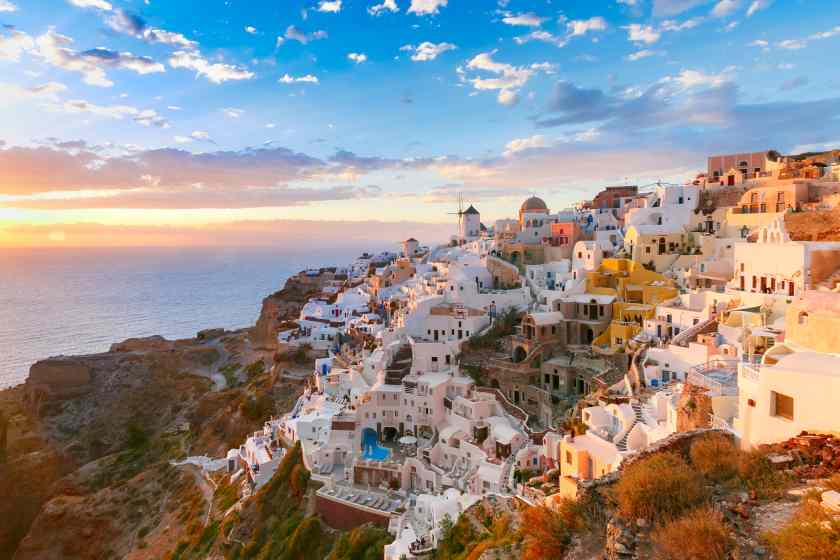 Image generated with Ai
The ongoing Israeli-Iran crisis is casting a long shadow on the Greek tourism industry, and preliminary estimates are showing a minimum €150 million loss in travel receipts. If the fighting halts within a few weeks and Israeli tourists return during July, the tourism industry can slowly get back on track. Nevertheless, the short-term disruptions have been colossal, with all flights to and from Israel suspended, except for Israeli evacuation flights. Big Israeli travel operators have now cancelled their trips to Greece until June, and cancellations now are reaching as far as early July. If the crisis continues, the financial effects on Greece’s tourism industry would get much severe, with losses reaching as much as €300 million and more.
Impact on Greek Tourism Revenue
Israel is a key international market for Greece. In 2024, approximately 621,000 Israeli tourists visited Greece, spending an average of €676 per person and staying an average of 6.3 days. These visitors contributed €419 million to Greece’s tourism revenue—about 2% of the total revenue generated by international arrivals. Israeli tourists tend to favor popular Greek islands and cities such as Crete, Rhodes, Kos, Athens, and Thessaloniki, regions that could see significant financial impact from the current travel disruptions.
Advertisement
Advertisement
The loss of Israeli tourists during the peak summer months, particularly in June and July, is expected to have a ripple effect on local economies, especially in the most tourist-dependent areas. Greek hotels and local businesses rely heavily on international visitors, and a decrease in Israeli arrivals will not only impact revenues but also affect jobs and livelihoods in the tourism sector.
Currently, prepaid bookings for Greek hotels are being credited for future trips or redeemed once travel resumes, offering some relief to those impacted. However, this is unlikely to completely offset the loss of revenue from canceled bookings. In a worst-case scenario, should the conflict persist into the summer and potentially into the fall, Greece could face losses exceeding €300 million, exacerbating the financial toll on an already strained global tourism industry.
Advertisement
Advertisement
Disruptions to Australian Travelers
The impact of the Israel-Iran conflict is not limited to Israel. The conflict’s ripple effects are being felt in Australia as well, with many Australian travelers reconsidering their travel plans to Greece due to the ongoing tensions and disruptions in Middle East airspace. Many Australians who had planned to transit through the Middle East are rerouting their flights via Singapore or other non-Middle Eastern hubs. Others have canceled or postponed their holidays to Greece, further straining Greece’s tourism sector.
The Australian Government’s Smartraveller service has issued travel advisories, urging Australian citizens to remain cautious and stay informed about the evolving situation. Australian tourists who had planned to visit Greece through Middle Eastern transit hubs are now exploring alternative routes, some opting to postpone their trips until next year. These changes in travel behavior are threatening to further undermine Greece’s tourism revenue, as Australian tourists traditionally contribute significantly to the Greek economy, particularly in the summer months.
Advertisement
Advertisement
For the tourism industry in Greece, Australian tourists represent another key market. Though Australian tourism contributes a smaller portion to Greece’s overall revenue compared to Israel, the loss of these travelers will have a noticeable impact. The Australian government’s warnings about the instability in the Middle East further complicate travel plans for Australians considering visits to Greece.
Bilateral Air Traffic Rights and Seat Capacity Issues
The Israel-Iran conflict has also disrupted the planned growth in seat capacity between Israel and Greece. For 2025, the scheduled air seats from Israel to Greece were expected to rise by 42.3%, reaching 1.3 million seats. However, these plans have been severely jeopardized due to the suspension of flights. This sharp reduction in flight availability will affect not only Israeli tourists but also Australians who were planning to travel to Greece via connecting flights in Israel.
Advertisement
Advertisement
The introduction of new bilateral air traffic rights and expanded flight options between Israel and Greece was expected to boost tourism and trade between the two countries. Unfortunately, the conflict has stalled this progress, leaving airlines unable to capitalize on the increasing demand for travel between Israel and Greece. The ultimate long-term success of these expanded traffic rights depends heavily on political stability in the region and the resolution of the conflict.
Greek Tourism Recovery Strategies
In light of these disruptions, Greek tourism officials are scrambling to find solutions to mitigate the financial impact on the industry. The Greek Ministry of Tourism, along with other governmental bodies, is exploring alternative markets to attract more visitors to Greece. Efforts are underway to target new tourism markets, particularly in North America and Asia, to offset the loss of Israeli and Australian tourists.
One potential avenue is to increase promotional efforts to attract visitors from emerging markets such as China, India, and Southeast Asia. Additionally, Greece’s Ministry of Tourism is working to diversify its offerings to appeal to a broader range of tourists, including those seeking cultural, historical, and eco-tourism experiences. The Greek government is also working to improve the tourism infrastructure, ensuring that when travel resumes to full capacity, Greece is prepared to accommodate visitors with a seamless and welcoming experience.
Looking Ahead: The Road to Recovery
The Israel-Iran conflict, coupled with ongoing disruptions to Australian travel plans, has placed Greece’s tourism sector in a difficult position. However, the resilience of the industry and the support from government agencies may help mitigate the losses. The situation underscores the importance of diversification and the need for the tourism sector to become more adaptable to changing geopolitical landscapes.
Advertisement
Advertisement
As the war rages on, Greece needs to stay adaptable in its strategy, cooperating with international leaders and airlines to ensure, once the violence stops, the tourism industry could get back on its feet. With proper strategies, Greece’s tourism-based economy could get back to where it needs to be, despite the fact that it could take some time before reaching levels anticipated for the year 2025.
(Source: NSETE (Greek Tourism Confederation), Bank of Greece, Greek Ministry of Tourism, International Air Transport Association (IATA), and Australian Government Department of Foreign Affairs and Trade (DFAT)).
Advertisement
