
Could Hikal’s New cGMP Pilot Plant Turn Pune into India’s Next Pharmaceutical Business Travel Powerhouse? The Innovation Investment That May Transform International Scientific Mobility – What Global Healthcare and Travel Leaders Should Watch

Published
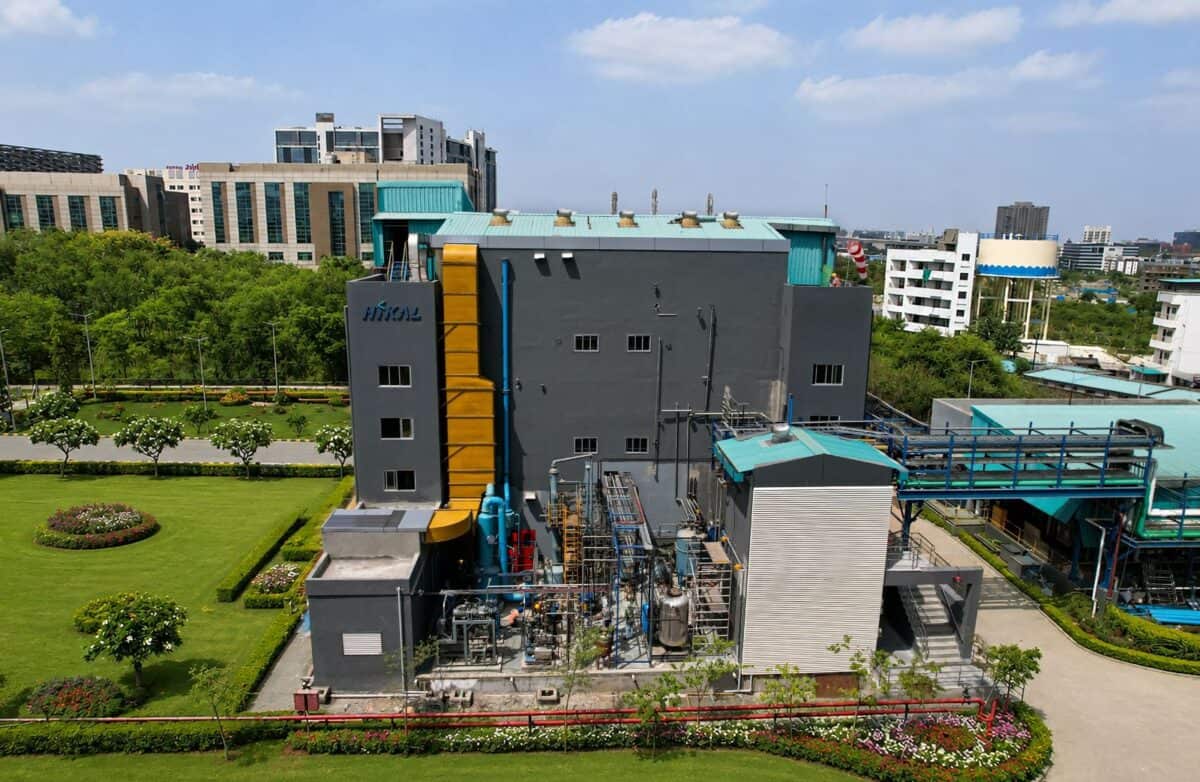
India’s ambition to strengthen its position as one of the world’s leading pharmaceutical manufacturing destinations has received another significant boost after Hikal commissioned an enhanced current Good Manufacturing Practice (cGMP)-compliant pilot plant at its Research & Technology campus in Pune, Maharashtra. The investment extends the company’s capabilities in process development, technology transfer, scale-up engineering and clinical-stage manufacturing, reinforcing India’s growing role as a strategic innovation hub for multinational pharmaceutical companies seeking dependable research and manufacturing partners. The development is also expected to deepen international scientific collaboration while creating fresh opportunities for business travel, pharmaceutical conferences, regulatory visits and technology partnerships across Maharashtra.
Beyond expanding laboratory infrastructure, the new facility strengthens the bridge between early-stage drug discovery and commercial manufacturing, an increasingly important requirement as pharmaceutical innovators look to shorten development timelines without compromising regulatory compliance. For the travel industry, the announcement reflects a wider trend that extends well beyond manufacturing. India’s rapidly expanding life sciences sector continues to attract overseas executives, regulatory inspectors, investors and researchers, reinforcing Pune’s emergence as an important destination for medical innovation, corporate travel and knowledge-driven tourism.
Why the Hikal cGMP Pilot Plant Matters Beyond Pharmaceutical Manufacturing
While pharmaceutical manufacturing rarely dominates travel headlines, investments of this scale have a substantial indirect influence on the business travel ecosystem.
Every modern pharmaceutical innovation campus attracts a continuous flow of international visitors, including research scientists, technology transfer specialists, regulatory auditors, equipment suppliers, investors, logistics partners and clinical development teams.
Advertisement
Advertisement
As global pharmaceutical companies increasingly diversify supply chains, India’s established manufacturing ecosystem has become an attractive destination for collaborative research and contract development.
The commissioning of the Hikal cGMP Pilot Plant therefore represents more than additional manufacturing capacity. It strengthens Pune’s standing as one of India’s leading innovation centres capable of supporting global pharmaceutical programmes from laboratory development through commercial readiness.
Advertisement
Advertisement
Inside the New Pune Research Expansion
According to the company, the enhanced facility has been designed to support multiple phases of pharmaceutical development under internationally recognised quality standards.
The pilot plant incorporates:
| Capability | Operational Significance |
|---|---|
| Process development | Optimises manufacturing pathways before commercial production |
| Technology transfer | Reduces transition time from laboratory to manufacturing |
| Clinical-stage manufacturing | Produces material for regulated clinical programmes |
| Scale-up engineering | Bridges laboratory research with commercial production |
| Flexible reactor systems | Supports multiple chemistries and pharmaceutical processes |
| Advanced filtration and drying | Improves manufacturing efficiency and quality consistency |
The upgraded infrastructure includes reactor capacities ranging from 20 litres to 2,000 litres, alongside stainless steel and glass-lined systems, advanced filtration technology and specialised capabilities including cryogenic chemistry, hydrogenation, high-temperature reactions and high-vacuum distillation. These capabilities enable pharmaceutical innovators to undertake increasingly complex development programmes from a single integrated campus.
A Strategic Addition to India’s Growing CDMO Ecosystem
India’s pharmaceutical industry has steadily evolved from a volume-based manufacturing destination into an innovation-led ecosystem supporting research, development and commercial manufacturing.
Contract Development and Manufacturing Organisations (CDMOs) have become particularly important as multinational pharmaceutical companies increasingly outsource complex development programmes while maintaining strict regulatory expectations.
The latest investment positions Hikal to strengthen this growing segment by offering integrated development capabilities that reduce delays between discovery, pilot production and commercial manufacturing.
Advertisement
Advertisement
Rather than operating separate research and manufacturing facilities, the integrated Pune campus enables scientists and production teams to work within a single ecosystem, helping accelerate project execution while maintaining process consistency.
India’s Pharmaceutical Growth Creates New Business Travel Opportunities
India continues to strengthen its position as one of the world’s largest pharmaceutical producers.
Government initiatives supporting domestic pharmaceutical manufacturing—including Production Linked Incentive (PLI) schemes, bulk drug parks and investments in medical research infrastructure—are encouraging additional private-sector investment across the industry.
For the travel industry, these developments translate into sustained demand across several sectors.
International pharmaceutical executives frequently travel for:
| Travel Segment | Expected Demand |
|---|---|
| Clinical project meetings | High |
| Technology transfer programmes | High |
| Regulatory inspections | High |
| Manufacturing audits | High |
| Scientific conferences | Growing |
| Investor visits | Growing |
| Equipment installation projects | Moderate to High |
Unlike seasonal leisure tourism, pharmaceutical-related travel generates year-round business activity, supporting airlines, hotels, convention centres, serviced apartments and local transport providers.
Advertisement
Advertisement
Cities such as Pune, Hyderabad, Bengaluru, Ahmedabad and Mumbai increasingly benefit from this specialised corporate travel segment.
Why Pune Continues to Attract Global Pharmaceutical Investment
Pune has steadily transformed into one of India’s most diversified knowledge economies.
Its advantages include:
- Strong engineering and scientific talent
- Established pharmaceutical manufacturing clusters
- Research institutions
- Technology companies
- International connectivity through Pune Airport and nearby Mumbai
- Modern industrial infrastructure
The city’s ecosystem enables pharmaceutical companies to combine research, manufacturing and supply-chain operations within relatively short geographic distances.
That concentration reduces project timelines while making collaboration easier for international customers visiting India for technology transfer, process validation and commercial manufacturing programmes.
This combination has made Pune increasingly attractive for multinational pharmaceutical partnerships over the past decade.
Advertisement
Advertisement
How Pilot Plants Accelerate Drug Development
Pilot plants occupy one of the most important stages within pharmaceutical manufacturing.
Laboratory experiments generally produce only small quantities of compounds.
Commercial production, meanwhile, requires consistent quality across significantly larger manufacturing volumes.
Pilot facilities bridge that gap.
| Development Stage | Purpose |
|---|---|
| Laboratory Research | Molecule discovery |
| Process Development | Optimise production methods |
| Pilot Plant | Validate manufacturing at intermediate scale |
| Clinical Manufacturing | Produce regulated development material |
| Commercial Manufacturing | Large-scale production |
Without pilot-scale validation, pharmaceutical companies often face longer development timelines, higher costs and increased regulatory challenges.
Facilities like Hikal’s enable companies to identify manufacturing risks before commercial production begins, improving both efficiency and regulatory confidence.
Advertisement
Advertisement
Growing International Demand Supports India’s Innovation Economy
Global pharmaceutical companies continue seeking reliable development partners capable of meeting increasingly complex regulatory requirements.
The combination of scientific expertise, manufacturing experience and internationally recognised quality systems has strengthened India’s attractiveness within global pharmaceutical supply chains.
Investments such as Hikal’s latest expansion demonstrate how Indian manufacturers are moving beyond traditional contract production towards higher-value research partnerships.
That evolution benefits not only the pharmaceutical sector but also supporting industries including specialised logistics, hospitality, aviation and business events.
As innovation projects become increasingly international, destinations capable of supporting scientific collaboration are likely to see sustained growth in corporate travel demand.
India’s Pharmaceutical Expansion Reinforces High-Value Business Travel
The commissioning of the Hikal cGMP Pilot Plant comes at a time when India is witnessing sustained growth in pharmaceutical exports, contract research and innovation-led manufacturing. Rather than relying solely on cost competitiveness, pharmaceutical companies are increasingly investing in advanced development facilities that meet stringent international regulatory requirements.
Advertisement
Advertisement
According to the Government of India, the country is one of the world’s largest producers of generic medicines by volume and supplies medicines to more than 200 countries and territories. India accounts for around 20% of the global generic medicine supply by volume, while the pharmaceutical sector continues to rank among the country’s largest export industries.
This expanding ecosystem has direct implications for travel. Every major pharmaceutical investment encourages greater movement of scientists, regulatory experts, validation engineers, procurement specialists, investors and corporate leadership teams.
Unlike conventional manufacturing industries, pharmaceutical operations require repeated international collaboration throughout the product lifecycle, resulting in frequent business travel rather than one-time visits.
How Pharmaceutical Investments Support the Travel Economy
The relationship between pharmaceutical infrastructure and tourism is often overlooked.
Large-scale research campuses generate consistent demand for premium hotels, extended-stay accommodation, conference venues, airport transfers, airlines and professional event organisers.
The benefits extend across multiple sectors.
Advertisement
Advertisement
| Travel Industry Segment | Likely Impact of New Pharmaceutical Investments |
|---|---|
| Premium hotels | Increased weekday occupancy |
| Business airlines | Higher executive travel demand |
| Convention centres | Scientific conferences and product launches |
| Ground transportation | Corporate mobility services |
| Restaurants | Higher business dining expenditure |
| MICE sector | Growth in pharmaceutical meetings and exhibitions |
| International aviation | More inbound technical and regulatory visits |
Compared with leisure tourism, pharmaceutical-related travel is less seasonal, helping destinations maintain stable occupancy throughout the year.
Pune Continues to Strengthen Its Position as India’s Innovation Gateway
Over the past decade, Pune has developed into one of India’s leading destinations for advanced manufacturing and research.
Its diversified economy combines engineering, biotechnology, pharmaceuticals, information technology and higher education within a single metropolitan region.
For international pharmaceutical companies, this concentration creates operational efficiencies that reduce project timelines while improving collaboration.
Business travellers visiting Pune increasingly combine manufacturing audits with supplier meetings, research collaborations, regulatory reviews and investment discussions.
The city’s proximity to Mumbai further enhances accessibility through international air connectivity while supporting domestic corporate mobility across western India.
Advertisement
Advertisement
How the Latest Expansion Compares with Earlier Industry Investments
India’s pharmaceutical sector has witnessed significant infrastructure expansion over the past several years.
However, recent investments increasingly focus on innovation rather than manufacturing volume.
| Earlier Industry Focus | Current Industry Direction |
|---|---|
| Large-scale generic manufacturing | Innovation-led development |
| Cost competitiveness | High-value scientific partnerships |
| Bulk production | Clinical-stage manufacturing |
| Manufacturing outsourcing | Integrated research and development |
| Volume expansion | Technology transfer excellence |
| Domestic capability | Global regulatory readiness |
The enhanced Hikal facility reflects this broader transformation, positioning Indian companies as strategic innovation partners rather than solely manufacturing contractors.
What This Means for International Travellers
Although leisure travellers may never visit a pharmaceutical campus, developments like this indirectly improve the travel landscape.
Growing corporate investment typically results in:
- Increased international flight demand
- Expansion of premium accommodation
- Higher conference activity
- Greater demand for serviced apartments
- More international exhibitions
- Improved airport connectivity over time
- Enhanced business infrastructure
For travel advisors specialising in corporate mobility, pharmaceutical hubs represent an expanding market with predictable year-round demand.
Advertisement
Advertisement
India’s Pharmaceutical Industry at a Glance
| Indicator | Latest Position |
|---|---|
| Global ranking by generic medicine volume | Among the world’s largest |
| Export destinations | More than 200 countries and territories |
| Manufacturing strength | Thousands of pharmaceutical manufacturing units |
| USFDA-approved manufacturing facilities outside the US | Highest globally |
| Key pharmaceutical clusters | Maharashtra, Gujarat, Telangana, Karnataka, Andhra Pradesh |
| Major growth segments | CDMO, biologics, speciality chemicals, APIs, innovation |
These strengths continue attracting multinational pharmaceutical companies seeking resilient global supply chains.
Business Travel Outlook for Maharashtra
Maharashtra already serves as one of India’s largest industrial and commercial centres.
Cities including Mumbai, Pune, Nashik and Nagpur continue attracting domestic and overseas investment across manufacturing, financial services, healthcare and technology.
The expansion of specialised pharmaceutical facilities is expected to generate additional travel demand through:
- Regulatory inspections
- Clinical programme meetings
- Manufacturing technology transfers
- Global customer visits
- Equipment commissioning
- International scientific collaborations
As India advances towards becoming a higher-value pharmaceutical innovation destination, business travel linked to life sciences is expected to become an increasingly important contributor to regional tourism revenue.
A Broader Shift Towards Innovation-Led Manufacturing
The enhanced pilot plant demonstrates how India’s pharmaceutical industry continues moving further up the global value chain.
Advertisement
Advertisement
Rather than concentrating exclusively on commercial production, companies are investing in research infrastructure capable of supporting customers from molecule development through clinical manufacturing and eventual commercialisation.
For travel media, this represents a wider story than pharmaceutical manufacturing alone.
Innovation campuses increasingly generate international movement of highly skilled professionals, strengthen conference tourism, encourage foreign investment visits and reinforce India’s reputation as a destination for scientific collaboration.
As global pharmaceutical companies diversify development partnerships and seek reliable innovation ecosystems, facilities such as the Hikal cGMP Pilot Plant are likely to contribute not only to India’s healthcare economy but also to the sustained growth of business travel, aviation, hospitality and the broader meetings, incentives, conferences and exhibitions (MICE) sector.
Frequently Asked Questions (FAQs)
1. What has Hikal announced in Pune?
Hikal has commissioned an enhanced current Good Manufacturing Practice (cGMP)-compliant pilot plant at its Research & Technology campus in Pune, Maharashtra. The facility strengthens the company’s capabilities in process development, scale-up, technology transfer and clinical-stage pharmaceutical manufacturing.
2. Why is the new cGMP pilot plant significant?
The pilot plant bridges laboratory research and commercial-scale manufacturing, enabling pharmaceutical companies to accelerate drug development, improve process efficiency and produce high-quality materials for preclinical and clinical programmes while meeting global regulatory standards.
Advertisement
Advertisement
3. How could Hikal’s new facility influence business travel?
The expansion is expected to attract more international scientists, pharmaceutical executives, regulatory inspectors, investors and technology partners to Pune, supporting growth in business travel, conferences, corporate hospitality and the Meetings, Incentives, Conferences and Exhibitions (MICE) sector.
4. What capabilities does the upgraded Hikal pilot plant offer?
The facility features reactors ranging from 20 litres to 2,000 litres, stainless steel and glass-lined systems, advanced filtration and drying equipment, cryogenic reaction capabilities, hydrogenation, high-temperature processing and high-vacuum distillation for a broad range of pharmaceutical chemistries.
5. Why is Pune becoming an important pharmaceutical destination?
Pune offers a strong ecosystem of pharmaceutical manufacturers, research institutions, engineering talent and modern infrastructure. Its proximity to Mumbai and growing innovation ecosystem make it an attractive destination for global pharmaceutical partnerships and corporate travel.
6. How does this investment support India’s pharmaceutical industry?
The new pilot plant reinforces India’s position as a global pharmaceutical innovation and manufacturing hub by enhancing research, development and clinical manufacturing capabilities while supporting multinational pharmaceutical companies with integrated development services.
7. Which industries are likely to benefit beyond pharmaceuticals?
Apart from the life sciences sector, the investment is expected to benefit airlines, hotels, serviced apartments, logistics providers, conference organisers, local transport services and other businesses linked to corporate and scientific travel.
8. How does the facility improve pharmaceutical development timelines?
By integrating research, process development, pilot-scale manufacturing and technology transfer within a single campus, the facility helps reduce delays between laboratory discovery and commercial production, enabling faster project execution and improved collaboration with global customers.
Advertisement
