
Ethiopia Tourism Surges Past $5.2 Billion as Conference Travel Powers New Growth

Published
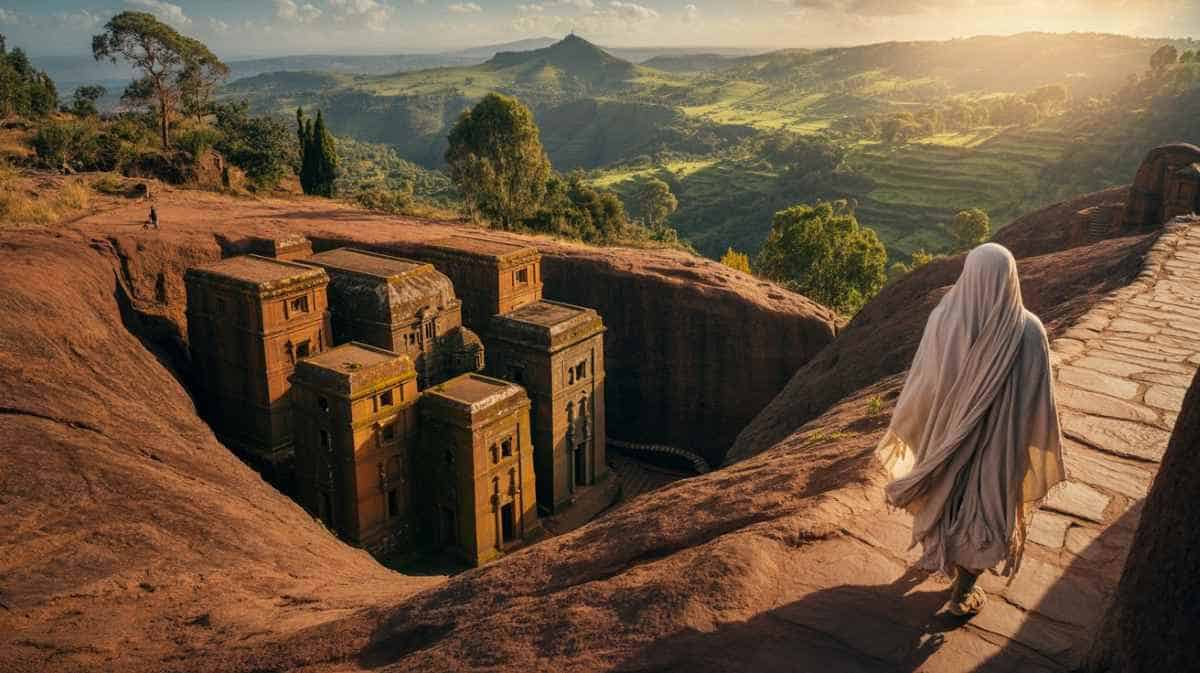
Image generated with Ai
The coming headline makers will include Ethiopia, Addis Ababa, Gorgora, Wanchi and Koyisha, as the country reports an influx of more than 1.4 million tourists as well as more than $5.2 billion in tourism revenue during the country’s 2025/26 financial year. The increasing trend is being driven by various international meetings and the creation of tourist amenities.
Addis Ababa Is Turning Business Travel Into Tourism
Addis Ababa is sitting at the centre of this tourism story, and the numbers are doing plenty of talking.
Advertisement
Advertisement
Ethiopia hosted 204 international conferences during the fiscal year, attracting around 166,000 participants, according to Prime Minister Abiy Ahmed. The figures underline the importance of meetings, incentives, conferences and exhibitions, or MICE tourism, within the country’s visitor economy.
The capital’s diplomatic role provides a natural base for international events. The African Union and other international institutions are headquartered in Addis Ababa, helping sustain demand for conference and business travel.
Advertisement
Advertisement
For tourism, that means conference visitors can combine business programmes with restaurants, museums, cultural attractions and excursions beyond the city.
Advertisement
Advertisement
The $5.2 Billion Tourism Story
The reported $5.2 billion tourism revenue figure places spending firmly alongside visitor numbers in Ethiopia’s latest tourism expansion.
The government has increasingly identified tourism as one of the country’s priority economic sectors, with investments directed towards infrastructure, hospitality, heritage preservation and previously underdeveloped destinations.
The latest performance follows a reported 15% increase in international arrivals in 2025, according to Ethiopia’s Ministry of Tourism.
Advertisement
Advertisement
Gorgora Takes Tourism Towards Lake Tana
Gorgora is among the regional destinations receiving new attention.
Located on the northern shores of Lake Tana, the destination combines lakeside landscapes with access to Ethiopia’s historic northern tourism circuit.
Advertisement
Advertisement
Development under the government’s tourism programmes is intended to improve facilities and make regional destinations more accessible for leisure travellers.
Lake Tana also connects with Bahir Dar and the wider historic route towards Gondar, giving visitors the potential to combine natural scenery with castles, monasteries and cultural heritage.
Wanchi Brings Nature Into the Itinerary
Lake Wanchi, located west of Addis Ababa, offers a completely different tourism experience.
The crater lake is surrounded by mountains, agricultural landscapes and rural communities, making it suitable for nature-based and community-linked travel.
Tourism development around Wanchi forms part of the wider national effort to improve facilities at destinations outside the capital and create new circuits for visitors.
Advertisement
Advertisement
The government has identified Gorgora, Wanchi and Koyisha among the major destinations targeted through its tourism development initiatives.
Koyisha Adds Another Regional Stop
Koyisha is also being incorporated into Ethiopia’s expanding tourism map.
The development of regional destinations is designed to distribute tourism activity beyond established locations and create new visitor experiences connected to landscapes, communities and local culture.
This broader approach gives international travellers more options when building multi-destination itineraries across Ethiopia.
Heritage Still Drives Ethiopia Travel
New resort and tourism projects are being developed alongside some of Ethiopia’s most established heritage attractions.
Advertisement
Advertisement
Lalibela, known for its rock-hewn churches, Gondar, with its historic castles, and Harar Jugol remain important components of Ethiopia’s cultural tourism offer. The government has also prioritised restoration and preservation at major heritage sites.
Nature tourism adds another layer through destinations such as the Simien Mountains, Bale Mountains, Lake Tana and the Danakil Depression.
Travel Details for Visitors
Ethiopia uses the Ethiopian birr (ETB). Addis Ababa Bole International Airport is the country’s principal international gateway and the main starting point for most overseas visitors.
Domestic flights are particularly useful for travellers visiting destinations far from Addis Ababa. Road travel remains important for regional circuits, while guided tours are commonly used for remote landscapes and heritage destinations.
Key tourism hubs include Addis Ababa, Lalibela, Gondar, Bahir Dar, Arba Minch, Gorgora, Wanchi and the Simien Mountains.
Advertisement
Advertisement
Key Stats
- 1.4 million+: Foreign visitors recorded during the fiscal year.
- $5.2 billion+: Tourism-related revenue reported for the period.
- 204: International conferences hosted during the year.
- 166,000: Approximate foreign conference participants.
- 15%: Increase in international arrivals recorded in 2025, according to Ethiopia’s Ministry of Tourism.
- 3: Regional destinations specifically highlighted in the national tourism development programme: Gorgora, Wanchi and Koyisha.
FAQ
1. How much tourism revenue did Ethiopia generate?
More than $5.2 billion in tourism-related revenue was reported for the fiscal year.
2. Why is Addis Ababa important for tourism?
Its role as a diplomatic and international conference centre has made MICE tourism an important part of Ethiopia’s visitor economy.
3. Which regional destinations are receiving new tourism investment?
Gorgora, Wanchi and Koyisha are among the destinations being developed under Ethiopia’s national tourism initiatives.
Dates and Events
2025: Ethiopia recorded a 15% increase in international arrivals, according to the Ministry of Tourism.
2025/26 fiscal year: Ethiopia recorded more than 1.4 million foreign visitors, over $5.2 billion in tourism-related revenue and 204 international conferences with around 166,000 participants.
Advertisement
Advertisement
4 July 2026: The Arba Minch Conference Resort was inaugurated under the Dine for Generation initiative, featuring a conference hall for more than 1,300 people and a floating restaurant.
Conclusion
Ethiopia’s tourism industry is entering the big leagues with the increasing number of tourists, meetings and conferences, and investments in other destinations in the country. The current expansion in tourism is reflected through the revenue generated of $5.2 billion and over 1.4 million visitors from abroad, and destinations like Gorgora, Wanchi, and Koyisha have added to the country’s expanding tourism landscape. Ethiopia is positioning itself as a destination not only based on its capital, but throughout the country.
Advertisement
