
Seoul Beats Busan and All Other Cities and Remains the Leading Source Market for South Korean Tourism by Welcoming the Most Tourists Throughout 2026

Published
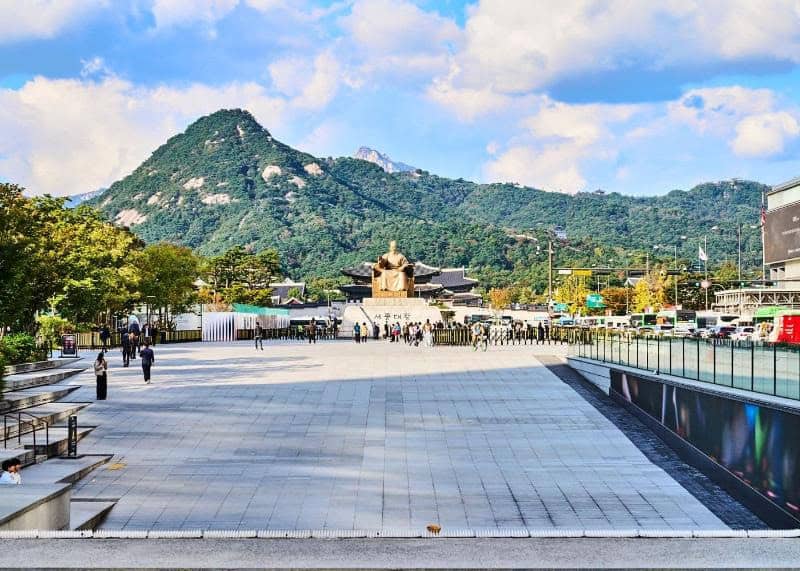
Seoul beats Busan and all other cities and remains the leading source market for South Korean tourism by welcoming the most tourists throughout 2026, driven by its dominant international air connectivity, global cultural appeal, shopping, food experiences and strong gateway arrivals through Incheon and Gimpo airports.
South Korea’s Leading Tourism Gateway Cities in January–July 2026
South Korea welcomed 12,803,042 foreign visitors between January and July 2026, representing growth of 21.3% year on year. Seoul, Busan and Jeju have emerged as major gateways supporting this tourism expansion. The airport data show 8,051,935 arrivals through Incheon, 833,657 through Gimpo, 1,230,011 through Gimhae and 1,004,717 through Jeju. These figures represent gateway arrivals and should not be interpreted as the number of tourists staying exclusively within each city.
Seoul — Incheon and Gimpo Put the Capital at the Heart of South Korea’s Tourism Boom
Seoul dominates South Korea’s international gateway landscape, with 8,051,935 arrivals through Incheon and another 833,657 through Gimpo during the January–July period, producing a combined gateway figure of 8,885,592. Its strength is built on extensive international air connectivity and the capital’s global appeal for K-pop, beauty, shopping, food and cultural tourism. Incheon connects Seoul with a vast network of international destinations, while Gimpo strengthens regional links with nearby Asian markets. Growing interest in districts such as Hongdae and Seongsu is also spreading tourism beyond established hotspots such as Myeong-dong, helping Seoul convert its aviation advantage into wider visitor activity.
Busan — Coastal Tourism and Gimhae Airport Drive a Breakthrough Year
Busan is strengthening its position as South Korea’s leading tourism alternative to Seoul, with 1,230,011 arrivals recorded through Gimhae International Airport in the supplied January–July data. The city combines international connectivity with a distinctive coastal tourism proposition built around Haeundae, beaches, traditional markets, cultural villages, seafood, festivals and waterfront attractions. Improved air access from neighbouring Asian markets has made Busan easier to reach without travelling through Seoul. This is particularly important for regional tourism because international visitors arriving at Gimhae can begin their holidays directly in southeastern South Korea. Busan’s combination of aviation expansion and destination development is helping transform the city from a secondary gateway into a major international tourism hub.
Advertisement
Advertisement
Jeju City — Island Appeal Keeps Jeju Among South Korea’s Biggest Gateways
Jeju City remains a powerful tourism gateway, with 1,004,717 arrivals passing through Jeju International Airport during the January–July 2026 period in the supplied data. Unlike a conventional transit gateway, Jeju Airport principally feeds an island destination with a well-established leisure tourism economy. Jeju’s beaches, volcanic landscapes, waterfalls, walking trails, food, resorts and natural attractions give international travellers a clear reason to stay rather than simply connect elsewhere. Direct international services from major Asian markets have also reduced dependence on connections through Seoul. This combination of accessibility and distinctive island experiences has helped Jeju remain one of South Korea’s most important tourism gateways and a major counterweight to the country’s capital-led visitor economy.
Advertisement
Advertisement
Seoul beats Busan and all other cities and remains the leading source market for South Korean tourism by welcoming the most tourists throughout 2026 due to its strong international gateways, Incheon and Gimpo arrivals, global attractions and growing visitor demand.
In conclusion, Seoul beats Busan and all other cities and remains the leading source market for South Korean tourism by welcoming the most tourists throughout 2026, supported by powerful international connectivity, major airport gateways and its global appeal across culture, shopping, food and entertainment. While Busan and Jeju continue strengthening their positions through coastal and island tourism, Seoul’s combined gateway strength through Incheon and Gimpo keeps it at the centre of South Korea’s visitor economy. The 2026 tourism growth story highlights how multiple cities are expanding while Seoul continues to lead the national tourism landscape.
Advertisement
