
Bahamas Rhythms Take Complete Control Of Lively Nassau Parade Routes And Historic Exuma Regatta Festivities As Global Travel Demand Soars

Published
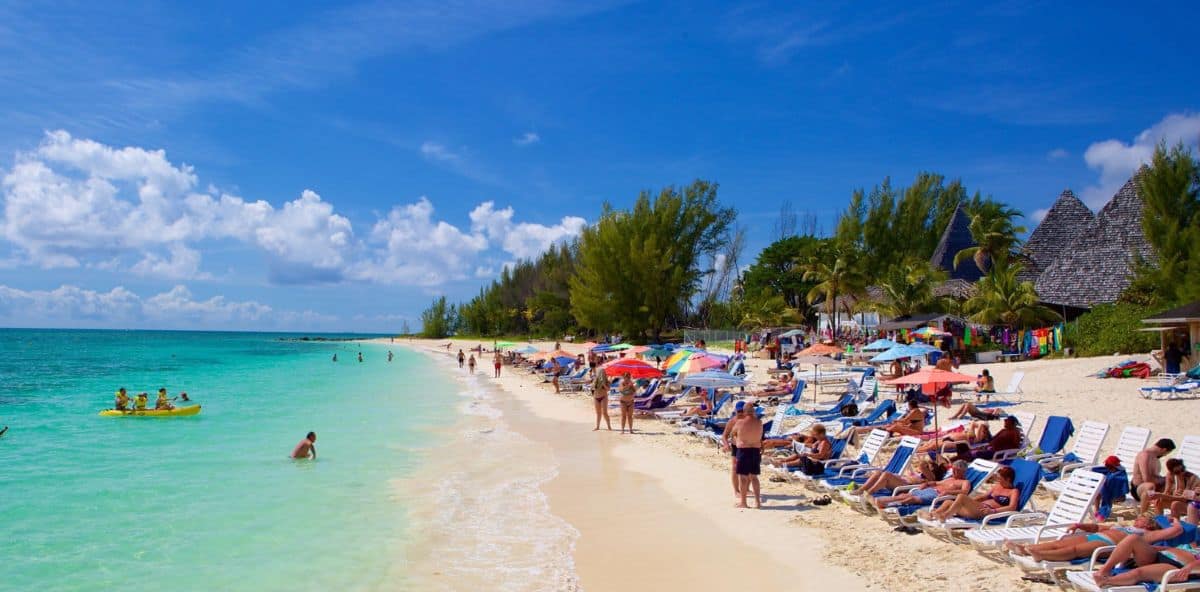
Image Credit bahamas.com
Stepping onto Bay Street to witness Junkanoo sounds percussive heartbeats that resonate through your bones. It ignites the soul and makes you part of the history of paper and brass. 2025 saw 12.5 million people respond to the beat of the drum of Junkanoo and made traveling to the Bahamas worth it. Beyond the photo ideal beaches that border turquoise and tourquoise waters is a culture that inspired people to come from all corners of the globe and experience it for themselves. Junkanoo has the ability to brighten and energise Nassau, and gives lazy coastal drives along Grand Bahamas and Eleuthera and the spirit of Andros the ability to calm and relax. This was the first time on record that the Bahamas recorded the most International Arrivals. Junkanoo has creative spirit and energy to inspire people to experience the beautiful sun and sand the Bahamas has to offer.
Advertisement
Advertisement
Why Is Junkanoo on Bay Street in Nassau the Ultimate Cultural Magnet for International Travellers?
The legendary Junkanoo celebration held on historic Bay Street in Nassau, New Providence, serves as the undeniable cultural heartbeat of the country during Boxing Day and New Year’s Day. Global spectators flock to the capital to experience the hypnotic rhythm of Goombay drums, ringing cowbells, brass fanfares, and stunningly intricate papier-mâché costumes.
Advertisement
Advertisement
To maximize the economic impact of this living heritage, seasonal events like the Junkanoo Summer Festival now take place across Grand Bahama, Abaco, and the Family Islands. This strategic expansion decentralizes tourism revenue away from major resort enclaves, directly benefiting local musicians, straw market artisans, and street food vendors.
How Do Out Island Heritage Festivals Drive Regional Economic Growth in Eleuthera and Andros?
Advertisement
Advertisement
Native agricultural and culinary gatherings convert island-specific traditions into major economic catalysts for rural Bahamian communities. Signature events such as the All Andros Crab Fest in Fresh Creek, Andros, and the Eleuthera Pineapple Festival in Gregory Town bring travellers directly into the heart of authentic island life.
Festival-led tourism propelled Eleuthera to an extraordinary annual visitor growth rate of nearly 30%. Concurrently, Grand Bahama recorded over 1.1 million arrivals its highest volume in 22 years while Abaco welcomed nearly 520,000 visitors, proving that regional heritage events are indispensable to sustaining Out Island economies.
Advertisement
Advertisement
What Impact Does Maritime Heritage Have on Local Island Communities in George Town, Exuma?
Native sloop sailing, officially designated as the national sport of The Bahamas, remains a premier attraction for yachting enthusiasts and cultural travellers alike. Premier maritime gatherings like the National Family Island Regatta in George Town, Exuma, generate maximum seasonal hotel occupancy while preserving historic wooden boat building and racing traditions.
These regattas ensure direct economic inclusion by funneling travel expenditures into family-owned inns, independent boat charter captains, and local seafood shacks. Complemented by traditional Rake ‘n’ Scrape music festivals featuring saws, accordions, and drums, maritime events safeguard ancestral heritage while securing steady livelihoods for local performing artists.
How Is International Market Diversification and Airline Expansion Stabilizing High-Yield Air Stopover Volume across The Bahamas?
Advertisement
Advertisement
The Bahamas attracted approximately 1.7 million foreign air stopover visitors in 2025, demonstrating remarkable resilience despite broader global aviation disruptions. The United States remained the primary source market, generating 80% to 85% of total stopover arrivals. However, direct long-haul airlift expansion proved vital for insulating national performance from single-market fluctuations. Canada emerged as a leading growth engine, capturing an 8% to 10% market share as stopover volume surpassed 2019 pre-pandemic levels due to enhanced flight schedules from Air Canada and WestJet. Meanwhile, European and UK routes accounted for 4% to 6%, while Latin American and CARICOM hubs generated 2% to 3% of incoming traffic.
Airline partnerships played a vital role in increasing geographic dispersion beyond primary urban gateways. Direct flight routes connected international hubs directly to regional Out Island airports, reducing total transit friction for premium travellers. Expanded seat availability into Freeport and family island airstrips generated sustained late-year momentum, driving high-yield air stopover guests directly into boutique resorts, dining establishments, and local excursion operations.
How Does Tourism Revenue Fund Micro-Businesses and Local Artisans across Out Island Communities?
The surge in visitor volume delivered direct microeconomic benefits to independent entrepreneurs across the archipelago. Nearly 30% of total stopover visitors bypassed traditional resort hubs to explore the Out Islands, funneling tourist spending into communities like Cat Island, San Salvador, Long Island, and Inagua. Independent taxi drivers, licensed tour guides, native straw market vendors, and private boat charter captains experienced direct earnings growth linked to increased daily passenger throughput.
The rapid expansion of short-term vacation rentals transformed local residential economies into active tourism drivers. Airbnb and VRBO properties experienced double-digit demand growth along high-traffic cultural and festival corridors, allowing native homeowners to capture premium lodging rates. This shift decentralized capital flow, ensuring micro-enterprises and family-run guesthouses retained direct financial yield from total visitor arrivals.
How Are Modern Port Infrastructure Upgrades Unlocking Record Maritime Cruise Capacity in Nassau and Private Destination Hubs?
Advertisement
Advertisement
Maritime cruise travel served as the primary growth vehicle for national tourism, accounting for 86.5% of overall visitor arrivals with 10.6 million sea passengers. A 14% year-over-year surge in cruise traffic was anchored by major waterfront modernization projects. In Nassau on New Providence island, upgraded multi-ship berthing facilities enabled the main port to accommodate up to 30,000 cruise passengers per day, vastly increasing daily visitor volume.
Beyond the main capital port, private island developments expanded total passenger throughput across the archipelago. High-capacity docking infrastructure in Bimini, CocoCay in the Berry Islands, and Castaway Cay enabled leading cruise lines to scale up their sailing frequencies. These dedicated private facilities balanced high-density ship dockings with controlled shore excursions, preserving baseline operational efficiency across secondary island ports.
What Strategic Factors Drove Grand Bahama’s Historical Tourism Comeback and Industrial Recovery?
Grand Bahama achieved a historical economic milestone by welcoming 1.1 million total visitors in 2025, marking the first time the island crossed the one-million mark in over 22 years. This resurgence was driven by a 20% year-over-year increase in air arrivals, which surpassed pre-pandemic 2019 air volumes by more than 30%. The surge reflected renewed airline confidence and expanded international flight schedules directly into Freeport.
The rapid rebound in air arrivals provided immediate financial relief to local hotels, short-term rental operators, and commercial service providers. Expanded airline seat capacity was paired with targeted eco-tour investments and resort reopenings, positioning Grand Bahama as a fast-growing regional hub for both stopover vacationers and sea transit passengers.
How Is Sustainable Coastal Eco-Tourism Balancing Rapid Passenger Growth with Delicate Marine Ecosystem Protections?
Advertisement
Advertisement
Managing record visitor traffic required strict marine conservation policies to safeguard vulnerable coastal environments. The national Marine Protected Area (MPA) network expanded protection over vital coral reefs, mangrove nurseries, and deep blue holes across Andros and Exuma. These ecological protections ensured that high-density cruise and air arrivals did not compromise the pristine marine ecosystems that anchor national tourism appeal.
The marine eco-tourism sector contributed over $100 million annually to the local service economy through guided scuba diving, shark encounters, and regulated boat charters. Government-mandated environmental conservation surcharges levied on incoming visitors generated dedicated funding for national park management, biological monitoring, and reef restoration projects across regional island chains.
How Is Native Maritime Heritage and Regatta Competition Elevating National Sports Tourism?
Native sloop sailing, officially designated as the Official National Sport of The Bahamas, serves as a premier anchor for international sports tourism and heritage travel. The annual National Family Island Regatta in George Town, Exuma, draws hundreds of traditional hand-built sloops and thousands of high-spending maritime spectators. The event drives peak seasonal occupancy across regional island accommodations while celebrating indigenous boatbuilding traditions.
The yachting and deep-water marina sector continues to deliver high per-visitor economic yields across the Exuma Cays. High-end vessel charters, sport fishing tournaments, and international sailing regattas generate substantial service revenues for local marine mechanics, fuel dock operators, and native vessel captains, establishing sports tourism as a highly lucrative economic driver.
How Does Agricultural and Culinary Integration Reduce Food Imports while Supporting Local Cultural Festivals?
Advertisement
Advertisement
Integrating culinary tourism with native agricultural production remains a central strategy for retaining visitor expenditure within the domestic economy. Iconic regional events, such as the All Andros Crab Fest in Andros, attract over 10,000 domestic and international visitors annually, generating direct revenue for local harvesters, vendors, and hospitality operators. Similarly, the Eleuthera Pineapple Festival in Gregory Town supports native farming while driving a nearly 30% annual surge in local tourist arrivals.
National culinary initiatives aim to source up to 20% of hospitality produce from local Bahamian farmers and fisheries. By linking commercial resort supply chains directly with native agricultural production, the country reduces reliance on costly food imports while delivering authentic farm-to-table dining experiences for international travellers.
What Impact Does Record Tourism Expansion Have on National GDP Growth and Employment Metrics?
The overarching performance of the tourism sector sustained overall national real GDP growth at approximately 3.0% for 2025. Total visitor arrivals exceeding 2019 pre-pandemic benchmarks by over 70% reaffirmed the sector’s role as the primary engine of macroeconomic stability. Expanded cruise capacity and stopover volume generated robust tax revenues, funding essential public infrastructure and regional port improvements.
Direct tourism activity accounts for roughly 50% of total national employment across the archipelago. Job creation expanded across hotel management, maritime transport, food services, and retail markets, ensuring that strong top-line arrival figures translated into sustained employment opportunities for local Bahamian families.
The Final Verdict
Advertisement
Advertisement
You cannot consider the Bahamas as a place you visit once. When you take the time to slow down you’ll see how calm everything is. You will think of them when they have 12.5 million visitors in 2025, as this is a case study of what happens when a country invites the world to see them. The Bay Street awakens the spirit as you row through Exuma’s blue waters and enjoy an Out Island meal. It has nothing to do with Culture or the spirit of islands, it’s about the family businesses and coastal communities keeping the spirit. They help travelers turn into residents. Each spirit of the Bahamas that is preserved will have an empty seat waiting for each traveler in the world.
Frequently Asked Questions
What was the official total tourist arrival figure for The Bahamas in 2025?
The Bahamas welcomed an unprecedented 12.5 million visitors in 2025, marking an 11.4% increase over 2024 records according to the Bahamas Ministry of Tourism, Investments & Aviation.
Which segment generated the highest volume of visitors to The Bahamas?
Sea and cruise arrivals dominated overall volume, accounting for 86.5% of total visitors with over 10.6 million cruise passengers visiting ports in Nassau, Bimini, and the Berry Islands.
Advertisement
Advertisement
How did individual islands perform during the 2025 record year?
Grand Bahama surpassed 1.1 million arrivals for the first time in 22 years, Abaco reached a record 520,000 visitors, and Eleuthera grew by nearly 30%.
How does festival tourism impact the local Bahamian economy?
Cultural festivals like Junkanoo and regional events like the All Andros Crab Fest decentralize tourism spending, routing revenues directly to local vendors, musicians, straw markets, and boutique lodging owners.
Advertisement
