 Somudranil Sarkar Somudranil Sarkar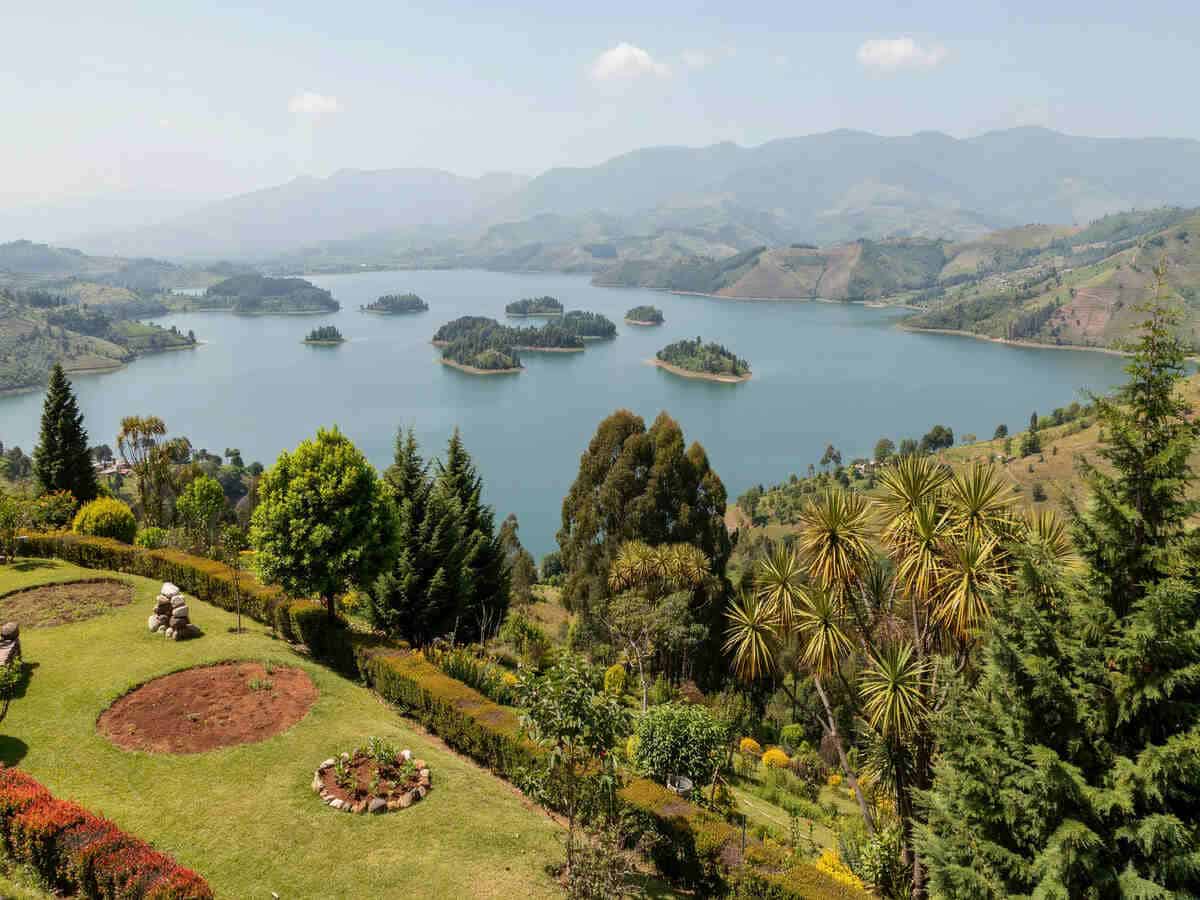
Image generated with Ai
Uganda integrates its flourishing coffee sector with its tourism to develop its agricultural sector. With recent export earnings of $2.3 billion, Uganda aims to provide the East African coffee tourism trail 2026, with opportunities for experiential travel. The Ugandan government hopes to take advantage of the coffee boom and implement changes to diversify its tourism. The integration of coffee farm tours will also draw people to nearby wildlife tours, which will in turn add length to tourist stays as well as enhance the local economy. Improvement of the coffee and tourist sectors simultaneously will place the country in a positive spotlight to show that it is a top competitive ecotourism country.
For decades, Uganda has maintained a formidable reputation as a global powerhouse in agricultural cultivation. Introduced to commercial farming in the early twentieth century, the crop quickly became the economic backbone of the nation. Robusta, indigenous to the Lake Victoria basin, provided the historical foundation for the country’s export dominance. However, as global palates grew increasingly sophisticated, the cultivation of high-altitude Arabica around the volcanic soils of Mount Elgon and the Rwenzori Mountains expanded significantly. Throughout this evolution, the harvest remained strictly an export commodity. Millions of bags of green beans were shipped to international roasters annually, leaving the immense potential of origin-based experiential travel entirely untapped.
Advertisement
The historical framework set by the government primarily focused on production volume, disease management, and quality control, ensuring that the country met the rigorous demands of European and American markets. Fast forward to the present day, and the narrative is shifting dramatically. Policymakers and private sector investors alike have recognised that the journey of a single bean is a compelling story—one that global travellers are eager to experience firsthand. This realisation has birthed a new era where rich agricultural heritage is seamlessly blended with the hospitality sector, setting the stage for an unprecedented economic transformation across East Africa.
The transition from relying solely on raw agricultural exports to developing a robust experiential tourism sector represents a paradigm shift in Uganda’s economic strategy. Historically, smallholder farmers, who account for nearly 90% of the country’s production, operated at the very bottom of the value chain. They harvested the cherries, processed them minimally, and sold them to intermediaries. Today, the concept of a dedicated agritourism trail aims to disrupt this traditional model by bringing the international consumer directly to the source.
Advertisement
Experiential travel has surged in popularity globally, with modern tourists seeking authentic, immersive cultural encounters rather than generic, pre-packaged holidays. By opening their farms to international visitors, Ugandan farmers can diversify their income streams, charging for guided tours, traditional brewing demonstrations, and direct sales of freshly roasted beans. This strategic shift is strongly supported by the Uganda Tourism Board (UTB) and the Ministry of Tourism, Wildlife and Antiquities. Official policy frameworks are now intentionally linking the multibillion-dollar export industry with the nation’s ambitious tourism targets. The strategy goes beyond mere sightseeing; it aims to educate visitors on the intricate, labour-intensive processes required to produce a premium cup, thereby fostering a deeper appreciation for the commodity and justifying premium prices for origin-roasted products.
As of August 2026, the Ugandan agricultural sector is experiencing an unprecedented boom, driven by both high global market prices and targeted governmental interventions. Recent data released by official government sources indicates that between June 2025 and May 2026, Uganda exported a staggering 8.6 million 60-kilogram bags. This marks a substantial increase from the 7.4 million bags exported during the previous twelve-month cycle. More importantly, this volume translated into approximately US$2.3 billion in export earnings, solidifying Uganda’s undisputed position as East Africa’s volume leader and a critical player on the global stage.
This financial windfall has provided the government with the necessary fiscal space to invest heavily in structural reforms and infrastructure development. The latest official developments highlight a concerted effort to leverage these massive earnings to build a sustainable, resilient rural economy. A significant portion of the strategic focus is now directed towards enhancing the tourism infrastructure around major producing regions. By upgrading rural roads, providing capacity-building grants for farm-based eco-lodges, and launching international marketing campaigns, the government is ensuring that the recent financial success of the export sector catalyses parallel growth across the broader tourism and hospitality industries.
The remarkable US$2.3 billion in export earnings recorded by mid-2026 is a direct testament to the robust global demand for Ugandan produce and the tight supply constraints experienced in other major producing nations. The European Union remains Uganda’s dominant trading partner, absorbing approximately 73% of the country’s total exports. However, a strategic push to diversify export destinations has yielded significant results, with emerging markets such as Morocco and China now accounting for 6% and 4% of exports, respectively, alongside the United States at 6%.
The high-price environment, which saw export prices peak at US$4.64 per kilogram in the 2024/25 market year before stabilising around US$4.51 in 2025/26, has provided a massive injection of capital into the rural economy. This influx of wealth has enabled smallholder farmers to invest in better agricultural inputs, improve post-harvest handling facilities, and, crucially, develop the necessary infrastructure to host international tourists safely and comfortably. The sustained global demand for both Robusta and Arabica varieties ensures that the foundation of the rural tourism trail remains economically viable for the foreseeable future. As international consumers become more invested in origins, the demand for transparent, traceable, and ethically sourced products has skyrocketed.
In a decisive move to institutionalise the synergy between agriculture and travel, the Ugandan government has explicitly anchored agritourism within its broader economic ambitions through the Fourth National Development Plan (NDPIV). This comprehensive national policy document outlines the strategic priorities for the country’s medium-term development, placing a strong, uncompromising emphasis on agro-industrialisation and value addition. NDPIV explicitly identifies the tourism sector as a critical engine for rural job creation and foreign exchange generation.
By officially linking the US$2.3 billion export industry with the tourism sector, the government has set an ambitious target to grow national tourism revenue from the current baseline of approximately US$1.45 billion to a staggering US$5 billion by the 2028/29 fiscal year. To achieve this, NDPIV mandates the development of integrated regional tourism circuits that combine traditional wildlife safaris with deep cultural and agricultural experiences. The government has committed to providing targeted structural support for capacity building, ensuring that local farmers and tour operators possess the requisite hospitality skills to deliver world-class services.
Complementing the NDPIV is the government’s ambitious Tenfold Growth Strategy, a visionary framework designed to exponentially scale the nation’s economic output in key sectors. Aligned with the overarching goals of Uganda Vision 2040, this strategy seeks to transform Ugandan society from a predominantly peasant economy to a modern, prosperous, and highly industrialised country. Within the context of the agricultural industry, this strategy moves beyond the previous volume-centric targets and focuses intensely on value addition and experiential monetisation.
The strategy mandates a gradual but definitive shift away from the historical reliance on unprocessed green bean exports. Instead, it strongly incentivises domestic roasting, soluble processing production, and, most importantly, the commercialisation of the cultivation experience itself. By treating the rural farm not just as a site of physical production but as a primary, high-value tourist destination, the Tenfold Growth Strategy aims to capture a significantly larger share of the global value chain. This holistic approach ensures that the wealth generated by the industry is retained within the country, fostering the development of rural infrastructure and creating high-quality employment opportunities.
The regulatory landscape governing Uganda’s primary export sector has undergone a profound transformation with the recent passage of the National Coffee Amendment Bill. In a sweeping move aimed at streamlining government operations, enhancing efficiency, and reducing administrative redundancies, the Uganda Coffee Development Authority (UCDA)—the statutory body that historically oversaw the industry and spearheaded the previous strategic plan—has been formally folded into the Ministry of Agriculture, Animal Industry and Fisheries (MAAIF).
This consolidation transfers all critical responsibilities related to sector regulation, quality control, extension services, and international export promotion directly to the Ministry. While the restructuring has elicited mixed early feedback from industry stakeholders who deeply valued the UCDA’s specialised, independent focus, government officials argue that the integration will ultimately facilitate a more cohesive approach to national agro-industrialisation. By housing the sector entirely within MAAIF, policymakers aim to improve coordination between agricultural production and broader rural development initiatives, including the active promotion of agro-tourism.
The eastern slopes of Mount Elgon, particularly around the breathtaking scenery of Sipi Falls, represent the undisputed crown jewel of Uganda’s experiential tourism trail. This region is globally celebrated for producing exceptionally high-quality Arabica, cultivated in the incredibly fertile, volcanic soils at altitudes ranging from 1,500 to 2,200 metres above sea level. The Eastern Highlands offer a seamless, organic integration of adventure tourism and deep agricultural heritage.
Visitors are expertly guided by local smallholder farmers through the entire, fascinating lifecycle of the plant. The immersive experience begins in the lush nursery beds, where delicate seedlings are nurtured, before moving to the steep, terraced hillsides to witness the meticulous hand-harvesting of ripe, crimson cherries. Because the Sipi Falls area already attracts substantial numbers of international hikers and adventure seekers drawn to the dramatic cascading waterfalls and abseiling opportunities, the farm tours serve as a natural, complementary attraction. This synergy extends visitor stays by several days and significantly increases local per-capita spending, providing a massive boost to the regional highland economy.
In southwestern Uganda, the rural tourism narrative takes on a profound and globally significant conservation dimension. This region, situated adjacent to the world-renowned Bwindi Impenetrable National Park, has ingeniously paired hillside farming with critical mountain gorilla conservation. Tourists visiting the area for the physically demanding, often exhausting gorilla trekking safaris are increasingly incorporating farm tours into their itineraries as a gentler, restorative, and highly educational activity for their scheduled rest days.
Local farmers, cultivating small plots on the misty hillsides bordering the national park, offer an intimate look at how agricultural practices intersect directly with vital conservation efforts. A standout success story is the Kanyonyi blend, named in honour of a legendary silverback from Bwindi’s famous Mubare gorilla family. Initiatives like the Gorilla Conservation Café, which operates a flagship outlet in Entebbe, directly link the purchase of premium produce with vital funding for wildlife protection. By engaging in these tours, visitors learn how sustainable farming provides a viable, lucrative alternative livelihood for communities bordering the park, thereby dramatically reducing the financial incentives for illegal poaching and logging.
Beyond the established, famous circuits of Mount Elgon and Bwindi, entirely new hubs are rapidly emerging, deliberately diversifying the geographical spread of the economic benefits. The foothills of the Rwenzori Mountains—often referred to as the legendary Mountains of the Moon—are currently witnessing a massive surge in farm-based eco-lodges. Here, fully operational, working estates are actively converting sections of their properties into boutique hospitality venues, offering tourists an unparalleled chance to wake up to panoramic views of snow-capped equatorial peaks and endless terraced hillsides.
Meanwhile, in the Ntungamo District, a highly ambitious, well-funded project is currently under rapid development: Inspire Africa Coffee’s Africa Coffee Park. Envisioned as a massive, integrated industrial and hospitality hub, this state-of-the-art facility will feature a luxury resort, comprehensive educational facilities, and highly interactive roasting experiences. Scheduled to launch a flagship international festival in 2027, the Africa Coffee Park represents a massive leap forward in the professionalisation and commercialisation of the sector. These emerging hubs perfectly demonstrate the high scalability of the tourism model, attracting substantial private sector investment.
The defining characteristic of Uganda’s rural tourism trail is its unwavering, authentic commitment to participatory engagement. Unlike sterile, highly commercialised factory tours found elsewhere in the world, the Ugandan experience is deeply and genuinely rooted in the daily lives of the farmers. The typical visitor itinerary is meticulously structured to educate, inspire, and physically involve the tourist. It commences at the foundational level: the nursery bed. Here, expert local guides explain the complex agronomic science of cultivating resilient seedlings and the extraordinary patience required during the multi-year maturation period before a tree yields its first meaningful harvest.
During the primary harvest season, tourists are enthusiastically invited to strap on woven baskets and participate directly in the highly selective hand-picking of perfectly ripe cherries—a process that underscores the intensely labour-intensive nature of specialty agriculture. The post-harvest processing is equally interactive and transparent. Guests closely observe the meticulous hand-sorting, the mechanical or manual pulping to carefully remove the fruity mucilage, the strictly controlled fermentation processes, and the critical, slow-drying phase on elevated mesh beds under the equatorial sun. The journey reaches its emotional and sensory climax when visitors manually roast the dried green beans over a traditional open hearth, grind them using simple wooden mortars, and savour a brew they have personally helped create.
The highly optimistic outlook for Uganda’s integrated tourism sector is solidly underpinned by exceptionally strong agricultural statistics and robust production forecasts. According to official reports from the USDA Foreign Agricultural Service, validated and supported by Ugandan authorities in mid-2026, the country’s green production is projected to rise by 0.9% to reach an impressive 7.16 million 60-kilogram bags in the upcoming 2026/27 market year. This steady, sustainable growth builds upon the 7.095 million bags estimated for 2025/26 and the 6.7 million bags recorded in 2024/25.
Robusta continues to absolutely dominate the national volume, definitively forecast at 6.025 million bags, while the highly prized Arabica—which remains central to the premium experiential tourism market—is projected at a solid 1.135 million bags. The total planted area across the country is expanding gradually and deliberately, rising to 595,000 hectares, driven in part by a highly strategic shift from traditional timber production to more lucrative crop cultivation in regions like Masaka. These incredibly robust statistics provide a highly stable, growing foundation upon which the hospitality industry can confidently build long-term, capital-intensive rural infrastructure.
A critical cornerstone of the government’s long-term macroeconomic strategy is the deliberate, carefully managed transition away from the bulk exportation of raw, green beans towards the active promotion of highly profitable value-added products. While Uganda currently still exports more than 98% of its yield in a completely unprocessed state, official policy frameworks now mandate a definitive paradigm shift. The government has clearly signalled that this complex transition will be phased and highly strategic, actively avoiding abrupt export bans in favour of heavily incentivising domestic processing capacity.
The rapid development of the experiential tourism trail plays an absolutely vital role in achieving this policy objective. By exposing affluent international tourists directly to high-quality, locally roasted Ugandan blends, the sector is effectively building a highly loyal global consumer base that demands the finished, packaged product rather than just the raw, anonymous ingredient. Tourism acts as an incredibly powerful, low-cost international marketing tool; visitors who purchase roasted beans directly from the farm or local village cooperatives invariably return to their home countries as passionate brand ambassadors.
The unprecedented convergence of heavy agriculture and luxury hospitality is fundamentally reshaping the operational dynamics of both industries in Uganda. For the traditional agricultural sector, the sudden influx of foreign tourist dollars provides immediate, unencumbered cash flow that is entirely immune to the notoriously volatile price fluctuations of the global commodities market. This newfound financial stability allows smallholder farmers to invest heavily in sustainable agronomic practices, purchase high-quality organic fertilisers, and significantly upgrade their processing equipment, thereby drastically improving the overall yield and cupping score of their crops.
For the national hospitality sector, agritourism offers a highly marketable, culturally rich, and incredibly unique product that sharply differentiates Uganda from its fierce regional competitors. National tour operators are rapidly updating their portfolios, intelligently packaging farm tours with traditional, high-demand offerings like game drives in Kidepo Valley National Park or white-water rafting on the Nile in Jinja. The surging demand for comfortable accommodation near rural estates has spurred a highly lucrative micro-boom in rural construction, with forward-thinking architects and developers focusing intently on using eco-friendly, locally sourced materials to build stunning boutique lodges.
The most profound, life-changing impact of this integrated tourism initiative is felt directly at the grassroots level, specifically among the estimated 1.7 million rural households that rely entirely on cultivation for their daily livelihoods. Historically vulnerable to highly exploitative middlemen and fluctuating, unpredictable international market prices, smallholder farmers are now discovering an unprecedented level of economic empowerment. Experiential tourism introduces a highly lucrative direct-to-consumer sales channel, allowing farmers to entirely bypass traditional intermediaries and retain 100% of the retail price of their roasted beans, alongside lucrative tour and demonstration fees.
This dramatic, sudden increase in baseline household income has immediate, highly tangible benefits for rural communities across the nation. It directly facilitates better, more consistent access to primary education, significantly improves local healthcare outcomes, and helps fund vital community infrastructure projects. Furthermore, the burgeoning tourism sector creates highly diverse, skilled employment opportunities that extend far beyond manual farm labour. Young people in deeply rural areas are increasingly finding lucrative, respectable careers as bilingual tour guides, certified specialty baristas, hospitality managers, and digital marketers.
Despite the immense, undeniable potential and exciting early successes, the ongoing development of a truly world-class, globally competitive tourism trail is not without significant, complex challenges and severe execution risks. Leading industry analysts continually point to severe rural infrastructure deficits as the primary bottleneck threatening growth. Many of the most picturesque, culturally rich, and highly productive farms are located in incredibly remote, mountainous regions that are accessible only via poorly maintained, rutted dirt roads that frequently become entirely impassable during the heavy rainy seasons.
Ensuring safe, reliable, year-round access for luxury international tourists requires massive, sustained governmental investment in rural road networks. Additionally, smallholder farmers often face severe, crippling cash-flow constraints, lacking the substantial upfront capital required to build modern, hygienic ablution facilities, construct comfortable tasting rooms, or meet the incredibly rigorous health and safety standards expected by affluent international travellers. Climate change also poses a massive, existential threat; highly unpredictable rainfall patterns, prolonged devastating droughts, and the rapid proliferation of pests such as the berry borer and leaf rust can devastate annual harvests and entirely disrupt the carefully planned tourist experience.
The successful, sustainable rollout of this massive national initiative requires a highly coordinated, deeply multi-sectoral approach that perfectly aligns the diverse interests of various public and private stakeholders. The general public impact is overwhelmingly positive, as the high-profile initiative heavily fosters a renewed, passionate sense of national pride in Uganda’s rich agricultural heritage. Domestically, there is a rapidly burgeoning, highly fashionable café culture in major urban centres like Kampala and Entebbe, driven by a growing, affluent middle class that is increasingly consuming its own premium domestic blends rather than relying on expensive imported brands.
From a strict business perspective, the initiative presents incredibly lucrative opportunities for foreign direct investment, particularly in the highly profitable realms of eco-lodge development, sustainable regional transport solutions, and advanced digital booking platforms. The Ministry of Tourism, Wildlife and Antiquities is actively working around the clock to aggressively streamline cumbersome licensing processes and offer highly attractive tax incentives to businesses that commit to investing in rural tourism infrastructure. By heavily fostering public-private partnerships, the government aims to create a highly resilient, globally scalable ecosystem where the immense financial benefits of tourism are distributed highly equitably across all levels of society.
At the very core of Uganda’s ambitious strategy is a completely uncompromising commitment to deep environmental sustainability and strict ecological preservation. The modern global demographic of experiential travellers is acutely aware of the devastating impacts of climate change and actively seeks out international destinations that definitively demonstrate responsible, ethical stewardship of natural resources. Ugandan farmers are increasingly, enthusiastically adopting Good Agricultural Practices (GAP), such as extensive shade-growing, strategic intercropping with bananas and vanilla, and utilising highly effective organic composting methods that completely eschew harsh synthetic fertilisers.
These traditional, sustainable practices not only significantly enhance the complex flavour profile of the final product but also beautifully preserve local biodiversity, prevent devastating soil erosion on steep hillsides, and fiercely protect vital national watersheds. Tourism operators are equally, fiercely committed to core eco-friendly principles, actively implementing advanced solar power systems, extensive rainwater harvesting infrastructure, and strict zero-waste policies at their remote farm-based lodges. By completely transparently showcasing these deeply sustainable practices to the world, Uganda is rapidly positioning itself as a strong moral leader in the global agricultural industry, effortlessly attracting high-end, affluent tourists who are more than willing to pay a premium.
The massive, strategic national pivot towards integrated experiential tourism is heavily, publicly endorsed by leading government figures and highly respected international industry experts. Official, legally binding policy statements from the Ministry of Tourism, Wildlife and Antiquities highlight that the vital sector is currently underfunded relative to its immense, undeniable potential as a primary, foundational economic driver. The Alternative Ministerial Policy Statement for FY 2025/26 emphatically, urgently calls for significantly increased governmental budgetary allocations to drastically improve international marketing, rapidly develop critical rural infrastructure, and heavily empower community-led tourism initiatives.
Meanwhile, senior agricultural officials operating within MAAIF continually emphasise that the deep integration of the tourism sector is absolutely critical for successfully achieving the nation’s ambitious value-addition targets. International observers, including highly respected representatives from the global specialty sector, have publicly, lavishly praised Uganda’s innovative approach. Analysts speaking at the highly publicised Uganda Coffee and Cocoa Expo 2026 firmly framed these origin-based experiences as the absolute most effective mechanism for heavily insulating vulnerable smallholder farmers from devastating global price volatility.
Looking ahead to the end of the current decade, Uganda is exceptionally, uniquely well-positioned to completely dominate the broader East African experiential tourism landscape. While neighbouring countries heavily boast their own rich agricultural histories, Uganda’s massive, undeniable competitive advantage lies directly in its unique ability to offer a seamlessly integrated, highly diverse, and incredibly thrilling tourism product. The unparalleled, breathtaking opportunity to track wild mountain gorillas in the misty morning and manually roast premium beans with welcoming local farmers in the warm afternoon is a magical experience that simply cannot be replicated anywhere else in the world.
As the government diligently, tirelessly continues to execute the ambitious Fourth National Development Plan and the overarching Tenfold Growth Strategy, the vital physical infrastructure supporting these remote rural circuits will mature significantly, successfully alleviating current logistical bottlenecks. The highly anticipated planned launch of the Africa Coffee Park and its associated massive international festival in 2027 will serve as a incredibly powerful catalyst, drawing massive global media attention and firmly cementing the country’s status as a premier, unmissable global destination. Uganda is not merely cultivating a crop; it is expertly curating a world-class, unforgettable experience.
Advertisement
Tags: East Africa Travel 2026, eco-tourism Africa, Sustainable Agriculture, Travel News, UCDA Export Statistics
Advertisement
Advertisement













Saturday, September 5, 2026

Friday, September 4, 2026
Saturday, September 5, 2026

Friday, September 4, 2026

Thursday, September 3, 2026

Wednesday, September 2, 2026

Saturday, September 5, 2026