
Hurricane Trudy Batters Jalisco, Guerrero And Others in Mexico With Travel Disruptions Due to Flight Delays and Cancellations Overwhelming Airports at Guadalajara and Puerto Vallarta

Published
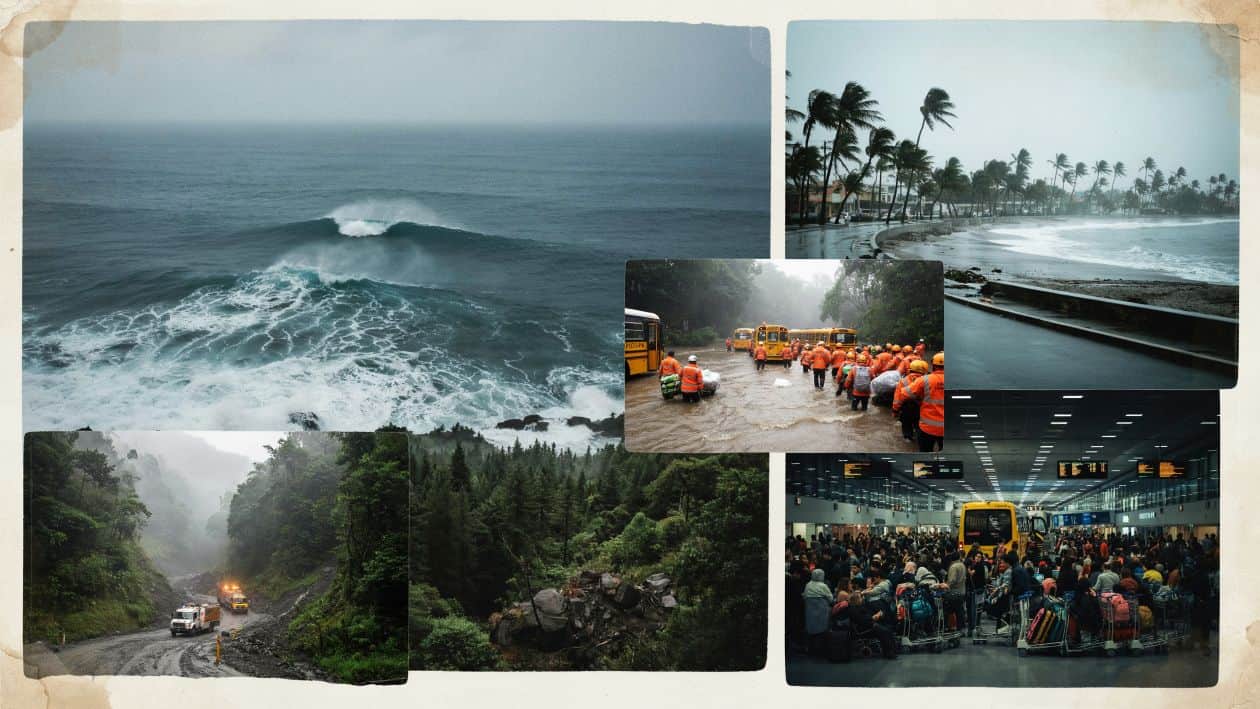
Hurricane Trudy Mexico travel disruptions are severely impacting the southwestern and west-central Pacific coast of Mexico today. Severe weather threatens resort destinations across Jalisco, Colima, Michoacán, and Guerrero, causing major flight cancellations and delays at Puerto Vallarta International Airport (PVR) and Guadalajara International Airport (GDL). The U.S. Embassy and British authorities urge travellers to avoid all coastal areas, as popular hubs face extreme sea swells, dangerous flash flooding, and severe transit delays.
Hurricane Warning Status
Hurricane Warning: An official meteorological mandate indicating that sustained winds exceeding 74 mph are expected within 36 hours.
The National Hurricane Center has issued severe tropical alerts. The Mexican National Meteorological Service echoes these catastrophic forecasts. A Hurricane Warning covers the coast from Cabo Corrientes northward to Punta San Telmo. A Tropical Storm Warning spans southward from Punta San Telmo down to Zihuatanejo.
The U.S. Embassy in Mexico City issued strict guidance. The Consulate General in Guadalajara also demands total civilian compliance. Authorities urge citizens to avoid all ocean activities. Deadly rogue waves and severe rip currents threaten the entire Pacific shoreline.
Advertisement
Advertisement
  HURRICANE TRUDY: PACIFIC COAST ALERT ZONES

  +-----------------------+----------------------------------+-----------------------+
  | REGION                | METEOROLOGICAL ALERT STATUS      | OPERATIONAL IMPACT    |
  +-----------------------+----------------------------------+-----------------------+
  | Cabo Corrientes (JAL) | Hurricane Warning                | Total Beach Closure   |
  | Punta San Telmo (MIC) | Hurricane Warning                | Port Suspensions      |
  | Zihuatanejo (GRO)     | Tropical Storm Warning           | Flight Delays         |
  | Manzanillo (COL)      | Coastal Evacuation Order         | Resort Closures       |
  +-----------------------+----------------------------------+-----------------------+
Flight Cancellations Mount
Aviation Disruption: The sudden cancellation or grounding of commercial flights due to severe atmospheric instability.
Transit in and out of affected states faces total operational collapse. Flight delays are overwhelming Guadalajara International Airport (GDL) today. Puerto Vallarta International Airport (PVR) has cancelled most scheduled arrivals.
Advertisement
Advertisement
The International Air Transport Association (IATA) monitors regional network failures. Flag-carrier operations desks report widespread aircraft rerouting across Mexico. The Federal Aviation Administration (FAA) is coordinating closely with Mexican civil aviation bodies. Travellers must verify their flight status before travelling to airport terminals.
Passenger Rights and Rerouting
International travellers must understand their statutory consumer protections during force majeure weather events. Standard compensation payouts for delayed flights are legally exempt under natural disaster clauses. However, airlines retain a strict legal duty of care for stranded passengers.
Carriers must provide emergency food vouchers and suitable hotel accommodations. Free rebooking on alternative routes remains a mandatory requirement.
| Passenger Protection Category | Statutory Airline Obligation | Recommended Traveller Action |
| Duty of Care | Provide lodging and meals. | Keep all itemised receipts. |
| Flight Rerouting | Rebook on next available service. | Contact airline desks online. |
| Delay Compensation | Exempt during natural disasters. | Claim through private insurance. |
Road and Port Closures
Port Suspension: A legal mandate halting all commercial passenger ferries, cargo operations, and cruise ship dockings.
Maritime traffic along the west-central coast is completely shut down. Cruise liners have altered routes away from Manzanillo and Puerto Vallarta. Torrential rainfall between 4 to 8 inches causes severe land hazards.
Steep mountainous terrains in Colima and Jalisco face major landslide threats. Ground transfers to coastal resorts are blocked or highly hazardous. The Ministry of Transport recommends avoiding all regional highway networks.
Advertisement
Advertisement
Mandatory Evacuation Orders
Evacuation Order: An enforceable government directive ordering residents and tourists to leave high-risk zones immediately.
Mexican authorities have enforced mandatory evacuations along vulnerable coastal strips. Barrier beaches in Jalisco and Colima are being cleared rapidly. Low-lying river valleys face catastrophic flooding as local waterways overflow. The Armería and Ameca rivers pose severe risks to surrounding infrastructure.
Emergency services are on high alert in the central highlands. Municipalities like Zapopan, Tlaquepaque, and Tonalá face landslip threats. Saturated soils increase the danger of structural collapses in hillside districts.
Tourism Attractions Impacted
During fair weather, Jalisco attracts millions of international visitors. According to official tourism bodies like VisitJalisco, key highlights include Puerto Vallarta’s iconic Malecón boardwalk. Visitors usually flock to the historic Guadalajara Cathedral or explore the UNESCO-listed agave fields in Tequila.
Hikers regularly explore the Volcán Nevado de Colima National Park. Currently, all these primary tourist landmarks are entirely closed. Tourism boards warn that accessing outdoor recreational areas is presently life-threatening.
                KEY REGIONAL TOURISM ATTRACTIONS: STATUS OVERVIEW

  [JALISCO]
   ├── Malecón Boardwalk (Puerto Vallarta) ----------> [CLOSED: High Waves]
   ├── Guadalajara Historic Centre -----------------> [RESTRICTED: Urban Flooding]
   └── Tequila Agave Landscape ---------------------> [SUSPENDED: Heavy Rain]

  [COLIMA]
   ├── Nevado de Colima National Park --------------> [CLOSED: Landslide Risk]
   └── Historic Comala Plaza -----------------------> [RESTRICTED: Evacuation Zone]

  [GUERRERO]
   ├── Playa La Ropa (Zihuatanejo) -----------------> [CLOSED: Tropical Storm]
   └── Acapulco Bay Waterfront ---------------------> [CLOSED: Severe Swells]
Cultural Treasures Suspended
Colima offers rich cultural experiences during standard operational periods. Official state tourism sources highlight the colonial architecture around Plaza Libertad in Colima City. Tourists usually visit the Magic Town of Comala or slide down the famous Piedra Lisa.
Advertisement
Advertisement
The state of Michoacán is famed for its rich indigenous heritage. Official guides promote the historic centre of Morelia and the colonial courtyards of Pátzcuaro. The world-renowned Monarch Butterfly Biosphere Reserve draws international ecotourists annually. All tourist transit through these coastal transit corridors remains severely disrupted today.
Beach Resorts Under Threat
The state of Guerrero features famous beach destinations. Official guidelines from VisitGuerrero highlight the sheltered waters of Zihuatanejo Bay. Popular spots include Playa La Ropa and the tranquil shores of Playa Las Gatas.
Further south, Acapulco’s iconic bay remains a historic pillar of Mexican tourism. Today, these golden beaches are completely deserted. High storm surges have submerged waterfront walkways. Tourist board officials urge holidaymakers to stay inside hotel buildings.
Immigration and Legal Protection
Foreign nationals stranded by severe weather face complex administrative challenges. British and European travellers worry about potential visa overstay penalties. Mexican immigration law provides protections for foreign citizens delayed by documented force majeure events.
The National Migration Institute (INM) allows temporary extensions during natural disasters. Stranded tourists must retain all cancelled flight tickets and official airline notices. These documents serve as formal proof when exiting the country later.
| Legal Consideration | Standard Regulation | Force Majeure Exemption |
| Tourist Visa Validity | Strictly 180 days maximum. | Extensions granted for storm delays. |
| Overstay Fines | Financial penalties apply. | Waived with cancelled flight proof. |
| Border Departure | Standard airport checks. | Manual documentation required. |
Hospitality Industry Bottlenecks
Emergency evacuations are creating severe shortages in inland accommodations. Hotels in Guadalajara and inland Colima are reaching maximum capacity. Coastal resort guests are being transferred to designated municipal shelters.
Advertisement
Advertisement
The World Travel and Tourism Council (WTTC) notes significant economic consequences. United Nations Tourism warns of long-term recovery challenges for coastal infrastructure. Hotel operators are prioritizing guest safety over standard commercial bookings.
Consular Assistance Services
Foreign embassies have activated emergency response desks for their citizens. The UK Foreign, Commonwealth & Development Office (FCDO) updated its travel advice. British nationals requiring urgent consular help can reach officials via standard diplomatic channels.
The U.S. Embassy provides direct phone helplines for travellers in Mexico. Emergency responders operate via the nationwide 911 network.
- Mexico Local Emergency Services: Dial 911
- U.S. Embassy (Calling within Mexico): Dial (55) 2579-2000
- U.S. Embassy (Calling from Overseas): Dial +1 (301) 985-8843
- Consular Affairs Helpline: Dial +1 202-501-4444
Preparing Emergency Go Bags
Civil protection agencies instruct all tourists in warning zones to prepare Go Bags. An emergency kit ensures self-sufficiency during power failures or sudden evacuations.
When a major hurricane approaches, evacuation orders can come with little notice. Having a pre-packed Emergency Evacuation Kit (often called a “Go Bag”) ensures you can leave immediately with everything required to keep your family safe for at least 3 to 7 days.
15 Essential Items for Your Hurricane Evacuation Kit Checklist
Based on official guidelines from FEMA and the American Red Cross, here is the ultimate hurricane evacuation kit checklist for travellers:
Advertisement
Advertisement
1. Water (1 Gallon Per Person, Per Day)
Water is your absolute top survival necessity. Pack at least a 3-day supply of bottled water for evacuations. Calculate 1 gallon per person per day to cover both drinking and basic sanitation needs.
2. Non-Perishable Food (3-Day Supply)
Stock easy-to-prepare, non-perishable foods that do not require refrigeration or cooking. Good options include canned meats, canned vegetables, protein bars, dried fruits, and peanut butter. Don’t forget a manual can opener.
3. First Aid Kit and Medical Supplies
Keep a fully equipped first aid kit that includes bandages, antiseptic wipes, burn ointment, gauze, and pain relievers. Be sure to add any specialised items like contact lenses, extra prescription glasses, or medical monitors.
4. Prescription Medications (7-Day Minimum)
Pharmacists and emergency officials recommend packing at least a 7-day supply of all daily prescription medications. Keep them in their original labelled bottles so medical professionals can verify dosages if needed.
5. Battery-Powered or Hand-Crank Weather Radio
Cell towers often go down during severe storms. A battery-powered or hand-crank NOAA Weather Radio keeps you updated on emergency warnings, evacuation routes, and official instructions from authorities.
6. Flashlights and Extra Batteries
Avoid using candles, as open flames present severe fire hazards during storms. Pack high-lumen LED flashlights or headlamps for every family member, along with plenty of fresh backup batteries.
Advertisement
Advertisement
7. Cell Phone with Portable Power Banks
Ensure all smartphones are fully charged prior to leaving. Pack durable charging cables, a solar-powered charger, or high-capacity external power banks to maintain communication lines.
8. Important Family Documents (In a Waterproof Bag)
Place critical physical documents inside a sealed, waterproof container or baggie. Include:
- Passports, birth certificates, and driver’s licenses.
- Home, health, and auto insurance policies.
- Bank account details and property deeds.
- A list of emergency contact numbers written on paper.
9. Cash in Small Denominations
During widespread power outages, credit card terminals and ATMs will not function. Carry a reasonable amount of physical cash, primarily in $1, $5, and $10 bills.
10. Sanitation and Personal Hygiene Supplies
To maintain basic hygiene in temporary shelters or during travel, include:
- Hand sanitiser and disinfectant wipes.
- Toothbrushes, toothpaste, and soap.
- Feminine hygiene products.
- Heavy-duty garbage bags and plastic ties for waste disposal.
11. Change of Clothing and Sturdy Shoes
Pack a complete change of clothes for each person, including long pants and a long-sleeved shirt for protection against debris. Include rain jackets and closed-toe sturdy shoes or boots.
12. Multi-Tool and Whistle
A Swiss Army knife or multi-tool equipped with pliers, wire cutters, and blades is invaluable for quick adjustments on the go. Include an emergency whistle to signal for help if you become trapped or separated.
Advertisement
Advertisement
13. Infant and Child Care Supplies
If you are evacuating with young children, pack formula, baby bottles, baby food, diapers, wipes, and comforting items like a favourite toy or colouring book to help reduce stress.
14. Pet Supplies
Pets are part of the family, but emergency shelters require you to bring your own supplies. Pack a collar with ID tags, a sturdy leash, a 3-day supply of pet food and water, collapsible bowls, medications, and a portable carrier.
15. Local Paper Maps
GPS navigation apps may fail if cell networks collapse or satellite services glitch. Keep physical, updated local maps in your kit to navigate around road closures and flooded highways safely.
3 Quick Packing Tips Before You Go
- Choose Portable Bags: Store all kit items in waterproof backpacks, duffle bags, or rolling suitcases so they are easy to lift into a vehicle.
- Check Expiration Dates: Inspect your evacuation kit every 6 months to replace expired food, water, or medications.
- Keep It Accessible: Store your evacuation kit near your home’s front entry, coat closet, or garage so you can grab it instantly if an order is issued.
Official Storm Tracking Tools
Following verified meteorological feeds is essential for survival. The U.S. National Hurricane Center publishes regular satellite updates. The Mexican National Meteorological Service provides real-time radar images.
Avoid relying on unverified social media rumours during natural disasters. Follow instructions from local civil protection officers immediately. Monitor official news channels for emergency evacuation announcements.
Final Travel Advisory Directives
Travellers planning visits to the Mexican Pacific coast should cancel non-essential trips. Avoid coastal resorts in Jalisco, Colima, Michoacán, and Guerrero. Stay indoors if you are currently situated within storm warning zones.
Advertisement
Advertisement
Contact tour operators to arrange trip amendments or formal cancellations. Respect all coastal barricades and local authority instructions.
Prioritising safety is essential during Hurricane Trudy Mexico travel disruptions.
Advertisement
