Angana Dutta Angana Dutta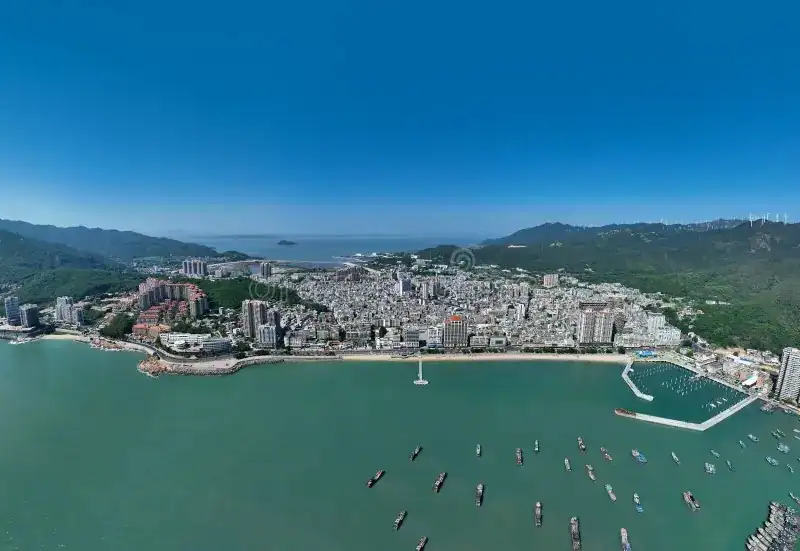
Ming-style marriage ceremonies and Nan’ao honeymoons. This is the latest trend for Romantic escapes among young newlyweds in China. 18 newlyweds from Shenzhen were the first to try this two-day seaside getaway beginning on 18 August 2026. The reported program offered couples a Ming-style marriage ceremony and registration in Shenzhen’s Nanshan District and an overnight honeymoon in Shantou City’s Nan’ao Island. Public agencies have a great opportunity here to combine China’s Coastal Tourism with various activities such as accommodation, dining, and photography, while also adding cultural celebrations to the coast. These agencies may attract visitors to an underserved island economy and satisfy an emerging tourist demand. In this case, it draws visitors from a larger economy (The Greater Bay Area) to a smaller one.
The new programme brought together 18 couples at a marriage registration centre in Shenzhen’s Nanshan District. The couples wore elegant clothing inspired by the Ming period and completed traditional ceremonial activities. They then received their marriage certificates before leaving Shenzhen for Nan’ao Island.
The journey did not take place entirely within Shenzhen. This geographical point is important. Nanshan is an urban district of Shenzhen, while Nan’ao Island is part of Nan’ao County in Shantou, another city in eastern Guangdong.
After completing the Shenzhen ceremony, the couples travelled across Guangdong for a two-day, one-night honeymoon experience. The programme therefore connected two very different destinations.
Advertisement
Shenzhen provided modern public services, metropolitan accessibility and the formal beginning of married life. Nan’ao Island provided coastal scenery, a slower pace and a romantic holiday environment.
This combination gives the programme a wider tourism meaning. It turns marriage registration into the starting point of a regional journey rather than the end of an administrative process.
Nan’ao Island possesses many of the natural features commonly associated with romantic coastal travel. Its appeal rests on sea views, beaches, coastal roads, fishing communities and open landscapes.
These features can support several parts of a honeymoon itinerary. Couples can watch the sunrise or sunset, take photographs beside the sea, explore coastal villages, sample seafood and stay overnight in island accommodation.
Advertisement
Advertisement
The destination also offers a strong contrast with Shenzhen. Shenzhen is fast, urban and highly connected. Nan’ao Island presents a quieter environment shaped by the coastline and maritime life. That contrast can make a short honeymoon feel more distinctive.
The island does not need to compete solely through luxury. Its strength lies in combining scenery, local character and accessible short-stay experiences.
For newlyweds, this can create a more personal journey. A couple can complete the formal ceremony in the city and then move directly into a relaxed coastal setting. That clear emotional progression makes the Nan’ao Island honeymoon destination angle especially suitable for experience-led tourism.
Destinations become easier to market when travellers can quickly understand why they should visit. Nan’ao Island already has a recognised coastal identity. The honeymoon programme adds an emotional reason for travel.
A beach alone may attract general visitors. A beach connected with a wedding, honeymoon or anniversary can attract travellers celebrating an important moment.
This distinction matters because life-event travel often involves several purchases. Couples may book accommodation, local transport, professional photography, private dining and organised sightseeing. Some may invite relatives or friends, creating additional demand.
Romantic positioning can also operate throughout the year. Honeymoons are not limited to one public holiday. Engagement trips, proposals, anniversaries and wedding photography can generate demand during different seasons.
The current programme involved a small group of 18 couples. It should not be treated as evidence of a large new market by itself. However, it demonstrates how Nan’ao Island’s existing tourism assets can be arranged around a clear theme.
That theme could make the island more visible within Guangdong’s competitive coastal tourism market.
The newlywed programme arrived against a strong tourism background. Nan’ao is not an unknown or untested destination.
An official Shantou government report published in June 2026 said Nan’ao County was receiving more than 10 million visitor trips annually. It also said the county had been recognised for its homestay and cultural-tourism potential.
The same report linked the island’s popularity with wider improvements in rural development, transport and tourism services. It described Nan’ao as an example of how environmental and cultural resources can create economic value.
This context is important. The honeymoon journey is not expected to build a tourism economy from the beginning. Instead, it adds a specialised market to an established destination.
A large visitor base means the island already has accommodation, food services, attractions and tourism businesses. The opportunity is to adapt parts of that supply to the needs of couples.
This could include quieter stays, coordinated photography locations, private meals and itineraries that avoid the busiest periods.
Nan’ao’s performance during the 2025 Spring Festival provides one official indicator of demand.
Shantou authorities reported that 637,400 visitor trips were made to Nan’ao Island during the holiday period. This was an increase of 5.6 per cent compared with the corresponding period one year earlier.
Tourism revenue reached CNY267 million. This represented year-on-year growth of 22.63 per cent. Revenue therefore grew much faster than visitor volume.
That difference suggests that value per visit, length of stay, visitor purchases or a combination of these factors improved during the period. The official release did not provide a complete breakdown, so the precise cause should not be assumed.
However, the figures show why overnight and experience-based tourism matters. A destination does not benefit only from attracting more people. It can also benefit when existing visitors stay longer and purchase a wider range of local services.
Honeymoon packages align with this objective. They naturally combine accommodation, meals, transport and activities, creating more opportunities for tourism spending than a brief sightseeing stop.
| Indicator | Period | Official result | Tourism relevance |
|---|---|---|---|
| Nan’ao visitor trips | 2025 Spring Festival | 637,400 | Demonstrates strong peak-period demand |
| Visitor growth | 2025 Spring Festival | 5.6% year on year | Shows continued destination growth |
| Tourism revenue | 2025 Spring Festival | CNY267 million | Confirms substantial visitor expenditure |
| Revenue growth | 2025 Spring Festival | 22.63% year on year | Revenue rose faster than arrivals |
| Annual Nan’ao visitors | Reported in June 2026 | More than 10 million trips | Establishes the island as a major destination |
| Coastal tourism road | By June 2026 | 128 kilometres under development | Supports scenic touring and regional access |
| Completed priority road section | By June 2026 | 33 kilometres | Expands the usable coastal visitor route |
| Nan’ao Island shoreline | Official asset report | 94.3 kilometres | Provides a broad base for coastal experiences |
Sources: Shantou municipal authorities and Shantou’s official public bodies. Figures refer to visitor trips rather than necessarily to unique individual travellers.
The official numbers show that Nan’ao already attracts heavy visitor flows. The next question is how the island can convert that traffic into higher-value and more evenly distributed tourism.
Romantic travel offers one possible route. Couples are more likely to require a carefully planned stay than casual day visitors. They may prioritise privacy, scenery and service quality over the number of attractions visited.
This changes the type of demand placed on the destination. Hotels and homestays may need to offer quieter rooms, advance booking support and reliable service. Restaurants may need reservation-based dining. Photographers may need permits or clear guidance for work at popular locations.
The programme also illustrates the value of connecting Nan’ao with a large source market. Shenzhen has a substantial population and strong transport links. It can provide couples who want a short domestic honeymoon without organising a long journey.
The island’s tourism performance makes such market development plausible. However, future growth should be measured using official data on overnight stays, spending and business activity rather than social-media attention alone.
The strongest aspect of the programme is its structure. It did not treat the wedding ceremony and the honeymoon as separate products.
The couples began with formal marriage registration. They then participated in a Ming-style ceremony. Finally, they travelled to an island destination.
Each stage served a different purpose. Registration supplied legal meaning. The traditional ceremony added heritage and visual character. The journey to Nan’ao provided leisure and celebration.
Together, the stages created a story that couples could remember and share. This narrative quality is valuable in modern tourism. Travellers often seek experiences that feel personal rather than standardised.
A complete package may also reduce planning pressure. Wedding arrangements can be complex. A coordinated programme can bring together registration guidance, ceremonial clothing, transport, accommodation and tourism activities.
The reported event does not establish that all those services will become permanent commercial products. Nevertheless, it presents a model that tourism agencies and businesses can study.
Its value comes from linking services around one emotional journey.
The Ming-style wedding element gave the event a distinctive cultural identity. Without it, the programme might have appeared to be a conventional group trip following a marriage registration appointment.
Traditional clothing and rituals changed the visual and emotional meaning. They connected the couples with Chinese ceremonial culture before the modern honeymoon began.
This matters for cultural tourism because participation is often more memorable than observation. Travellers may forget a display they viewed briefly. They are more likely to remember clothing they wore, rituals they completed and photographs connected with their wedding day.
Cultural presentation must still be handled carefully. Traditional practices should be interpreted accurately. Clothing and ceremonial elements should not be reduced to decorative props without context.
When properly explained, however, the format can support cultural practitioners, stylists, photographers and event organisers.
It can also appeal to younger couples seeking a ceremony that feels culturally grounded yet suitable for contemporary visual media.
The combination of heritage and island travel gives the programme an identity that a conventional resort package may lack.
Photography is one of the clearest commercial opportunities connected with the Nan’ao Island honeymoon destination.
The journey provides two contrasting visual settings. Shenzhen offers an urban ceremony and formal registration environment. Nan’ao offers sea views, coastal roads and island landscapes.
Couples could use these settings for wedding photographs, short films and social-media content. Local photographers could design routes based on light, weather, accessibility and crowd conditions.
This activity could benefit several connected businesses. Costume providers, make-up artists, drivers, accommodation operators and restaurants can contribute to one photography itinerary.
Responsible management would be essential. Popular viewpoints can become congested when many photography groups arrive at the same time. Sensitive coastal locations may also require restrictions to protect vegetation and wildlife.
Local authorities could improve the experience by providing clear access information and encouraging visitors to use a wider range of locations. Operators should respect safety rules and avoid blocking roads or public areas.
Well-managed photography can increase spending while distributing visitors beyond one or two famous viewpoints.
A two-day honeymoon requires at least one overnight stay. This is commercially significant for Nan’ao’s accommodation sector.
Day visitors may purchase transport, food and attraction tickets. Overnight visitors add room revenue and often spend more on evening meals, breakfast and additional activities.
Romantic packages can help accommodation providers differentiate their services. An operator might offer sea-view rooms, breakfast for two, late checkout or help arranging a local photographer. These additions should be presented accurately and priced transparently.
Homestays may be particularly relevant because Nan’ao has developed a recognised island accommodation market. Smaller properties can offer intimate settings that appeal to couples.
However, service quality is critical. Newlyweds are travelling for a major personal occasion. Problems with cleanliness, booking accuracy or noise can have a larger emotional impact than during an ordinary break.
The opportunity therefore depends on reliable hospitality rather than decoration alone. Properties that enter the market need strong booking systems, clear cancellation rules and realistic descriptions of room views and facilities.
Food is a central part of a honeymoon experience. Nan’ao’s coastal location gives restaurants an opportunity to connect local ingredients and maritime culture with romantic dining.
Seaside meals, seafood dishes and regional flavours can form part of a planned itinerary. Couples may value a calm setting, good service and advance reservations more than a heavily themed meal.
Local restaurants could work with hotels and tour operators to offer fixed menus or priority booking. This would help visitors plan a short trip without spending time searching after arrival.
Food safety, accurate pricing and transparent seafood weights remain important. A romantic setting cannot compensate for poor commercial practices.
Dining also provides an opportunity to spread tourism income. Not every couple needs to visit the largest or most visible restaurant. Carefully designed food routes can introduce visitors to smaller businesses and different communities.
The honeymoon angle can therefore support the wider visitor economy. It gives food businesses a reason to create dependable experiences for couples while preserving the local character that makes the island attractive.
Tour operators can use the Shenzhen-to-Nan’ao journey as a model for regional short-break products. The itinerary has a clear beginning, purpose and destination.
A basic package might combine road transport, accommodation and sightseeing. More specialised versions could include ceremony support, photography or private dining.
Operators must avoid presenting optional experiences as official marriage services. Marriage registration requirements should come directly from the responsible civil-affairs authorities.
The distance between Shenzhen and Shantou also requires realistic scheduling. A two-day, one-night journey leaves limited time. Operators must account for road conditions, rest stops, island traffic and check-in arrangements.
This is especially important during public holidays, when Nan’ao receives substantial visitor numbers. A romantic break can quickly become tiring if too much travel is compressed into one itinerary.
The best products would focus on a small number of meaningful experiences rather than a crowded attraction list.
For international visitors, language support and clear payment information would also improve accessibility.
Nan’ao Island’s tourism growth is closely connected with regional transport development.
The island is reached by road through the Nan’ao Bridge. Visitors arriving from outside Shantou generally continue by road after reaching the city or the wider Chaoshan region.
Shantou’s rail connectivity has improved, helping travellers reach the city before transferring towards the island. Jieyang Chaoshan International Airport serves the broader region, although passengers must still arrange onward ground transport.
Road development is also shaping the island experience. A June 2026 official report said a 128-kilometre coastal tourism road was being advanced, with a 33-kilometre priority section completed.
This infrastructure can support scenic touring and connect coastal communities. It may also spread visitor activity beyond the most crowded areas.
However, improved roads do not remove all capacity pressures. Holiday traffic, parking and bridge congestion can still affect journeys.
Couples planning short honeymoons should therefore check current transport notices and allow additional time during busy periods.
Nan’ao Island has no major commercial airport. Air travellers generally use Jieyang Chaoshan International Airport and then continue by road.
This arrangement creates both an opportunity and a challenge. Aviation can bring visitors from distant Chinese cities, but the final transfer adds time and requires planning.
Airlines benefit indirectly when destination demand creates new reasons to visit the Chaoshan region. The honeymoon programme could support leisure traffic if couples combine Nan’ao with Shantou’s cultural and food attractions.
However, no official evidence currently shows that the 18-couple event has produced additional airline capacity or new routes. Any claim that the programme is already affecting aviation would be premature.
The realistic industry effect is indirect. A stronger island brand can contribute to regional travel demand over time. Airports, airlines and transport companies may then benefit from broader visitor growth.
Travellers should compare air and rail options based on their departure city. They should also include the airport-to-island transfer when calculating the total journey, rather than treating the flight arrival as the end of travel.
The island is part of a broader Shantou tourism economy. Visitors do not need to limit a romantic journey to coastal sightseeing.
Shantou offers historic streets, distinctive architecture, Chaoshan food and cultural traditions. Couples can therefore combine an island stay with an urban visit.
This city-and-island structure can increase the length and diversity of a trip. A traveller might explore Shantou before crossing to Nan’ao, or stay in the city after leaving the island.
Such combinations are commercially useful because they distribute spending. Urban hotels, restaurants and transport providers can benefit alongside island businesses.
The wider destination also provides alternatives during poor coastal weather. Sea views and outdoor photography depend on conditions. Museums, heritage streets and food experiences can strengthen an itinerary when rain or wind affects the island programme.
The newlywed journey began in Shenzhen, but its destination is firmly linked with Shantou. Accurate geography will help travellers plan effectively and help tourism businesses market the experience without confusion.
Nan’ao’s current visibility is supported by more than one wedding event. Government programmes have been developing the island’s tourism economy, transport system and rural areas.
The June 2026 official account of Shantou’s “High-Quality Development Project for Hundreds of Counties, Thousands of Towns and Myriad Villages” said Nan’ao County was deepening its island cultural-tourism economy.
It highlighted the 128-kilometre coastal tourism road and the completed 33-kilometre priority section. The report connected these projects with rising holiday demand and the conversion of ecological advantages into development opportunities.
Shantou has also promoted cultural and food tourism across the city. This wider strategy matters because Nan’ao can benefit from travellers who first arrive for Shantou’s cuisine, heritage or festivals.
The newlywed programme itself reportedly followed a “marriage registration plus the High-Quality Development Project” theme. That framing connects public service innovation with regional development.
Yet the official material reviewed for this article does not publish a separate budget, visitor target or revenue target for this specific honeymoon initiative.
Nan’ao’s coastal environment is its principal tourism asset. Protecting that environment is therefore an economic requirement as well as an ecological responsibility.
Rapid growth can create pressure on beaches, roads, waste systems and local communities. Wedding photography may also concentrate people in visually attractive but sensitive locations.
Romantic tourism should be designed around low-impact experiences. Smaller groups, advance reservations and clearly managed locations can reduce crowding.
Accommodation providers need responsible waste and water practices. Tour operators should avoid leaving decorations or photography materials at coastal sites. Visitors should follow restrictions around protected areas.
Transport planning also matters. Heavy private-car traffic can undermine the quiet island atmosphere that honeymoon products seek to sell.
The official 2026 development account described tourism as part of a wider process that converts ecological strengths into economic advantages. That conversion can remain successful only if the original environmental quality is maintained.
A honeymoon market based on scenery must protect the scenery that gives the product its value.
The Nan’ao Island honeymoon destination can support a wide local supply chain.
Hotels and homestays are the most visible beneficiaries, but the market can reach photographers, make-up artists, florists, drivers, restaurants and local guides.
Small businesses can provide personalised services that larger operators may not offer. These could include private food experiences, sunrise transport, locally made gifts or carefully planned photography sessions.
Local employment effects should not be exaggerated. No official source reviewed for this article provides a specific number of jobs created by the 18-couple programme.
The responsible conclusion is that the initiative creates potential business demand rather than confirmed large-scale employment.
Future evaluation should examine how much visitor spending remains within Nan’ao County. It should also consider whether local residents and smaller enterprises can participate.
If most services are purchased from businesses outside the island, the regional benefit will be limited. Strong local supply chains can help tourism revenue circulate through accommodation, food, transport and creative services.
| Tourism sector | Immediate opportunity | Operational requirement |
|---|---|---|
| Hotels and homestays | Overnight honeymoon packages | Reliable service, privacy and booking accuracy |
| Restaurants | Seaside dining and celebration meals | Reservations, transparent prices and food safety |
| Photographers | Wedding, honeymoon and anniversary shoots | Location management and environmental care |
| Tour operators | Shenzhen–Shantou romantic itineraries | Realistic schedules and accurate geography |
| Ground transport | Station, airport and island transfers | Traffic planning and transparent fares |
| Airlines | Indirect demand for regional leisure travel | Convenient connections and onward information |
| Rail operators | Access to Shantou from major cities | Clear interchange and transfer guidance |
| Local retailers | Gifts and locally made products | Authenticity and dependable quality |
| Cultural practitioners | Ceremonial interpretation and styling | Respectful, accurate presentation |
| Public agencies | Regional tourism and rural development | Data collection and destination management |
International travellers should first understand that Nan’ao Island is in Shantou, not Shenzhen.
The newlywed group started in Shenzhen and travelled to the island. This does not make Nan’ao Island part of Shenzhen.
Visitors flying into the region must arrange a road transfer after arriving at Jieyang Chaoshan International Airport. Rail travellers also need onward transport from Shantou or another regional station.
Digital payments are widely used in China. International visitors should prepare an accepted payment method before travelling, while keeping an alternative available.
Weather is another important consideration. Coastal conditions can affect photography, beach visits and road journeys. Travellers should check forecasts and official local notices.
Foreign couples should not assume that participation in a symbolic ceremony creates a legally recognised marriage. Legal registration depends on applicable Chinese rules and the couple’s circumstances.
The reported programme involved couples completing registration in Shenzhen. Travellers seeking a similar experience must obtain current instructions from the responsible civil-affairs authority.
Nan’ao’s official holiday figures demonstrate both popularity and capacity pressure. More than 637,000 visitor trips during the 2025 Spring Festival represent intense demand over a short period.
Romantic tourism can help the island attract visitors at other times. Weddings, engagements and anniversaries occur throughout the year.
Operators could encourage weekday stays or travel outside major public holidays. This would give couples a calmer experience while helping businesses maintain demand beyond peak dates.
Such distribution would also reduce pressure on the bridge, roads and popular scenic locations.
No official programme currently guarantees year-round departures based on the August 2026 event. Therefore, travellers should not assume that the group honeymoon itinerary is a permanent service.
Nevertheless, its format demonstrates how themed travel can support a more balanced calendar.
For businesses, the opportunity lies in creating dependable products that do not rely entirely on one festival or holiday. For visitors, off-peak travel can deliver quieter viewpoints, easier reservations and more personal service.
Visitor volume remains an important measure, but it does not reveal the full value of tourism.
A day visitor and a honeymoon couple may both count as arrivals, yet their spending patterns can differ significantly. An overnight couple may purchase accommodation, dinner, breakfast, transport and photography.
Nan’ao’s 2025 Spring Festival data showed revenue growing faster than visitor trips. It would be wrong to attribute that difference specifically to romantic tourism. The event took place later, and the official figures cover the destination as a whole.
However, the pattern illustrates why Shantou may value experiences that encourage longer stays and broader spending.
The island already receives more than 10 million annual visitor trips, according to an official June 2026 report. Future growth cannot depend only on bringing larger crowds.
Higher-quality, carefully managed experiences can create more economic value without requiring the same rate of volume growth.
Honeymoon travel fits that approach when it supports overnight stays, local services and responsible use of the coast.
A professional assessment must separate verified data from reasonable industry analysis.
Official sources provide visitor and revenue figures for Nan’ao. They also describe coastal-road development and the island’s wider tourism role.
They do not provide a specific economic-impact study for the 18-couple honeymoon journey. There is no published figure for hotel nights, restaurant spending, jobs or additional tax revenue generated by the event.
There is also no official evidence showing that airlines, airports or major hotel groups changed their operations because of the programme.
The event should therefore be described as a new promotional and experiential development, not as proof of a tourism boom.
This distinction strengthens the story. Nan’ao already has significant tourism demand. The news lies in the way a Shenzhen marriage programme has presented the island to a specialised romantic-travel audience.
Future official reporting could measure bookings, overnight stays and participating businesses. Until then, the most credible analysis is based on demonstrated opportunities rather than invented outcomes.
Nan’ao’s future tourism direction is supported by official infrastructure and development activity.
Shantou’s published plans include the continued development of the 128-kilometre coastal tourism road. The city is also using cultural, rural and maritime resources to strengthen its visitor economy.
These initiatives can improve access and create more connected itineraries. They can also support communities outside the busiest tourism centres.
The honeymoon event adds a possible special-interest market to that established direction. It can help accommodation providers and operators understand what couples may require.
However, no reviewed government document sets a numerical target for honeymoon visitors. Nor has an official source announced that the August journey will become a recurring national programme.
The responsible outlook is therefore measured. Nan’ao has the visitor base, coastal assets and infrastructure investment needed to serve romantic travellers.
Whether it becomes widely recognised as a honeymoon destination will depend on repeated programmes, service quality, environmental management and transparent official performance data.
Couples considering Nan’ao should treat transport and timing as central parts of the trip.
The island can become busy during weekends and national holidays. Road congestion may reduce the time available for sightseeing or photography.
Visitors should reserve accommodation early and confirm whether advertised sea views are direct, partial or dependent on room allocation.
Professional photography should be arranged with a provider familiar with local conditions. Couples should ask about transport, weather alternatives and whether any location restrictions apply.
A two-day trip works best with a limited itinerary. Trying to cover every viewpoint can turn a honeymoon into a rushed road journey.
Food reservations may be useful during peak periods. Travellers should confirm prices before ordering seafood or special meals.
Most importantly, couples should distinguish a tourism ceremony from legal marriage registration. They should obtain official legal guidance separately.
This preparation allows the island’s scenery and relaxed pace to remain the centre of the experience.
The programme connects one of Guangdong’s largest cities with an island destination in the province’s east.
This supports a broader model of regional tourism. Major cities can act as source markets and gateways, while smaller destinations provide specialised experiences.
Shenzhen contributed the couples, registration setting and ceremonial beginning. Shantou’s Nan’ao Island supplied the honeymoon environment.
Such cross-city travel can spread tourism demand more widely. It can also introduce travellers to destinations they may not have selected for a standalone holiday.
The model aligns with the idea that public services, culture and tourism do not need to operate separately. A marriage registration can become the first stage of a regional journey when agencies coordinate carefully.
The result should not be judged only by social-media visibility. Its lasting value will depend on repeatable services, local business participation and accurate destination information.
For Nan’ao, the immediate gain is a new story: the island is not only a beach destination, but also a possible setting for beginning married life.
An opportunity has opened for Nan’ao Island to develop its romantic-travel identity after 18 couples from Shenzhen ran a two-day coastal honeymoon as part of their wedding celebration. While small in scale, there is currently no documentary evidence to confirm a nationwide honeymoon boom. That said, the Island receives over 10 million trips each year, and with the construction of coastal infrastructure, now has the potential to further support tourism. The existing resources on the Island (attractions, homestays, food, photography), are all well suited to longer stays for couples. To sustain this development, growing the available services, providing accurate and easily accessible travel information, protecting the environment and providing a greater economic return for locals are equally important. Managed responsibly, the Nan’ao Island honeymoon option has the potential to support and complement the existing cultural and coastal tourism of Shantou.
Advertisement
Advertisement
Advertisement













Saturday, September 5, 2026

Friday, September 4, 2026

Saturday, September 5, 2026

Saturday, September 5, 2026

Thursday, September 3, 2026

Wednesday, September 2, 2026

Saturday, September 5, 2026