
LATAM Airlines Expands Premium Lounges to Strengthen South American Hubs

Published
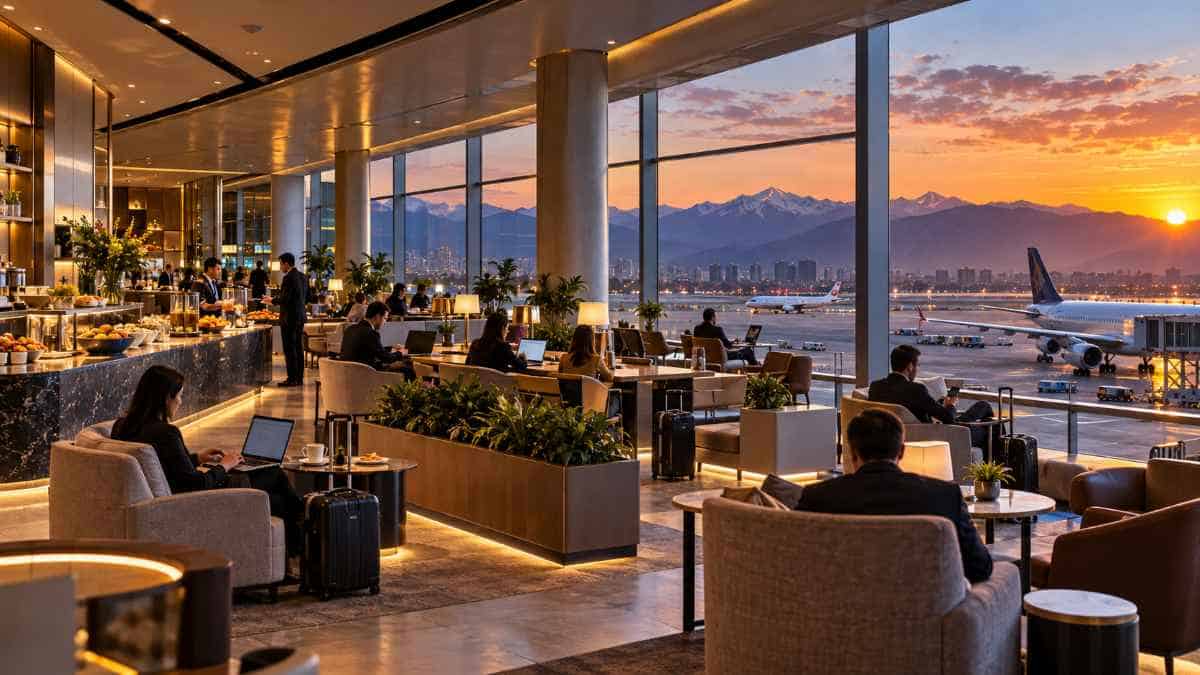
LATAM Airlines has been beefing up its offering to premium customers in South America amid growing fuel costs, airport fees, and other pressures on operating costs in the aviation industry in the region. The airline’s investments in lounges, premium facilities, and services for business travellers are part of a larger initiative by the airline to woo higher-value customers. These investments come against a backdrop of difficult times in the region’s aviation industry. During Routes World 2026 held in Frankfurt, Peter Cerdá, CEO of the Latin American & Caribbean Air Transport Association (ALTA) and regional vice president of IATA for the Americas, noted that growing fuel costs and other costs, including taxes, were adding further pressure on the airlines. Industry executives also highlighted that these costs would be likely to have an impact on fare pricing, routes and passenger demand. Nonetheless, LATAM Airlines’ premium investment initiative precedes this latest warning. The airline had been pursuing a wider strategy which was aimed at premium cabin, airport hospitality, connectivity and digital services among others. Lounges form an important part of this strategy, particularly for customers flying from Santiago, Lima, and São Paulo.
Santiago Lounge Places Greater Emphasis on Business Travellers
LATAM’s lounge at Arturo Merino Benítez International Airport in Santiago already incorporates facilities designed to accommodate passengers who need to work before departure. The airline provides complimentary unlimited Wi-Fi, dedicated work areas, coworking spaces and wireless charging points installed on tables.
These facilities are relevant to corporate travellers who may need to attend virtual meetings, respond to work commitments or complete tasks while waiting for international flights. Instead of treating the lounge solely as a place to eat or relax, the facilities allow passengers to use their pre-departure time more productively.
The Santiago lounge is divided into three areas: Signature, Premium and WorldMember. Access depends on qualifying LATAM Pass membership, eligible travel cabins and selected partner benefits. Premium Business passengers and eligible Black and Black Signature members can use the Signature Lounge, while the Premium Lounge serves qualifying Platinum members and passengers travelling in Premium Economy, subject to the airline’s conditions.
Advertisement
Advertisement
Located on Level 4 of the international terminal, the lounge also offers Chilean-inspired food and beverages, entertainment areas and dedicated spaces for rest. The Premium Lounge operates around the clock, while opening hours for the other sections vary by season.
Lima Strengthens LATAM’s Premium Ground Experience
Lima has become another important part of the airline’s investment in premium airport services. LATAM opened its own lounge at Jorge Chávez International Airport, incorporating design elements inspired by Peruvian landscapes, culture and craftsmanship.
Advertisement
Advertisement
The facility features Signature and Premium areas, with its hospitality offering built around regional cuisine and locally influenced interiors. The investment also extends beyond the lounge itself. LATAM has introduced dedicated premium check-in services at the new airport terminal, including round-the-clock Signature Check-in for Black Signature and Black members and Premium Check-in for eligible Platinum and Gold members and passengers travelling in Business and Premium Economy.
Digital self-service baggage drop-off facilities complement these services, giving eligible passengers additional options during the airport departure process. The developments form part of LATAM’s wider effort to create a more consistent experience for premium customers across different stages of their journeys.
Advertisement
Advertisement
São Paulo Project Adds Scale to the Lounge Network
São Paulo Guarulhos International Airport is also central to LATAM’s plans. The airline is developing a new lounge at Terminal 3, with a reported planned area of approximately 4,500 square metres. Once completed, it is expected to become one of the largest airline lounges in the region.
LATAM’s stated design approach is to give each major lounge a recognisable regional identity. The Santiago facility reflects Chilean influences, the Lima lounge draws on Peruvian culture, and the planned São Paulo development is intended to incorporate Brazilian elements.
The project is significant because Guarulhos is one of LATAM’s principal international gateways. A larger premium facility could support the airline’s hub strategy by providing additional space and services for eligible passengers connecting between domestic and international services.
LATAM’s existing São Paulo lounge already provides complimentary Wi-Fi, designated working areas, Brazilian-inspired dining and other passenger facilities. The new development is intended to take the airport’s premium ground experience further.
Advertisement
Advertisement
Premium Revenue Becomes More Important as Costs Rise
The investment in airport facilities is taking place alongside LATAM’s wider commercial strategy. At its December 2025 Investor Day, the airline group highlighted premium revenues, customer experience, digitalisation and operational efficiency as important elements of its growth plans.
LATAM reported that revenue from its premium segment had increased from US$1.5 billion in 2019 to US$3.3 billion in 2025, more than doubling over the period. The group also reported a Premium Net Promoter Score of 60, five points above its overall customer score.
The airline’s plans include continued modernisation of Business, Premium Economy and Economy cabins, alongside additional investment in lounges and onboard connectivity. It also announced plans to introduce Premium Comfort in 2027, an intermediate cabin offering more space, with premium seat capacity expected to grow by approximately 7% annually over the following four years.
These figures help explain why premium passengers have become an increasingly important part of airline revenue strategies. Travellers purchasing higher cabin classes and eligible loyalty services can contribute additional revenue beyond standard ticket sales. For airlines facing rising operating expenses, attracting these customers can help support financial performance.
Business Travel and Regional Connectivity Remain Central
Also, LATAM’s lounge policy may have some significance regarding corporate travel in South America. The cities of Santiago, Lima and São Paulo play an important role in connecting businesses and international flights. Providing reliable internet, workplaces, dining and rest options could improve the experience of those travellers who fly from regional economic centres to distant countries. At the same time, there is no confirmation from the airline company that the program concerning the technology upgrading of all regional lounges was presented specifically because of Peter Cerdá’s speech at Routes World. However, the current investments of the airline company are to be perceived within the context of its long-term premium customer strategy. In terms of South American aviation, the major question for the region is finding the balance between investment in customer experience and cost-related issues in both airlines and airports.
Advertisement
