
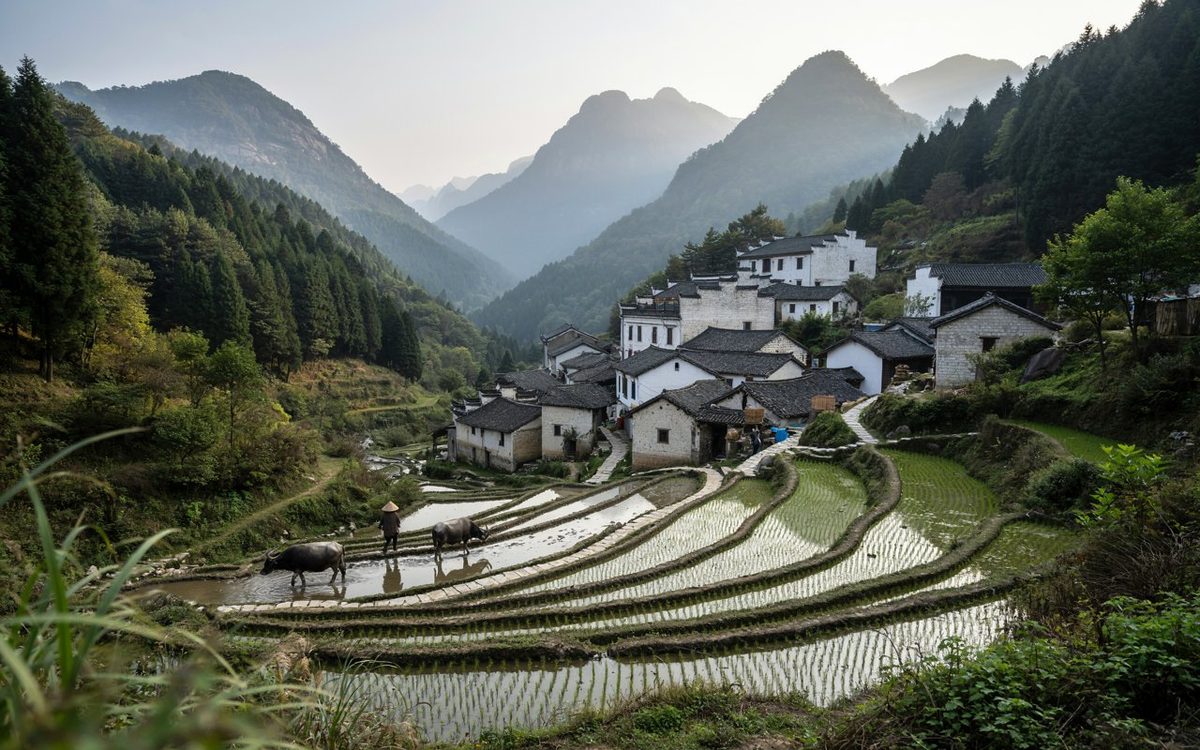
Image generated with Ai
China’s Huangling, Zhagana and more villages gain popularity as new rural tourism hotspots, attracting travellers searching for authentic landscapes, traditions and unforgettable countryside experiences. These emerging destinations are reshaping China’s tourism image beyond major cities. The rapid growth is driven by cultural preservation, improved facilities, social media influence and rising demand for meaningful travel. Visitors are now exploring ancient villages, ethnic communities and scenic mountain regions that showcase China’s heritage. This rural tourism expansion highlights a powerful shift towards slower, immersive journeys where travellers connect with local lifestyles, nature and centuries-old traditions.
| Village | Province / Region | Why It Is Emerging in 2026 | Main Tourist Attractions | Tourism Strength | Best Time to Visit |
|---|---|---|---|---|---|
| Huangling Village | Wuyuan County, Jiangxi Province | One of China’s most photographed rural destinations, combining ancient Hui-style architecture with seasonal landscapes | Ancient houses, rapeseed flower fields, “shaiqiu” autumn drying tradition, mountain views | Heritage tourism, photography tourism, cultural experiences | March–April for flowers; September–November for autumn scenery |
| Zhagana Village | Gansu Province | Rising among adventure travellers for its dramatic mountain scenery and Tibetan cultural atmosphere | Stone villages, grasslands, trekking routes, Tibetan traditions | Nature tourism, hiking, ethnic culture | June–September |
| Azheke Village | Yuanyang County, Yunnan Province | Growing popularity due to Hani ethnic culture and sustainable village preservation | Hani houses, rice terraces, traditional farming systems | Indigenous culture, eco-tourism | November–April for terrace landscapes |
| Taoping Village | Sichuan Province | Attracting visitors for its ancient Qiang ethnic architecture and historic defensive structures | Qiang watchtowers, stone houses, ethnic festivals | Cultural tourism, heritage exploration | April–October |
| Xiajiang Village | Zhejiang Province | Becoming a model for rural revitalisation and countryside tourism development | Green landscapes, traditional village scenery, rural lifestyle experiences | Sustainable tourism, village transformation model | Spring and autumn |
| Shibadong Village | Hunan Province | Emerging as a destination for visitors interested in rural development stories and ethnic culture | Miao culture, traditional customs, mountain scenery | Ethnic tourism, educational travel | April–October |
| Xitou Village | Zhejiang Province | Popular for its traditional Chinese village environment and scenic countryside setting | Ancient buildings, forests, cultural landscapes | Leisure tourism, cultural travel | Spring and autumn |
| Yandunjiao Village | Shandong Province | Known internationally among birdwatchers and nature travellers | Swan watching, coastal scenery, fishing village culture | Wildlife tourism, coastal rural tourism | Winter months for migratory swans |
| Sideng Village (Shaxi Ancient Town area) | Yunnan Province | Gaining attention from international travellers looking for slow travel and preserved historic communities | Ancient Tea Horse Road heritage, traditional markets, Bai culture | Heritage tourism, slow tourism | March–May and September–November |
| Huangcheng Village | Shanxi Province | Becoming a major heritage destination through historical architecture and cultural tourism | Chen Family Mansion, ancient buildings, traditional performances | Historic tourism, architectural tourism | April–October |
| Dongluo Village | Jiangsu Province | Emerging through rural tourism initiatives highlighting water landscapes and traditional village life | Water scenery, local culture, countryside experiences | Jiangnan rural tourism | Spring and autumn |
| Jikayi Village | Sichuan Province | Increasingly recognised for Tibetan and mountain cultural experiences | Plateau landscapes, ethnic traditions, rural lifestyle | Mountain tourism, ethnic tourism | May–October |
| Guanyang Village | Fujian Province | Gaining attention for traditional architecture and rural cultural preservation | Historic homes, village landscapes, local customs | Cultural heritage tourism | Spring and autumn |
| Fengmao Village | Shandong Province | Attracting visitors through agricultural landscapes and seasonal rural experiences | Peach blossoms, farming culture, countryside scenery | Agricultural tourism, seasonal tourism | Spring |
| Sanhe Village | Sichuan Province | Benefiting from Chengdu’s expanding rural tourism market | Rural experiences, local lifestyle, countryside attractions | Weekend tourism, family travel | Year-round |
The growth of village tourism in China is being fuelled by changing traveller preferences. Visitors are increasingly moving away from crowded attractions and searching for destinations where they can experience traditional lifestyles, historic architecture, local food cultures and natural environments.
Advertisement
Rural destinations offer a different image of China. Instead of modern skylines and busy urban centres, travellers encounter mountain settlements, ancient homes, agricultural landscapes and communities preserving centuries-old traditions.
China’s rural tourism development has also benefited from improved transport links, upgraded accommodation options and government-backed rural revitalisation programmes. Villages that once struggled with population decline are now creating new economic opportunities through homestays, cultural performances, handicraft markets and eco-tourism activities.
Advertisement
Advertisement
The popularity of these destinations has also been strengthened by digital platforms. Travel videos, photography communities and social media recommendations have introduced previously unknown villages to millions of potential visitors. Food, architecture and landscape photography have become powerful reasons for travellers to choose lesser-known destinations.
Several villages are emerging as leading rural tourism destinations in 2026 because they combine heritage preservation with visitor experiences.Village Location Main Attraction Why Travellers Are Interested Huangling Village Jiangxi Province Hui-style architecture, flower fields, traditional crop drying Iconic photography destination and cultural tourism model Zhagana Village Gansu Province Tibetan culture, mountains and trekking routes Adventure and nature tourism appeal Azheke Village Yunnan Province Hani traditions and rice terraces Ethnic culture and sustainable tourism Taoping Village Sichuan Province Qiang architecture and watchtowers Ancient heritage and ethnic experiences Xiajiang Village Zhejiang Province Rural landscapes and green development Rural revitalisation example Shibadong Village Hunan Province Miao culture and mountain scenery Cultural tourism and community experiences Yandunjiao Village Shandong Province Coastal scenery and migratory swans Wildlife and nature tourism Sideng Village Yunnan Province Ancient Tea Horse Road heritage Slow travel and historical exploration
Huangling Village in Jiangxi Province has become one of China’s strongest examples of successful rural tourism transformation. Located in Wuyuan County, the village is famous for its Hui-style houses, mountain setting and the traditional practice of drying harvested crops on rooftops and balconies.
The village attracts visitors throughout the year, but spring and autumn remain particularly popular. During spring, surrounding landscapes become covered with flowering fields, creating one of China’s most recognisable countryside scenes. During autumn, colourful agricultural displays showcase traditional farming practices.
Huangling’s success comes from combining heritage preservation with modern tourism facilities. Historic buildings have been maintained while new visitor services, accommodation and cultural activities have been introduced.
The village was recognised among China’s Best Tourism Villages by the United Nations World Tourism Organization, highlighting its approach to balancing conservation and tourism development.
For international travellers, Huangling represents a different side of China — one centred around history, craftsmanship and rural traditions.
Located in Gansu Province, Zhagana Village is gaining popularity among travellers searching for dramatic scenery and outdoor experiences. The village sits among spectacular mountain landscapes and offers visitors opportunities for hiking, photography and cultural exploration.
Unlike traditional sightseeing destinations, Zhagana attracts travellers who want deeper engagement with nature. The surrounding valleys, stone-built homes and Tibetan cultural influences create a destination that combines landscape beauty with community heritage.
The village’s remote location has become part of its appeal. Visitors are increasingly interested in destinations that feel authentic and untouched rather than heavily commercialised.
Adventure tourism is expected to remain a major growth area in China’s rural tourism sector as travellers seek hiking routes, mountain experiences and outdoor activities. Zhagana’s combination of natural scenery and cultural identity places it among the country’s most promising rural destinations.
Ethnic villages across China are gaining attention because travellers are seeking cultural experiences beyond traditional sightseeing.
Azheke Village in Yunnan Province is one example of a destination where heritage and sustainability are closely connected. The village showcases Hani ethnic traditions, traditional architecture and agricultural landscapes. Its surrounding rice terraces create a unique environment that attracts photographers and cultural travellers.
Similarly, Taoping Village in Sichuan highlights the heritage of the Qiang people through ancient stone houses and defensive towers. These architectural features provide visitors with insights into centuries-old settlement patterns.
Shibadong Village in Hunan has also become recognised for its Miao cultural experiences and rural development story. These villages demonstrate how tourism can support cultural preservation while creating income opportunities for local communities.
Sustainability has become one of the most important factors behind the popularity of Chinese rural destinations. Modern travellers are increasingly interested in places that protect ecosystems, preserve traditions and involve local communities.
Villages recognised through international tourism programmes often demonstrate successful approaches to sustainable development. These destinations focus on protecting historic buildings, supporting local businesses and encouraging responsible visitor behaviour.
Xiajiang Village in Zhejiang Province represents this approach by combining environmental improvement with tourism development. The village has become known as an example of rural revitalisation, showing how countryside communities can adapt to changing economic conditions.
This model is attracting attention because it provides benefits beyond tourism. Local residents gain new employment opportunities through accommodation, cultural activities, agriculture-based experiences and visitor services.
Visitors exploring China’s rural tourism destinations in 2026 can expect a mix of cultural discovery, nature experiences and community interaction.
Unlike conventional tourism routes, village travel encourages longer stays and deeper engagement. Travellers can explore traditional homes, participate in cultural activities, walk through agricultural landscapes and experience regional lifestyles.
Popular activities include:
These experiences are helping villages compete with major tourist cities by offering something increasingly valuable: authenticity.
China’s emerging village destinations indicate a broader global travel shift towards rural experiences. Across the world, travellers are searching for destinations that provide cultural depth, natural beauty and meaningful connections.
In 2026, villages such as Huangling, Zhagana, Azheke and Taoping are moving from hidden countryside locations to internationally recognised tourism destinations. Their success demonstrates that rural communities can become powerful tourism hubs when heritage preservation, sustainability and visitor experiences are combined.
As China continues developing rural tourism infrastructure, more villages are expected to enter the international spotlight. The next major travel discoveries may not come from famous cities but from the mountains, valleys and traditional communities that represent another chapter of China’s tourism story.
China’s growing village tourism movement is transforming lesser-known communities into globally recognised travel destinations. Huangling, Zhagana and other villages are gaining attention because they combine natural beauty, cultural identity and sustainable tourism opportunities. The reason behind this rise is clear: modern travellers increasingly prefer authentic experiences over conventional sightseeing. By protecting heritage, improving infrastructure and promoting local lifestyles, these villages are creating new tourism possibilities. The answer to their success lies in balancing preservation with visitor experiences. As demand for rural exploration continues, China’s countryside destinations are expected to become even more influential in global tourism.
Advertisement
Advertisement
Advertisement













Sunday, September 6, 2026

Sunday, September 6, 2026

Sunday, September 6, 2026

Sunday, September 6, 2026

Saturday, September 5, 2026

Saturday, September 5, 2026

Sunday, September 6, 2026

Sunday, September 6, 2026



