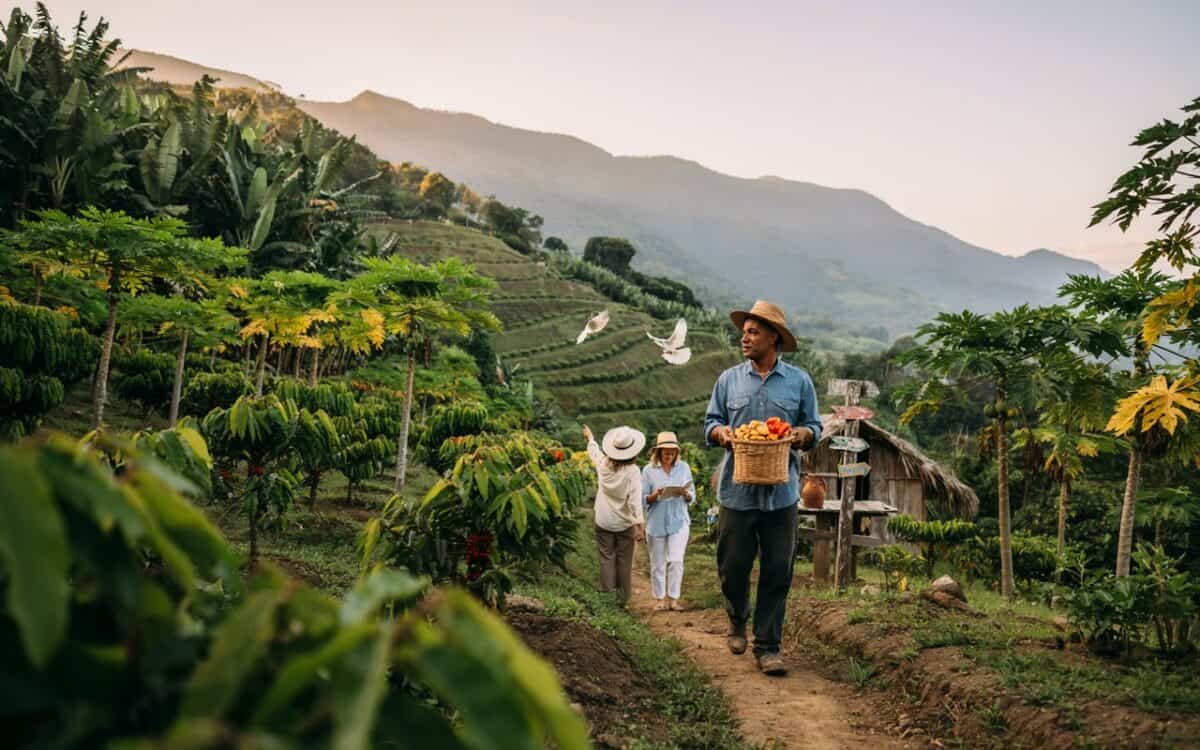
Image generated with Ai
Caribbean nations are accelerating agritourism development in 2026 by connecting farms, local food systems, cultural traditions and tourism experiences. Countries including Jamaica, Barbados, Grenada, Guyana, Dominica and Belize are building farm visits, culinary routes, rural tourism programmes and farmer–hotel partnerships to create new income opportunities while reducing dependence on traditional coastal tourism.
From Jamaica’s coffee plantations and food trails to Grenada’s spice experiences and Guyana’s emerging national agritourism framework, the region is positioning agriculture as a powerful tourism asset. Supported by initiatives from organisations such as the Caribbean Agritourism Network and regional agricultural bodies, countries are working to transform farms into visitor attractions while strengthening local economies.
Advertisement
| Country | Agritourism Focus in 2026 | Key Projects / Programmes | Main Agricultural Assets | Tourism Opportunity | Current Development Status |
|---|---|---|---|---|---|
| Jamaica | Farm experiences, culinary tourism, community-based rural tourism | Expansion of rural tourism experiences through local farms, food trails and small tourism enterprises supported by tourism development programmes | Coffee, cocoa, spices, tropical fruits, herbs, traditional Jamaican cuisine | Visitors can experience plantation tours, farm-to-table dining, local cooking and rural communities beyond coastal resorts | Jamaica is increasingly promoting more immersive tourism models that distribute visitor spending into inland communities and support small operators. |
| Barbados | Culinary agritourism and farm-to-table tourism | Collaboration with IICA on Caribbean agritourism initiatives, including strengthening links between farmers, chefs and tourism businesses | Sugar cane, rum heritage, tropical fruits, vegetables, local cuisine | Heritage food tours, rum experiences, farm visits and culinary travel | Barbados is positioned as a leading Caribbean culinary destination by connecting agriculture with hospitality supply chains. |
| Grenada | Community culinary tourism and agricultural heritage | St. Andrew Culinary Tour and cassava/farine processing initiatives developed with tourism and agriculture stakeholders | Nutmeg, cocoa, cassava, spices, tropical crops | Spice farm visits, cooking experiences, rural village tours and food heritage journeys | Grenada has developed agritourism projects focused on preserving food traditions while creating rural income opportunities. |
| Guyana | National agritourism policy development and rural tourism integration | Government work on the country’s first agritourism policy to connect agriculture with tourism growth | Rice, fruits, vegetables, indigenous foods, eco-agriculture | Farm stays, indigenous food experiences, river and rural tourism combinations | Guyana is developing a structured policy framework to integrate agricultural heritage with tourism diversification. |
| Trinidad and Tobago | Food tourism, local agriculture promotion and sustainable tourism | Regional Caribbean sustainable tourism programmes encourage stronger links between tourism businesses and local producers | Cocoa, spices, tropical fruits, vegetables, culinary traditions | Culinary festivals, farm experiences and community tourism | The country is part of wider Caribbean efforts supporting sustainable tourism, entrepreneurship and stronger local supply chains. |
| Dominica | Nature-based agritourism and regenerative farming experiences | Development of community tourism models combining agriculture, rainforest experiences and local culture | Bananas, cocoa, coffee, tropical fruits, medicinal plants | Farm walks, eco-lodges, organic farming experiences and wellness tourism | Dominica’s nature-focused tourism strategy creates strong opportunities for agricultural experiences linked with sustainability. |
| Saint Lucia | Farm-to-table tourism and culinary experiences | Increasing cooperation between farmers, restaurants and tourism operators | Cocoa, bananas, spices, fruits and vegetables | Chocolate tours, plantation visits and local cuisine experiences | Saint Lucia’s agricultural heritage supports premium experiential tourism products. |
| Antigua and Barbuda | Heritage farming and local food experiences | Promotion of local produce within tourism supply chains | Fruits, vegetables, sugar heritage and seafood-linked agriculture | Farm visits, cooking classes and authentic Caribbean food experiences | Agritourism is emerging as a way to strengthen local food production and reduce tourism import dependency. |
| Saint Vincent and the Grenadines | Small-farm tourism and community experiences | Development of rural tourism opportunities connected with agriculture and island culture | Arrowroot, bananas, spices, cocoa, tropical crops | Village tours, farm demonstrations and culinary experiences | The islands have potential for niche agritourism by combining agriculture with cultural tourism. |
| Belize | Culinary tourism and sustainable agricultural experiences | Growth of food-focused tourism highlighting local producers and traditional cuisines | Cocoa, chocolate, Maya agricultural traditions, tropical crops | Chocolate tours, food trails, farm visits and cultural experiences | Belize is increasingly recognised for connecting sustainable food systems with tourism experiences. |
| Dominican Republic | Plantation tourism and agricultural heritage experiences | Expansion of rural and culinary tourism products | Cocoa, coffee, tobacco, sugar cane, tropical fruits | Cocoa farms, coffee plantations, cigar heritage tours and gastronomy tourism | The country has strong potential due to its large agricultural base and mature tourism infrastructure. |
| Haiti | Cultural agriculture and heritage food tourism | Community-based initiatives focused on traditional crops and food heritage | Cassava, coffee, cocoa, traditional foods | Heritage food routes and rural cultural tourism | Cassava traditions shared across Caribbean countries are gaining renewed attention as cultural and tourism assets. |
Caribbean nations are embracing agritourism because it offers a way to diversify tourism income and spread economic benefits beyond major resort areas. For decades, many islands have depended heavily on coastal tourism, but agritourism provides a pathway for rural communities, farmers and small businesses to participate directly in the visitor economy.
The growth of experiential travel has accelerated this shift. International travellers are increasingly interested in meaningful holidays that include food, culture and environmental connections. A farm visit, traditional cooking class or plantation tour can provide visitors with experiences that cannot be replicated elsewhere.
Advertisement
According to the Inter-American Institute for Cooperation on Agriculture (IICA), stronger links between agriculture and tourism can improve opportunities for farmers while helping destinations develop more sustainable tourism models. The organisation has supported Caribbean initiatives focused on strengthening local food systems, improving tourism supply chains and creating new market opportunities for agricultural producers.
Agritourism also addresses another major challenge facing Caribbean destinations: dependence on imported food supplies. By encouraging hotels and restaurants to source more products locally, countries can increase agricultural demand while creating stronger connections between tourism and domestic economies.
In 2026, agritourism is no longer viewed as a small rural activity. It is becoming part of wider tourism development strategies focused on sustainability, resilience and authentic visitor experiences.
Jamaica is emerging as one of the Caribbean’s leading agritourism destinations by combining its agricultural heritage with its internationally recognised tourism industry. The country is using its famous products, including Blue Mountain coffee, cocoa, spices and tropical fruits, to create experiences that attract visitors beyond traditional beach resorts.
Farm tours, plantation visits and culinary experiences are becoming increasingly important components of Jamaica’s tourism offering. Visitors can explore coffee estates, learn about traditional farming practices and experience Jamaican cuisine through local ingredients and community-based experiences.
The country’s approach reflects a wider move toward community tourism, where smaller businesses and rural communities benefit directly from visitor spending. Jamaica’s tourism authorities have promoted stronger connections between farmers, entrepreneurs and hospitality businesses to encourage locally produced goods within the tourism sector.
The development of agritourism supports multiple goals. It creates additional income streams for farmers, strengthens food supply chains and encourages visitors to explore inland regions. Rural areas that were previously outside the main tourism routes can now become attractive destinations for travellers seeking authentic cultural experiences.
Jamaica’s combination of agricultural diversity, established tourism infrastructure and global culinary recognition gives it a strong foundation to become one of the Caribbean’s most competitive agritourism markets in 2026.
Barbados is strengthening its position as a culinary tourism destination by connecting local agriculture with visitor experiences. Known for its food culture, rum heritage and historic relationship with sugar production, the island is increasingly using gastronomy as a way to showcase local farmers and traditional products.
Agritourism development in Barbados focuses heavily on farm-to-table experiences, where visitors can discover locally grown ingredients and understand their journey from farms to restaurants. Farmers, chefs and tourism operators are creating stronger partnerships to ensure that local produce becomes a central part of the visitor experience.
The country’s agricultural identity provides a strong foundation for tourism storytelling. Sugar cane, tropical fruits, vegetables and traditional Barbadian dishes represent more than food products; they reflect the island’s history and cultural identity.
Through partnerships supported by regional organisations such as the Caribbean Agritourism Network, Barbados is working to improve connections between agricultural producers and tourism businesses.
For travellers, this creates opportunities to experience authentic island culture through cooking demonstrations, food tours, farm visits and heritage experiences. For communities, it creates new economic opportunities while encouraging sustainable production.
Barbados demonstrates how agriculture can become a tourism attraction rather than simply a supply industry.
Grenada is using its agricultural reputation to strengthen agritourism through experiences centred around spices, food traditions and rural communities. Often called the “Spice Isle,” Grenada has a unique tourism advantage because its agricultural identity is already internationally recognised.
Nutmeg, cocoa, cinnamon and other spices form the foundation of many visitor experiences. Tourists can explore farms, learn about traditional processing methods and discover how local ingredients influence Caribbean cuisine.
The island has developed culinary and community-based tourism experiences that highlight rural communities and traditional food practices. Initiatives connected with cassava production and local cooking traditions demonstrate how agriculture can preserve cultural heritage while creating tourism opportunities.
Grenada’s agritourism model focuses on authenticity. Rather than creating artificial attractions, the country is allowing visitors to experience genuine agricultural activities and local lifestyles.
This approach aligns with changing traveller preferences. Many visitors now seek destinations where they can learn, participate and connect with communities. Grenada’s agricultural heritage provides exactly this type of immersive experience.
By combining spices, food culture and rural tourism, Grenada is strengthening its reputation as one of the Caribbean’s most distinctive agritourism destinations.
Guyana is taking a more structured approach to agritourism by developing policies designed to integrate agriculture and tourism at a national level. The country’s large agricultural landscape, diverse communities and rich cultural traditions provide significant opportunities for rural tourism development.
Guyana’s focus includes connecting farmers, tourism operators and local communities to create new visitor experiences. The country’s agricultural strengths include rice production, tropical fruits, indigenous foods and traditional farming practices.
The development of a national agritourism policy represents an important step because it provides a framework for investment, training and coordination. According to information from the Guyana Ministry of Agriculture, policymakers are exploring ways to strengthen links between agriculture and tourism while creating additional economic opportunities.
Guyana’s approach is particularly significant because it demonstrates how agritourism can support emerging tourism destinations. Instead of relying only on established attractions, the country can build unique experiences around food, nature and culture.
With growing interest in eco-tourism and authentic travel, Guyana’s combination of biodiversity, agriculture and indigenous heritage creates strong potential for future agritourism growth.
Dominica and Belize are developing agritourism experiences that connect farming, environmental protection and cultural tourism. Both destinations benefit from strong natural assets and are using agriculture as part of broader sustainable tourism strategies.
Dominica’s focus combines farming with nature-based experiences. Known for its rainforest landscapes and eco-tourism reputation, the island is creating opportunities around cocoa, coffee, bananas, tropical fruits and medicinal plants. Farm visits can complement hiking, wellness and community tourism experiences.
Belize is building agritourism opportunities around cocoa, chocolate production, traditional agriculture and cultural heritage. Visitors are increasingly interested in learning about farming traditions and indigenous food systems.
These destinations highlight an important trend in Caribbean tourism: sustainability is becoming a core part of visitor decision-making. Travellers are increasingly choosing experiences that support local communities and protect natural resources.
By combining agriculture with environmental tourism, Dominica and Belize are creating experiences that appeal to a growing global market seeking responsible and meaningful travel.
Anup Kumar Keshan, Founder, CEO, and Editor-in-Chief of Travel And Tour World (TTW), notes, “The rise of agritourism across Jamaica and other Caribbean nations represents a significant turning point for the region’s tourism industry. For decades, Caribbean destinations have been recognised mainly for beaches, luxury resorts and coastal attractions. However, the growing focus on agriculture, food culture and rural experiences shows that travellers are now looking for deeper and more meaningful connections.
Agritourism creates a powerful link between visitors and local communities. A farm visit, traditional cooking experience or plantation tour allows travellers to discover the authentic identity of a destination while supporting farmers and small businesses. This approach also helps spread tourism revenue beyond popular resort areas and into rural communities that have often remained outside the main tourism economy.
The development of agritourism is not only about creating new attractions. It is also about protecting cultural heritage, strengthening local food systems and building a more resilient tourism model. Caribbean nations have unique agricultural stories, from Jamaica’s coffee and spices to Grenada’s nutmeg heritage and Belize’s cocoa traditions.
As global travellers increasingly prioritise sustainability and authenticity, agritourism offers the Caribbean a valuable opportunity to stand out in the competitive international tourism market. The countries investing in this sector today could shape a more diverse, inclusive and sustainable tourism future for the entire region.”
The future of Caribbean agritourism appears increasingly connected with sustainability, technology, local entrepreneurship and changing traveller expectations. Countries across the region are recognising that agriculture can provide more than food production; it can become a platform for cultural exchange and economic development.
Future growth is expected through stronger digital promotion, improved visitor infrastructure and closer partnerships between hotels, restaurants and farmers. Culinary tourism, farm stays, educational experiences and rural adventures are likely to become more visible across Caribbean destinations.
Agritourism also supports tourism resilience by spreading visitor spending into smaller communities and reducing dependence on traditional tourism zones. As climate challenges and economic pressures continue, diversified tourism models will become increasingly important.
In 2026, the Caribbean is redefining its tourism identity. The region’s farms, kitchens, traditions and communities are becoming central attractions, proving that the future of Caribbean travel extends far beyond the coastline.
Caribbean agritourism expansion is becoming a major tourism transformation because nations recognise agriculture as a valuable visitor attraction and economic driver. The reason behind this growth is clear local communities benefit when travellers explore farms, cuisine and traditions while destinations reduce dependence on conventional tourism models. Jamaica and other Caribbean countries are creating innovative experiences that answer rising demand for authentic sustainable and immersive travel. With stronger partnerships, improved strategies and continued investment, agritourism can deliver long-term benefits across the region by connecting visitors with farmers and preserving the Caribbean’s unique cultural and agricultural identity for future generations worldwide too.
Advertisement
Tags: Caribbean sustainable travel, Caribbean tourism growth, farm tourism initiatives, Jamaica agritourism, Rural Tourism Development
Advertisement
Advertisement













Saturday, September 5, 2026

Friday, September 4, 2026

Saturday, September 5, 2026

Saturday, September 5, 2026

Thursday, September 3, 2026

Wednesday, September 2, 2026

Saturday, September 5, 2026