
Japan Set to Join US, Canada, Portugal, India, Peru, Switzerland and More in Increasing Hiking Fees for Travelers Here’s What You Need to Know

Published
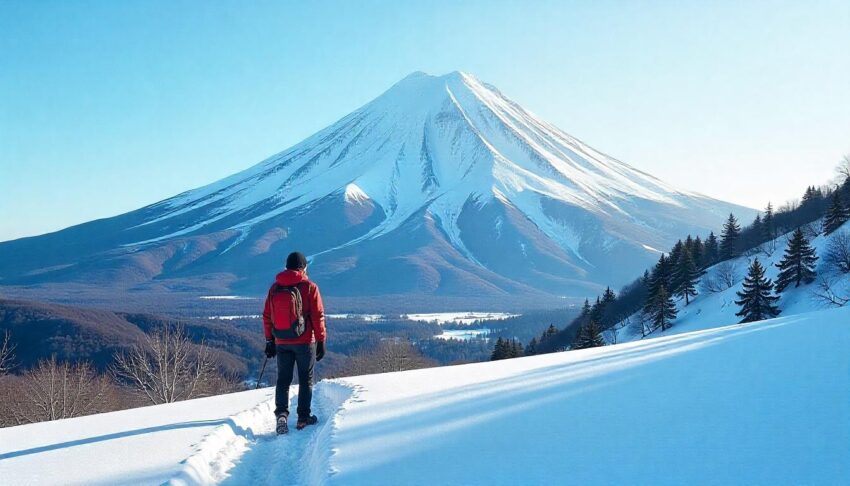
Image generated with Ai
Japan is preparing to introduce a mandatory hiking fee for Mount Fuji climbers in July 2025, joining a growing list of countries like the US, Canada, Portugal, India, Peru, Switzerland, and others that are increasing fees for hikers. This global trend is driven by the urgent need to manage overtourism, protect fragile natural environments, ensure traveler safety, and fund essential conservation efforts. As outdoor tourism surges post-pandemic, nations are adopting higher access fees to balance rising demand with long-term sustainability goals — a movement that Japan is now formally aligning with through its new regulations.
Japan is set to introduce a new mandatory hiking fee for Mount Fuji climbers, aligning itself with a growing number of countries imposing higher costs on travelers to access popular hiking destinations. Starting July 2025, those wishing to hike the Yoshida Trail, the most commonly used route to Mount Fuji’s summit, must pay a 4,000 yen (approximately US $28) climbing fee — double the current amount.
Advertisement
Advertisement
This decision places Japan firmly within a global trend, as countries worldwide move to introduce or raise hiking and mountain access fees to manage overtourism, protect fragile environments, and support local communities.
Japan’s New Regulation: Mount Fuji Climbing Fee
Mount Fuji, a UNESCO World Heritage Site and Japan’s most revered natural landmark, has seen severe strain from surging tourism in recent years. Overcrowded trails, waste accumulation, safety risks, and degradation of the mountain’s delicate environment have forced authorities to take action.
Advertisement
Advertisement
From July 2025, all hikers on the Yoshida Trail will need to pay the climbing fee. In addition to the fee, Japan will enforce new limits on the number of climbers permitted daily, with an online reservation system to manage capacity. Revenue from these fees will directly fund conservation, trail maintenance, emergency rescue operations, and environmental protection initiatives.
Other Countries Raising Hiking Fees: A Global Trend
Japan’s move mirrors a broader worldwide pattern, where nations famous for their outdoor adventure offerings have introduced similar measures. Here’s a look at how others have acted:
Advertisement
Advertisement
United States
- Yosemite National Park’s Half Dome, Arizona’s The Wave, and Zion’s Angels Landing now require permits that involve application fees or lotteries. Fees ensure safe access and fund environmental stewardship in heavily trafficked national parks.
Canada
- In popular national parks like Banff, Jasper, and Yoho, travelers must pay entry fees, wilderness passes, and backcountry permits, even for day hikes in certain conservation zones.
Portugal
- The island of Madeira introduced a €3 hiking fee in January 2025 for non-residents using over 30 controlled routes to help protect delicate landscapes from excessive tourist pressure.
India
- Trekkers heading to places like the Valley of Flowers, Roopkund Lake, and Hemis National Park must pay conservation and trekking fees. Some sensitive regions even require additional eco-taxes.
Peru
- The famous Inca Trail leading to Machu Picchu has strict permit quotas and charges high fees for hiking access. Only a limited number of permits are issued daily to protect archaeological treasures along the route.
Switzerland
- Though much of Switzerland’s hiking network remains free, fees have been introduced for select high-altitude alpine huts, premium glacier treks, and access to certain protected trails to support rescue operations and trail upkeep.
Expanding the List: Other Countries Taking Similar Measures
Beyond the headline countries, several more nations have also embraced travel fees for hiking and mountain access:
Nepal
- Everest Region: Starting 2025, Nepal raised the Mount Everest climbing permit from $11,000 to $15,000 during peak season. Other treks such as the Annapurna Circuit and Langtang Valley also require national park permits and conservation fees.
Bhutan
- Tourists in Bhutan must pay a Sustainable Development Fee of $100 per day, supporting conservation and local community development. Hikers on trails such as the Snowman Trek must pay additional environmental fees.
South Africa
- Hikers visiting the Drakensberg Mountains and other protected areas must pay access and conservation fees to fund park maintenance and safeguard endangered ecosystems.
Tanzania
- Climbing Mount Kilimanjaro, Africa’s tallest peak, requires multiple fees, including park entrance, camping, and rescue charges. Total costs often exceed $1,000 for the climb.
Rwanda
- To trek with mountain gorillas in Rwanda’s Volcanoes National Park, travelers must pay a high permit fee, set at $1,500 per person. Similar permits are required for hikes in Nyungwe Forest and other conservation areas.
New Zealand
- Popular “Great Walks” such as the Milford Track and Routeburn Track now require advance bookings and fees for both access and overnight stays, particularly during peak seasons.
Chile
- Torres del Paine National Park charges visitors for entry and camping, with special permits required for multi-day treks like the W Trek and the O Circuit.
Why Are Hiking Fees Increasing?
There are several critical reasons behind the global trend:
- Environmental Protection:
Fees help finance measures to combat erosion, litter, wildlife disruption, and trail degradation caused by rising foot traffic.- Visitor Management:
Restricting the number of hikers through permits and fees prevents overcrowding and ensures safer, higher-quality experiences.- Infrastructure and Rescue Funding:
Maintaining trails, shelters, bridges, safety signage, and search-and-rescue operations require significant investment.- Sustainable Tourism:
By raising funds from those directly using the trails, countries can avoid overreliance on general taxes and ensure that tourism contributes directly to local communities.What Travelers Need to Know Before Hiking in 2025 and Beyond
If you’re planning to hike internationally, expect to:
- Book Permits Early:
Popular trails now sell out months in advance. Research deadlines for lottery applications or reservation systems.- Budget for Additional Fees:
Include hiking permits, camping fees, entry taxes, and conservation charges when planning your travel expenses.- Follow Local Regulations:
Stay on marked trails, respect wildlife guidelines, and carry out all trash. Many protected areas impose fines for non-compliance.- Support Sustainable Travel:
Opt for eco-certified tour operators and consider offsetting your carbon footprint where possible.Japan is set to introduce a mandatory hiking fee for Mount Fuji in 2025, joining countries like the US, Canada, Portugal, India, Peru, Switzerland, and more, as part of a global push to manage overtourism, fund conservation, and protect natural hiking destinations.
Japan’s adoption of a Mount Fuji hiking fee in 2025 is part of a powerful global trend prioritizing sustainable travel and environmental stewardship. From the rugged Himalayas of Nepal to the volcanic peaks of Rwanda and the classic trails of the US and Canada, governments worldwide are reinforcing that preserving natural wonders comes at a necessary cost.
For travelers, this shift means greater planning, higher upfront costs, but ultimately a richer, more responsible adventure — one that helps ensure these legendary destinations remain open, accessible, and protected for future generations.
Advertisement
