

Japan’s Shibuya Tackles Overtourism: New Strategies to Spread Visitors Across the District Beyond Famous Landmarks

Published
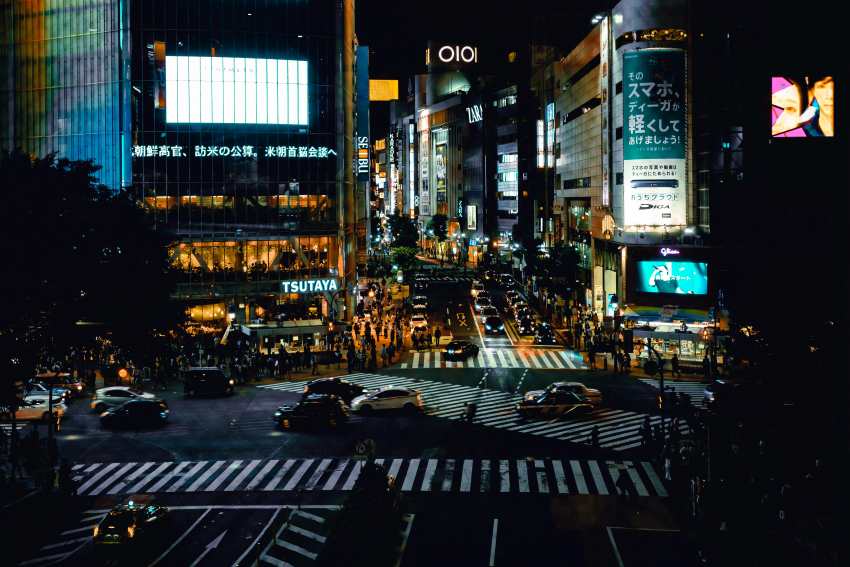 Image generated with Ai
The difficulties in controlling crowding have become more apparent as Tokyo’s Shibuya neighbourhood continues to draw record numbers of foreign tourists. This is especially true during periods of high travel demand, such as Halloween and the countdown to the New Year. Shibuya, which is well-known for its thriving youth culture and famous landmarks like the Hachiko statue and the Shibuya scramble crossing, is having difficulty striking a balance between letting visitors in and keeping everyone safe. However, the Shibuya ward has implemented a number of strategies to address this issue, with the goal of guiding visitors to less crowded hidden gems rather than the busy center of the district.
Shibuya’s Crowded Problem: A Growing Concern
Shibuya’s popularity has skyrocketed in recent years, driven by the recovery of foreign visitors to Japan following the pandemic. According to the Tokyo Metropolitan Government, Shibuya was the most visited district by international tourists in 2024, with over 62% of respondents from a major survey conducted at Narita and Haneda airports indicating that they had visited the district during their stay. While this surge in tourism has brought economic benefits, it has also led to dangerous levels of congestion, especially in areas around the scramble crossing and the famous Hachiko statue.
Local authorities, including Shibuya’s Mayor Ken Hasebe, have emphasised the importance of managing crowds effectively. The aim is not just to preserve the safety and comfort of tourists but to ensure the preservation of Shibuya’s cultural integrity and local community life.
Urban Cores: A New Approach to Overcoming Geography
Shibuya’s unique topography, with its steep hills and multiple levels of elevation, presents a distinct challenge in crowd management. The district’s Shibuya Station, one of the busiest transport hubs in Tokyo, sits at the bottom of a valley. This geographical reality means that visitors need to navigate an undulating landscape to access the surrounding landmarks and shopping areas, making it difficult for large groups to disperse smoothly.
In response, Shibuya’s urban development strategies are now centred around the creation of “urban cores.” These cores are designed to facilitate vertical movement throughout the district using elevators, escalators, and elevated walkways. Buildings like Shibuya Hikarie and Shibuya Scramble Square have already incorporated these urban cores into their design, while future plans include the Skyway, an elevated pedestrian walkway that will connect Shibuya Hikarie on the east side of the station with the commercial facility Mark City to the west. When completed in 2030, the Skyway will flatten the district’s topography for pedestrians, helping to disperse crowds and streamline pedestrian traffic flow, while promoting exploration of less-visited areas.
Discovering Hidden Gems: Nabeshima Shoto Park and Beyond
While Shibuya’s iconic landmarks continue to captivate visitors, efforts are underway to promote lesser-known spots in the area. Nabeshima Shoto Park, located to the west of Shibuya Station, is one such location that local authorities are keen to promote. Known for its peaceful ambiance, the park is often overlooked by tourists who flock to the busier parts of Shibuya. However, with its historical roots dating back to the 19th century, Nabeshima Shoto Park has the potential to offer a more serene experience of Shibuya.
The park is not only home to lush greenery but also to one of the notable public restrooms designed under the Tokyo Toilet project. This initiative, which features public restrooms designed by world-renowned architects, has transformed the image of public facilities in Tokyo, turning them into symbols of Japanese hospitality, or “omotenashi”. The restroom in Nabeshima Shoto Park, designed by Kengo Kuma, is a prime example of this approach and has become a tourist attraction in itself.
Advertisement
Advertisement
The Role of Music Bars and Nightlife in Dispersing Crowds
As part of their crowd management strategy, Shibuya’s local authorities are working with nightlife establishments to encourage tourists to venture beyond the well-known hotspots. In particular, there is a push to promote Shibuya’s many cosy music bars, which are spread across the district. These venues, many of which remain under the radar for most international visitors, are seen as essential to Shibuya’s nightlife culture. By encouraging visitors to explore these lesser-known spots, Shibuya aims to reduce crowding around popular nightlife areas like Dogenzaka and the streets near Shibuya 109.
Shibuya’s diverse and unique music bars offer an intimate look into the district’s cultural landscape, and authorities are keen to highlight their importance, just as cities like Kyoto emphasise their historical buildings. For Shibuya, these music venues represent the soul of the district’s nightlife and offer a new way for tourists to engage with the area.
The Future of Shibuya: Connecting the Past with the Present
Shibuya’s future urban planning efforts also aim to integrate the district’s rich cultural history with its modern developments. For example, the area surrounding Shibuya Station is undergoing a significant transformation, with a focus on connectivity and pedestrian-friendly infrastructure. With the planned completion of the Skyway, Shibuya will offer easier access to its cultural and recreational spaces, such as Nabeshima Shoto Park and the Shoto Museum of Art. This is part of a broader effort to create a seamless experience for tourists, helping them navigate the district’s complex geography while discovering the hidden treasures that lie beyond the scramble crossing.
Advertisement
Advertisement
A New Vision for Shibuya’s Tourism
A growing global concern about the impact of excessive tourism on local communities and cultural landmarks is reflected in Shibuya’s efforts to combat overtourism. Shibuya is establishing an example for how districts can manage tourism sustainably by spreading tourists throughout lesser-known neighbourhoods, promoting local experiences like music bars, and enhancing infrastructure for simpler navigation. Both residents and visitors will be able to take in Shibuya’s distinct charm without being overpowered by the crowds thanks to the district’s urban developments, such as the Skyway and urban cores.
If these projects are successful, Shibuya will continue to be a friendly place for both locals and tourists, maintaining its allure. Shibuya hopes to create a more peaceful atmosphere for all by balancing the influx of tourists with the preservation of its cultural and social fabric through sustained investment in sustainable tourism practices.
Advertisement
