
Japan’s Shinkansen Transforms the Tourism Scene: Speeding into the Future with Freight and Adventure!

Published
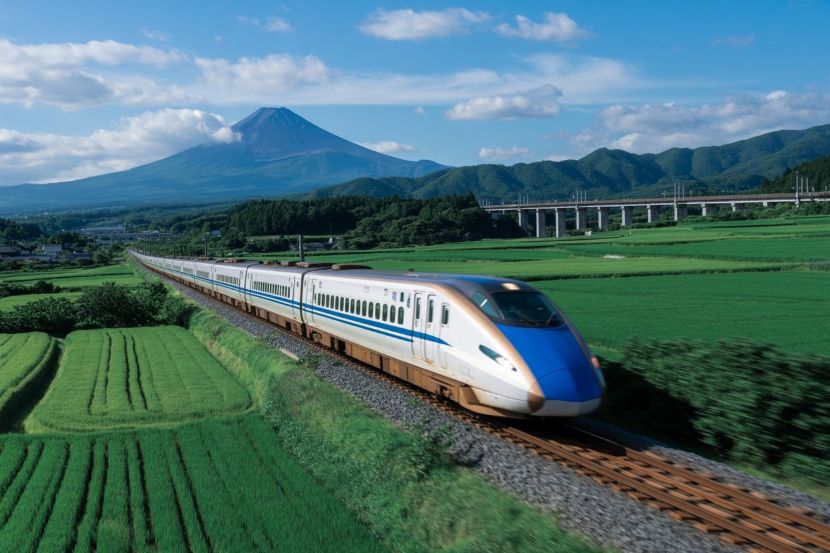 Image generated with Ai
Japan’s iconic Shinkansen bullet trains, which have long been a symbol of efficiency and speed, are undergoing a significant transformation. Faced with rising operational costs and declining passenger numbers on some routes, Japan’s rail operators are taking an innovative step by repurposing the trains for freight services. This shift has the potential to not only ease logistical challenges but also boost the country’s tourism industry by offering a more streamlined transportation network.
The Shift to Freight: Reimagining the Shinkansen
Japan’s high-speed rail system, the Shinkansen, has long been regarded as one of the most efficient and punctual in the world. However, like many global rail systems, Japan has been facing challenges brought on by demographic changes and labor shortages. With an aging population and fewer workers available to fill key roles in the transportation and logistics sectors, rail companies are having to adapt.
JR East, one of Japan’s largest railway operators, has begun to repurpose older Shinkansen models for cargo transport. These modifications involve stripping the seats from certain trains and outfitting them with facilities to carry freight. The new freight service is capable of transporting up to 17.4 tonnes of goods per trip, maximizing the use of trains during off-peak hours when passenger traffic is lower.
Advertisement
Advertisement
The shift is part of a broader strategy to keep the high-speed rail system economically viable by utilizing idle trains for more than just passengers. By incorporating freight transport, the Shinkansen network continues to serve the country’s logistics needs while maintaining its primary role as a transportation provider for tourists and locals.
How This Change Impacts Tourism in Japan
Advertisement
Advertisement
The impact of this shift extends beyond the logistics sector and into the realm of tourism. Japan is one of the world’s most popular travel destinations, attracting millions of visitors each year. The new freight services can benefit tourism in several ways.
Firstly, the increased efficiency in moving goods across the country could have a direct impact on the travel experience. Tourists can expect smoother logistics for goods such as local produce, souvenirs, and even time-sensitive items like electronics. For example, fresh sushi and seafood products can be transported more efficiently, ensuring that visitors enjoy the freshest offerings during their travels.
Advertisement
Advertisement
Additionally, by repurposing Shinkansen trains for freight, Japan’s rail network becomes more sustainable and resilient. With fewer trains needing to be built or operated purely for passenger service, rail companies can focus resources on enhancing the tourist experience—whether through improving the amenities on board or expanding the reach of the network to new, more remote destinations.
Japan’s tourist-friendly infrastructure, including the Shinkansen, is one of the country’s key selling points. As visitors continue to flock to Japan to experience its culture, heritage, and natural beauty, the improvements in transportation will only add to the allure of the destination. Efficient, fast, and reliable transportation is often a top priority for tourists, and this shift in rail services could make visiting even more attractive for future travelers.
Overcoming Logistics Challenges with Shinkansen Freight Services
Beyond tourism, the introduction of Shinkansen freight services helps Japan address significant logistical challenges. In recent years, the country has faced issues with labor shortages in the trucking industry, particularly for long-distance deliveries. By using the Shinkansen network for cargo transport, Japan is tapping into an already established and highly efficient transportation network, alleviating some of the pressure from the trucking sector.
Advertisement
Advertisement
The decision to use high-speed trains for freight also addresses one of the most pressing issues in the global logistics market—delivery speed. Shinkansen trains are capable of moving goods between major cities faster than conventional freight trains, making them an ideal solution for time-sensitive goods like electronics or fresh food. This innovation could also inspire other countries with well-developed rail systems to consider similar shifts, further enhancing the global logistics landscape.
The Bigger Picture: A Sustainable and Resilient Tourism Strategy
In the long run, Japan’s shift towards integrating freight services into its Shinkansen network will likely be a key factor in the country’s ability to maintain and grow its position as a tourism powerhouse. The country’s commitment to innovative infrastructure and seamless travel experiences will appeal to tourists seeking modern, efficient transportation solutions. At the same time, this change strengthens Japan’s logistics capabilities, supporting its economy and ensuring that the country remains competitive in a rapidly changing global market.
As Japan continues to innovate and evolve its transportation network, the benefits to both tourists and the economy will be felt for years to come. For visitors, this transformation means a more integrated, accessible, and enjoyable experience as they travel across the country. For Japan, it represents a forward-thinking approach to addressing the challenges of the future.
Japan’s Forward-Thinking Approach to Tourism and Logistics
The repurposing of Japan’s Shinkansen bullet trains for cargo services marks a pivotal moment in the country’s transportation evolution. By adapting its high-speed rail system to meet the demands of both tourism and logistics, Japan is ensuring that its iconic rail network remains relevant and efficient for the future. For tourists, this means a smoother, more seamless experience as they explore the country’s vast attractions, while for the economy, it provides a sustainable solution to logistics challenges. Japan’s commitment to innovation and efficiency positions it as a leader in both tourism and infrastructure, offering a model for the world to follow.
Advertisement
