

Cocos Islands Delegation Now Misses Out on COP31 Funds as More is Needed to Protect Island Tourism

Published
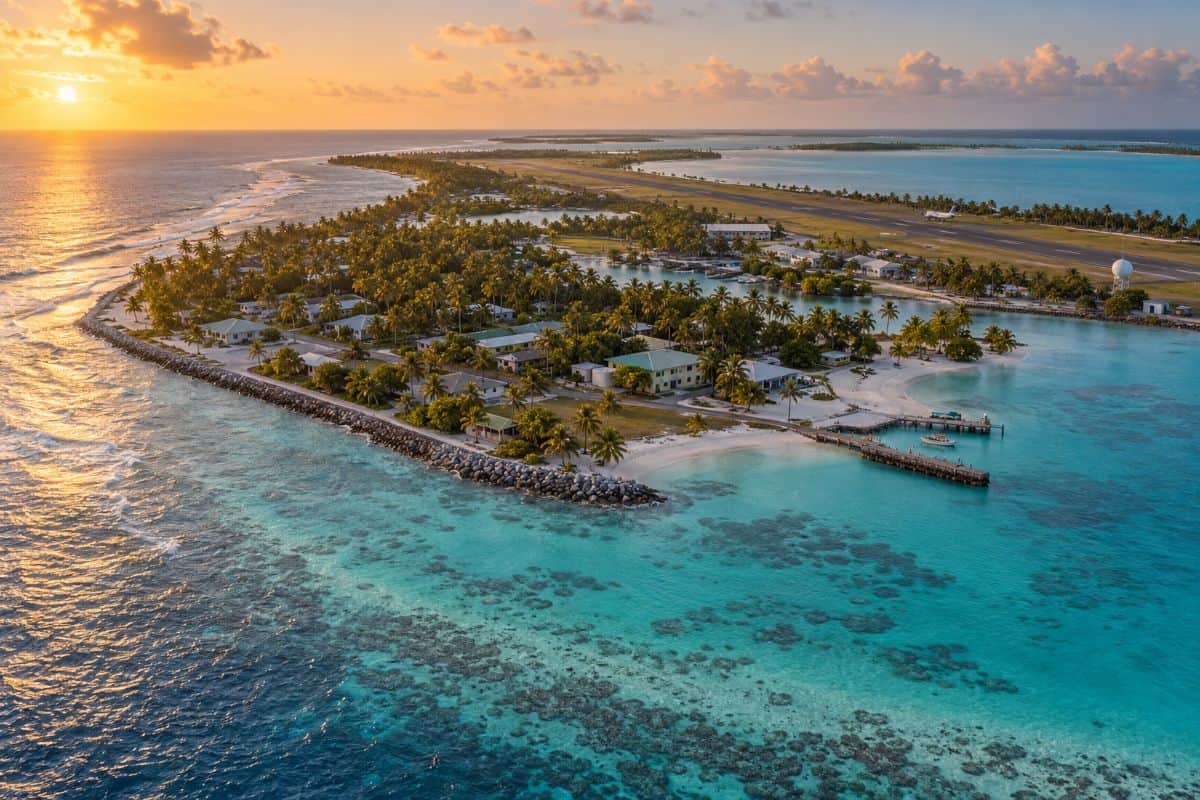
Australia’s Cocos (Keeling) Islands are accepting applications this October for a community reference group to guide coastal adaptation, with submissions due by 6 November 2026. The Australian Government and local council are seeking community advice on implementing the coastal plan released in April. For Island Tourism businesses and visitors, the development concerns protection of coastlines, infrastructure and services. Existing travel requirements remain unchanged in the official guidance reviewed; the consultation does not itself impose visitor restrictions.
Where Coastal Risks Threaten Island Tourism: The Evidence
The table separates confirmed measures from travel implications. Its percentages represent an editorial assessment of the story’s emphasis, based on the available evidence. They total 100% and are not official tourism statistics, spending shares or measured economic effects.
Advertisement
Advertisement
| News Component | Share of Story | Officially Verified Finding | Relevance to Travellers | Official Source |
|---|---|---|---|---|
| Coastal planning | 30% | The April 2026 plan addresses erosion and flooding; it is not legally binding. | Guides future protection and land use. | Government coastal plan and FAQs. |
| Safety investment | 25% | A$23.3 million over four years from 2024–25 supports seawalls, shelters and services. | Funds preparedness, rather than measuring tourism losses. | Government funding announcement and FAQs. |
| Community participation | 20% | Applications close on 6 November 2026; draft terms provide for up to 30 members. | Businesses and residents can contribute local knowledge. | Official application and draft terms. |
| Tourism and infrastructure | 15% | Tourism faces capacity constraints; the airfield project forecasts completion by mid-2029. | Transport and accommodation remain planning considerations. | Government economic overview and airfield project. |
| International climate context | 5% | COP31 runs from 9–20 November 2026 in Antalya; Australia leads negotiations. | Provides context, without determining Cocos travel access. | Official conference information and closing report. |
| Visitor requirements | 5% | Mainland journeys require photo identification; overseas entry requires a passport and possibly a visa. | Existing documentation rules still apply. | Government visitor guidance. |
The evidence establishes coastal exposure, existing preparedness funding and an open consultation process. It does not establish that the reported conference funding dispute caused booking losses, lower visitor spending or a tourism shutdown. No separate official decision notice confirming that refusal was located. The verified development is therefore the continuing adaptation programme and its next consultation deadline, rather than a confirmed change to holiday access.
From Safety Funding to the November Consultation Deadline
The planning process draws on a coastal vulnerability study published in 2022. On 19 December 2024, the preparedness package was announced with three allocations: A$12.2 million for seawalls, A$8.1 million for cyclone shelters and A$3 million for support services. Consultation on the draft coastal plan ran from 29 January to 30 June 2025. The final plan was released on 10 April 2026, recommending staged protection and additional studies covering flooding, land use, emergency management and heritage.
Advertisement
Advertisement
Application materials published in October 2026 set the next deadline for 6 November. The proposed reference group will advise government and the local council, rather than determine policy. Its draft arrangements include approximately three meetings annually and voluntary, unpaid participation. Earlier consultation records show that around one-quarter of the population made or signed a submission on the draft plan. That proportion indicates participation, not unanimous agreement. Recorded concerns included flooding, possible retreat from the islands and preserving connections to place. The draft terms seek representation from both inhabited islands, including younger residents and businesses, with language and accessibility support available where required.
Why Coastal Protection Still Requires Further Work
The immediate purpose of the reference group is officially documented: it will support implementation of the coastal adaptation plan. The wider conditions are also clear. Government assessments place the islands’ average elevation at 1.5 metres above sea level and record significant erosion, storm surges and frequent flooding. These risks threaten island tourism through the exposure of coastal places and supporting services. That is an assessment of vulnerability, not evidence that every visitor facility has suffered damage or that current holidays must stop.
Advertisement
Advertisement
The plan combines short-term defences with further investigation because protective works do not settle every long-term land-use question. Seawalls and levees can protect settlements and critical assets while research continues. The framework considers coastal change over 100 years, with updates every five years to incorporate new evidence and community input. Detailed designs, costs and possible funding sources for longer-term options still require assessment. An announced allocation should therefore not be treated as proof that all works are complete or every future adaptation measure is funded. The non-binding plan does not itself order relocation. Its recommendations provide options for later land-use and infrastructure decisions, informed by monitoring rather than a fixed outcome.
What Island Tourism Businesses Need to Understand
The official economic overview identifies a small visitor sector centred on diving, kite-surfing, birdwatching and island holidays. Limited accommodation, infrastructure and transport frequency constrain its capacity. Infrastructure risks threaten island tourism when essential access and services remain exposed, making these existing limits relevant to adaptation planning. Government services provide most employment, while visitor activity also includes project workers and service delivery. Such travel should not automatically be counted as leisure demand. The reviewed material provides no comparable arrival or occupancy series demonstrating an effect from the funding dispute.
Advertisement
Advertisement
The airfield programme includes runway works, lighting, drainage and a construction wharf. Supporting construction began in late 2024; mid-2029 is the current project forecast, rather than a guaranteed completion date. Internationally, the October preparatory climate programme involved Fiji, Tuvalu and Australia, with around 4,000 participants from more than 100 nations. Discussions addressed resilience, oceans and access to finance. This explains the relevance of community representation, but it does not prove that participation will secure particular investments or change tourism demand in Cocos.
Check Travel Documents and Watch the Next Decisions
Travellers should check the rules for their particular journey and monitor service notices. The reviewed guidance does not introduce restrictions because of the consultation. For travel from mainland Australia, no passport or visa is required, but every passenger, including children, needs photographic identification. A passport is preferred because it also assists during an overseas diversion. Entry from outside Australia requires a passport, and visa requirements depend on individual circumstances. The relevant border authority should confirm those requirements before departure. Local clinics provide essential services, but serious illness or injury may require treatment in Perth. This makes checking existing health and insurance arrangements particularly relevant.
- Confirm the identification and entry requirements for your itinerary.
- Check current transport information and local ferry arrangements.
- Bring sufficient personal medication and review travel insurance.
- Follow published consultation outcomes and infrastructure updates.
Coastal risks threaten island tourism over time, but the immediate published next step concerns community participation rather than holiday cancellation. After applications close, the proposed group will provide advice and publish meeting summaries, including important differences of view. Businesses should follow those outcomes alongside infrastructure notices. Further decisions remain subject to investigation and consultation; the available documents do not set one final date for deciding the islands’ future.
Local Decisions Will Shape the Next Stage
Cocos is moving through a documented planning process that combines coastal protection, community consultation and further investigation. Existing funding supports preparedness, while the reference group offers residents and businesses a channel for advice. Coastal risks threaten island tourism, but the evidence does not establish lost bookings, changed border rules or a destination closure. Travellers should follow existing entry requirements and monitor service notices. Businesses should track consultation outcomes and project updates before treating proposed measures as completed improvements. The next stage will depend on published decisions, updated evidence and how clearly implementation responds to local needs. Official updates remain essential.
Advertisement
