
Greece and UK Travellers Unlock Breathtaking Seychelles Beach in Ikaria Exploring Enigmatic Uncharted Coastlines

Updated
Published
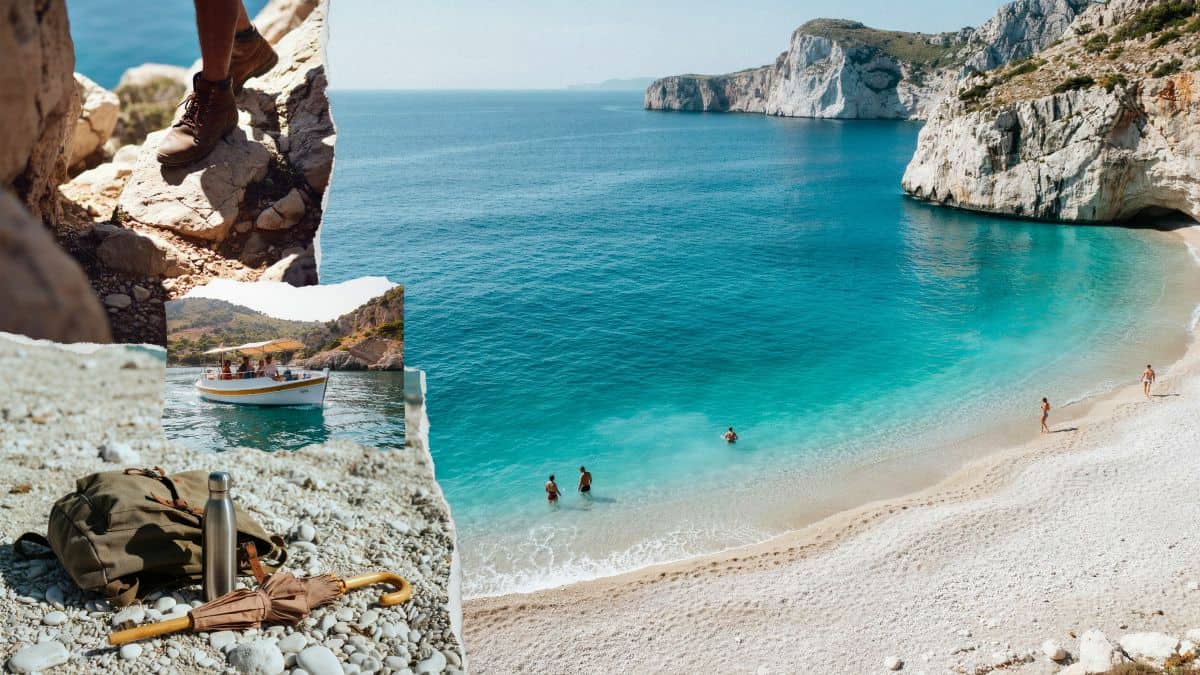
Image generated with Ai
It’s increasingly popular for tourists from Greece and the UK to visit the Seychelles Beach in Ikaria. Experts say this trend shows a growing preference for nature-oriented tourism. Mass tourism is no longer dominant, the Greek National Tourism Organisation (GNTO) confirmed. Traditionally, Greece has been associated with mass tourism. Tour operators from both countries promote Greec-bound sustainable tourism. Greece needs to sustain tourism for its economy. Also, conservation of the fragile Mediterranean ecosystems has to be guaranteed for the future.
A Geological Wonder on the Ikarian Coast
The striking bay lies on the southern Ikarian coast. It sits near the small fishing village of Magganitis. Seychelles Beach in Ikaria was not naturally formed initially. A severe landslide accidentally created this exotic bay. This unique geological event occurred during tunnel construction in 1985. The result is a striking landscape of magnificent granite rocks. Bright white pebbles contrast sharply with deep turquoise waters.
Advertisement
Advertisement
The Greek Ministry of Tourism classifies the bay as unspoilt. Official regional reports highlight its pristine and untouched environmental status. According to UN Tourism data, such locations are increasingly valuable. Travellers actively seek out these remote, unorganised coastal regions. They prioritise ecological preservation over luxury hotel amenities.
Essential Travel Logistics and Access
Accessing the secluded area requires careful travel preparation. Local authorities intentionally maintain the region as completely undeveloped. The Ministry of Transport regulates the local infrastructure rigorously. Travellers have two primary transport options to arrive safely.
Advertisement
Advertisement
Primary Access Routes
- By Foot: Park on the designated main coastal road above.
- The Path: Descend a steep, rocky, and uneven natural footpath.
- Duration: The hike requires roughly 10 to 15 minutes.
- Footwear: Sturdy, grippy shoes are officially recommended for safety.
- By Boat: Regulated water taxis operate from Magganitis port.
- Organised Trips: Summer boat tours depart from Agios Kirykos.
- Alternative Hubs: Armenistis offers official summer coastal boat connections.
Strict Environmental Preservation Rules
There are absolutely no commercial facilities at the bay. Tavernas and sunbeds are entirely absent from the shore. Natural shade is practically non-existent along the grey granite rocks. The Hellenic Republic actively legislates to protect vulnerable coastlines. A government spokesperson confirmed these strict sustainability targets recently.
Advertisement
Advertisement
Visitors must carry their own drinking water and food. Umbrellas are strictly necessary for adequate personal sun protection. Environmental regulations mandate that tourists remove all personal rubbish. This strict zero-waste policy protects the delicate local marine ecosystem. Littering carries severe financial penalties under updated Greek environmental laws. Local police enforce these protection regulations heavily during peak summer.
The Rise of Secluded Aegean Bays
Official tourism sources note a massive shift in visitor preferences. Tourists actively seek out isolated and pristine Greek environments. These hidden gems lack massive commercial tourism infrastructure. The Greek National Tourism Organisation promotes this eco-conscious trend globally. Data from the World Travel and Tourism Council corroborates this. The WTTC notes a phenomenal surge in nature-based tourism revenue.
Advertisement
Advertisement
The UK Home Office tracks shifting international travel patterns. Fewer travellers book massive, all-inclusive Mediterranean holiday resort packages. Instead, they seek out untouched Greek destinations across the region. UK flag-carrier airlines are expanding their regional summer flight schedules. British Airways noted a distinct rise in alternative Greek routes.
Northern Expansion in Sithonia, Halkidiki
Northern Greece leans heavily into sustainable nature-focused travel initiatives. The Halkidiki Tourism Organisation heavily promotes Sithonia’s natural ecological assets. Porto Koufo represents a prime example of this green development. It was formerly an ancient and strategic military submarine base. Now, it boasts the deepest natural harbour in the Mediterranean. Officials are carefully developing Porto Koufo for active eco-tourism.
Nearby pristine locations include Kastri beach and Kavourotripes. Kavourotripes is frequently referred to by tourists as Orange Beach. These destinations draw visitors strictly for their profound geographical isolation. They feature Caribbean-like turquoise waters and minimal heavy tourist facilities. Local zoning laws strictly prohibit new commercial hotel constructions there.
Conservation in the Ionian Islands
The tiny island of Antipaxi showcases exceptional natural environmental preservation. Its larger neighbour, Paxos, receives significantly more daily tourist traffic. Antipaxi is officially promoted for its exotic, unorganised beaches. The Ionian Islands Regional Authority manages its eco-tourism development programme.
Advertisement
Advertisement
| Feature | Antipaxi Policy | Paxos Comparison |
| Beach Facilities | Strictly unorganised | Highly commercialised |
| Hiking Trails | Protected eco-routes | General public access |
| Development | Heavily restricted | Moderately regulated |
| Focus | Nature conservation | Broad tourism appeal |
The island maintains several designated eco-tourism hiking trails. Its natural carbon footprint remains exceptionally and intentionally low. Government policies actively restrict large-scale commercial property development here. The Ministry of Environment closely monitors the island’s water usage.
Ultimate Seclusion in the Fourni Islands
The Fourni Islands sit quietly in the North Aegean Sea. This secluded island cluster is located very near Ikaria. It appeals to tourists seeking ultimate geographical and digital seclusion. The Hellenic Ministry of Tourism highlights its astonishing untouched beauty. Beaches like Kasidi are officially famous for their golden sand. Agia Triada beach offers another highly secluded coastal option.
These shores entirely lack organised and commercial beach clubs. Visitors rely entirely on natural tamarisk trees for organic shade. The maritime ecosystem here remains pristine and largely undisturbed. The Ministry of Maritime Affairs manages the local fisheries strictly. Sustainable traditional fishing remains a primary local economic driver here.
Conclusion
How we travel has changed. The shift in consumer behavior has altered the European summer travel destination. Remote, pristine locations have stolen the market share from overdeveloped beach destinations. The Greek Tourism Board and the UK have taken notice. Seychelles beach in Ikaria is one of these locations. Europe’s strict and sustainable approach to economic development balances the needs of the tourism and conservation sectors. Other countries would benefit from reviewing the Greek model.
Advertisement
