

Gourock and Scarborough Emerge Alongside Other UK Destinations as Northern Lights Paint Britain’s Skies Pink and Green

Published
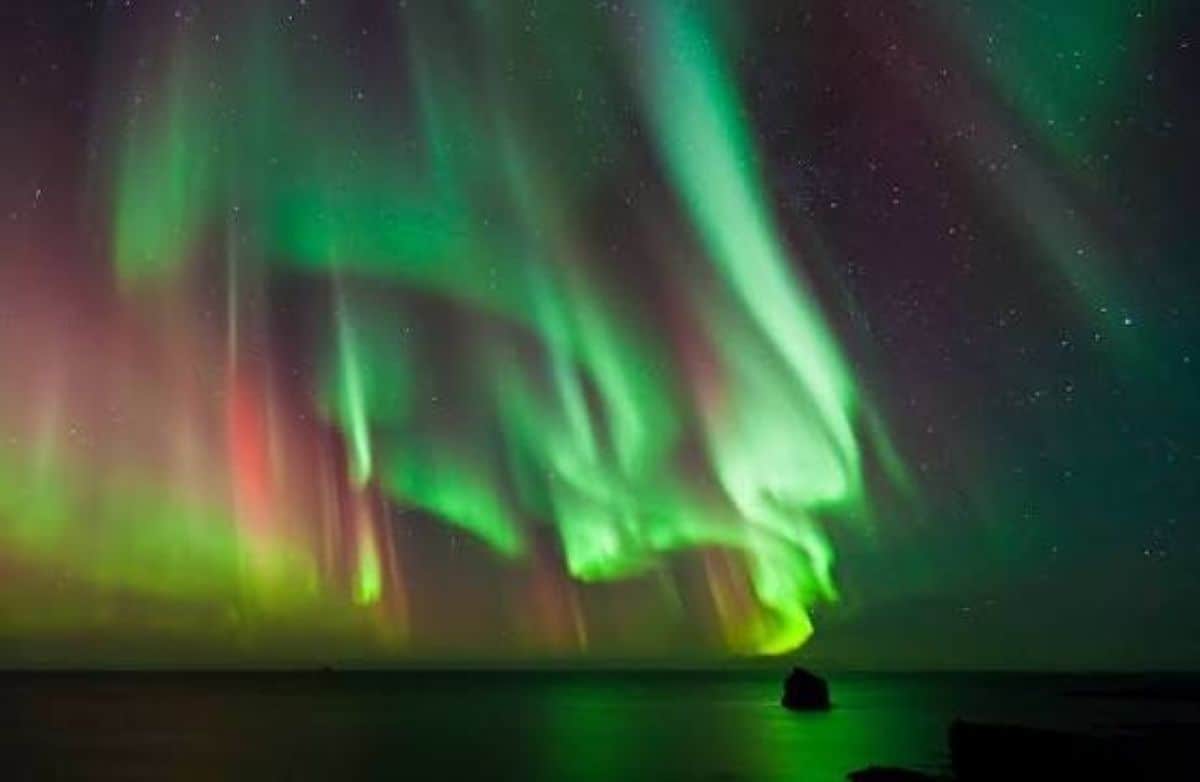
Residents and visitors across the United Kingdom witnessed spectacular Northern Lights displays on Friday, 9 October, and Saturday, 10 October 2026. Unusually strong geomagnetic activity brought vivid pink, green and purple hues to skies across Scotland, England and Wales. Sightings extended from Orkney and Cumbria to Devon, Hampshire and Kent, creating an exceptional opportunity for autumn skywatching. The Met Office indicated that further sightings could remain possible until Tuesday, depending on solar activity and local weather conditions. For travellers, the phenomenon offers a timely reason to explore Britain’s rural landscapes, coastal viewpoints and dark-sky destinations. However, clear skies, minimal light pollution and an unobstructed northern horizon remain essential for successful viewing.
Britain’s Aurora Display Reaches Far Beyond Scotland
The latest display demonstrated how powerful solar activity can bring the aurora borealis well beyond its usual viewing areas. Although Scotland and northern England generally offer better opportunities, the lights appeared across southern England during the October event. That geographical reach made the spectacle particularly significant for residents and visitors who rarely experience auroral activity.
According to the supplied BBC Weather report, geomagnetic activity reached approximately 600 nanotesla on Saturday evening. The report contrasted this with around 200 nanotesla, a level associated with visibility in northern parts of the UK rather than the south. These figures illustrate the unusually extensive reach of this particular event, although nanotesla measurements alone do not determine whether every location will see the aurora.
The displays also offered a striking visual contrast across Britain’s landscapes. Pink and green curtains appeared above northern coastlines, while purple and pink glows illuminated southern horizons. For tourism businesses, the event highlighted the potential of dark-sky experiences beyond traditional daytime sightseeing.
Advertisement
Advertisement
The Met Office advises viewers to prioritise darkness, clear weather and north-facing viewpoints. Its official guidance explains why northern Scotland, northern England, North Wales and Northern Ireland frequently offer favourable viewing conditions. During stronger geomagnetic storms, however, the aurora can become visible much farther south.
Where Visitors Witnessed the Northern Lights
The October sightings covered a remarkably broad geographical area. From the Scottish islands to the English Channel-facing counties, observers recorded colourful displays against coastal, rural and urban landscapes. The following destinations appeared in the supplied report and provide a useful geographical guide for readers.
Advertisement
Advertisement
| Destination | Country or region | Reported visual display | Travel relevance |
|---|---|---|---|
| Stenness, Orkney Islands | Scotland | Pink and green hues above houses | Remote island landscapes and dark skies |
| Gourock, Inverclyde | Scotland | Pink, blue and green colours | Coastal viewpoints across the Firth of Clyde |
| Saltburn-by-the-Sea, North Yorkshire | England | Green and purple hues | Seaside walks and coastal scenery |
| Scarborough, North Yorkshire | England | Pink glow above the town’s skyline | Combines seaside tourism with evening skywatching |
| Kendal, Cumbria | England | Pink and green hues beside silhouetted branches | Gateway to Lake District landscapes |
| Winterton-on-Sea, Norfolk | England | Pink haze near the horizon | Coastal scenery and relatively open eastern horizons |
| Owston Ferry, North Lincolnshire | England | Purple haze | Rural surroundings away from major urban centres |
| Clawddnewydd, Denbighshire | Wales | Purple, pink and green hues reflected on water | Countryside and quiet rural viewpoints |
| Tenby, Pembrokeshire | Wales | Purple aurora above the harbour and boats | Harbour scenery and coastal tourism |
| Llangefni, Anglesey | Wales | Pink and purple hues | Island landscapes and rural night skies |
| Herne Bay, Kent | England | Yellow and pink colours above the urban skyline | Accessible seaside viewing in southeast England |
| Holmwood, Surrey | England | Pink, blue and green colours | Countryside within reach of London |
| Salisbury, Wiltshire | England | Pink glow above the horizon | Historic attractions and surrounding rural landscapes |
These locations represent reported sightings, not a ranking of the best places for future displays. Visibility varies considerably between nights, even within the same county. Visitors should therefore check both the latest space-weather outlook and local cloud forecasts before travelling.
The report also identified sightings as far south as Devon and Hampshire, demonstrating that the phenomenon extended beyond the locations featured in its photographs. However, the supplied report did not name specific viewing sites in Devon. Travellers should avoid interpreting these broad regional references as confirmation that every town or coastal stretch experienced the same conditions.
Advertisement
Advertisement
Which Dark-Sky Destinations Merit a Visit
For travellers hoping to combine aurora watching with a wider British holiday, destinations with limited artificial lighting offer a practical starting point. They cannot guarantee an aurora sighting, but their landscapes and night skies can make an evening outdoors worthwhile even when solar activity weakens.
Orkney Islands, Scotland
Orkney featured prominently in the latest sightings, with Stenness recording pink and green auroral colours. Its island setting, open horizons and rural landscapes make it appealing for travellers seeking quieter night-sky experiences. Visitors should check ferry arrangements, accommodation availability and local forecasts before making an overnight trip.
Northumberland, England
Advertisement
Advertisement
Northumberland offers an established dark-sky tourism proposition, including Kielder Water and Forest Park. Travellers can combine countryside walks, observatory experiences and overnight stays with aurora watching when conditions permit. Its wider appeal makes it suitable for visitors planning a longer astronomy-focused break.
Cumbria and the Lake District, England
Kendal’s reported display placed Cumbria firmly within the latest aurora story. Travellers can use the area as a base for exploring lakes, mountain scenery and rural settlements. However, cloud cover and artificial lighting can vary significantly between the town centre and more remote locations.
Bannau Brycheiniog, Wales
This national park is recognised for its dark-sky appeal and wider stargazing opportunities. It offers a compelling alternative for visitors exploring Welsh countryside, although aurora sightings remain dependent on geomagnetic strength. Rural roads require particular care after dark, especially in unfamiliar terrain.
Tenby and Pembrokeshire, Wales
Advertisement
Advertisement
Tenby delivered one of the report’s most picturesque harbour-side sightings. The combination of coastal scenery, historic streets and maritime views creates an appealing autumn travel experience. Visitors should choose safe public viewpoints and check access arrangements before heading towards beaches or exposed coastal paths at night.
Why Solar Activity Changed the Viewing Map
The aurora borealis develops when charged particles from the Sun interact with Earth’s magnetic field and upper atmosphere. Powerful eruptions can send large quantities of magnetised plasma into space through events known as coronal mass ejections, or CMEs. When these eruptions reach Earth and conditions favour a strong geomagnetic response, the auroral oval can expand towards lower latitudes.
Earth’s atmosphere produces the characteristic colours when energetic particles collide with atmospheric gases. Oxygen commonly produces green light, while oxygen at greater altitudes can generate red emissions. Nitrogen contributes blue and purple hues, helping create the multicoloured displays captured across Britain.
The intensity of the solar event matters, but it is not the only factor. The timing of the disturbance, its magnetic orientation and the darkness of the local sky all influence what observers experience. Consequently, a strong forecast does not guarantee a vivid display at a particular destination.
The Sun follows an approximately 11-year solar cycle, moving between periods of lower and higher activity. Increased activity can create more opportunities for auroras at lower latitudes, although individual events remain unpredictable. The supplied report identifies 2026 as a favourable year for aurora watching, but travellers should rely on current forecasts rather than annual expectations alone.
How Travellers Can Improve Their Chances
The most effective strategy combines space-weather monitoring with careful destination planning. Travellers should not assume that a location which recorded the aurora on Saturday will necessarily offer the best conditions on another night. Local cloud cover, artificial lighting and changing geomagnetic activity can quickly alter the outlook.
Advertisement
Advertisement
| Viewing factor | What travellers should do | Why it matters |
|---|---|---|
| Space-weather forecast | Check the latest Met Office aurora guidance | Solar conditions change rapidly |
| Cloud cover | Review the hourly local weather forecast | Clouds can obscure the display |
| Light pollution | Move away from brightly lit town centres | Darkness improves contrast |
| Viewing direction | Find a location with an unobstructed northern horizon | The aurora may appear low in the northern sky |
| Timing | Remain flexible throughout the evening and night | Activity can strengthen or weaken unexpectedly |
| Photography | Use night mode or a longer exposure where available | Cameras can reveal colours that appear faint to the naked eye |
| Clothing | Wear warm layers and weather-resistant outerwear | Autumn nights can become cold and damp |
| Access and safety | Use permitted public viewpoints and check local restrictions | Coastal paths, remote roads and unfamiliar terrain pose risks |
The Met Office recommends seeking dark, clear skies and looking northwards. Its guidance also explains why a mobile phone camera may capture colours that are difficult to distinguish with the naked eye. Cameras can gather light over a longer exposure, making faint pink, green or purple tones more apparent.
However, photography should complement the experience rather than replace it. Visitors can begin with a short observation period and allow their eyes to adjust to the darkness. They should avoid shining bright torches towards other observers or using vehicle headlights unnecessarily.
Travel planning also requires practical judgement. A remote viewpoint may offer darker skies, but it could lack toilets, mobile coverage or safe parking. Visitors should check access before departure and avoid stopping on narrow roads simply because the horizon looks promising.
Why Autumn Appeals to Aurora Watchers
October offers two advantages for travellers interested in night-sky experiences. Nights grow longer across the UK, while the September and October equinox period is often favourable for aurora observations. Nevertheless, seasonal timing cannot replace the need for a suitable solar event and clear local weather.
The appeal extends beyond the Northern Lights themselves. Visitors can combine evening skywatching with coastal walks, countryside accommodation, national park visits and local food experiences. This makes dark-sky travel relevant to destinations seeking to attract visitors beyond conventional summer holidays.
Britain’s established stargazing destinations already provide a foundation for this type of tourism. Northumberland, the Lake District, Wales’s national parks and Scotland’s remote islands offer landscapes suited to wider astronomy and nature-based itineraries. Some locations also host guided sessions, observatory events and dark-sky festivals.
Advertisement
Advertisement
The distinction between astrotourism and aurora chasing is important. Astrotourism encompasses stargazing, astronomy education and dark-sky experiences, whereas aurora chasing involves responding to a short-lived natural event. A broader itinerary reduces the risk of disappointment when the lights fail to appear.
What the Display Means for Tourism Businesses
The latest sightings provide a useful reminder that natural phenomena can influence visitor interest with little notice. Accommodation providers, tour operators, local attractions and destination marketing organisations may experience increased enquiries when striking images circulate widely. However, the scale of any resulting demand depends on accessibility, weather, transport and the duration of the event.
For rural destinations, aurora viewing could complement existing nature-based tourism products. Businesses can promote astronomy sessions, guided night walks and accommodation suited to dark-sky experiences. Nevertheless, they should avoid promising sightings or advertising a particular night as guaranteed.
A flexible product is more credible than an aurora-only package. Operators could offer stargazing, landscape photography or guided night-sky interpretation alongside local heritage and daytime activities. Such options give visitors worthwhile experiences even when the aurora remains invisible.
Destination managers also need to consider pressure on sensitive landscapes. Sudden crowds can create parking problems, disturb wildlife and generate litter near beaches or rural viewpoints. Clear visitor guidance, responsible parking arrangements and respect for residential areas are therefore important when interest surges.
The wider commercial opportunity lies in extending the season rather than relying on exceptional solar events. Autumn and winter already offer longer nights for astronomy-related activities. Aurora sightings can strengthen that proposition, but sustainable tourism requires dependable experiences that do not depend on unpredictable space weather.
Advertisement
Advertisement
How Britain Compares With Traditional Aurora Destinations
Scotland and northern Britain offer opportunities to see the aurora without travelling overseas. However, their latitude means sightings remain less dependable than in destinations closer to the usual auroral belt. Travellers should distinguish between places suitable for general stargazing and locations where auroras appear frequently.
| Destination | Typical aurora prospects | Wider travel appeal | Key consideration |
|---|---|---|---|
| Northern Scotland and Orkney | Better UK prospects during suitable geomagnetic conditions | Islands, coastlines and remote landscapes | Weather and transport connections |
| Northern England | Occasional displays, especially during stronger activity | National parks, heritage and countryside | Light pollution varies by location |
| Wales and southern England | Less frequent; visibility improves during strong events | Coastal towns, historic sites and rural breaks | A clear northern horizon is particularly valuable |
| Iceland | Generally more favourable because of its northern latitude | Geothermal landscapes and winter excursions | Cloud cover and changing weather |
| Northern Norway | Established aurora tourism in high-latitude regions | Arctic scenery and winter activities | Seasonal conditions and local weather |
| Finnish Lapland | Established aurora-focused travel experiences | Forests, winter recreation and Arctic accommodation | Cold weather and variable visibility |
This comparison describes broad geographical advantages rather than a forecast for any particular night. Even destinations close to the Arctic can experience cloudy skies or weak auroral activity. Conversely, an unusually strong geomagnetic storm can bring displays much farther south than usual.
For visitors already travelling within Britain, the latest event shows that overseas travel is not always necessary to experience an aurora. For those planning a dedicated aurora holiday, however, latitude, trip duration and flexibility remain important considerations.
Official Forecasts and Visitor Resources
Travellers should consult official guidance before making a late-night journey. The Met Office provides information about aurora activity and viewing conditions, while VisitBritain highlights dark-sky destinations and stargazing experiences across the country.
| Resource | How it helps travellers | Official link |
|---|---|---|
| Met Office Northern Lights Guide | Explains aurora science, viewing locations and practical tips | Northern Lights guidance |
| Met Office Aurora Information | Provides further information about auroras and their visibility | Aurora guidance |
| VisitBritain Dark-Sky Guide | Highlights national parks, stargazing festivals and astronomy experiences | Exploring Dark Skies in Britain |
These resources serve different purposes. The Met Office helps visitors understand whether conditions may support a sighting, while VisitBritain provides destination inspiration for a broader trip. Travellers should check current information before departure because forecasts and event arrangements can change.
Britain’s Dark Skies Offer More Than One Night
The October display has placed Britain’s diverse landscapes in the spotlight, from Orkney’s remote islands to the coastlines of Kent and Pembrokeshire. For travellers, the opportunity extends beyond witnessing a rare celestial spectacle. Dark-sky destinations offer memorable autumn breaks, photography opportunities and nature-based experiences throughout the colder months.
Advertisement
Advertisement
However, successful viewing depends on a combination of solar activity, darkness and favourable weather. Visitors should monitor official forecasts, select safe viewpoints and keep alternative activities in their itineraries. Tourism businesses can also benefit by developing astronomy experiences without guaranteeing aurora sightings. Ultimately, Britain’s latest display demonstrates how an unpredictable natural phenomenon can inspire travel while strengthening interest in the country’s quieter landscapes.
Advertisement
