
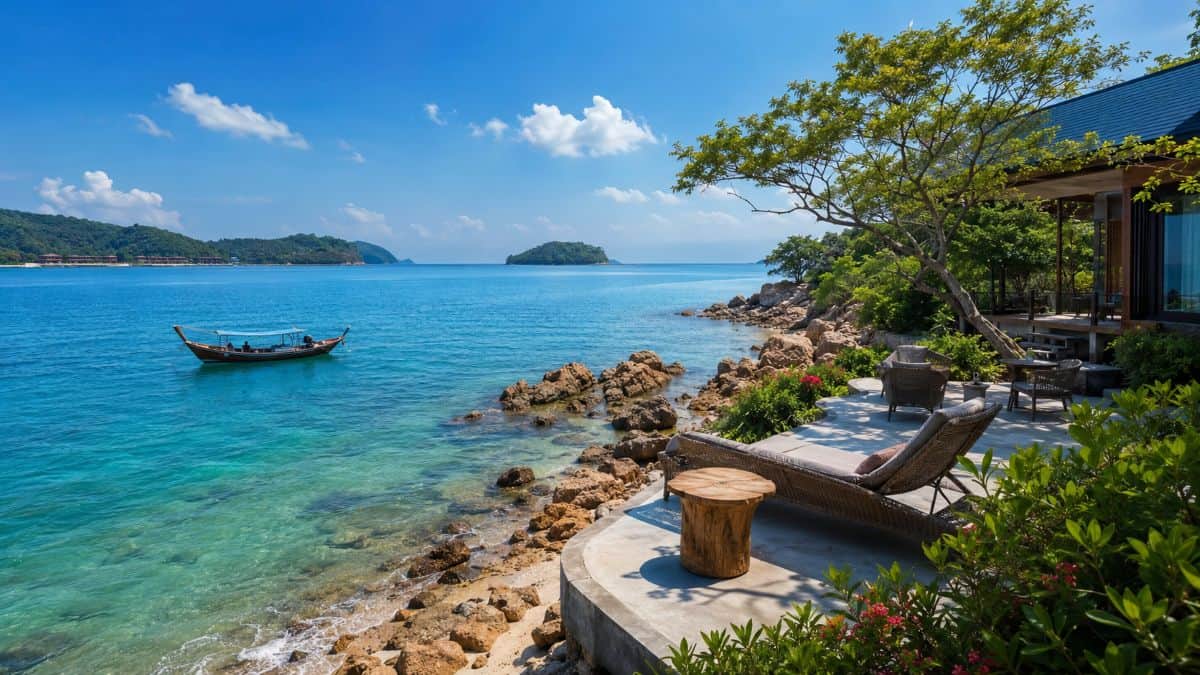
Image generated with Ai
Cambodia is expanding its tourism narrative beyond its globally renowned archaeological treasures by positioning its coastal destination of Kep as an emerging hub where art, marine conservation, sustainable hospitality, and cultural tourism converge. The initiative reflects a broader regional movement across Southeast Asia, where destinations increasingly seek to diversify visitor experiences beyond traditional sightseeing. Rather than relying solely on beaches or heritage attractions, Kep is introducing an integrated tourism model that combines artist residencies, environmental stewardship, community engagement, and authentic Khmer cultural experiences. This evolving approach has attracted attention from travel observers because it presents an alternative vision of coastal tourism that values creativity alongside environmental responsibility.
The transformation also highlights the growing importance of experience-driven travel across Cambodia, Thailand, Vietnam, and Singapore, where visitors increasingly prioritize meaningful cultural encounters over conventional resort holidays. Kep’s ongoing initiatives demonstrate how tourism, conservation, and artistic expression can contribute to destination development while encouraging local participation. Although ambitious projects remain under development, the destination illustrates how smaller coastal communities can strengthen their tourism appeal through sustainable planning, cultural investment, and responsible destination management. These developments reinforce Cambodia’s commitment to broadening its tourism portfolio while offering travelers distinctive experiences beyond the country’s traditional tourism circuits.
Advertisement
| Tourism Element | Visitor Experience | Travel Significance |
|---|---|---|
| Artist Residency | Meet resident artists | Cultural immersion |
| Marine Conservation | Coastal sustainability | Responsible tourism |
| Local Heritage | Traditional fishing communities | Authentic experiences |
| Luxury Hospitality | Sustainable resort stays | Premium tourism |
| Community Engagement | Local storytelling | Experiential travel |
Kep has long been known for its seafood, quiet beaches, colonial-era villas, and relaxed atmosphere. Today, the destination is adding another dimension by integrating contemporary art into its tourism landscape. The initiative combines artist residencies with local engagement, allowing creators to draw inspiration from fishing communities, marine ecosystems, and Kep’s evolving coastal identity. This approach provides visitors with opportunities to experience authentic Cambodian culture beyond traditional sightseeing while supporting the destination’s long-term tourism diversification.
| Initiative | Tourism Benefit |
|---|---|
| Artist Residencies | Year-round cultural attractions |
| Marine Conservation | Environmental awareness |
| Community Projects | Inclusive tourism development |
| Cultural Events | Increased destination appeal |
| Sustainable Hospitality | Responsible visitor experiences |
The emerging tourism strategy emphasizes that environmental sustainability and creative industries can complement each other. Artists spend time engaging with local fishing communities, observing marine ecosystems, and developing works inspired by Kep’s coastal heritage. This relationship encourages visitors to appreciate not only natural scenery but also the cultural narratives that shape the destination.
Advertisement
Such integrated tourism models are increasingly valued because they create memorable travel experiences while supporting conservation awareness and strengthening local economies through cultural participation.
| Sustainability Focus | Expected Impact |
|---|---|
| Marine Protection | Healthier coastal ecosystems |
| Community Participation | Stronger local economy |
| Responsible Development | Balanced tourism growth |
| Cultural Preservation | Enhanced destination identity |
Global travelers increasingly seek destinations demonstrating environmental responsibility. Kep’s sustainability initiatives align with this trend by encouraging responsible travel practices alongside luxury hospitality.
The integration of conservation into tourism helps strengthen visitor confidence while ensuring that natural resources remain protected for future generations. Rather than focusing solely on infrastructure expansion, Kep is gradually developing an identity centered on responsible travel and environmental stewardship.
| Cultural Attraction | Visitor Value |
|---|---|
| Local Fishermen Stories | Authentic cultural learning |
| Khmer Heritage | Historical appreciation |
| Contemporary Art | Creative exploration |
| Coastal Communities | Community interaction |
Modern travelers increasingly value destinations where cultural experiences extend beyond museums and monuments. Kep offers visitors opportunities to discover local traditions through conversations with community members, artistic interpretation, seafood culture, and historical landscapes.
These experiences contribute to longer visitor stays and encourage repeat tourism by offering deeper engagement with Cambodian culture. Such experiential tourism aligns with broader international travel trends emphasizing authenticity and meaningful cultural exchange.
| Challenge | Tourism Consideration |
|---|---|
| Coastal Redevelopment | Balancing growth and heritage |
| Cultural Authenticity | Preserving local identity |
| Environmental Protection | Sustainable infrastructure |
| Long-term Investment | Destination resilience |
While Kep’s transformation presents exciting opportunities, it also illustrates the complexities of destination development. Coastal redevelopment, conservation priorities, artistic independence, and long-term investment require careful management to maintain authenticity while supporting tourism growth.
Balanced planning remains essential to ensure tourism benefits local communities without compromising environmental sustainability or cultural heritage.
| Travel Trend | Visitor Benefit |
|---|---|
| Creative Tourism | Unique holiday experiences |
| Eco Tourism | Responsible travel |
| Cultural Tourism | Authentic local interaction |
| Luxury Experiences | Sustainable premium stays |
| Slow Travel | Longer destination exploration |
Travelers exploring Cambodia can increasingly combine heritage attractions such as Angkor with coastal experiences in Kep, creating more diverse itineraries. The destination’s blend of sustainability, art, marine conservation, and community engagement appeals to visitors seeking immersive travel rather than conventional beach holidays.
For regional travelers from Thailand, Vietnam, and Singapore, Kep represents an accessible destination offering cultural depth alongside coastal relaxation, contributing to Cambodia’s growing appeal within Southeast Asia’s competitive tourism market.
Kep demonstrates how smaller destinations can evolve through thoughtful tourism planning that prioritizes creativity, sustainability, and community participation. Its combination of artist residencies, marine conservation, responsible hospitality, and authentic Khmer culture offers a compelling model for future destination development.
Although the initiative continues to evolve, it reflects wider global tourism trends that favor meaningful experiences, environmental responsibility, and cultural authenticity. As Cambodia strengthens its tourism portfolio, Kep is positioning itself as a distinctive coastal destination where art, conservation, and travel create lasting value for visitors and local communities alike.
1. Why is Kep becoming a popular travel destination?
Kep combines coastal scenery, sustainable tourism, cultural experiences, seafood, and contemporary art, offering travelers a distinctive alternative to traditional beach destinations.
2. Where is Kep located?
Kep is situated on Cambodia’s southern coastline along the Gulf of Thailand.
3. What makes Kep different from other Cambodian destinations?
Its blend of marine conservation, artist residencies, sustainable resorts, seafood culture, and relaxed coastal atmosphere creates a unique visitor experience.
4. Is Kep suitable for eco-tourism?
Yes. Sustainability and environmental awareness form important components of the destination’s tourism strategy.
5. Can visitors experience local Cambodian culture in Kep?
Yes. Travelers can explore fishing communities, seafood markets, local traditions, and Khmer hospitality.
6. Does Kep offer luxury accommodation?
Yes. The destination includes upscale resorts committed to sustainable hospitality practices.
7. What role does art play in Kep’s tourism development?
Artist residencies and cultural initiatives help create authentic visitor experiences while supporting local creative industries.
8. Is Kep appropriate for slow travel?
Yes. The destination encourages immersive experiences through nature, culture, wellness, and community engagement.
9. How does marine conservation benefit tourism?
Healthy marine ecosystems enhance visitor experiences while supporting long-term environmental sustainability.
10. Why is Kep important for Cambodia’s tourism future?
Kep demonstrates how cultural innovation, environmental responsibility, and authentic community experiences can diversify Cambodia’s tourism offerings beyond its traditional attractions.
Advertisement
Advertisement
Advertisement












Saturday, September 5, 2026

Saturday, September 5, 2026
Saturday, September 5, 2026

Saturday, September 5, 2026

Saturday, September 5, 2026

Saturday, September 5, 2026

Saturday, September 5, 2026

Saturday, September 5, 2026



