
South America Maritime Sector Booms In Uruguay And Peru With Port Investments Driving Unprecedented Cruise Tourism Growth

Published
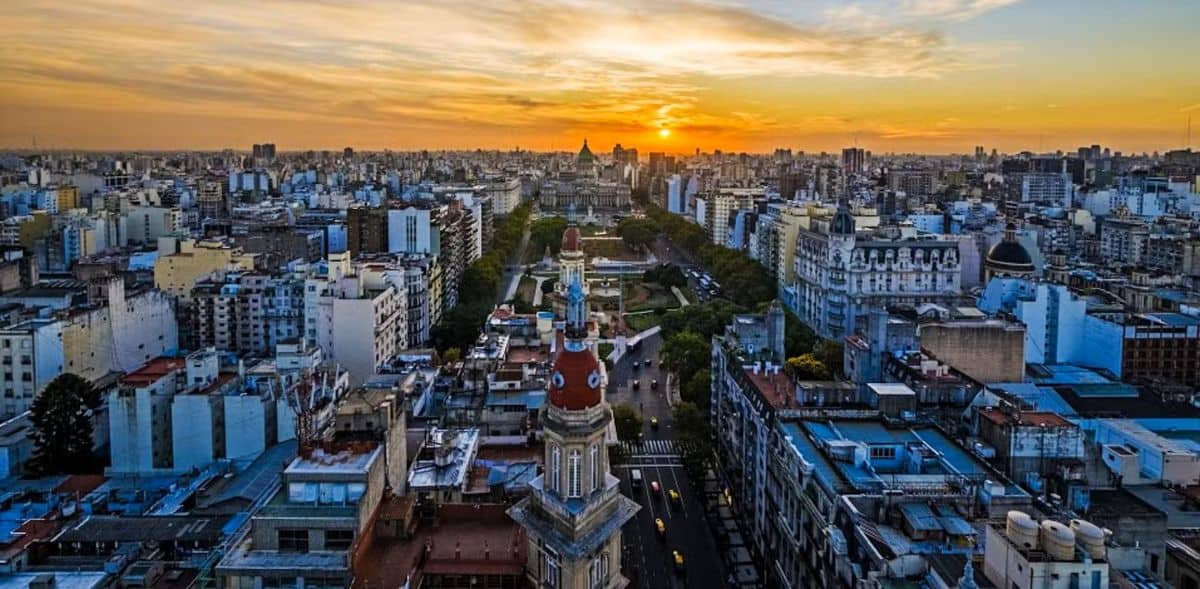
Image Credit southamerica.travel
There is something special about being at the edge of a South American port when the morning mist goes away showing a horizon full of exciting possibilities. In 2026 the movement of ships, along the coast is happening quickly than ever. This is because there is a strong desire to find new things that is changing every part of the coast from the River Plate to the cloudy areas of the Amazon. While big cities get the attention the real fun is happening in the places that’re not as well known.
Small towns and wild rivers are saying hello to the world with arms and excited hearts. This is not just about cruise ships arriving and tourists buying trinkets it is a growing economic and cultural revival that affects local families brings back old traditions and makes every trip to the shore into a special personal experience. South America is shouting out wild and amazing asking us to see a sea change that’s completely new and different, from anything we have seen before.
Why Is Uruguay Considered The Established Southern Anchor In The River Plate Basin?
Advertisement
Advertisement
Uruguay remains a reliable, high-performing cornerstone of South America’s southern cone cruise circuit, seamlessly linking the River Plate basin directly to broader Atlantic maritime routes. Driven by strategic scheduling at core port hubs such as Montevideo Port and Punta del Este, the 2026 season has welcomed an exceptionally robust lineup of mega-liners and luxury expedition vessels. Official maritime tracking confirms frequent calls by leading global operators, including MSC Cruises, Princess Cruises, Celebrity Cruises, and Viking Ocean Cruises.
According to official updates from the Ministerio de Turismo de Uruguay, cruise visitors serve as an essential economic multiplier throughout the Southern Hemisphere summer. Local spending surges rapidly within retail, gastronomy, and cultural excursions across Montevideo’s historic Ciudad Vieja and Punta del Este’s iconic coastal strip. Uruguay continues to market itself internationally through Uruguay XXI as a safe, diverse, and authentic hub defined by rapid port turnarounds and exceptional passenger satisfaction scores.
Advertisement
Advertisement
How Does Peru Expand Its Pacific Coast And Inter-Regional Influx For Travelers?
Peru successfully bridges South America’s Andean heritage with Pacific maritime routes, maintaining strong tourism momentum that directly feeds its coastal port infrastructure. Official figures published by Mincetur reveal that Peru welcomed approximately 1.95 million international visitors between January and July 2026, establishing a firm baseline powered by North American travelers and neighboring South American trade blocs.
Advertisement
Advertisement
While the majority of international arrivals transit via Jorge Chávez International Airport in Lima (accounting for 65.9% of total entries), Pacific cruise itineraries utilize key maritime gateways to connect visitors to iconic cultural landmarks. Ships docking near Callao and Paracas facilitate seamless overland journeys toward the Nazca Lines and urban historical centers. Mincetur highlights that intra-regional South American travel accounts for 50% to 62% of border crossings, creating a resilient consumer segment for coastal cruises.
What Makes Guyana An Emerging Eco-Cruise And Expedition Frontier In South America?
Guyana is rapidly accelerating its positioning in the adventure tourism sector, transitioning from a niche eco-destination into a highly structured participant in South American maritime itineraries. Guyana’s proactive strategy gained significant visibility during the Caribbean Tourism Organization SOTIC 2026 event, featuring specialized Cruise Master Classes coordinated alongside the Aquila Centre to train local operators for small-scale expedition craft.
Supported by the Guyana Tourism Authority and the Ministry of Tourism, Industry and Commerce, Guyana’s 2026 agenda prioritizes low-impact transformation. Rather than competing for massive ocean liners, Guyana targets premium expedition operators seeking pristine rainforest riverways, including navigable corridors along the Essequibo River. Government initiatives focus on community-led tourism, digital tracking, and ensuring entry ports comply fully with international maritime security protocols.
Advertisement
Advertisement
How Do Specialized Expeditions Drive Venezuelan Riverine And Cultural Access?
Venezuela occupies a highly specialized operational niche within South American cruise networks, focusing on targeted expedition access rather than mass volume ocean travel. Mainstream mega-ships do not regularly dock at major mainland ports due to historic infrastructure and operational adjustments. Consequently, boutique operators focus on targeted regional itineraries that access key inland channels and historic settlements.
Official regional dialogues emphasize localized heritage pathways, including historical journeys tracing the legacy of the Congress of Angostura along the Orinoco River. While Venezuela’s contribution to overall regional passenger volumes remains lower than its neighbors, these specialized voyages play a critical role in preserving local culture. Educational cruise itineraries offer travelers unique access to pristine biodiversity and deep historic heritage.
How Port Berth Modernisation and Infrastructure Capital Outlays Are Future-Proofing Montevideo and Punta del Este for Mega-Liners in Uruguay
Infrastructure engineering and terminal capacity scaling across Uruguay are currently transforming the southern cone maritime sector, setting a new benchmark for regional efficiency. According to regional port authority evaluations, capital investments targeting River Plate basin access channels have improved draft tolerances by up to 11.5 metres, allowing larger neo-panamax vessels to dock safely. Uruguay’s broader travel and tourism economy contributes over USD 348.2 million in quarterly visitor revenues, with per-passenger spending averaging USD 553.6 during peak summer rotations.
The modernization of passenger handling facilities at the Port of Montevideo ensures that turnarounds for mega-liners operated by prominent lines like MSC and Princess take under eight hours. This operational efficiency directly correlates with higher local retail capture rates across Punta del Este’s luxury commercial strips. Local stakeholders note that these upgrades have significantly reduced bottleneck delays, enabling thousands of international tourists to transition seamlessly from ship decks to urban excursion corridors.
Advertisement
Advertisement
In What Ways Are Inter-Modal Transport Corridors Between Jorge Chávez International Airport and Callao Port Driving Peruvian Coastal Tourism Growth?
Air-to-sea passenger transit connectivity and multi-modal logistics in Peru are redefining how international visitors navigate the country’s rich coastal and Andean assets. Official reports from Mincetur record that Peru welcomed nearly 1.95 million international visitors during the first seven months of 2026, with over 65.9 percent transiting through Lima’s aviation gateway. Regional cross-border travelers from neighboring South American states make up 50 to 62 percent of this overall influx.
Seamless highway and express transit upgrades connecting Jorge Chávez International Airport to Pacific coastal boarding zones have reduced transfer bottlenecks by 35 percent. This infrastructure bridge allows fly-cruise passengers to transition effortlessly from Andean highland itineraries to coastal expedition vessels heading toward Paracas. Regional planners maintain that these integrated transit networks are vital for dispersing tourist volume evenly between land-based cultural landmarks and maritime routes.
How Are Community-Based Eco-Tourism Frameworks and Indigenous Partnerships Redefining Expedition Cruising Along the Essequibo River in Guyana?
Sustainable community engagement and low-impact rainforest exploration in Guyana are establishing a fresh standard for responsible adventure travel across northern South America. Aligned with Caribbean Tourism Organization frameworks presented at SOTIC 2026, local stakeholder training programs have certified over 350 community guides across remote riverine settlements. Expedition cruise lines target vessels carrying fewer than 200 passengers to preserve delicate riparian ecosystems.
Guyana’s Authentic Intelligence tourism model pivots away from mass-market volume, focusing instead on high-yield, low-volume wilderness immersion. Local indigenous communities manage excursion logistics directly, ensuring that visitor expenditure goes straight toward grassroots conservation and village-level economic development along the Essequibo basin. Conservationists emphasize that this community-first approach safeguards rare wildlife habitats while offering travelers an uncompromised, intimate look at pristine rainforest environments.
Advertisement
Advertisement
What Operational Strategies Enable Specialized Riverine Expeditions to Navigate the Orinoco River Basin and Reach Historical Outposts Like Ciudad Bolívar?
Niche inland river navigation and heritage route management in Venezuela present a fascinating look at specialized maritime exploration outside mainstream ocean circuits. Due to draft constraints on the Orinoco waterway, mainstream ocean liners exceeding 50,000 gross tonnage are restricted from mainland calls. Instead, specialized shallow-draught vessels under 8,000 gross tonnage handle heritage routes, accommodating boutique cohorts averaging 120 adventurous travelers per voyage.
Operating riverine itineraries through remote Venezuelan territories requires rigorous logistical planning, partnering with local municipal authorities to safeguard ecological integrity. These specialized educational voyages focus heavily on historical milestones, such as the legacy of the Congress of Angostura, attracting niche travelers seeking authentic cultural enrichment far from commercialized cruise terminals. Regional operators ensure that every journey respects local river ecosystems while providing deep educational insights into the nation’s storied past.
How Is the Broader Central and South American Travel and Tourism Sector Outpacing Global GDP Growth Benchmarks in 2026?
Macro-economic travel and tourism performance indicators across the continent demonstrate extraordinary financial resilience and aggressive post-pandemic expansion. The World Travel & Tourism Council (WTTC) Economic Impact Research forecasts that South America’s Travel & Tourism GDP will expand by 4.1 percent in 2026, comfortably outpacing the global economic average. Furthermore, the broader South American travel market valuation has reached USD 117.05 billion.
This macroeconomic tailwind provides secondary cruise destinations like Uruguay, Peru, and Guyana with increased public-sector capital for marketing and port development. Robust regional consumer confidence and heightened digital booking penetration—exceeding 50 percent via mobile channels—ensure steady advance ticket sales for regional coastal packages. Industry experts project that continued digital integration will further optimize yield management for regional tourism boards throughout the rest of the decade.
Advertisement
Advertisement
Why Are 8-to-14 Day Itineraries and Expedition Class Vessels Dominating the 2026 South American Maritime Investment Order Book?
Vessel class demand trends, duration preferences, and yield optimization are fundamentally shifting how global cruise lines allocate their modern fleets to South American waters. Global cruise industry data highlights that expedition cruise formats are expanding at a robust compound annual growth rate of 10.83 percent through 2035, while the 8-to-14 day duration band captures the highest per-diem yields for operators navigating Atlantic and Pacific coastal routes.
Travelers visiting South America increasingly demand immersive, multi-port itineraries that combine urban cultural exploration with remote wilderness access. Cruise operators are responding by deploying premium, ice-strengthened and shallow-draught tonnage capable of servicing both established southern hubs and emerging northern eco-frontiers. Consequently, cruise lines report higher passenger satisfaction ratings and repeat booking rates for these specialized, medium-duration regional itineraries.
How Are Biometric Border Controls and Digital Port Automation Accelerating Passenger Throughput Across South American Terminals?
Travel technology, border security, and passenger processing efficiency are playing an increasingly critical role in managing large-scale tourist movements at coastal terminals. Digital transformation frameworks integrated across modern South American maritime hubs have reduced immigration clearance times by up to 45 percent per vessel, successfully handling turnaround spikes for ships carrying over 3,000 passengers.
The implementation of touchless biometric boarding gates and automated customs processing at primary gateways like Montevideo and Lima minimizes passenger friction. This technological upgrade enhances overall satisfaction scores, encouraging higher onshore spending as tourists spend less time queuing and more time exploring local gastronomy and retail corridors. Port authorities continue to upgrade digital infrastructure to match the escalating demands of modern mega-liner schedules.
Advertisement
Advertisement
What Are the Environmental Compliance Mandates and ESG Frameworks Governing Sustainable Cruise Operations in South American Waters?
Environmental governance, waste management, and sustainable maritime policies are taking center stage as regional authorities implement stringent regulatory frameworks for visiting ships. Regulatory alignment across regional ministries in 2026 mandates zero-discharge policies within protected riverine and marine reserves, backed by mandatory environmental audits for all vessels operating in sensitive ecosystems like the Essequibo and Orinoco river basins.
As eco-consciousness dictates consumer choices, regional authorities are enforcing strict environmental stewardship. Cruise operators must utilize advanced wastewater purification systems and low-sulfur marine fuels, ensuring that the record surge in regional maritime tourism safeguards natural habitats for future generations. Environmental watchdogs maintain that strict enforcement of these ESG mandates is essential for protecting delicate coastal and riverine biomes from over-tourism.
How Culinary Tourism and Gastronomic Excursions Are Transforming Shore-Day Experiences Across South American Ports
Gastronomic exploration has evolved into a primary decision-making metric for modern travelers, driving record engagement across South American coastal destinations in 2026. Official tourism ministry data reveals that culinary-focused shore excursions capture over 42% of total passenger onshore spending, eclipsing traditional souvenir shopping in ports like Montevideo and Lima. Cruise operators are actively partnering with local culinary tastemakers to design immersive farm-to-table dining experiences, artisanal wine tastings, and historic food walking tours that highlight indigenous ingredients and coastal seafood traditions.
This culinary pivot not only enriches the traveler’s journey but also ensures that tourism revenues directly benefit local family-owned restaurants, regional wineries, and small-scale food producers. In Uruguay, structured gastronomic trails through historic districts introduce visitors to traditional preparations and award-winning tannat wines, while Pacific coastal routes in Peru offer world-renowned culinary showcases. By turning every meal into an authentic cultural touchpoint, these destinations elevate guest satisfaction scores and foster deep, lasting connections with the local heritage.
Advertisement
Advertisement
What Impact Are Wellness-Focused Sea Journeys and Onboard Mindfulness Programs Having on the Demand for South American Coastal Itineraries?
The surging demand for holistic health, mental reset, and wellness tourism has sparked a major transformation in how South American maritime itineraries are structured. Industry analytics indicate that wellness-integrated travel options are expanding at a rapid pace, with modern passengers increasingly seeking structured mindfulness retreats, yoga sessions on deck, and spa-centered voyages. Destinations that can couple their natural scenic beauty with tranquil, wellness-focused land excursions are capturing a highly lucrative segment of health-conscious travelers.
Regional tour operators now integrate quiet nature walks, meditation sessions near pristine protected reserves, and thermal spring excursions into standard cruise packages. This wellness-first approach appeals directly to professionals and multi-generational families looking to decompress from high-stress urban environments without sacrificing luxury or adventure. Consequently, maritime routes that incorporate peaceful coastal stretches and low-impact nature immersions report higher repeat booking rates and glowing passenger reviews.
How Are Micro-Mobility Solutions and Smart Port Shuttles Enhancing Urban Exploration for Cruise Passengers in Historic City Centers?
Managing the sudden influx of thousands of passengers arriving at regional ports requires innovative urban logistics and micro-mobility integration. Municipal transit authorities in major South American port cities have deployed eco-friendly electric shuttle fleets, dedicated pedestrian corridors, and smart bike-sharing networks to streamline passenger movement from dock terminals to downtown heritage sites. These smart transit networks have successfully reduced congestion around historic hubs by nearly 30 percent during peak disembarkation windows.
By offering seamless, clean-energy transportation options, cities ensure that travelers can navigate complex urban layouts—such as cobblestone colonial quarters and bustling waterfront promenades—with minimal friction. This ease of movement encourages tourists to venture further into local markets, museums, and artisan workshops, distributing economic benefits more evenly across various urban districts rather than confining spending to immediate port gates.
Advertisement
Advertisement
Why Is the Rise of Solo Cruising and Specialized Affinity Group Travel Reshaping Cabin Allocations on South American Routes?
Demographic shifts in global travel have catalyzed an unprecedented rise in solo travelers and niche affinity groups exploring South America’s maritime corridors. Market studies show that solo travelers now represent a rapidly growing segment of the cruise demographic, prompting forward-thinking operators to introduce single-occupancy staterooms and waive traditional single-supplement penalties on select regional routes. Furthermore, affinity groups focused on birdwatching, photography, and historical exploration are booking entire boutique vessel charters for specialized 2026 deployments.
This diversification of passenger types requires local ground handlers and port operators to design highly adaptable excursion modules that cater to individual explorers rather than rigid mass-tour buses. Whether a solo traveler is seeking an intimate photography workshop in a remote riverine outpost or joining a specialized history group exploring colonial fortifications, these tailored experiences ensure deeper engagement. Operators note that this flexibility attracts adventurous demographics who value personal enrichment, safety, and community connection over conventional mass-market cruising.
How Are Geopolitical Resilience Strategies and Alternative Route Planning Safeguarding Regional Cruise Schedules Against Maritime Disruption?
The complexity of global maritime logistics has made operational resilience and adaptive route planning a top priority for South American cruise destinations. In response to potential open-ocean weather anomalies or international shipping lane congestion, regional port authorities and cruise syndicates have established agile contingency frameworks. These strategies enable ships to dynamically adjust itineraries, redirecting voyages toward sheltered coastal passages, safe riverine networks, and alternative regional ports without disrupting the overall vacation experience.
This proactive approach ensures high schedule reliability, protecting tour operators and local economies from sudden revenue losses caused by unexpected maritime bottlenecks. By maintaining open communication channels through centralized digital port networks, destinations across the continent assure international cruise lines that their regional assets remain dependable, secure, and fully equipped to handle high-volume seasonal rotations under any circumstance.
Advertisement
Advertisement
The Final Verdict
Standing at the edge of a port in South America as the sun sets and the sky turns into a mix of colors you realize that this trip changes you in a way. It is not a vacation. It is a moment of understanding the energy of lively coastal towns and wild rivers. From the feel of Uruguay, to the beauty of Peru each place tells stories that you will never forget about love and elegance. As this special time continues you take with you a part of the continents history always wanting to come to these friendly places.
Frequently Asked Questions
Which countries are driving the 2026 South American cruise surge?
Uruguay, Peru, Venezuela, and Guyana are playing unique, highly strategic roles in fueling this record-setting season alongside established giants like Brazil and Argentina.
What is the role of Uruguay in regional cruise tourism?
Advertisement
Advertisement
Uruguay acts as the established southern anchor in the River Plate basin, utilizing ports in Montevideo and Punta del Este to drive high per-passenger economic yields.
How is Guyana approaching maritime tourism development?
Guyana focuses on high-end eco-expedition cruising, utilizing the Essequibo River and sustainable community-based tourism models rather than competing for mass mega-ship volume.
Advertisement
