
Discover the Reopened Deir Samaan Citadel: Your Ultimate Guide to Syria’s Newest Ancient Landmark Opening This Year

Published
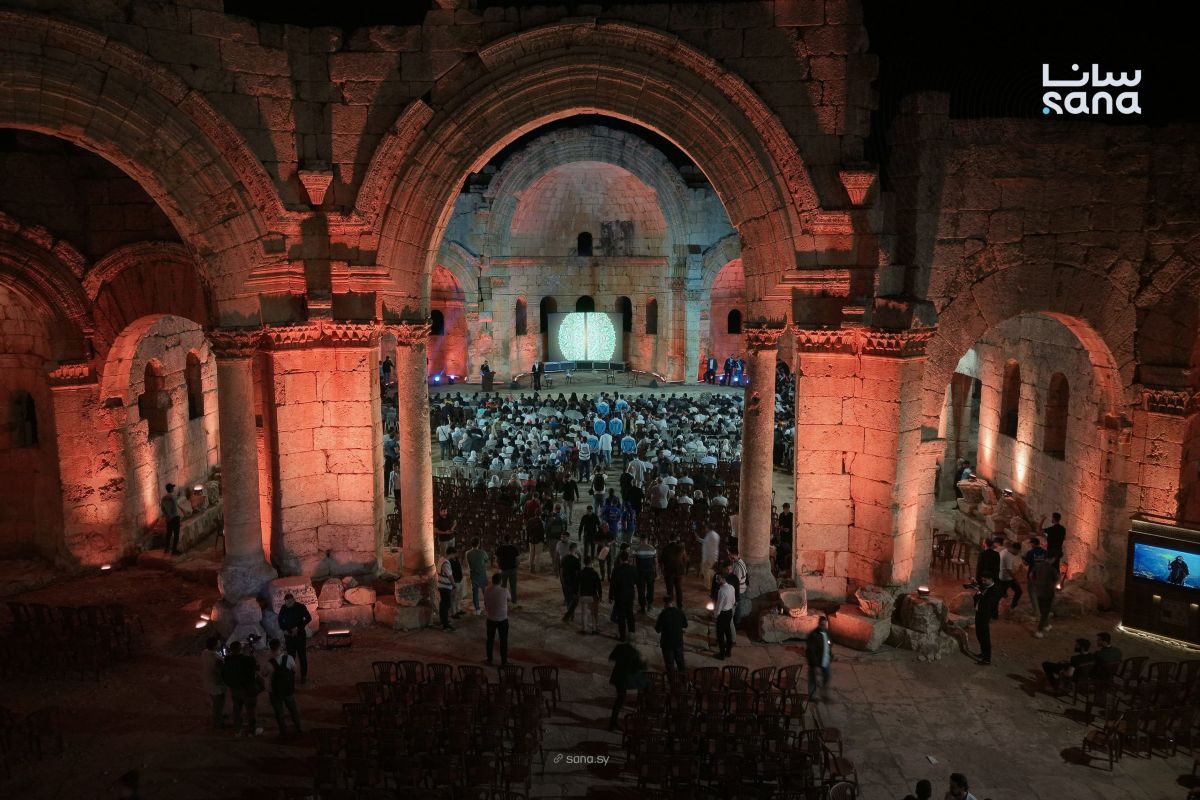
For the heritage lover and globetrotter following the world’s most important cultural and historic recoveries, the official reopening of Deir Samaan Citadel is a travel bucket-list event. This superb fifth-century complex of St Simeon the Stylite in northern Syria has returned to the international tourism map. It’s worth knowing about the recent restoration of this destination if you’re planning your next big cultural trip or searching for historical gems off the beaten track before the crowds descend. Through its complex architectural layers, travellers can gain unique access to a site that has endured centuries of change, as well as to the ancient monastic past and the wider resurgence of national heritage tourism. Read on to discover what makes this historic reopening a global sensation and how you can immerse yourself in the heart of early Byzantine culture.
Frequently Asked Questions
What is the historical significance of the Deir Samaan Citadel?
Deir Samaan, historically known as the shrine and monastery of St Simeon the Stylite, is celebrated as one of the most remarkable survivals of fifth-century Byzantine architecture. Built around the legendary pillar where St Simeon spent decades in ascetic devotion, the sprawling stone complex later evolved into an imposing fortified citadel during the mediaeval conflicts between the Byzantines and Muslims. Its preservation offers archaeologists and visitors an unparalleled glimpse into early Christian monastic life and Byzantine engineering.
Advertisement
Advertisement
Why is the citadel considered a UNESCO World Heritage site?
The citadel forms a core component of the Ancient Villages of Northern Syria, a collection of roughly 40 archaeological sites inscribed collectively as a UNESCO World Heritage property. These settlements showcase remarkable architectural remains of rural life and religious architecture dating from the 1st through the 7th centuries, highlighting a critical transition period in Mediterranean history.
How is Syria supporting its heritage tourism revival?
National tourism recovery initiatives are being spearheaded by cultural ministries and international preservation bodies, focusing on the careful structural stabilization, debris clearance, and site-security enhancement of war-damaged or neglected antiquities. Infrastructure upgrades, signage restoration, and controlled visitor access routes are being implemented to ensure sustainable cultural tourism growth across northern heritage zones.
Advertisement
Advertisement
Architectural Majesty of the Fifth Century
Sprawling across the limestone hills of northern Syria, the Deir Samaan complex remains a breathtaking monument to early Christian asceticism and Byzantine architectural ambition. The core of the sanctuary is anchored by the remnants of the monumental cruciform basilica, constructed in honour of St Simeon the Stylite following his death in 459 AD. Four grand basilicas radiate from a central octagonal courtyard, which once enclosed the sacred pillar itself.
The masonry techniques observed throughout the ruins reflect sophisticated stone-cutting skills, featuring finely dressed ashlar blocks, ornate Corinthian capitals, and intricate friezes carved with geometric and floral motifs. During subsequent centuries, strategic military imperatives transformed the monastic sanctuary into a robust defensive citadel. Thick stone ramparts, watchtowers, and arched gateways were integrated into the existing religious structures, creating a fascinating architectural hybrid where sacred devotion meets military fortification.
Advertisement
Advertisement
The Broader National Tourism Recovery
The reopening of Deir Samaan is not an isolated event; rather, it forms a cornerstone of a wider national strategy aimed at reviving Syria’s heritage tourism sector. According to reports from cultural preservation committees and regional heritage boards, targeted investments have been directed toward securing vital archaeological zones and restoring visitor pathways. Decades of conflict and neglect severely impacted tourist infrastructure across Aleppo and its surrounding countryside, making structural stabilization an urgent priority for historians and local communities alike.
Government data and heritage monitoring reports emphasize that reopening these key historical anchors helps stimulate local economies, fund ongoing conservation labour, and foster community pride in ancestral heritage. While international travel advisories remain nuanced, controlled cultural excursions are gradually being facilitated for researchers, documentary filmmakers, and adventurous heritage tourists. This phased revival underscores a collective global and local commitment to safeguarding humanity’s shared historical ledger against the ravages of time and conflict.
Planning Your Journey: What Travellers Should Know
Navigating a destination undergoing a tourism revival requires careful preparation, situational awareness, and adherence to official guidelines. Visitors interested in witnessing the restored grandeur of Deir Samaan must coordinate through authorized tour operators and secure necessary clearance permits from local heritage authorities. Because basic tourism infrastructure—such as hotels, dining options, and public transportation—is still in the early stages of redevelopment in the immediate vicinity, most travelers choose to base their expeditions out of nearby major urban centres like Aleppo.
The ideal time to visit the citadel is during the spring or autumn months, when mild Mediterranean temperatures make exploring the expansive, open-air archaeological site comfortable. Sturdy walking footwear is strongly recommended, as the terrain across the limestone ridge is uneven and includes ancient staircases, unpaved pathways, and elevated stone terraces. Hiring a certified local guide who specializes in Byzantine history will dramatically enrich the experience, providing deep context regarding the architectural nuances of the standing pillars, baptismal fonts, and defensive walls.
A Testament to Enduring History
The restoration of the Deir Samaan Citadel is a powerful reminder of the strength of a cultural heritage. Northern Syria opens its ancient gates to the world, a monumental chapter of Byzantine history restored to structural dignity. For the history buff, cultural preservationist, or traveller seeking meaningful historical experiences, touring this newly accessible landmark offers a memorable glimpse of the past.
Advertisement
