
Saint Lucia and the Dominican Republic Tourism Comparison Reveals Caribbean Top Nature Heritage and Seasonal Travel Experiences in 2026

Published
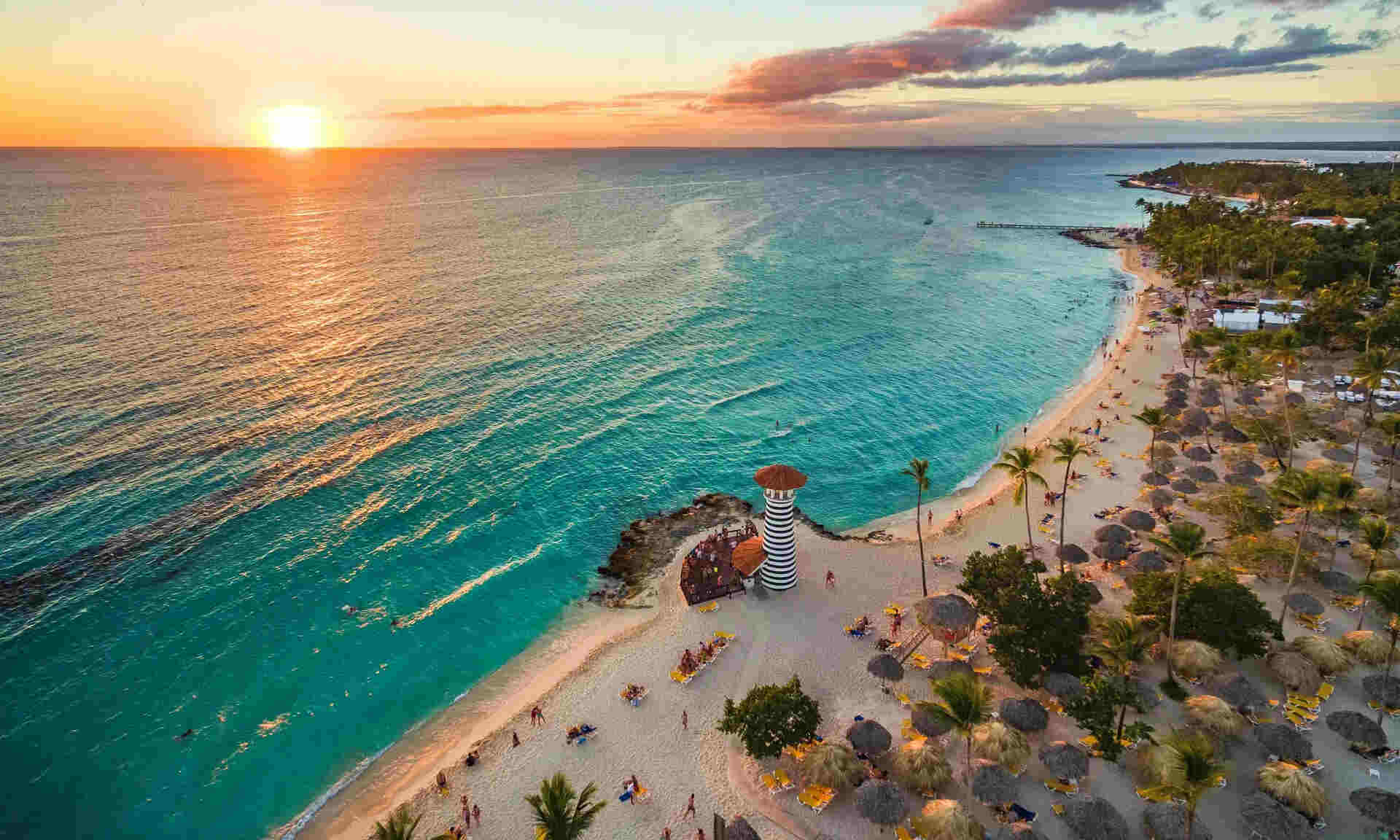
Image generated with Ai
The rapid evolution of the regional travel sector has made a comprehensive comparison 2026 essential for understanding shifting economic dynamics. This year, destination preferences are transforming, moving beyond traditional beach holidays towards highly specialised nature, heritage, and sustainable travel experiences. Official statistics from national ministries highlight historic arrivals and pioneering infrastructure developments across the region. By examining the distinct trajectories of Dominica, Saint Lucia, and the Dominican Republic, industry professionals and travellers can observe how these islands balance unprecedented growth with critical ecological preservation. This factual analysis reveals the underlying strategies driving the Caribbean’s most successful tourism economies.
Background: The Caribbean Tourism Resurgence Leading into 2026
The global travel industry has witnessed a paradigm shift throughout the mid-2020s, transitioning from volume-driven mass tourism towards highly curated, sustainable, and culturally immersive experiences. As of late 2026, the Caribbean region stands at the forefront of this transformation, successfully balancing robust economic recovery with stringent environmental conservation mandates. The latest United Nations Tourism Confidence Index reflects this positive momentum, indicating a cautiously optimistic outlook for the sector. According to official barometers, the index recorded a score of 113 for the September to December 2026 period, surpassing earlier projections and demonstrating undeniable resilience across international markets.
Within this broader hemispheric context, a detailed Caribbean tourism comparison 2026 provides invaluable insights into how individual island nations are capturing distinct market segments. Rather than adopting a monolithic approach, governments across the region are tailoring their national tourism products to leverage their unique geographical, cultural, and ecological assets. This diversification is largely responsible for shielding the Caribbean economy from external shocks, including fluctuating global oil prices and broader inflationary pressures that have tested other international destinations.
Shifting Paradigms from Mass Market to Specialised Travel
The contemporary luxury traveller demands far more than breathtaking aesthetics; they seek effortless connectivity, authentic cultural engagement, and verifiable sustainable practices. Consequently, ministries of tourism have pivoted their marketing and infrastructural strategies to accommodate these evolving preferences. Ecotourism, once considered a niche alternative, has now emerged as a central pillar of national economic planning for several Caribbean states. By integrating conservation efforts with high-end hospitality, destinations are achieving higher per-capita visitor expenditure while simultaneously protecting the fragile biodiversity that makes their islands attractive in the first place.
Advertisement
Advertisement
The Role of the Caribbean Tourism Organization (CTO)
The Caribbean Tourism Organization (CTO) has played an instrumental role in facilitating this regional growth through comprehensive data tracking, strategic market summits, and coordinated international outreach. South America, for instance, emerged as the Caribbean’s strongest-performing source market in 2025, recording a phenomenal 23.7% increase to reach 2.4 million visits. This surge is directly attributed to improved air connectivity, targeted marketing campaigns in emerging economies like Brazil and Argentina, and a concerted effort to diversify away from an over-reliance on traditional North American and European markets. The CTO’s ongoing Air Connectivity Study continues to highlight significant potential for new air services, laying the groundwork for sustained regional prosperity throughout the remainder of the decade.
Advertisement
Advertisement
The Dominican Republic: Volume and New Ecotourism Frontiers
The Dominican Republic has long maintained its status as the undisputed heavyweight of Caribbean tourism in terms of sheer volume and infrastructural capacity. However, the nation is currently undergoing a strategic recalibration. Without abandoning the fundamental “sun and sea” offerings that drove its historic success, the Dominican Republic is actively diversifying its tourism portfolio to encompass pristine natural reserves, heritage trails, and sustainable luxury developments.
2025 and 2026 Statistical Milestones from the Banco Central
Official figures released by the Banco Central de la República Dominicana (BCRD) and the Ministerio de Turismo (MITUR) illustrate the staggering scale of the country’s tourism economy. In 2025, the Dominican Republic welcomed an unprecedented 11.68 million visitors, reflecting a 4.4% increase from the previous year and a massive 54.5% rise compared to the pre-pandemic benchmark of 2019. This total was comprised of 8.86 million air arrivals and an impressive 2.82 million cruise passengers.
The financial windfall from this influx is equally remarkable. Tourism earnings reached approximately $10.97 billion in 2024, continuing a trajectory of double-digit percentage growth. International tourists spent an average of 7.85 nights in the country, with average daily spending hovering around $170.94. The sector remains a critical engine for national employment, directly supporting over 620,000 jobs and contributing to nearly one million roles when factoring in indirect economic multipliers.
Advertisement
Advertisement
Transforming Pedernales and Cabo Rojo into Sustainable Hubs
Perhaps the most significant development in any Caribbean tourism comparison 2026 is the Dominican Republic’s aggressive expansion into the untouched southwestern region of Pedernales. Long isolated from mass tourism circuits, Pedernales is synonymous with pristine nature, arid desert-like landscapes, and crystal-clear waters. The crown jewel of this region is Bahía de las Águilas, widely considered one of the most beautiful and ecologically intact beaches in the insular Caribbean.
To capitalise on this natural wealth without repeating the overdevelopment mistakes of the past, the government, backed by state-owned financial institutions like Banreservas, has launched the Cabo Rojo development project. This public-private partnership is designed under strict Environmental, Social, and Governance (ESG) compliance frameworks. It includes a port capable of accommodating two cruise ships simultaneously, boutique eco-resorts, and cultural centres that honour the region’s indigenous and mining heritage. By prioritising sustainability criteria in the project’s financing structure, the Dominican Republic is ensuring that the economic benefits of tourism extend deeply into previously unbanked and marginalised local communities.
Advertisement
Advertisement
The 2030 National Ecotourism Strategy and Heritage Corridors
To formalise this shift, the Ministry of Tourism, in coordination with the Ministries of Environment and Culture, is advancing a comprehensive National Ecotourism Strategy extending through 2030. This strategy establishes ecotourism as a fundamental pillar of the national economy, focusing heavily on land-use management and the active participation of local populations.
A central component of this strategy is the rollout of five pilot routes designed to distribute tourist footfall across lesser-known territories. Notable corridors include the Pomier – Boca de Nigua route in San Cristóbal, which links the most significant collection of pre-Hispanic rock art in the Caribbean with historical sites vital to understanding the legacy of sugar production and slavery. Another vital route connects the protected areas of the Central Mountain Range to Pico Duarte, the highest peak in the Caribbean, catering directly to the rapidly expanding adventure tourism demographic.
Saint Lucia: Record-Breaking High-Value and Luxury Travel
While the Dominican Republic focuses on balancing immense volume with new ecological frontiers, Saint Lucia provides a fascinating contrast in this Caribbean tourism comparison 2026. The island has firmly positioned itself as the premier destination for high-value, experience-driven luxury travel, leveraging its iconic volcanic landscapes, world-class resorts, and vibrant cultural festivals to attract a highly lucrative demographic.
Remarkable April 2026 Arrivals and Strategic Growth
The Saint Lucia Tourism Authority (SLTA) has reported spectacular, record-breaking figures throughout the first half of 2026. The island welcomed 37,691 stay-over visitors in January alone, representing a steady 4% increase over the previous year. However, it was the spring season that truly highlighted the destination’s soaring global appeal. April 2026 recorded the highest April stay-over arrivals in the island’s history, with 40,752 visitors arriving on its shores—an 8.5% year-over-year increase.
This unprecedented growth is the direct result of strategic market diversification and aggressive airlift negotiations. The Canadian market demonstrated remarkable enthusiasm, registering a massive 45.9% increase in visitors. This surge was heavily supported by expanded aviation partnerships, including WestJet doubling its weekly frequencies and Air Canada significantly upgrading its seat capacity ahead of the summer season. Concurrently, the regional Caribbean market grew by an astonishing 39.6%, underscoring a powerful trend of intra-regional travel that has invigorated local economies across the archipelago.
Advertisement
Advertisement
Government Initiatives and Market Diversification
Dr. Ernest Hilaire, Saint Lucia’s Minister for Tourism, Commerce, Investment, Creative Industries, Culture and Heritage, has publicly noted that the island’s growth is becoming increasingly balanced and experience-driven. Rather than relying solely on traditional winter escape demographics, Saint Lucia is actively promoting year-round travel through dynamic, culturally rooted campaigns. The ongoing “What Kind of Summer Are You?” initiative successfully integrates the island’s vibrant events calendar, including Lucian Carnival, Mercury Fest, Creole Heritage Month, and major sporting fixtures like the Caribbean Premier League (CPL), into a cohesive, highly marketable package.
Cruise, Yachting, and the 2027 CTO Latin American Market Summit
Beyond air arrivals, Saint Lucia’s maritime tourism sectors have demonstrated extraordinary vitality. In April 2026, the destination recorded a 44% increase in yacht arrivals and a 34% increase in cruise passenger arrivals. These figures indicate robust confidence from international maritime operators and suggest that infrastructural investments in port facilities and marina services are yielding substantial dividends.
Furthermore, Saint Lucia’s reputation as a leader in regional tourism strategy was cemented when the Caribbean Tourism Organization announced that the island will host the inaugural CTO Latin American Market Summit in May 2027. Designed to deepen ties between Caribbean stakeholders and the fast-growing South American travel market, the summit will convene airlines, tour operators, and media representatives from across Latin America. This strategic hosting right aligns perfectly with CTO data identifying South America as a primary growth vector, positioning Saint Lucia to capture an even larger share of this highly lucrative emerging market.
Dominica: The Nature Island’s Groundbreaking Green Infrastructure
If Saint Lucia represents luxury and the Dominican Republic represents scaled diversification, the Commonwealth of Dominica embodies the absolute pinnacle of uncompromising sustainable tourism. In any Caribbean tourism comparison 2026, Dominica stands alone as the “Nature Island,” a jurisdiction that has successfully transformed its rugged volcanic terrain, dense rainforests, and profound commitment to ecological preservation into a world-class, highly sought-after tourism product.
Redefining Sustainable Tourism with the World’s Longest Cable Car
The most consequential development currently altering the Caribbean tourism landscape is the imminent completion of Dominica’s revolutionary cable car project. Scheduled to officially launch in December 2025, this engineering marvel is set to become the longest detachable mono cable car system in the world, spanning an incredible 6.6 kilometres across the island’s mountainous interior.
Advertisement
Advertisement
Historically, accessing Dominica’s Boiling Lake—the second largest active volcanic lake in the world—required a gruelling six-hour hike through dense jungle and treacherous volcanic gorges. This physical barrier severely limited the attraction’s viability for mainstream cruise passengers and leisure tourists. The new cable car system will safely transport visitors from the Roseau Valley directly to the rim of the Boiling Lake in just 20 minutes. Designed in partnership with Doppelmayr Engineering, the system will feature up to 65 cabins, accommodating 10 passengers each, and boast a transport capacity of 1,000 people per hour.
Crucially, every aspect of this US-backed project has been designed with an intense focus on environmental stewardship. The system features a minimal terrestrial footprint, intentionally avoiding the carving of destructive access roads through the UNESCO World Heritage-listed Morne Trois Pitons National Park. It operates partially on geothermal power, showcasing Dominica’s commitment to renewable energy integration.
The Discover Dominica Authority’s Cruise and Stayover Statistics
The anticipation surrounding the cable car, alongside aggressive marketing by the Discover Dominica Authority (DDA), has already translated into unprecedented visitor numbers. Officials describe the 2024-2025 cruise season as historic, projecting a massive influx of 375,000 cruise passengers via 235 scheduled ship calls. This represents a staggering escalation from the 314,503 cruise ship visitors hosted in 2023.
Major international operators, including AIDA Cruises, Explora Journeys, Princess Cruises, and Virgin Voyages, have increasingly integrated Dominica into their premier Caribbean itineraries. To prepare for this influx, the government has executed comprehensive upgrades to major tourism sites, improved access roads, and enhanced reception facilities. With 48% of cruise passengers historically participating in shore excursions, the opening of the cable car is expected to dramatically increase in-destination spending and local economic participation rates.
Geothermal Energy and the 2027 International Airport Master Plan
Dominica’s tourism expansion is deeply intertwined with its broader national infrastructure goals. By the end of 2025, a new 10-megawatt geothermal energy plant is scheduled to become fully operational, supplying up to 50% of the island’s peak electricity demand. This critical development will drastically lower energy costs for the hospitality sector while significantly reducing the nation’s carbon emissions, cementing Dominica’s status as a premier green destination.
Advertisement
Advertisement
Simultaneously, the construction of Dominica’s first fully-fledged international airport continues at a rapid pace. Expected to open in 2027, the facility will feature a 2,850-metre runway and a climate-resilient terminal explicitly designed to accommodate direct, wide-body long-haul flights from North America and Europe. This infrastructural leap will entirely remove the current reliance on regional transit hubs, vastly expanding the island’s overnight visitor capacity and stimulating a surge in new eco-resort investments. As Marva Williams, CEO of the Discover Dominica Authority, articulated, these initiatives prove the island is redefining sustainable travel by proving that innovation can fuel resilience while respecting the natural environment.
Comparative Analysis: Navigating Different Economic Models
When executing a comprehensive Caribbean tourism comparison 2026, it becomes evident that there is no singular formula for success in the post-pandemic era. Each of the three destinations analysed operates under vastly different economic parameters, yet all are experiencing record-breaking success by adhering strictly to their respective strategic master plans.
Infrastructure Investments vs. Natural Preservation
The Dominican Republic excels through scale and economic integration. By channelling massive capital investments into previously undeveloped regions like Pedernales, the state is actively decentralising its tourism wealth, ensuring that the economic footprint of its 11.68 million annual visitors is distributed equitably across rural populations. The integration of formal banking structures into these rural communities further amplifies the socioeconomic benefits of this expansion.
Conversely, Saint Lucia demonstrates the immense profitability of premium market positioning. By preserving its bespoke, luxury-oriented brand identity, the island does not require ten million visitors to sustain its economy. Instead, it maximises the yield per visitor through high-end accommodations, exclusive yachting marinas, and globally recognised cultural festivals. The strategic targeting of affluent demographics in North America and emerging markets in South America ensures a high return on investment for the national exchequer.
Dominica represents the vanguard of ecological monetisation. The nation has successfully monetised its preservation efforts, proving that immense infrastructural projects—such as a 6.6-kilometre cable car and a geothermal energy grid—can be executed without compromising ecological integrity. Dominica’s model proves that “green tourism” is no longer a philanthropic endeavour, but rather a highly lucrative, rapidly expanding sector of the global travel market capable of generating hundreds of millions in foreign exchange.
Advertisement
Advertisement
Policy Implications for the Broader Caribbean Region
The policy implications derived from this data are profound. According to the World Travel & Tourism Council (WTTC), travel and tourism account for substantial double-digit percentages of national GDP across these nations. Consequently, governments must continuously adapt their regulatory frameworks to protect these vital revenue streams from the escalating threats of climate change and shifting global consumer sentiment.
The successful implementation of ESG criteria in project financing, as seen in the Dominican Republic’s Cabo Rojo development, is likely to become the standard legislative requirement for all future major tourism infrastructure projects across the Caribbean. Furthermore, the proactive diversification of source markets, spearheaded by the CTO’s upcoming summit in Saint Lucia, highlights the necessity of reducing systemic reliance on traditional northern economies.
Future Outlook for Caribbean Destinations in 2026 and Beyond
As 2026 draws to a close, the data overwhelmingly indicates that the Caribbean tourism sector has evolved into a far more sophisticated, resilient, and forward-thinking industry. The Dominican Republic will continue its reign as the region’s undisputed titan of volume, redefining its legacy through the ambitious rollout of its 2030 National Ecotourism Strategy. Saint Lucia is firmly positioned to expand its dominance in the premium travel and maritime sectors, with an increasingly globalized visitor portfolio driving sustained economic health.
Meanwhile, Dominica is on the precipice of a historic transformation. The imminent launch of the Boiling Lake cable car, coupled with the eventual opening of its international airport in 2027, will exponentially increase its market share while maintaining its pristine ecological ethos. Ultimately, this Caribbean tourism comparison 2026 proves that by embracing sustainability, investing heavily in resilient infrastructure, and authentically celebrating their unique heritages, these nations are securing their positions as the most desirable travel destinations on the planet for decades to come.
Advertisement
