
Colorado Ski Tourism Faces Major Challenge as Winter Reservations Decline Across Western Mountain Resorts

Published
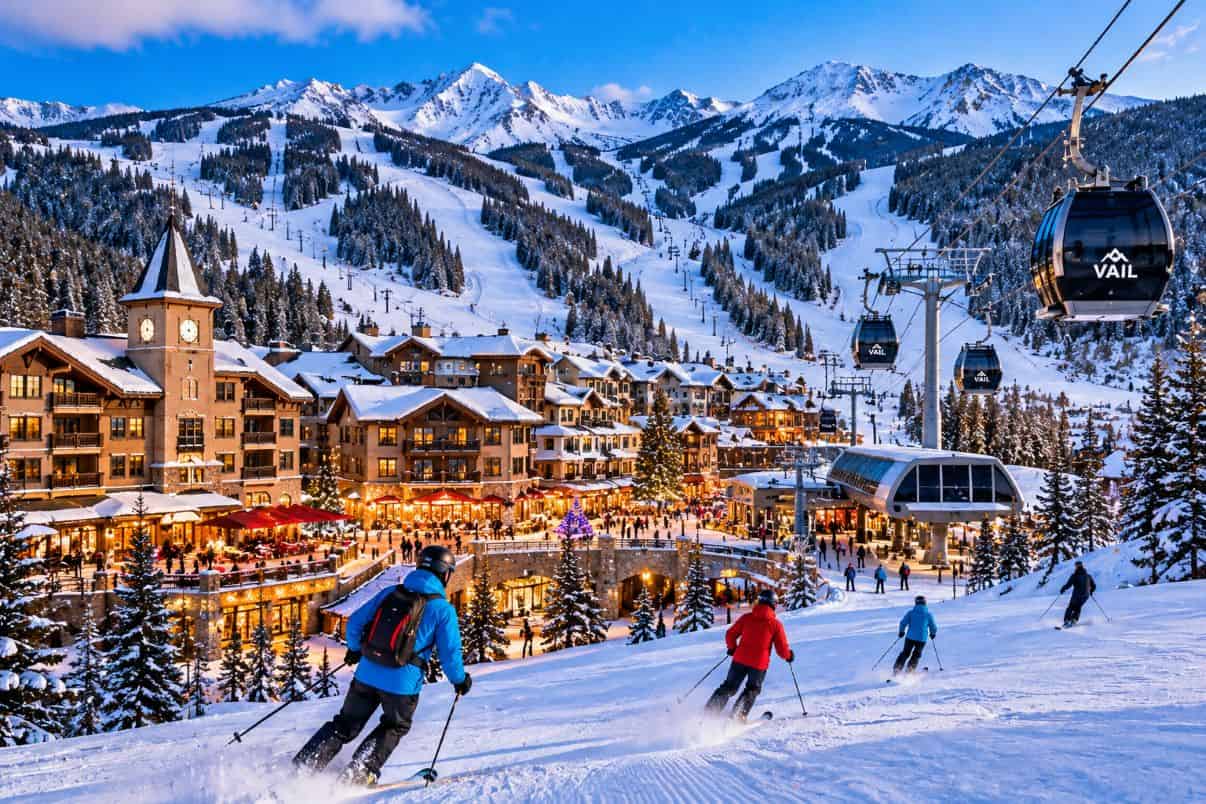
Colorado’s mountain tourism industry is approaching the 2026–27 winter season with growing uncertainty as advance accommodation bookings weaken despite encouraging autumn travel demand. Industry research indicates that winter occupancy reservations across 17 western American mountain destinations were 8.3 per cent below last year’s comparable level at the end of September 2026. Rising holiday costs, disappointing snowfall during the previous winter and changing booking habits are influencing traveller decisions. Meanwhile, Colorado’s autumn scenery continues attracting visitors seeking mountain experiences outside the traditional ski season. The contrasting trends create challenges for resorts, hotels and tourism businesses preparing for winter.
Colorado Travel Faces Growing Winter Uncertainty as Mountain Resort Reservations Decline
Colorado’s mountain tourism industry is entering an important period of adjustment as accommodation businesses prepare for a winter season characterised by weaker advance reservations and increasingly cautious consumer behaviour. According to Inntopia DestiMetrics, lodging occupancy bookings for the first five months of the 2026–27 winter season across 17 western American mountain destinations were approximately 8.3 per cent below the comparable level recorded a year earlier as of 30 September 2026. Average daily accommodation rates, however, were approximately 1.4 per cent higher, indicating that pricing remained elevated despite softer demand. The research covers destinations across several western states rather than Colorado alone, making it important to distinguish the regional booking trend from confirmed occupancy at individual Colorado resorts. Nevertheless, the findings are relevant to the state’s mountain tourism economy because advance reservations provide an early indication of consumer confidence. Actual winter performance remains uncertain because travellers may still make bookings as snowfall conditions develop.
Advertisement
Advertisement
Strong Colorado Autumn Tourism Offers Encouraging Contrast to Weaker Ski Holiday Demand
Mountain destinations across Colorado and the wider western United States have experienced stronger accommodation demand during September and October 2026, providing a positive contrast to the more cautious winter outlook. Inntopia DestiMetrics reported that both occupancy and average accommodation rates performed well during the autumn period, supporting businesses as the traditional summer tourism season ended. One notable development involves travellers shifting some mountain holidays from August into September and October, when accommodation can offer better value and destinations provide opportunities for scenic drives, hiking and outdoor recreation. The research also identifies growing interest in shorter stays and midweek visits, particularly when weekend accommodation prices become expensive. These patterns suggest that travellers remain interested in mountain experiences but are increasingly selective about when and how they spend. For Colorado tourism operators, the stronger autumn performance highlights opportunities to attract visitors beyond the traditional winter skiing season, although it does not guarantee a recovery in future snow-related bookings.
Western US Ski Resorts Record Significant Advance Booking Declines Ahead of Winter 2026–27
The latest accommodation research suggests that the slowdown in winter reservations has developed over several months rather than emerging suddenly during September. Earlier Inntopia DestiMetrics figures indicated that advance occupancy bookings for November through February were approximately 5.6 per cent lower year on year as of August 2026 across 17 mountain destinations in Colorado, Utah, California, Nevada, Wyoming, Montana and Idaho. By the end of September, the reported decline had widened to 8.3 per cent for the first five months of the approaching winter season, suggesting that reservations had not recovered during the intervening period. These figures are particularly important because skiing holidays often involve substantial advance expenditure on accommodation, lift passes, equipment and transport. However, the two reporting periods are not identical, and their results should be interpreted as indicators of weakening booking momentum rather than a precise measurement of final winter demand. Travellers may still reserve accommodation later if snowfall improves or pricing becomes more attractive.
Advertisement
Advertisement
Poor Rocky Mountain Snowfall During Previous Winter Influences New Ski Holiday Decisions
Unfavourable snowfall during the 2025–26 winter season has become an important consideration for travellers deciding whether to commit early to another mountain holiday. Vail Resorts reported that snowfall and snowpack across parts of the Rocky Mountains were at or near historic lows, creating unusually difficult operating conditions for several major ski destinations. In its September 2026 financial announcement, the company reported a 13.4 per cent decline in skier visits during fiscal 2026, while resort net revenue fell by 4.5 per cent and Resort Reported EBITDA decreased by 11.7 per cent. These figures reflect the company’s wider resort operations rather than Colorado exclusively, but they demonstrate the commercial consequences of poor winter conditions. Industry researchers have suggested that some travellers may now prefer to delay reservations until snowfall becomes more predictable. However, the previous season’s conditions do not establish that the approaching winter will experience similarly disappointing snow, and future operating conditions will depend on actual weather developments.
Vail Resorts Reports Twelve Per Cent Decline in Early Ski Pass Sales for Upcoming Season
Vail Resorts’ official financial disclosures provide additional evidence that consumers are approaching the 2026–27 ski season with greater caution. As of 18 September 2026, the company’s advance pass product unit sales were approximately 12 per cent below the corresponding period in 2025, while the estimated number of skiing days sold declined by 10 per cent. Pass sales revenue also decreased by approximately 6 per cent, reflecting weaker early demand across parts of the company’s customer base. The operator indicated that the reduction was particularly noticeable among customers purchasing lower-frequency destination passes, rather than those committing to unlimited season passes. This distinction suggests that occasional skiers and travellers planning shorter holidays may be more sensitive to costs and uncertainty about snowfall. Vail Resorts also identified some improvement among local customers in Colorado and Utah following the spring sales deadline. Nevertheless, the overall figures demonstrate that the company faces a challenging early booking environment, even though final pass sales and skier visits remain unknown.
Advertisement
Advertisement
Rising Mountain Accommodation Prices Create Additional Pressure on Winter Tourism Demand
Accommodation affordability is emerging as another significant factor influencing travel decisions across western American mountain destinations. Inntopia DestiMetrics reported that average nightly rates approaching US$750 in some surveyed resort markets were contributing to resistance among prospective visitors, particularly those comparing the total cost of winter holidays. Although the figure illustrates pricing pressure in certain destinations, it should not be interpreted as the standard nightly accommodation rate across Colorado. Ski holidays often involve several additional expenses, including lift tickets, equipment rentals, lessons, airport transfers, restaurant spending and travel insurance, making the overall cost considerably higher than the room rate alone. Industry research suggests that travellers are increasingly considering shorter stays, midweek bookings and accommodation offering stronger value. These preferences became visible during autumn and may continue influencing winter demand. For resorts and accommodation providers, the challenge will involve balancing revenue expectations with pricing strategies that encourage travellers to commit to bookings despite economic uncertainty.
Vail, Breckenridge, Winter Park and Steamboat Springs Prepare for Important Winter Tourism Season
Colorado’s established mountain destinations remain important attractions for domestic and international ski travellers, although the latest regional booking research does not provide separate occupancy forecasts for individual resorts. Vail continues to attract visitors through its extensive skiing terrain, mountain hospitality and pedestrian-friendly resort village, while Breckenridge combines winter sports with historic streets, restaurants and accommodation suited to longer holidays. Winter Park offers skiing and snowboarding opportunities within reach of the Denver region, while Steamboat Springs provides mountain recreation alongside a distinctive western Colorado atmosphere. These destinations may appeal to different travellers depending on preferred activities, accommodation budgets and transport arrangements. However, visitors should avoid assuming that every resort will experience the same booking slowdown or snowfall conditions. Opening dates, lift availability and terrain access depend on weather and individual operating decisions, making official resort information essential when planning early-season holidays. The current reservation trends indicate caution rather than a confirmed decline in every destination.
Colorado Tourism Generates US$29.2 Billion While Facing Stronger Destination Competition
Colorado’s tourism industry remains an important contributor to the state’s economy despite increasing competition from other American destinations and changing seasonal travel patterns. According to the Colorado Tourism Office, visitor spending contributed approximately US$29.2 billion to the state’s economy during 2025, demonstrating the importance of tourism to accommodation providers, restaurants, transport businesses and recreational attractions. However, Colorado’s visitor spending increased by approximately 2 per cent during the year, compared with national US travel spending growth of 4.2 per cent. The state’s share of the national visitor economy also declined from approximately 2.3 per cent in 2019 to 1.79 per cent in 2025, highlighting longer-term competitive pressures. Tourism officials have additionally identified weather-related fluctuations affecting mountain communities during 2026, including unusually low snowfall and wildfire activity. Some destinations experienced substantial seasonal visitation declines, although these outcomes varied considerably and should not be generalised across Colorado. The figures underline the importance of maintaining competitiveness beyond the immediate winter booking cycle.
Canada and European Ski Destinations Gain Attention as American Travellers Compare Winter Holidays
International competition may be influencing the choices of travellers considering winter holidays in Colorado and other American mountain destinations. Travel industry reporting indicates that Ski.com’s bookings to US ski destinations were approximately 24 per cent lower year on year as of 6 October 2026, while bookings to Italy increased by around 120 per cent and Canadian reservations rose by approximately 27 per cent. These figures represent one travel company’s commercial performance rather than official nationwide tourism statistics, but they suggest that some travellers are comparing international ski destinations more actively. Industry representatives have associated Canada’s stronger performance partly with favourable snowfall in the Banff region during the previous winter, while accommodation prices and holiday value may also influence destination choices. Colorado continues to offer internationally recognised ski resorts, extensive mountain terrain and established visitor infrastructure. Nevertheless, maintaining demand may require competitive accommodation packages, dependable resort experiences and clear information about snowfall conditions, particularly when travellers have alternatives across North America and Europe.
Colorado’s Spectacular Autumn Landscapes Strengthen Tourism Beyond Traditional Ski Holidays
The stronger autumn accommodation performance demonstrates the value of Colorado’s mountain destinations beyond skiing and snowboarding, particularly during September and October when changing aspen foliage creates striking landscapes across the Rocky Mountains. The Colorado Department of Transportation reported that autumn colours were arriving earlier than usual in some areas during September 2026, encouraging travellers to plan scenic journeys and consider midweek visits to avoid heavy traffic. Mountain roads can become particularly busy during peak foliage periods as visitors travel to photograph golden forests, explore historic communities and enjoy outdoor recreation. However, early snowfall can also affect high-elevation routes unexpectedly, making road preparation important even before the main winter season begins. For tourism businesses, autumn provides opportunities to promote hiking, scenic drives, restaurants and cultural experiences during periods that traditionally attract fewer visitors than peak summer or winter holidays. Nevertheless, strong autumn demand does not establish that winter reservations will recover automatically.
Winter Driving Requirements and Denver Airport Transfers Demand Careful Holiday Planning
Travellers preparing for Colorado’s winter tourism season should consider transport arrangements carefully because mountain roads can become hazardous when snowfall, ice and changing visibility affect driving conditions. Interstate 70 and other routes connecting Denver with major ski destinations can experience congestion and weather-related restrictions, particularly during busy holiday periods. The Colorado Department of Transportation confirms that seasonal traction requirements began on 1 September along designated mountain corridors, requiring vehicles to meet applicable tyre or traction-device standards. Motorists should check tyre conditions, carry emergency supplies and monitor official road information before travelling. International visitors arriving through Denver International Airport may also wish to compare rental vehicles, scheduled shuttle services and private transfers before selecting accommodation. Travellers planning early-season skiing should confirm resort opening dates, lift availability and snow conditions directly with operators, rather than relying on historical schedules. The weaker booking outlook does not mean that Colorado’s resorts will remain closed or experience poor snowfall throughout the approaching winter.
Conclusion: Colorado Mountain Tourism Faces a Crucial Test as Winter Bookings Remain Uncertain
Colorado’s mountain tourism industry is approaching the 2026–27 winter season with contrasting signals. Strong autumn accommodation demand demonstrates continued interest in scenic mountain holidays, while weaker winter reservations reveal growing consumer caution. Inntopia DestiMetrics reports an 8.3 per cent decline in advance occupancy bookings across surveyed western destinations, reflecting concerns about holiday costs and previous snowfall conditions. However, final winter performance remains uncertain because travellers may book later as conditions develop. For visitors, comparing accommodation prices, monitoring snowfall and preparing for mountain transport remain essential. For resort businesses, competitive pricing and dependable visitor experiences could help rebuild demand.
Advertisement
