

Image generated with Ai
Etihad Airways, Emirates and Gulf Air are facing one of the toughest aviation challenges in years as Middle East travel suffers from route disruptions, rising operating expenses and growing passenger uncertainty caused by regional instability and a more complex global aviation environment. In 2026, the Gulf aviation powerhouse is under pressure as airlines that once represented unstoppable growth must now manage airspace restrictions, higher fuel costs, changing travel behaviour and operational difficulties while protecting their global connectivity. From Abu Dhabi and Dubai to Bahrain and other major aviation hubs, Middle Eastern carriers are fighting to maintain their position as the world’s leading travel bridges, proving their resilience in one of the most challenging periods for international aviation.
The Middle East aviation industry, once seen as the unstoppable engine of global air connectivity, is facing one of its most demanding periods in years in 2026. Powerful airlines that transformed Dubai, Abu Dhabi, Doha and Bahrain into international travel gateways are now navigating a difficult landscape shaped by regional instability, airspace disruptions, rising fuel expenses and changing passenger confidence.
Carriers including Etihad Airways, Emirates and Gulf Air are experiencing increasing pressure as the region’s aviation ecosystem faces unprecedented operational challenges. While these airlines continue protecting their networks and investing in future growth, maintaining smooth global connectivity has become more complicated and expensive.
The Middle East built its aviation success on one major advantage — location. The region sits between the world’s largest travel markets, allowing Gulf airlines to connect millions of passengers between Asia, Europe, Africa and the Americas.
Advertisement
Advertisement
However, in 2026, that same geographic advantage has created new vulnerabilities. Any disruption affecting regional airspace can quickly impact thousands of flights, passenger journeys and airline operations worldwide.
The result is a challenging environment where airlines must balance expansion ambitions with operational reality.

Image generated with Ai
Etihad Airways has emerged as one of the most closely watched airlines in the Middle East as Abu Dhabi continues its ambition to become a stronger global aviation and tourism hub.
The airline has spent recent years rebuilding its network, strengthening partnerships and expanding international connectivity. Its strategy focuses on attracting more travellers through Abu Dhabi while supporting the growth of the emirate’s tourism sector.
Advertisement
Advertisement
However, 2026 has created new challenges.
Etihad’s international network depends heavily on smooth connections between continents. When regional conditions affect flight paths or passenger confidence, the airline faces additional operational pressure.
Longer routes, increased fuel consumption and schedule adjustments can significantly increase costs. For an airline operating international services across multiple continents, even small disruptions can create a major financial impact.
Etihad must manage several challenges:
Despite these difficulties, Etihad continues focusing on growth. The airline’s challenge is not only expanding its network but ensuring stability in an increasingly unpredictable aviation environment.
Abu Dhabi’s future as a global tourism destination is closely connected to Etihad’s ability to provide reliable international access.

Image generated with Ai
Emirates remains one of the strongest symbols of Gulf aviation success. The Dubai-based airline transformed itself into one of the world’s largest international carriers by building an unmatched long-haul network.
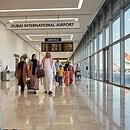
Dubai International Airport became a global crossroads where passengers from different continents connect every day.
But even Emirates is not immune to regional aviation challenges.
The airline operates one of the largest international networks in the world, meaning any disruption can create a complicated chain reaction. A change affecting one route can influence aircraft rotations, crew planning and passenger connections across multiple countries.
The airline faces pressure from:
Emirates’ extensive long-haul network makes fuel efficiency and operational reliability extremely important. When flights must avoid certain airspaces, additional flying time creates higher expenses.
The airline continues benefiting from Dubai’s global appeal, strong tourism demand and premium passenger base. However, protecting its position requires constant adaptation.
The challenge for Emirates in 2026 is maintaining global leadership while operating in a more uncertain aviation environment.

Image generated with Ai
Gulf Air represents Bahrain’s aviation ambitions and plays an important role in connecting the kingdom with regional and international destinations.
However, compared with larger Gulf competitors, Gulf Air faces a different set of challenges.
The airline operates in a highly competitive market dominated by powerful carriers with enormous international networks. Passengers travelling through the Gulf have multiple choices, including Dubai, Doha and Abu Dhabi.
This creates constant pressure on Gulf Air to maintain competitiveness while controlling costs.
The airline faces challenges including:
For Gulf Air, every disruption can have a greater impact because smaller airlines often have fewer resources to absorb sudden changes.
Nevertheless, the airline remains an important part of Bahrain’s travel strategy and continues working to strengthen regional connectivity.

Image generated with Ai
Qatar Airways has become another major force in Middle Eastern aviation through its Doha-based global network.
The airline has built a reputation for premium service and international connectivity, linking passengers across continents.
However, like other Gulf carriers, Qatar Airways depends heavily on regional stability.
Its success relies on Doha remaining a trusted and efficient global transfer point.
Operational challenges can affect:
Qatar Airways remains financially strong and globally recognised, but the airline operates in an environment where even successful carriers must constantly manage uncertainty.
While major airlines dominate global headlines, regional carriers such as flydubai and Air Arabia are also facing the impact of the changing aviation environment.
flydubai has expanded Dubai’s connectivity by serving destinations that require flexible operations and frequent regional links.
However, regional uncertainty can create challenges because many markets served by the airline are highly sensitive to economic conditions and passenger sentiment.
Air Arabia, one of the Middle East’s leading low-cost carriers, continues supporting affordable travel across the region.
The airline benefits from strong demand among budget-conscious travellers, but rising fuel prices and operational expenses affect the entire low-cost aviation sector.
These airlines highlight another important reality of Middle East aviation: every part of the industry is connected.
The challenges facing Gulf airlines are not caused by one single factor. Instead, several pressures have combined to create a difficult operating environment.
The Middle East is one of the most important aviation crossroads in the world.
When regional tensions increase, airlines must reconsider routes, schedules and operational plans.
Airspace restrictions can create immediate consequences, including:
Fuel remains one of the biggest expenses for airlines.
Higher fuel prices directly affect profitability, especially for Gulf carriers operating long-distance international flights.
When aircraft travel longer routes due to restrictions, fuel consumption increases further.
Travel decisions depend heavily on confidence.
Even when airports remain operational, uncertainty can influence passengers’ willingness to travel through affected regions.
This creates challenges for tourism, business travel and international connections.
Modern aviation requires precision.
Any disruption can create additional expenses related to:
For airlines operating hundreds of flights every day, these costs quickly increase.
Despite the challenges of 2026, the Middle East aviation industry remains one of the strongest in the world.
The region still possesses major advantages:
Dubai, Abu Dhabi, Doha and Bahrain remain critical points on the global aviation map.
The current crisis is testing the resilience of Gulf airlines, but it is also pushing them to become more adaptable and efficient.
Etihad Airways, Emirates and Gulf Air represent different chapters of the Middle East aviation success story, but in 2026 they are facing a shared challenge of protecting growth while navigating a more uncertain global travel environment. The region that once represented unstoppable aviation expansion is now moving through a period of turbulence, as rising operating expenses, disrupted flight routes and changing passenger confidence create significant pressure for Gulf carriers.
However, the foundation of Middle East aviation remains strong. The region’s airlines have built their reputation on resilience, innovation and adaptability. Despite current challenges, carriers continue working to maintain connectivity, strengthen networks and preserve their position as some of the world’s most important aviation players.
Etihad Airways, Emirates and Gulf Air are facing one of the toughest aviation challenges in years as Middle East travel suffers from rising costs, route disruptions, airspace uncertainty and declining passenger confidence in 2026. The region’s leading carriers are battling operational pressure while trying to protect global connectivity and maintain their position as major forces in international aviation.
The coming years will determine how successfully these airlines transform challenges into opportunities and continue connecting the world through one of the planet’s most important travel regions.
Advertisement
Advertisement
Advertisement













Saturday, September 5, 2026

Friday, September 4, 2026
Saturday, September 5, 2026

Saturday, September 5, 2026

Thursday, September 3, 2026

Wednesday, September 2, 2026

Saturday, September 5, 2026



