
Ukraine Joins Poland, Romania, Slovakia, Hungary, Moldova, Belarus and Wider Europe as Fresh Russian Drone and Missile Strikes Deepen Travel Safety Concerns, Cross-Border Mobility Challenges, Infrastructure Damage and Regional Transportation Uncertainty Across Eastern Europe: New Update

Published
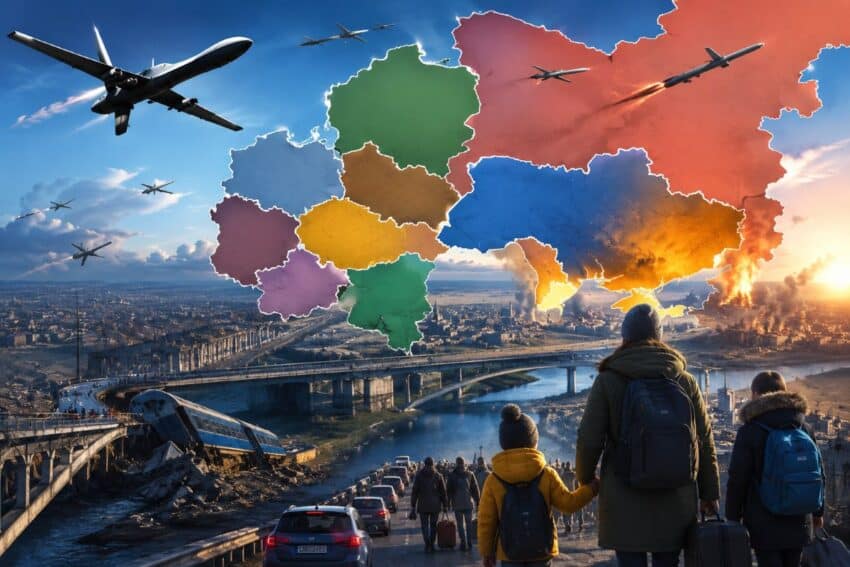
Ukraine’s ongoing conflict with Russia has entered another volatile phase after fresh Russian drone, artillery and aerial bomb attacks killed three civilians and injured twenty-two others across eastern Ukraine, while Kyiv simultaneously expanded its long-range drone campaign by targeting an oil-processing facility deep inside Russia’s Tyumen region. The latest escalation is once again drawing attention from governments, airlines, transport operators and international travelers as security concerns continue influencing regional mobility, border crossings, logistics networks and travel planning throughout Eastern Europe. Neighboring countries including Poland, Romania, Slovakia, Hungary, Moldova and Belarus remain closely monitoring developments because of their geographic proximity and the wider implications for transportation and regional stability.
The renewed exchange of attacks demonstrates that the conflict continues extending beyond frontline territories, affecting infrastructure, commercial operations and international travel confidence. While Ukrainian airspace remains closed to civilian aviation, neighboring European countries continue serving as major transit hubs for humanitarian assistance, business travel and freight transportation. As both Ukraine and Russia increase the use of advanced long-range drone technology, travel advisories, airline contingency planning and cross-border security measures remain a priority for governments and transport authorities seeking to maintain safe regional connectivity across Eastern Europe.
Advertisement
Advertisement
Russian Attacks Leave Civilians Dead and Injured Across Eastern Ukraine
Russian forces launched more than twenty attacks using drones, artillery systems and aerial bombs across multiple districts in eastern Ukraine, according to regional authorities.
Officials from the Dnipropetrovsk Regional Military Administration confirmed that one civilian was killed while nine others sustained injuries after strikes damaged homes, vehicles and local infrastructure. A seventy-year-old woman lost her life during shelling in the Nikopol district, highlighting the continued danger faced by residents living near active combat zones.
Advertisement
Advertisement
In the Poltava region, authorities reported that attacks on local businesses resulted in two fatalities and thirteen injuries, including six children. Emergency responders continued rescue efforts while engineers assessed damage to commercial facilities and surrounding infrastructure.
Ukraine Expands Long-Range Drone Operations Inside Russia
President Volodymyr Zelenskyy announced that Ukrainian forces successfully targeted an oil-processing facility in Russia’s Tyumen region using newly upgraded FP drones capable of striking targets approximately 3,000 kilometers away.
Advertisement
Advertisement
The operation reflects Ukraine’s growing capability to conduct long-range precision drone missions against strategic energy infrastructure inside Russian territory. Energy facilities have increasingly become strategic targets as both countries continue adapting military operations through advanced drone technologies.
Travel Impact Across Eastern Europe
| Travel Sector | Current Situation |
|---|---|
| Commercial Aviation | Ukrainian airspace remains closed to civilian flights. |
| International Travel | Border crossings remain operational with enhanced monitoring. |
| Road Transportation | Routes near conflict areas face periodic restrictions and diversions. |
| Rail Connectivity | Essential passenger and freight services continue with security precautions. |
| Tourism Industry | Leisure travel to Ukraine remains strongly discouraged by most governments. |
Regional Countries Closely Monitoring Security Developments
| Country | Travel Relevance |
|---|---|
| Ukraine | Active conflict continues affecting domestic mobility and tourism. |
| Russia | Long-range Ukrainian drone strikes increasingly target energy infrastructure. |
| Poland | Major gateway for humanitarian and international travel into Ukraine. |
| Romania | Important logistics and cross-border transportation corridor. |
| Slovakia | Continues supporting regional mobility and humanitarian transit. |
| Hungary | Maintains significant rail and highway connections with Ukraine. |
| Moldova | Closely monitors border security and regional developments. |
| Belarus | Remains strategically important due to regional security considerations. |
Infrastructure Damage Continues Affecting Regional Mobility
Repeated attacks continue placing pressure on transportation infrastructure, residential neighborhoods and commercial facilities across affected regions. Damage to roads, utilities and businesses creates additional challenges for freight operators, humanitarian organizations and local transportation services.
Although neighboring European countries continue operating normally, authorities remain prepared to adjust transportation planning should security conditions deteriorate further.
Aviation and Cross-Border Travel Remain Under Close Observation
Commercial airlines continue avoiding Ukrainian airspace, forcing international carriers to utilize alternative flight corridors across Eastern Europe. Border crossings between Ukraine and neighboring countries remain operational, supporting humanitarian movements, essential business travel and cargo transportation.
Travelers planning journeys through Poland, Romania, Slovakia, Hungary or Moldova are advised to monitor airline notifications, border regulations and official travel advisories before departure.
Growing Security Concerns Influence Tourism Recovery
The latest military escalation underscores the continuing challenges facing tourism recovery across Ukraine. While neighboring European destinations continue welcoming international visitors, ongoing security developments reinforce the importance of flexible travel arrangements, comprehensive travel insurance and awareness of rapidly changing regional conditions.
Advertisement
Advertisement
Tour operators and travel providers continue adapting their operations to evolving geopolitical circumstances while maintaining contingency plans for customers traveling throughout Eastern Europe.
Regional Outlook for Travelers and Transport Operators
As both Ukraine and Russia expand their long-range military capabilities, transportation companies, airlines and logistics providers continue reviewing operational strategies to ensure safety and service continuity. Although the broader European travel network remains largely unaffected outside Ukraine, the conflict continues shaping aviation routing, freight movement and travel planning throughout the region.
Conclusion
The latest Russian attacks in eastern Ukraine and Ukraine’s retaliatory drone strike against an energy facility in Russia illustrate the continuing intensity of the conflict and its growing influence on regional transportation, travel planning and cross-border mobility. While neighboring European nations remain accessible for international visitors, the evolving security landscape requires travelers, airlines and logistics providers to remain vigilant, monitor official guidance and maintain flexible travel arrangements when planning journeys across Eastern Europe.
FAQ
What happened in eastern Ukraine?
Russian drone, artillery and aerial bomb attacks killed three people and injured twenty-two others across several Ukrainian regions.
Which Ukrainian regions were affected?
Dnipropetrovsk and Poltava reported casualties, injuries and infrastructure damage.
Advertisement
Advertisement
What target did Ukraine strike inside Russia?
Ukraine said it targeted an oil-processing facility in Russia’s Tyumen region using upgraded long-range drones.
Is Ukraine open for international tourism?
No. Most governments continue advising against travel to Ukraine because of the ongoing conflict.
Is Ukrainian airspace open to commercial airlines?
No. Civilian flights remain suspended over Ukrainian airspace.
Are neighboring countries safe to visit?
Countries such as Poland, Romania, Slovakia and Hungary remain open for international travel, although travelers should monitor official advisories.
Has the conflict affected transportation?
Yes. Aviation routes, logistics operations and some road networks continue to face operational adjustments.
Why are energy facilities becoming military targets?
Energy infrastructure plays a significant strategic role in supporting national economies and military logistics.
Advertisement
Advertisement
Should travelers purchase travel insurance before visiting Eastern Europe?
Comprehensive travel insurance and flexible booking options are strongly recommended for regional travel.
What should travelers monitor before departure?
Travelers should check official government advisories, airline updates, border regulations and local security information before traveling.
Advertisement
