
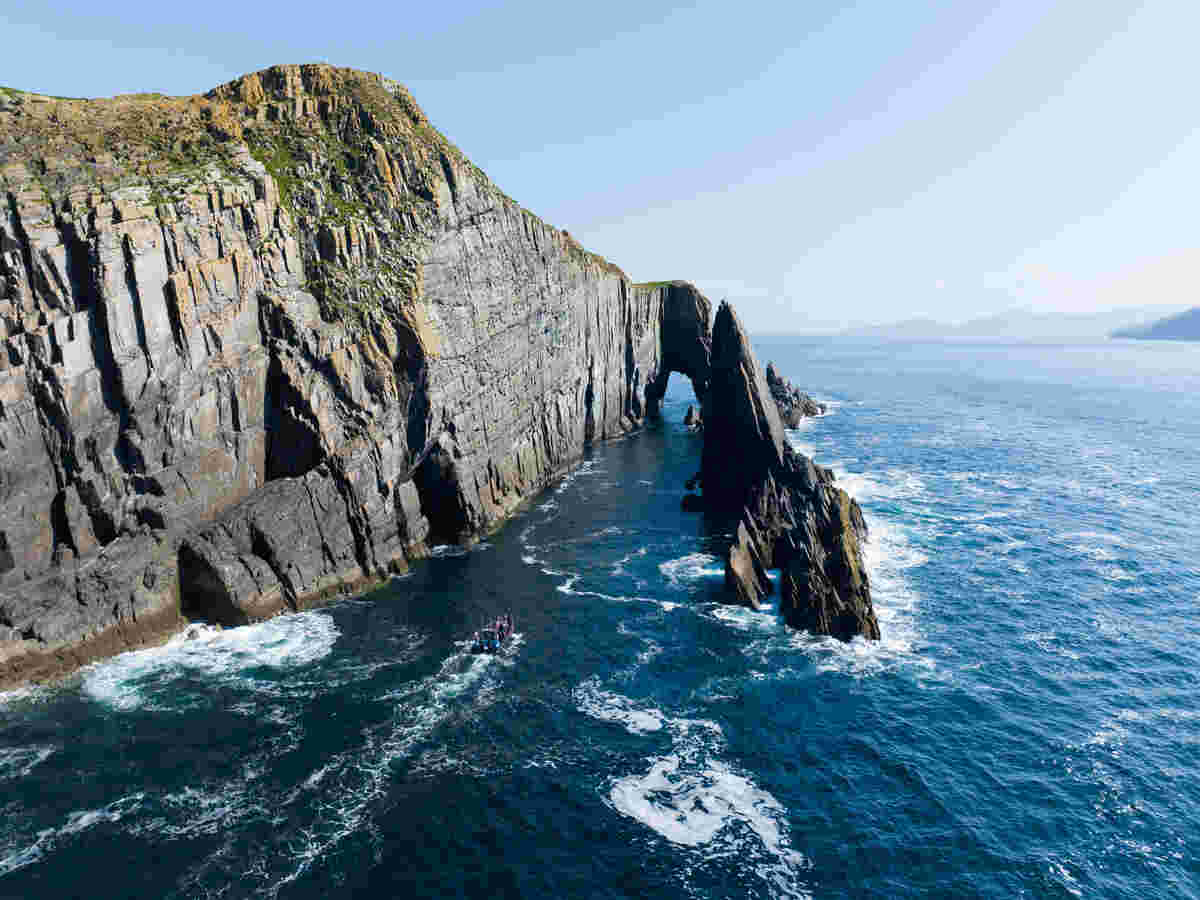
Image generated with Ai
In Europe, Germany tops the chart when it comes to tourist numbers as the tourists visiting Ireland increased by 13%. The tourism industry in Ireland is in its recovery phase in 2026, and the contribution from various European countries towards this increase in tourists visiting the destination has been very significant. A total number of almost 3.9 million foreign tourists visited Ireland in the first seven months of 2026, which was a 13% increase compared to 2025.
Among international markets, European travellers have emerged as a major force behind Ireland’s tourism expansion, supporting demand for cultural journeys, scenic landscapes, heritage attractions and regional experiences. Germany has taken a leading position among European markets, helping accelerate Ireland’s tourism performance through strong demand for nature-based holidays, authentic experiences and longer exploration of the country.
Advertisement
The growth comes at a critical time as Ireland’s tourism industry focuses on increasing visitor value rather than relying only on rising arrival numbers. Although visitor volumes have improved, the sector continues to work towards generating stronger spending levels, longer stays and greater economic benefits for communities across the country.
Germany has become one of Ireland’s most important European tourism markets, with German travellers increasingly attracted to Ireland’s landscapes, heritage, outdoor activities and cultural experiences.
Advertisement
Advertisement
The country’s appeal among German visitors is being strengthened by several factors:Germany’s Tourism Contribution How It Supports Ireland Strong demand for nature tourism Encourages visits to Ireland’s coastlines, mountains and countryside Interest in cultural heritage Supports tourism at castles, historic sites and traditional communities Preference for authentic experiences Boosts local tourism businesses and regional destinations Long-haul style travel within Europe Encourages longer stays and wider exploration
German visitors are increasingly seeking immersive travel experiences rather than short city breaks alone. This aligns with Ireland’s tourism strategy, which focuses on encouraging travellers to move beyond major destinations and discover regions such as the Wild Atlantic Way, Ireland’s Ancient East and rural communities.
Germany’s importance also reflects Ireland’s broader objective of attracting higher-value visitors who contribute more to accommodation, food, transport and local experiences.
Ireland’s tourism growth is not being driven by one market alone. Several European countries are contributing to the recovery by bringing different visitor profiles, travel motivations and spending patterns.
The European tourism landscape has remained resilient, with international arrivals across Europe showing continued growth momentum in 2026.
The major European markets supporting Ireland tourism include:European Country Why Travellers Choose Ireland How It Is Boosting Irish Tourism Germany Nature, heritage, outdoor adventures and authentic experiences Increasing demand for regional tourism and longer stays France Cultural connections, history, landscapes and gastronomy Supporting heritage tourism, food tourism and cultural experiences Spain Cooler climate, scenic travel and road-trip experiences Expanding demand beyond traditional Mediterranean destinations Italy Historic attractions, traditions and local experiences Strengthening cultural and heritage tourism Netherlands Accessibility, outdoor activities and sustainable travel interest Supporting short breaks and nature-based tourism Great Britain Proximity, transport links and family connections Remaining one of Ireland’s largest visitor markets
France continues to represent a valuable European market for Ireland, supported by strong cultural connections and interest in authentic travel experiences.
French visitors are attracted by:
Ireland’s focus on experience-led tourism has created opportunities to attract French travellers who want deeper connections with destinations.
Rather than focusing only on famous attractions, Ireland is promoting local communities, regional stories and immersive experiences that encourage visitors to spend more time exploring.
This approach supports Ireland’s ambition to increase tourism value by encouraging visitors to stay longer and distribute spending across different regions.
Spain is becoming an increasingly relevant market as European travellers show stronger interest in cooler destinations, outdoor experiences and nature-based holidays.
Ireland offers Spanish travellers a different type of European getaway through:
The country’s reputation as a destination for adventure, relaxation and cultural discovery is helping expand its appeal among Spanish visitors.
Road trips, heritage journeys and regional exploration are becoming important tourism drivers, allowing visitors to experience more than Ireland’s main cities.
Italian travellers are also contributing to Ireland’s tourism growth through increasing interest in culture, history and unique local experiences.
Ireland’s appeal among Italian visitors is strengthened by:
The growing demand for meaningful travel experiences has created opportunities for Ireland to promote its identity beyond traditional sightseeing.
By highlighting storytelling, traditions and regional attractions, Ireland is positioning itself as a destination where visitors can experience local culture rather than simply visit famous locations.
The Netherlands remains an important European market because of strong connectivity and high travel demand.
Dutch visitors are attracted by:
Ireland’s emphasis on responsible tourism and regional exploration matches the preferences of many Dutch travellers.
The market also supports year-round tourism because short-haul visitors can travel more frequently and explore different seasons across Ireland.
Although Germany is emerging as a leading European growth market, Great Britain remains one of Ireland’s most important tourism sources due to geographical proximity and strong connections.
British travellers contribute through:
Strong air and ferry connectivity makes Ireland easily accessible for British visitors, helping maintain consistent demand throughout the year.
The British market continues to provide a strong foundation for Ireland’s tourism economy, while Germany and other European markets add further growth opportunities.
While visitor numbers are rising, Ireland’s tourism sector is focusing on improving the economic value generated from international travel.
In July 2026, Ireland welcomed 676,300 overseas visitors, who spent €681 million, an increase of 9% year-on-year.
However, industry leaders are focusing on addressing challenges including:
Ireland’s long-term tourism objectives include increasing overseas tourism revenue and creating more sustainable growth. The country aims to increase overseas tourism revenue to €9 billion by 2031, representing a significant rise from previous levels.
Germany’s growing influence highlights the changing structure of Ireland’s tourism industry, where European markets are becoming increasingly important alongside traditional long-haul visitors.
Each European market contributes differently:
Together, these markets are helping Ireland build a more balanced tourism economy focused on quality, regional development and stronger visitor spending.
As Ireland continues its 2026 tourism push, European travellers are expected to remain central to the country’s ambition of becoming a more competitive, sustainable and experience-driven destination.
Image Source : https://www.tourismireland.com/international/en-us/images-and-videos
Advertisement
Advertisement
Advertisement












Saturday, September 5, 2026

Saturday, September 5, 2026

Saturday, September 5, 2026

Saturday, September 5, 2026

Saturday, September 5, 2026
Saturday, September 5, 2026

Saturday, September 5, 2026

Saturday, September 5, 2026



