
Carnival Cruise Industry Embraces AI as Fuel Use Falls and Efficiency Gains Top $150 Million

Published
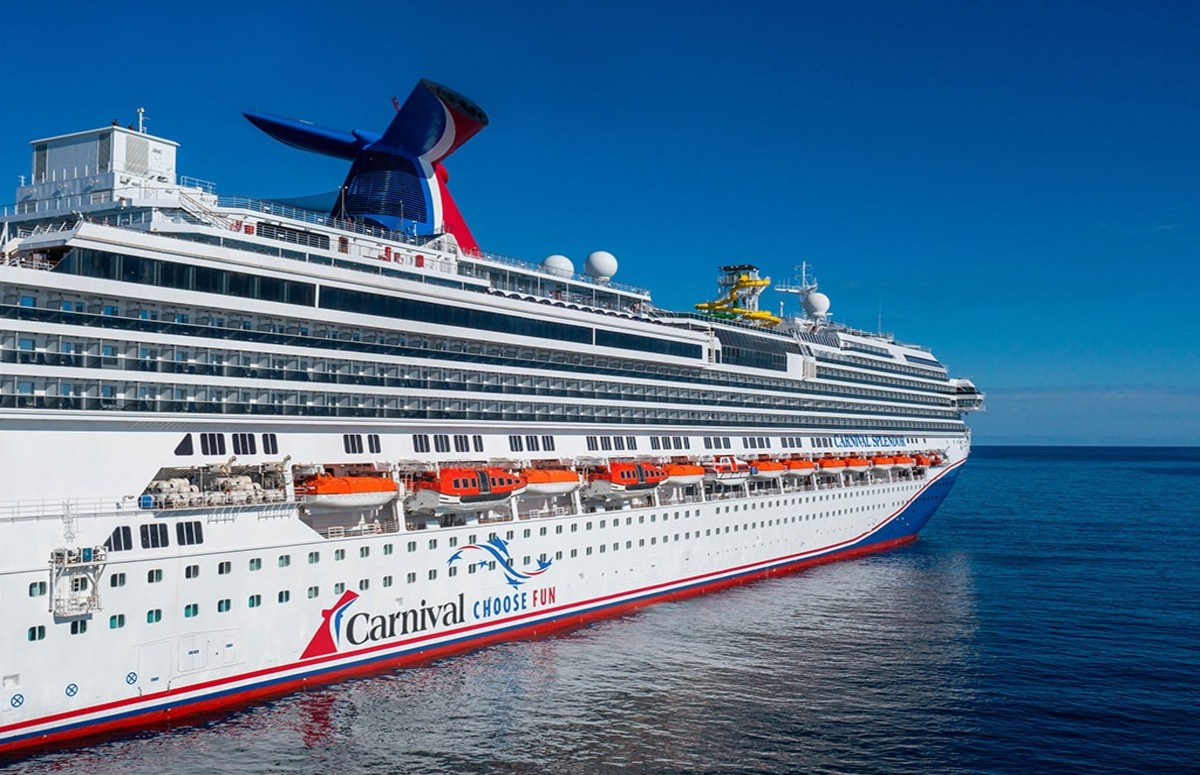
Carnival Corporation is expanding the use of artificial intelligence across its cruise business, using the technology in commercial decision-making, guest personalisation, shoreside automation and vessel management as it seeks to operate more efficiently despite higher fuel costs. The Miami-based cruise group said on 29 September 2026 that operational improvements since its June guidance had added more than $150 million to its full-year adjusted net income outlook, effectively overcoming the impact of a sharp increase in fuel prices.
The strategy matters for travellers because Carnival is increasingly using technology not simply behind the scenes but to influence how it understands demand and personalises guest experiences. At the same time, lower fuel consumption and tighter operating costs could help the company absorb volatile expenses while continuing to invest in ships, destinations and onboard products.
Advertisement
Advertisement
How Carnival Is Putting Artificial Intelligence to Work
Artificial intelligence is becoming part of Carnival’s wider commercial and operational infrastructure rather than a standalone technology project.
During its third-quarter earnings call, Carnival said it was deploying AI across commercial systems to improve decision-making and provide more personalised guest experiences. It is also increasing automation in shoreside operations and looking for additional efficiencies in vessel management.
Advertisement
Advertisement
Where Carnival Says AI Is Being Applied
Carnival identified several areas where technology is playing a growing role:
- Commercial decision-making
- Personalised guest experiences
- Shoreside automation
- Vessel-management efficiency
- Revenue optimisation
- Operating-cost control
- Improved use of data across the organisation
Management described the initiative as being at an early stage, meaning Carnival has not disclosed a detailed financial breakdown showing precisely how much of its current cost improvement is attributable specifically to AI.
Advertisement
Advertisement
That distinction is important. The company’s confirmed $150 million-plus operational improvement reflects broader execution and cost discipline, rather than an independently reported AI saving.
Carnival’s $150 Million Efficiency Gain Helps Counter Fuel Pressure
The clearest financial evidence of Carnival’s efficiency push can be found in its third-quarter results.
Carnival said its full-year outlook now incorporates more than $150 million of operational improvement in adjusted net income compared with its June guidance, despite a significant increase in fuel prices.
The company reported record third-quarter financial performance while managing those higher input costs.
Carnival’s Third-Quarter Performance
According to the company’s official results:
- Net income reached a record $1.9 billion
- Adjusted net income reached $2.0 billion
- Adjusted EBITDA reached $3.0 billion
- Adjusted EBITDA exceeded June guidance by $110 million
- Net yields increased 2.4% in constant currency
- Adjusted cruise costs excluding fuel per available lower berth day increased 1.8%
- That cost result was one percentage point better than June guidance
- Fuel consumption per available lower berth day improved 3.8% year on year
Carnival also reported an unfavourable $131 million combined impact from fuel prices and currency movements during the quarter.
Advertisement
Advertisement
The results demonstrate why operational efficiency has become strategically important. Cruise companies cannot fully control global fuel prices, but they can influence how much fuel their fleets consume.
Fuel Consumption Is Becoming a Major Cost-Control Tool
Carnival’s fuel strategy is particularly significant because the company is focusing on consumption rather than relying on fuel-price hedging.
The underlying logic is straightforward: if ships can consume less fuel to operate their itineraries, Carnival becomes less exposed to every increase in the market price of fuel.
Third-quarter fuel consumption per available lower berth day improved 3.8% compared with the previous year, according to Carnival’s official earnings release.
Management also said during the earnings call that consumption per available lower berth day is approximately 26% below 2019 levels, representing close to $750 million in savings at current fuel prices. The figures were provided during management’s earnings-call discussion rather than in the headline financial release.
How Cruise Operators Can Reduce Fuel Consumption
The efficiency effort can involve several parts of cruise operations, including:
Advertisement
Advertisement
- Ship technology
- Voyage planning
- Itinerary design
- Speed optimisation
- Operational scheduling
- Fleet-management decisions
- Energy-efficiency investments
Carnival has specifically pointed to innovation around both itineraries and technology as part of its consumption strategy.
For an industry operating large vessels across long distances, relatively small efficiency improvements can become financially significant when applied across an entire fleet.
Why Carnival Is Focusing on Consumption Instead of Fuel Hedging
Fuel is one of the cruise industry’s most unpredictable operating expenses.
Prices can move rapidly because of energy markets, geopolitics, refining conditions, shipping demand and wider economic developments.
Carnival management said during the third-quarter call that the company is not relying on fuel hedging as its principal answer to that volatility. Instead, its strategy centres on reducing the amount consumed.
The distinction matters.
Advertisement
Advertisement
A hedge may provide temporary financial protection against particular price movements. Reducing fuel consumption can create an operational benefit regardless of whether prices subsequently rise or fall.
That makes efficiency a structural strategy rather than solely a financial defence.
What AI Could Mean for Cruise Travellers
The most visible long-term impact for passengers may come from Carnival’s plans to use AI for more personalised guest experiences.
The company has not announced a single new consumer-facing AI product linked to the earnings update. Instead, management described a broader effort to embed AI into its commercial systems.
That means travellers should not expect one dramatic change overnight.
Potential Areas Where Technology Can Influence the Guest Journey
Based on the areas Carnival specifically identified, technology could support:
Advertisement
Advertisement
- Better understanding of traveller preferences
- More relevant guest experiences
- Improved commercial decisions
- More efficient shoreside processes
- Better vessel-management decisions
- Faster use of operational data
Carnival has not provided detailed metrics showing how much AI personalisation individual passengers will encounter or exactly which booking and onboard systems will change.
For now, the important development is strategic: AI is moving into the company’s core operating and commercial framework.
PROPEL Is Driving Carnival’s Next Efficiency Phase
Carnival’s technology strategy forms part of a broader programme known as PROPEL.
The company introduced PROPEL in 2026 after reporting that it had exceeded its previous SEA Change financial targets ahead of schedule.
PROPEL establishes longer-term targets running towards 2029.
Carnival’s Published PROPEL Targets
Carnival has set objectives including:
Advertisement
Advertisement
- More than 16% return on invested capital
- More than 50% adjusted EPS growth from 2025
- More than 40% of cash from operations distributed to shareholders
- Approximately $14 billion of projected shareholder distributions under the target framework
Carnival described the programme as building on previous improvements in earnings, returns and greenhouse-gas performance.
Management now says some opportunities embedded in PROPEL are beginning to emerge earlier than originally expected.
AI, automation, commercial execution and operating efficiency are among the tools being used to pursue those objectives.
Strong Cruise Demand Gives Carnival Another Advantage
Cost reduction is only one side of Carnival’s current performance.
The company also reported exceptionally strong forward bookings.
Customer deposits reached a third-quarter record of $7.6 billion, approximately $500 million above the previous year’s record despite flat capacity growth over the following 12 months.
Advertisement
Advertisement
Forward Booking Indicators Remain Strong
Carnival reported that:
- 2027 is already approximately half booked
- 2027 occupancy is at record levels
- 2027 pricing is also at record levels in constant currency
- Third-quarter booking volumes were meaningfully above the previous year
- Customer deposits increased about 7%
- 2028 bookings have also started ahead on occupancy and pricing
The company said these trends were occurring while it maintained relatively measured capacity growth.
That combination makes efficiency increasingly important. If capacity growth remains moderate, Carnival must generate more value from the ships, destinations and commercial systems it already operates.
Why This Matters
Carnival’s embrace of AI cruise technology matters because it illustrates a broader change in how major cruise groups may compete.
Competition is no longer limited to building larger ships, opening private destinations or introducing new restaurants and entertainment.
Data, automation, fuel efficiency and commercial technology are becoming another competitive layer.
Advertisement
Advertisement
For travellers, that could eventually mean more personalised experiences and smoother processes. For cruise operators, the financial opportunity is much larger: technology can potentially affect revenue decisions and costs across millions of passenger journeys and dozens of ships.
Fuel efficiency has an equally direct significance.
Carnival’s nearly 4% year-on-year improvement in fuel consumption per available lower berth day demonstrates that operational changes can produce measurable results.
The longer-term reduction from 2019 levels suggests that the company views consumption efficiency as a continuing strategy rather than a temporary response to expensive fuel.
Efficiency Also Has an Environmental Dimension
Using less fuel does more than reduce expenditure.
Lower fuel consumption can also reduce emissions associated with operating a cruise ship, although the environmental performance of cruising depends on multiple factors including fuel type, vessel design, itinerary, speed and emissions technology.
Advertisement
Advertisement
Carnival’s earlier PROPEL announcement linked its financial progress with reductions in greenhouse-gas emissions.
The economic and environmental incentives can therefore move in the same direction when efficiency measures genuinely reduce the amount of energy required to operate a vessel.
For cruise companies facing tighter environmental expectations and changing regulations, that alignment is increasingly important.
What Travellers Should Know
Carnival’s announcement is primarily a corporate technology and efficiency development rather than an immediate change to cruise fares, itineraries or passenger booking conditions.
Travellers therefore should not interpret the reported savings as a promise of lower cruise prices.
Before Booking
- Eligibility: Carnival’s AI and efficiency programme operates across its business rather than as a separate passenger product.
- Booking conditions: Existing cruise fare and booking rules continue to depend on the selected Carnival brand and sailing.
- Destinations: No destination was added or removed specifically because of the AI announcement.
- Availability: AI-supported personalisation may vary across brands, systems and guest interactions.
- Fuel savings: Lower consumption does not automatically mean lower ticket prices.
- Official advice: Travellers should rely on the relevant Carnival brand for current fares, itineraries and booking conditions.
- Technology rollout: Carnival describes its AI implementation as still being at an early stage.
The immediate impact is therefore more visible inside Carnival’s business than at the passenger booking screen.
Advertisement
Advertisement
Over time, however, the technology could increasingly influence how the company markets, prices and personalises its cruise products.
Frequently Asked Questions
How is Carnival using artificial intelligence?
Carnival says AI is being deployed across commercial systems to improve decision-making and personalisation, while automation is also expanding across shoreside operations and vessel management. Management described the initiative as still being at an early stage.
Did AI save Carnival $150 million?
Carnival has not said that AI alone generated the $150 million. The company reported more than $150 million in broader operational improvements compared with its June guidance while separately discussing AI, automation and other efficiency initiatives.
How much did Carnival reduce fuel consumption?
Fuel consumption per available lower berth day improved 3.8% year on year in the third quarter of 2026.
Will Carnival’s efficiency savings reduce cruise fares?
Carnival has made no announcement linking these efficiency gains directly to lower passenger fares. Cruise pricing continues to depend on demand, itinerary, ship, cabin type, season and other commercial factors.
What is Carnival’s PROPEL programme?
PROPEL is Carnival’s long-term performance framework targeting higher returns and earnings through 2029. Published targets include return on invested capital above 16% and adjusted EPS growth of more than 50% from 2025.
Advertisement
Advertisement
Closing Update
Carnival Corporation’s third-quarter results show how technology and energy efficiency are becoming increasingly important to the economics of global cruising.
The company delivered more than $150 million in operational improvement against its June outlook, despite higher fuel prices, while fuel consumption per available lower berth day fell another 3.8% year on year. At the same time, AI is being introduced across commercial decision-making, guest personalisation, shoreside automation and vessel-management processes.
For passengers, the changes may initially remain largely invisible. There is no new AI travel product to download and no promise that efficiency savings will translate directly into cheaper cruises.
The larger significance lies behind the scenes. Carnival is attempting to make a vast cruise operation more data-driven, more automated and less fuel-intensive at the same time that forward bookings remain strong.
With 2027 occupancy and pricing already at record levels and 2028 bookings starting ahead of the previous year’s pace, Carnival’s next competitive advantage may increasingly depend not simply on how many guests it carries, but on how intelligently and efficiently it operates every voyage.
Advertisement
