
Ghana Joins Tanzania, South Africa, Kenya, Uganda, Ethiopia, Egypt and More as Digital Visa Innovation Transforms African Travel Access but High Fees Put Tourism Growth Under Pressure

Published
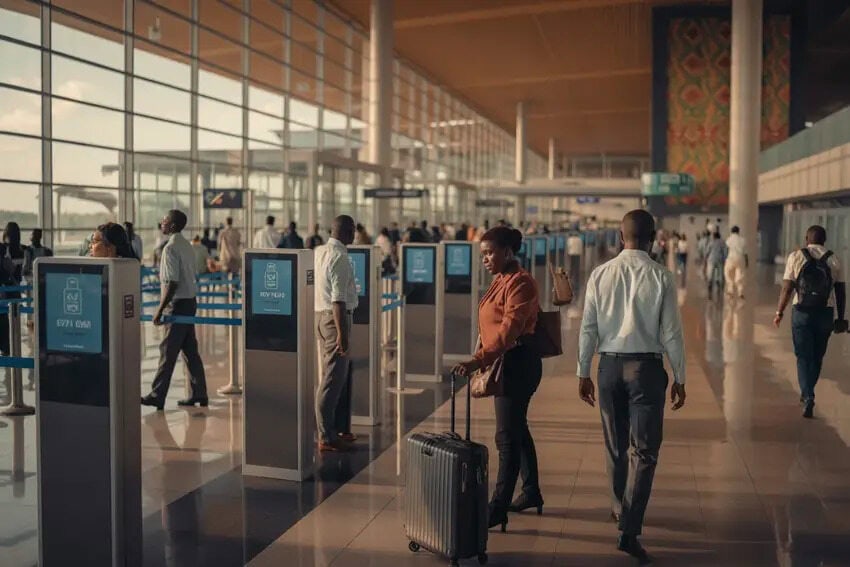
Ghana joins Tanzania, South Africa, Kenya, Uganda, Ethiopia, Egypt and more in Africa’s fast-growing digital visa transformation as its new e-Visa platform promises faster entry, simpler approval and stronger border modernisation, but tourism growth is being put under pressure because Ghana’s high visa fees may discourage cost-conscious travellers and push them towards cheaper, more accessible African destinations.
Ghana has entered Africa’s fast-moving digital travel race with the launch of its new e-Visa platform, placing the country beside Tanzania, South Africa, Kenya, Uganda, Ethiopia, Egypt and other African destinations that have already moved towards smarter online entry systems. The platform has been presented as a major travel facilitation tool. Faster entry, simpler processing, better security checks and wider visitor access are expected to be supported through this digital shift. However, the promise of easier travel has also been matched by a serious debate over Ghana’s high visa fees, which may affect its ability to compete for international visitors.
Advertisement
Advertisement
Ghana’s e-Visa Marks a Big Digital Travel Shift
Ghana’s new e-Visa system has been introduced as part of a wider push towards digital modernisation in travel and tourism. Through this platform, the visa process is expected to become more convenient for travellers who previously had to deal with longer embassy procedures, physical paperwork and slower approval channels.
The move is important because travel decisions are often shaped by convenience. Modern travellers want quick planning, easy access and fewer barriers before arrival. When visa systems are moved online, the first contact between a destination and a visitor becomes smoother. Ghana is now using this same model to improve its image as a more organised, accessible and digitally prepared destination.
Advertisement
Advertisement
The e-Visa system is also expected to support stronger border management. By linking travel authorisation with passenger data and security checks, the country can improve screening while reducing pressure on traditional visa offices. This places Ghana in line with the growing international trend where countries are using technology to manage arrivals before travellers reach the airport.
A Welcome Move for Travellers and Tourism Operators
The platform can benefit different groups in Ghana’s travel economy. International tourists may find the process easier. Airlines may benefit from clearer passenger documentation before boarding. Hotels and tour operators may see better planning from confirmed travellers. Event organisers, cultural venues and transport providers may also gain from a smoother visitor journey.
Advertisement
Advertisement
For tourists, a digital visa system can remove uncertainty. It allows travel plans to be made with more confidence. It also reduces the need for repeated embassy visits. This is especially useful for long-haul travellers who may be comparing several African destinations before booking a trip.
For Ghana’s tourism sector, the system can support stronger destination promotion. A country that offers easier entry is often viewed as more visitor-friendly. In a competitive African tourism market, this matters. Travellers can choose between wildlife destinations, heritage routes, coastal holidays, cultural festivals, business travel and diaspora journeys across the continent. Ghana’s digital system can therefore become a useful tool if it is supported by the right pricing strategy.
High Visa Fees Create a Major Tourism Question
While the e-Visa platform has been welcomed as a step forward, the cost of entry remains a major concern. Ghana’s visa fees are presented as much higher than several competing African destinations. A single-entry visa has been placed at two hundred and sixty US dollars, while a multiple-entry visa has been placed at four hundred and sixty-eight US dollars.
This creates a difficult situation. The travel process may become faster, but the price of access may still discourage some visitors. For many leisure travellers, visa cost is part of the total holiday budget. When flights, hotels, airport charges, tours, meals and local transport are already being calculated, a high visa fee can become a deciding factor.
The issue is more important for price-sensitive travellers, family groups, repeat visitors and long-haul markets. It may also affect the way Ghana is viewed by first-time tourists. Instead of appearing open and accessible, the destination may appear expensive at the very first stage of planning.
Regional Visa Costs Show the Competitive Gap
Ghana’s pricing has been compared with several African destinations that have used lower visa costs or simpler systems to support tourism growth. The contrast is strong because many of these countries are also competing for international visitors, diaspora travellers, business tourists and regional holidaymakers.
Advertisement
Advertisement
One by one, the comparison shows why the debate has become important:
- Tanzania has been part of Africa’s digital travel movement through online visa access, allowing travellers to complete key entry steps before arrival and making the journey easier for international visitors.
- South Africa has worked towards digital travel authorisation and online visa services, especially as the country seeks to improve access for tourists, business travellers and high-value international markets.
- Kenya has moved strongly into electronic travel authorisation, making online entry processing a central part of its visitor management system and tourism access strategy.
- Uganda has used online visa application systems to reduce paperwork and support more structured arrival procedures for eligible travellers.
- Ethiopia has offered digital visa access for travellers, helping the country support smoother entry for tourism, transit and business movement.
- Egypt has used online visa services to simplify entry for eligible visitors, supporting its major tourism economy built around heritage, resorts, culture and city travel.
- Rwanda has been known for affordable and accessible travel entry policies, which have supported its tourism branding and visitor growth strategy.
- Mozambique has moved towards digital visa processing, helping travellers manage applications online and improving the country’s position in regional tourism competition.
- Benin has used an official e-Visa model to make entry simpler and more direct for international visitors.
- Côte d’Ivoire has developed online pre-enrolment and digital visa processing steps, especially for travellers entering through its main international gateway.
- Angola has used electronic visa tools to support easier processing for eligible foreign visitors.
- Nigeria has moved into e-Visa and online visa processing, supporting a digital shift in West African travel management.
- Seychelles has used digital travel authorisation while maintaining a strong visitor-friendly image as an island tourism destination.
These examples show that Africa’s travel market is becoming more digital. However, they also show that convenience alone is not enough. Price, speed, clarity and destination marketing must work together.
Ghana’s Tourism Strength Needs Easier Access
Ghana has strong tourism assets. The country has heritage sites, coastal experiences, cultural festivals, music, food, creative industries, nature attractions and a powerful connection with the African diaspora. Its tourism appeal is not weak. However, access can shape how strongly that appeal converts into actual arrivals.
A visitor may be inspired by Ghana’s history, beaches, cities and culture. But that interest can be weakened if the entry cost feels too high compared with other destinations. In today’s travel market, tourists often compare visa fees before they compare hotel rates. The visa process has become part of destination branding.
When a visa system is easy and affordable, the country sends a message of welcome. When the process is easy but expensive, the message becomes mixed. Ghana’s e-Visa has solved part of the access problem, but the pricing concern remains central to the tourism debate.
The Year of Return Shows What Easier Entry Can Achieve
Ghana’s past tourism performance has shown that flexible entry policies can support major visitor growth. During the Year of Return, easier visa measures and targeted travel facilitation helped create a more welcoming environment for international visitors and diaspora travellers.
Advertisement
Advertisement
That period proved an important lesson. When barriers are reduced, visitor movement can rise. More arrivals can then support hotels, airlines, restaurants, cultural sites, transport services, event venues and local businesses. The benefit does not remain at the border. It spreads across the economy.
This is why the current e-Visa debate is not only about visa revenue. It is about whether Ghana wants to collect more money from fewer travellers or create a wider tourism economy through higher visitor volumes.
The Wider Tourism Economy Could Gain More Than Visa Fees
Tourism works through a value chain. A traveller who arrives in Ghana may spend money across many areas. Flights are booked. Airport services are used. Hotels receive guests. Restaurants serve meals. Guides arrange tours. Cultural attractions sell tickets. Local shops benefit. Music, film, fashion and festival spaces gain visibility. Transport operators receive more demand.
This spending creates a multiplier effect. It supports jobs, small businesses, foreign exchange earnings and regional development. When visitor numbers grow, the benefit can reach far beyond the tourism ministry or immigration system.
High visa fees may limit this chain before it begins. A traveller who chooses another country because of lower entry costs does not only avoid a visa payment. That traveller also takes away hotel nights, meals, transport spending, shopping, tours and cultural spending. This is why many destinations choose lower entry barriers as a long-term economic strategy.
Ghana Needs a Balanced Travel Access Strategy
The e-Visa platform should be seen as a strong beginning. It shows that Ghana is ready to compete in the digital travel space. However, the full benefit will be reached only if pricing, promotion and tourism planning are aligned.
Advertisement
Advertisement
A lower or more flexible visa fee structure could help Ghana attract more visitors. Special rates could be considered for key markets, diaspora travellers, event visitors, students, families, long-stay tourists or repeat travellers. Seasonal promotions could also be linked with festivals, heritage tourism campaigns, airline partnerships and hotel offers.
The private sector also has a role. Airlines, hotels, tour companies, cultural institutions and creative industry players can help package Ghana as a high-value but accessible destination. If the visa system becomes easier and more affordable, these sectors can convert interest into actual travel.
Ghana’s Digital Travel Future Depends on Accessibility
Ghana’s new e-Visa platform has placed the country inside Africa’s growing digital travel transformation. The move is modern, timely and important. It can reduce friction, improve processing and strengthen the country’s image as a serious tourism destination.
Ghana joins Tanzania, South Africa, Kenya, Uganda, Ethiopia, Egypt and more in Africa’s digital visa shift as its new e-Visa platform promises faster entry and easier travel approval.
Yet the larger question remains clear. If visa fees stay too high, Ghana may struggle to unlock the full power of this innovation. A digital visa can make entry faster, but affordability can make travel more attractive.
Advertisement
