
Oman Opens New Air Routes as Tourism Growth Reaches Dhofar

Published
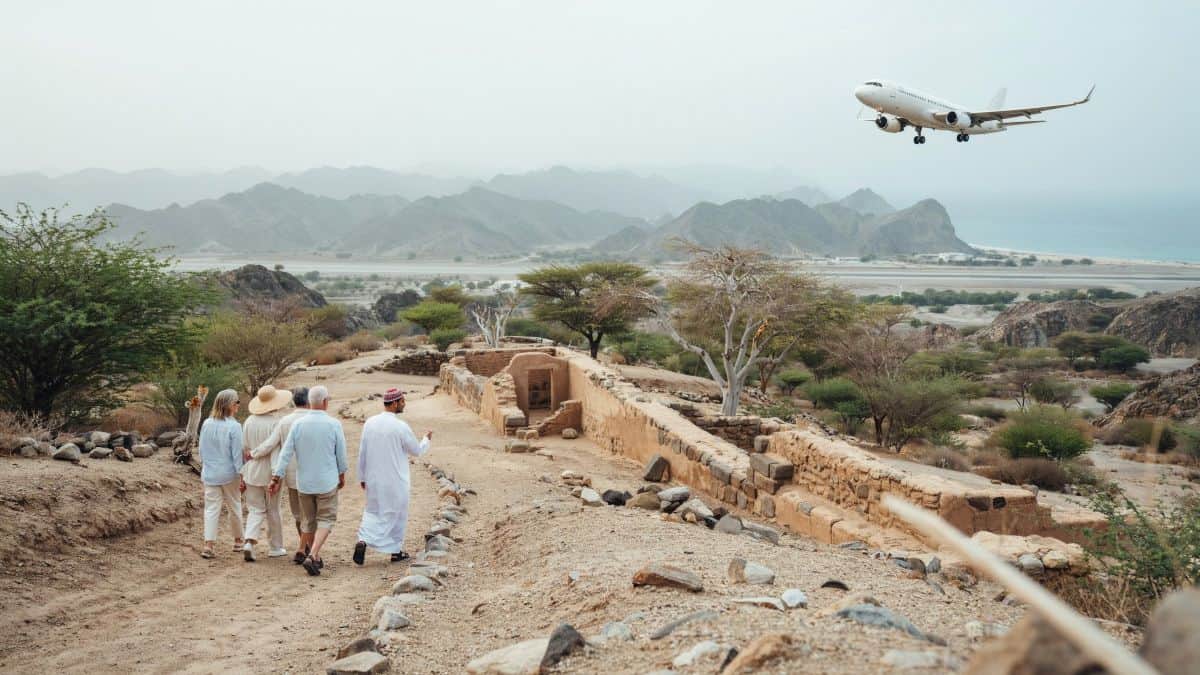
New airways have been established in Oman as tourism expansion comes to Dhofar region. In July 2026, Oman introduced direct flights to Singapore, Sochi and Medan. In addition, Oman received more tourists coming from Russia, Indonesia and Singapore compared to last year. Nevertheless, statistics do not reveal the duration of stay and the variety of regions visited by tourists yet. In Dhofar, one will find motivation to visit areas other than the capital as the region provides green landscapes, the frankincense tradition and cultural heritage sites. Thus, Oman should make its next step toward making the most out of new routes.
Oman’s tourism strategy turns east
Oman’s latest tourism push reaches towards Southeast Asia and Russia. The country launched direct routes to Singapore, Sochi and Medan at the start of July 2026. These connections serve markets that Oman’s tourism ministry has identified as priorities.
Advertisement
Advertisement
The change is more than a list of new flights. Oman is also expanding its overseas tourism offices. In May, it opened an office covering Singapore, Malaysia, Indonesia and Thailand. The goal is to make the country more visible to travellers and travel companies in those markets.
This gives Oman a different story from one built around a single drop in air passengers. Its government is trying to widen the places from which visitors come. But a new route does not guarantee a tourism boom. The real test will be whether travellers use the links, stay in Oman and explore beyond the airport.
Advertisement
Advertisement
The figures show fresh interest, but not the full picture
Oman’s Foreign Ministry reported that arrivals from Russia rose by 147% over the previous year. Arrivals from Indonesia increased by 61%, while those from Singapore rose by 26%. These are striking changes, but the figures need careful reading.
The announcement does not give the full starting numbers, the total number of visitors from each market, or a month-by-month breakdown. A large percentage rise can begin from a small base. It also does not say how long visitors stayed, how much they spent, or which parts of Oman they visited.
Advertisement
Advertisement
So the figures point to growing interest. They do not yet show the full value of that interest to Oman’s tourism economy. Later data on visitor totals, overnight stays, spending and travel between regions would help answer those questions.
Flights and marketing must work together
A direct flight makes travel easier. Yet travellers also need a reason to choose a destination. Oman’s plan links air access with overseas promotion, market research and work with airlines and travel companies.
That approach makes sense. A tourism office can help introduce Oman’s culture and landscapes to people who may know little about the country. An air route can then give them a more direct way to visit. The tourism ministry says it uses market studies to identify promising markets and shape its campaigns.
Still, a route and a marketing campaign are only the start. Tour operators need clear itineraries. Visitors need reliable travel information. Businesses need to offer experiences that match the interests of the people they hope to attract.
The government has identified family, cultural, nature and adventure travel as possible visitor segments. Those interests fit Oman’s varied landscapes and heritage. The next challenge is to turn that promise into easy-to-book trips.
Dhofar gives Oman a distinct story
Dhofar, in southern Oman, offers a strong example of what the country can show new visitors. The region has beaches, mountains, fertile plains, desert areas and historic sites. It also has a seasonal change that sets it apart from many nearby destinations.
Advertisement
Advertisement
The Khareef season lasts from June to September. During this time, mist and light rain cover parts of the plains and mountains. The change in weather brings a greener landscape and a cooler setting.
Dhofar is also known as the Land of Frankincense. Its historic places include Sumhuram and Al-Baleed, which Oman’s tourism platform identifies as UNESCO World Heritage sites. Traditional markets and mountain villages add another layer to the visitor experience.
This mix gives Oman a way to promote more than one type of trip. A visitor could seek nature, heritage, local food or time by the sea. The opportunity lies in connecting these experiences into thoughtful itineraries.
A route to Oman should lead beyond the airport
New air links can bring travellers into Oman. But the wider tourism test is whether visitors move around the country once they arrive. A trip that stays in one city may offer fewer chances for other communities and tourism businesses to benefit.
Oman’s tourism ministry operates information centres to introduce visitors to the country’s heritage and help them move between governorates. That role matters because travellers may not know how far apart destinations are or how to plan a route between them.
Clear information can help visitors build longer and more varied trips. It can also guide them towards local guides, historic sites and regional experiences. But access alone is not enough. Travel services need to be clear, reliable and suited to visitors’ needs.
Advertisement
Advertisement
The story, therefore, is not only about new flights. It is also about the links between airports, transport, accommodation, attractions and local operators.
Local value is a key measure of success
Visitor numbers can show whether more people have arrived. They cannot, by themselves, show who benefited from the trip. Did visitors use local guides? Did they buy goods from local businesses? Did they visit places outside the main urban centres?
Oman’s tourism ministry says tourism development should include sustainability and genuine partnership with local communities. That gives the article a useful reporting question: can the new market push create opportunities for people who live near the places visitors come to see?
This should be treated as a question for further reporting, not as a result already proved by the route announcement. The government has set out its aim. Public figures on local jobs, local business participation and visitor spending by region would help show how much progress has followed.
The value of a visitor is not measured only by arrival. It also depends on how the trip supports places and people across the country.
Oman’s tourism offer can reach different kinds of travellers
The new markets may bring visitors with different interests and travel habits. Oman’s tourism authorities have referred to family, cultural, nature and adventure travel as target areas. These categories can help explain why the country is promoting more than one kind of holiday.
Advertisement
Advertisement
For example, a family may want a simple plan with comfortable travel between stops. A culture-focused visitor may want time at heritage sites and markets. Nature travellers may look for mountains, beaches or seasonal scenery. Adventure visitors may seek outdoor activities.
These are possible travel interests, not confirmed profiles of the new visitors from Russia, Indonesia or Singapore. The government announcement does not break down those arrivals by age, purpose of travel or itinerary. That information would help tourism businesses build more useful packages.
A stronger article can explain this gap. Oman has identified the travel experiences it wants to promote, but public data does not yet show which experiences are drawing each new market.
A bigger percentage does not mean a bigger market than others
The reported growth rates are impressive, but they should not be compared as if they reveal the total size of each market. A 147% rise from Russia does not automatically mean Russia sent more visitors than Indonesia or Singapore. The announcement does not give the base totals needed for that comparison.
This distinction protects the story from overstating the figures. It also helps readers understand what the numbers can and cannot tell them. The reported increases show momentum in three markets. They do not prove that these markets now dominate Oman’s tourism, or that all growth came from the new flights.
Future reports could provide actual visitor counts alongside percentage changes. They could also separate arrivals by nationality, place of residence, length of stay and travel purpose. That would give a clearer picture of the new demand.
Advertisement
Advertisement
For now, the safest conclusion is that Oman is actively building links and promotion in selected markets while reporting higher arrivals from them.
The next figures will show whether the shift lasts
Tourism routes can change. Campaigns can gain attention, but lasting success depends on repeat demand and a steady travel offer. Oman’s new connections will need time and further data before anyone can judge their long-term effect.
Useful measures would include how often the routes operate, how many seats travellers use, and how many visitors stay overnight. Spending and regional travel data could show whether guests explore beyond the entry point. Repeat visits would offer another sign that the destination experience met expectations.
The reporting should also compare like with like. A rise in one market over a year should not be set beside a different period or a hotel figure without explaining the difference. Arrivals, hotel guests and overnight stays each measure something different.
These details may seem small, but they shape the story. Clear measures will help readers see whether the new air links support sustained tourism growth or simply mark a promising first step.
Oman’s opportunity lies in what happens after arrival
The bold initiative by Oman in the air sector can pave the way for a new tourism channel between Asia and Dhofar, but this will truly begin only after the arrival of tourists in Oman. New air connections have been created with Singapore, Sochi and Medan, in addition to promotion in the whole of Southeast Asia. It is also reported that increased arrivals are being witnessed from Russia, Indonesia and Singapore.
Advertisement
