
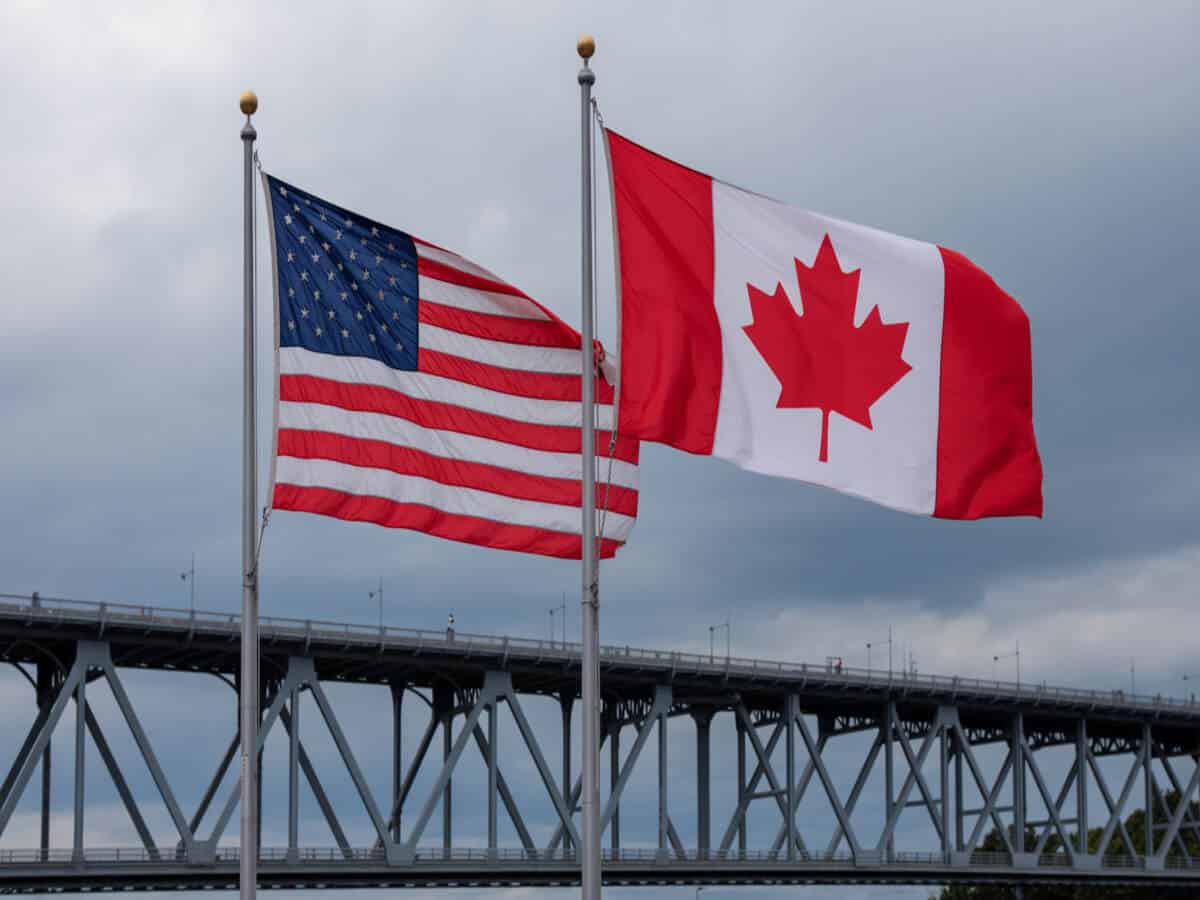
Image generated with Ai
US and Canada tourism is set to enter an era of change as trade tensions dictate where and how people choose to spend their hard-earned cash. The long-standing relationship between the U.S. and its largest neighbor to the north is entering a new chapter as trade disputes drive travelers to reconsider their leisure spending. Millions of Canadians have made the short hop across the border for vacations, shopping sprees, winter sports getaways and family vacations for decades, making Canada one of the largest international tourist destinations for the American service sector. Yet shifting tides in bilateral relations, looming tariffs and economic uncertainty have prompted a rethinking of spending habits by millions of would-be visitors.
The result is a major tourism realignment across North America. Canada’s domestic tourism sector is emerging as an unexpected beneficiary, while several US destinations that depend heavily on Canadian visitors are facing growing pressure. The shift highlights how geopolitical developments can influence tourism decisions, redirect billions in visitor spending and create new winners and losers across the travel economy.
Canada’s tourism industry is experiencing a notable boost as more residents choose to explore destinations closer to home rather than travelling across the border.
The change is not because Canadians have stopped travelling. Instead, holiday spending is being redirected towards Canadian provinces, cities and outdoor destinations. Travellers who previously planned trips to Florida, New York, California or other US destinations are increasingly considering Canadian alternatives, including mountain escapes, coastal experiences, national parks and cultural attractions.
Advertisement
Advertisement
This shift has created stronger demand for:
The trend represents an important development for Canada’s tourism economy because domestic visitors typically provide a more stable source of revenue during periods of international uncertainty.
Canada has long promoted itself as a destination offering vast landscapes, outdoor adventures and unique cultural experiences. The current travel shift is giving tourism operators an opportunity to encourage Canadians to discover destinations within their own country.
From the Rocky Mountains of Alberta and British Columbia to Atlantic Canada’s coastal communities, destinations are benefiting from increased interest among travellers looking for memorable experiences without crossing international borders.
One of the strongest impacts of the US–Canada trade tensions has been the rise of consumer-driven support for domestic businesses.
A growing number of Canadian travellers are choosing to spend their holiday budgets within Canada, viewing domestic travel as a way to support local communities and businesses.
This behavioural change has strengthened the appeal of:
The impact is particularly important for smaller communities that often compete against international destinations for visitor spending.
When Canadians choose a local resort instead of a US holiday destination, the economic benefits remain within Canada through accommodation, restaurants, transportation providers and attractions.
The tourism industry is increasingly recognising that domestic travellers are not simply filling a temporary gap. They could become a long-term growth opportunity by creating stronger connections between Canadians and destinations across the country.
While Canada’s tourism sector benefits from changing travel habits, the US tourism industry is experiencing the opposite effect.
Canadian visitors have historically represented one of the largest international visitor groups for the United States. They contribute billions of dollars annually through hotel stays, restaurant spending, shopping, entertainment and transportation.
However, recent tensions have affected traveller confidence and willingness to visit the US.
Data from Statistics Canada showed a significant decline in Canadian travel to the United States, with fewer Canadians making cross-border trips compared with previous years.
The decline has been particularly visible in:
For many US destinations, Canadian travellers are not just international tourists. They are repeat visitors who often return multiple times every year.
This makes the decline especially important because tourism businesses rely heavily on loyal markets with predictable travel patterns.
The strongest effects are being felt in US regions that have traditionally depended on Canadian travellers.
Border states including:
have built tourism economies around Canadian visitors arriving for weekend trips, shopping, outdoor recreation and short holidays.
Retail centres near the border are among the businesses most affected because Canadian shoppers have historically represented a major customer base.
Hotels, restaurants and attractions in these regions are also facing challenges as fewer Canadian visitors contribute to local tourism revenue.
For many border communities, Canadian tourism is not simply an additional market — it is a core part of their economic model.
A prolonged decline could force businesses to rethink marketing strategies and focus more heavily on domestic US travellers or visitors from other international markets.
Florida is another major US destination affected by the changing relationship between Canadian and US tourism.
For decades, thousands of Canadians have travelled south during winter months to escape colder weather. These seasonal visitors, often known as “snowbirds”, have supported:
Canadian winter visitors provide significant economic value because many stay for extended periods and contribute heavily to local economies.
A reduction in Canadian arrivals could affect communities that have traditionally relied on this seasonal tourism cycle.
Florida tourism businesses may need to strengthen marketing efforts towards alternative international markets and domestic travellers if Canadian demand remains weaker.
The tourism shift is also affecting aviation and travel companies operating between the two countries.
The US–Canada air travel market has traditionally been one of the busiest international aviation corridors in the world.
Reduced demand for some cross-border journeys could influence:
At the same time, Canadian airlines and domestic tourism operators could benefit from increased demand for travel within Canada.
Airlines may see opportunities in strengthening domestic connections between major Canadian cities and expanding routes to alternative international destinations as travellers look beyond the United States.
While Canada benefits from stronger domestic tourism, it is also positioned to attract international visitors looking for new experiences.
A weaker Canadian dollar compared with some global currencies can make Canada more attractive for foreign travellers seeking value.
International visitors may find:
This creates another opportunity for Canada’s tourism industry to grow beyond domestic demand.
Tourism organisations are increasingly promoting Canada’s natural beauty, cultural diversity and adventure experiences to international audiences.
The US–Canada tourism change reflects a broader global trend where politics and international relationships increasingly influence travel behaviour.
Historically, travellers mainly considered:
Today, additional factors are influencing decisions:
The Canada–US tourism situation demonstrates how quickly travel patterns can change when public sentiment shifts.
For tourism businesses, this creates both risks and opportunities.
Destinations that depend heavily on one international market may face challenges, while those with diverse visitor sources can adapt more easily.
The future of US and Canada tourism will depend on how quickly businesses respond to changing traveller behaviour.
For Canada, the opportunity is clear: strengthen domestic tourism, attract international visitors and transform short-term momentum into long-term growth.
For the United States, the challenge will be rebuilding confidence among Canadian travellers and ensuring that traditional visitor markets remain connected.
The current shift does not represent the end of Canada–US tourism ties. Millions of people will continue crossing the border for business, leisure and family reasons.
However, the trade tensions have created a new reality: travellers are reconsidering where they go, how they spend and which destinations they support.
US and Canada tourism is now confronted with a paradigm shift triggered by trade tensions, which diverts preference to domestic destinations and challenges the capacity of US tourism operators to accommodate the number of Canadian visitors.
The North American tourism map is being rewritten, and both Canada and the United States must adapt to a changing era where travel decisions are increasingly shaped by economic and political forces.
Advertisement
Advertisement
Advertisement













Friday, September 4, 2026

Friday, September 4, 2026

Saturday, September 5, 2026

Friday, September 4, 2026

Thursday, September 3, 2026

Wednesday, September 2, 2026

Friday, September 4, 2026