
Kimodameshi: The Japanese Summer Tradition of Testing Courage Through Haunted Paths and Spooky Adventures – A Unique Cultural Experience
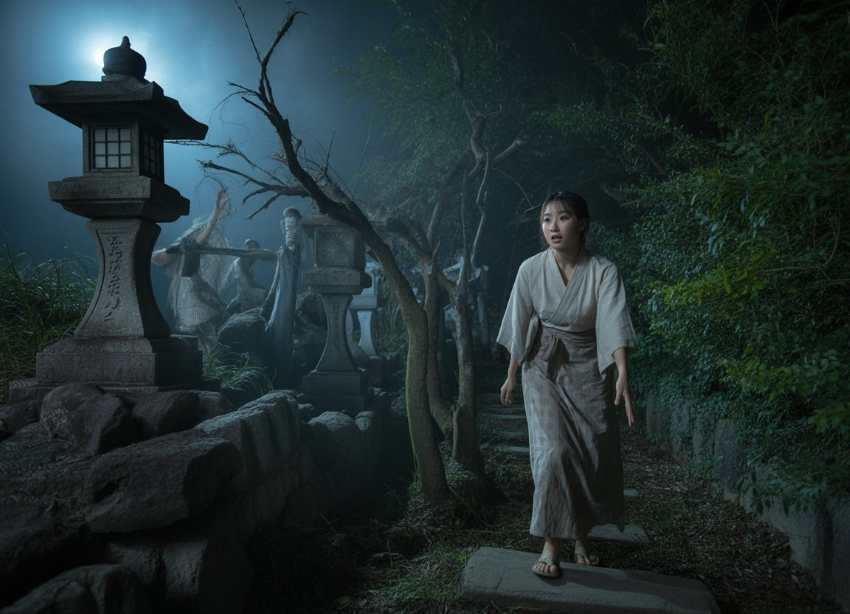
Image generated with Ai
In Japan, summer isn’t just about sunshine and beaches; it also brings a spine-tingling tradition that combines fear, history, and cultural rites. This summer activity is known as Kimodameshi, a thrilling and sometimes terrifying experience where participants test their courage by navigating haunted paths, graveyards, and abandoned locations. This time-honored tradition has become a key part of Japanese summer festivals and is especially popular with students and young people, making it a perfect addition to the broader cultural fabric of the country’s tourism offerings during the summer months.
Much like Halloween in the West, which brings a sense of eerie fun to the fall season, Japan’s summer is characterized by its connection to the supernatural. The Obon festival, which runs from August 13 to 15, marks the time when the spirits of deceased ancestors are believed to return to their homes. During this period, many engage in Kimodameshi, a practice that allows participants to confront their fears in a festive and communal way. Haunted houses, ghost stories, and terrifying tales fill the air, blending a celebration of the dead with the thrill of horror.
The Origins and Evolution of Kimodameshi
The practice of Kimodameshi is not new; its roots stretch back over a thousand years, to the time of the Emperor Hanayama’s reign. An ancient text, Ookagami, tells the story of an emperor who ordered three young aristocrats to prove their courage by entering a haunted house at the witching hour, a task that would become a rite of passage. Only one of the three was brave enough to complete the challenge, returning to the emperor with a piece of the haunted house as proof of his courage.
This historical origin of Kimodameshi as a test of bravery would later become deeply embedded in Japanese culture. Over the centuries, it evolved from a royal challenge into a popular summer pastime for students, families, and communities. Today, it serves as a celebration of fear and courage, deeply integrated into Japan’s rich tapestry of traditions and festivals.
Advertisement
Advertisement
Kimodameshi in Modern Japan: A Summer Must-Do
While the roots of Kimodameshi are steeped in history, the tradition has undergone significant changes to fit modern times. Today, Kimodameshi is typically enjoyed by young people, particularly students, during summer festivals or camps. It is a rite of passage for teenagers, where they face the unknown in a spooky setting while also bonding with friends. This form of communal fear creates unforgettable memories that last a lifetime.
In schools, communities, and even amusement parks, temporary haunted houses are erected, offering a tangible experience of fear. These haunted attractions are carefully designed to maximize the thrill of the experience. Spooky paths are laid out in graveyards, forests, temples, or abandoned buildings, creating the perfect setting for adrenaline-fueled adventures. Participants, often paired in teams, embark on these chilling journeys, with challenges waiting at every turn to test their bravery.
Advertisement
Advertisement
How Kimodameshi is Played: The Thrills and Fears of the Challenge
Kimodameshi can take various forms, but it generally involves participants walking through dark, eerie locations, where they are greeted by terrifying sights and sounds. Teams—typically boys and girls, though sometimes small groups or individuals—are tasked with traversing a haunted path. The journey is filled with fear-inducing props such as skulls, creepy dolls, and spooky items that make participants second-guess their every step. In some cases, terrifying audio and visual effects are used to heighten the sense of dread.
The most important part of the challenge is to prove that the participants have completed the path. To do this, they often have to bring back something from the haunted area, such as a stone, a card, or a written token, marking their bravery and signifying that they completed the challenge. Teachers or volunteers often participate by hiding along the path in ghost costumes, jumping out to scare participants and increase the thrill of the experience.
Kimodameshi as a Cultural Event: More Than Just Scares
Though Kimodameshi is about facing one’s fears, it also serves as a cultural event that fosters social connections and strengthens community bonds. It is a way for students to show their courage and enjoy an adventure with friends, making it a valuable part of the summer experience. The cultural significance of Kimodameshi lies not only in the fear it instills but also in the camaraderie and collective experiences it fosters.
For many participants, Kimodameshi is more than just an opportunity to test courage; it is a moment to make lasting memories with friends and create shared experiences. The laughter and camaraderie that follow the scares of the challenge are integral to the fun of the event, making it a festive and light-hearted tradition that is eagerly anticipated each year.
Kimodameshi and Its Effect on Japan’s Tourism Industry
For tourists, Kimodameshi offers a unique and immersive experience into Japanese culture, providing a glimpse of the country’s rich history, seasonal traditions, and modern-day entertainment. Visitors to Japan during the summer months are often drawn to these thrilling events, where they can engage with local customs while enjoying the spine-chilling excitement of the haunted attractions.
As more tourists become interested in exploring local Japanese traditions, Kimodameshi presents an opportunity for cultural tourism that blends history with contemporary entertainment. Areas like Tokyo, Kyoto, and Osaka, along with more rural locations known for their historic shrines and temples, host Kimodameshi events that attract visitors eager to witness a truly unique Japanese experience.
Advertisement
Advertisement
The integration of Kimodameshi into Japan’s tourism offerings is a perfect example of how traditional cultural practices can be blended with modern entertainment to offer tourists a distinctive, engaging, and unforgettable experience. Whether it’s through visiting haunted houses, participating in nighttime walks through spooky locations, or taking part in local festivals, Kimodameshi adds a layer of excitement and uniqueness to the Japanese tourism landscape.
The Growing Popularity of Kimodameshi Among International Visitors
For international visitors, Kimodameshi has become an increasingly popular attraction, especially for those interested in Japan’s quirky and unique cultural practices. As the country’s tourism industry continues to grow, events like Kimodameshi offer travelers a chance to immerse themselves in local customs that they might not encounter in more conventional tourist destinations. This provides a deeper connection to the region’s culture and history, making the experience much more meaningful than just sightseeing.
Moreover, as the global interest in horror genres and thrill-seeking activities continues to rise, Kimodameshi presents a great opportunity for tourists to experience a taste of Japan’s eerie and exciting summer traditions. For horror fans and adventure seekers, Kimodameshi offers an authentic Japanese approach to the genre, one that involves participation and emotional engagement, rather than merely watching a horror film.
The Future of Kimodameshi in Japan’s Tourism Landscape
Looking forward, Kimodameshi is expected to continue its evolution, particularly with its integration into the tourism sector. With an increasing number of tourists visiting Japan during the Obon season, the demand for seasonal attractions like Kimodameshi is likely to grow. This could lead to the expansion of Kimodameshi experiences across the country, with more locations offering immersive haunted paths, unique storytelling, and fear-inducing attractions for both locals and visitors.
As Japan’s tourism industry diversifies and seeks to appeal to a broader range of visitors, Kimodameshi has the potential to become a key component of the country’s seasonal tourism offerings. It presents an exciting and culturally rich experience that blends history, fear, and fun, providing visitors with a chance to engage with the supernatural in a way that is uniquely Japanese.
In the coming years, the popularity of Kimodameshi could see it gaining even greater recognition on the international stage. Its fusion of traditional Japanese culture, storytelling, and modern entertainment makes it an ideal addition to Japan’s broader tourism experience, offering something distinct for tourists seeking adventure and cultural immersion.
Advertisement
Advertisement
Conclusion: Kimodameshi’s Enduring Appeal in Japan and Beyond
Kimodameshi is more than just a summer tradition in Japan—it is a cultural experience that combines fear, history, and social interaction in a way that is uniquely Japanese. As both a rite of passage for students and a captivating attraction for tourists, Kimodameshi continues to captivate the imaginations of all who take part in it. By integrating these thrilling experiences into the fabric of Japanese tourism, it offers a glimpse into a world where the supernatural and reality intersect, providing visitors with a memorable and exciting way to experience Japan’s rich cultural heritage.
For those looking to explore Japan’s lesser-known traditions, participate in an unforgettable summer experience, or simply indulge in a thrilling adventure, Kimodameshi presents a unique opportunity. This fusion of horror, history, and cultural richness will undoubtedly continue to be a key aspect of Japan’s summer tourism for years to come.
Advertisement
