
The World in the Heart of Bogotá Brings Guatemala and More American Nations Together for the Cuisine and Cultural Festival in Colombia

Published
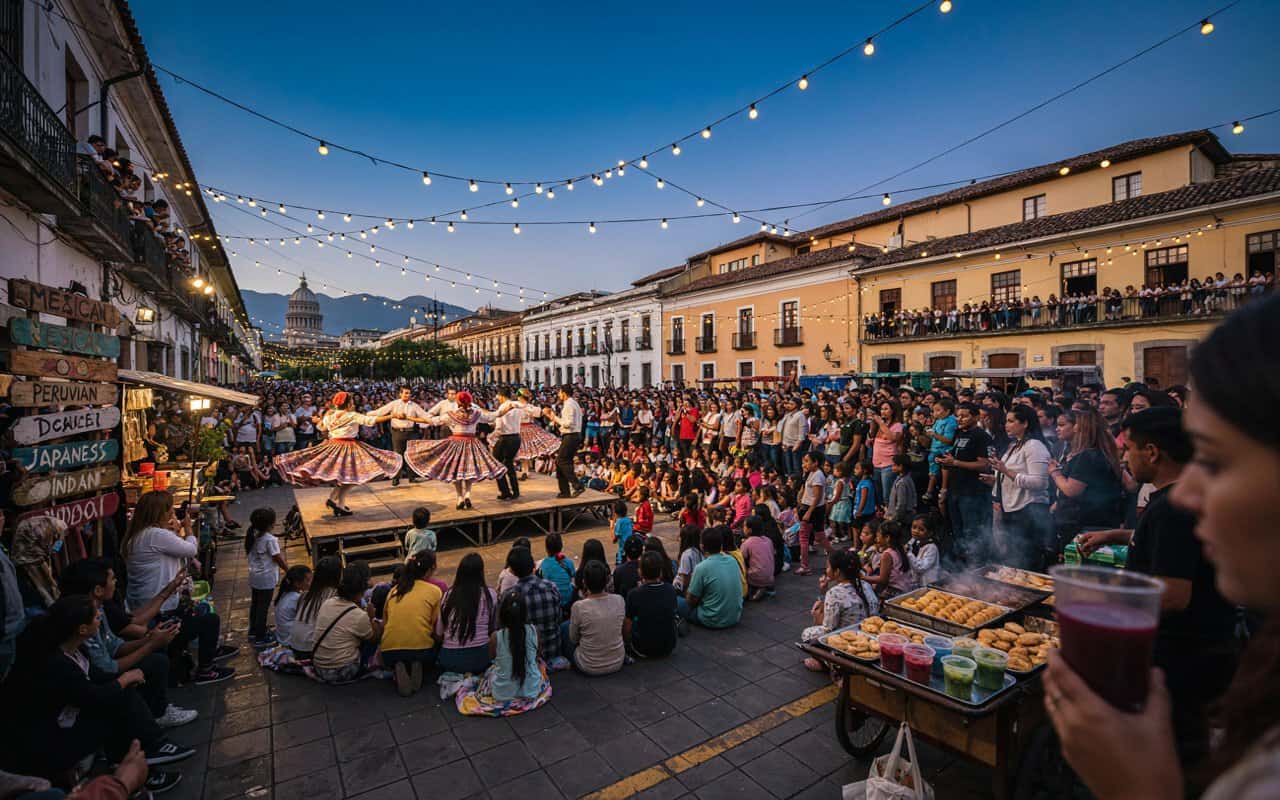
Eight nations from across the Americas—Guatemala, Peru, Honduras, Costa Rica, El Salvador, Ecuador, Uruguay, and the Dominican Republic—have converged in Colombia for the highly anticipated “El Mundo en el Corazón de Bogotá” festival. This massive diplomatic and social event transforms the city’s urban landscape into a vibrant epicenter of global exchange, offering thousands of visitors a unique, immersive dive into the authentic gastronomy, traditional crafts, and spellbinding musical heritages of the Western Hemisphere.
The “El Mundo en el Corazón de Bogotá” (The World in the Heart of Bogotá) is a cultural and gastronomic festival held at Parque El Country in Bogotá on September 19 and 20, 2026. The event brings together diplomatic communities from various nations to share their traditions, food, and art with the public.
Advertisement
Advertisement
Countries Participating in the Festival
| Country | Region | Gastronomic & Cultural Highlights |
| Guatemala | Central America | Food & Drink: Jocón (chicken in tomatillo/cilantro sauce), chuchitos (traditional tamales), dobladas (folded tortillas with filling), mole de plátano, horchata, fresco de rosa de Jamaica (hibiscus tea), and naranjada con pepitoria (orangeade with pumpkin seeds). Culture: Performance by the Marimba de Concierto of the National Palace of Culture. |
| Peru | South America | Culture: Traditional Andean music performances. |
| Honduras | Central America | Culture: Live musical performance by a National Police orchestra interpreting traditional Honduran music. |
| Costa Rica | Central America | Highlights: General exhibition of traditional Costa Rican gastronomy, crafts, and cultural expressions. |
| El Salvador | Central America | Highlights: General exhibition of traditional Salvadoran food, crafts, and culture. |
| Ecuador | South America | Highlights: General exhibition of typical Ecuadorian cuisine, crafts, and cultural expressions. |
| Uruguay | South America | Highlights: Traditional Uruguayan cultural representations and food (the festival also features general tango and accordion performances, which align closely with Uruguayan culture). |
| Dominican Republic | Caribbean | Highlights: General exhibition of traditional Dominican Caribbean gastronomy, crafts, and culture. |
What is the “El Mundo en el Corazón de Bogotá” festival and why does it matter?
Situated in the bustling heart of Colombia’s capital, the El Mundo en el Corazón de Bogotá festival is far more than a standard weekend street fair; it is a meticulously coordinated exercise in international soft power and cultural diplomacy. Spearheaded by local authorities and international embassies, the event aims to dissolve geographical borders by bringing the world directly to the citizens of Bogotá. For the American nations participating, it serves as a critical platform to foster regional unity and showcase their unique national identities on a shared stage. In an era where diplomatic relations can often feel rigidly political and confined to closed-door meetings, this festival democratizes international relations. By inviting everyday families to taste foreign cuisines, listen to indigenous instruments, and purchase handmade artisanal crafts, the festival effectively bridges the gap between global diplomats and local communities, generating lasting goodwill across the continent.
How is Guatemala bringing the vibrant flavors and sounds of Central America to the stage?
Guatemala has undeniably staged one of the most ambitious and mouth-watering interventions at the festival, transforming their pavilion into a sensory triumph of Central American heritage. Culinary enthusiasts are flocking to sample an expansive menu anchored by Jocón, a deeply savory chicken dish braised in a rich tomatillo and cilantro sauce. The gastronomic journey continues with chuchitos (traditional, tightly wrapped tamales), crispy dobladas packed with hearty fillings, and the famously sweet mole de plátano. To wash it down, attendees are treated to refreshing beverages ranging from classic horchata to the tart fresco de rosa de Jamaica (hibiscus tea) and the uniquely textured naranjada con pepitoria (orangeade accented with roasted pumpkin seeds). Beyond the incredible food, the nation has flown in the prestigious Marimba de Concierto of the National Palace of Culture, whose wooden keys resonate across the park, delivering a masterclass in Guatemala’s indigenous and colonial musical fusion.
Advertisement
Advertisement
What traditional Andean melodies is Peru showcasing for international audiences?
When it comes to musical heritage, Peru has opted for a deeply evocative approach, cutting through the ambient noise of the festival with the haunting, beautiful sounds of traditional Andean music. Rather than focusing solely on their world-renowned culinary exports, the Peruvian delegation decided to spotlight the auditory soul of the Andes Mountains. Performers adorned in vibrant, historically accurate textiles are taking to the stage to play traditional wind and string instruments, such as the zampoña (pan flute), the quena, and the charango. These Andean musical performances are not merely entertainment; they are a vital storytelling medium that communicates the history, struggles, and triumphs of indigenous South American communities. For the audiences gathered in Bogotá, the soaring melodies offer a moment of profound reflection, acting as a sonic bridge that connects the high-altitude traditions of the Incan empire to modern-day Colombia.
Why is Honduras utilizing a national police orchestra to share its cultural heritage?
In one of the festival’s most intriguing and widely discussed programming choices, Honduras has deployed a National Police orchestra to interpret and share its traditional musical heritage. At first glance, a law enforcement ensemble might seem an unorthodox choice for a vibrant cultural festival. However, in Honduras, the National Police Band boasts a long, prestigious history of community outreach and cultural preservation. By stepping out of their official uniforms and into the role of cultural ambassadors, these highly trained musicians are changing regional perceptions and showcasing a different, highly artistic side of their institution. The orchestra is delivering powerful, brass-heavy renditions of traditional Honduran folk music, including lively Punta rhythms that trace their roots to the Garifuna people on the Caribbean coast. This dynamic performance not only highlights Honduras’ rich rhythmic diversity but also serves as a brilliant exercise in civic diplomacy.
Advertisement
Advertisement
What makes the Costa Rican exhibition a must-see for lovers of crafts and gastronomy?
Costa Rica has successfully transported its famous “Pura Vida” philosophy directly to the heart of Bogotá through an extensive, meticulously curated exhibition of its traditional gastronomy, crafts, and cultural expressions. The Costa Rican pavilion acts as a tranquil yet vibrant oasis, drawing visitors in with the irresistible aromas of freshly brewed highland coffee and traditional dishes like gallo pinto and sweet plantains. Beyond the culinary delights, the space serves as a vibrant gallery for the nation’s highly skilled artisans. Visitors can browse intricate wooden carvings, colorful oxcart wheel replicas (a UNESCO-recognized symbol of Costa Rican heritage), and sustainably sourced woven textiles. This holistic exhibition provides a comprehensive look into a country that prides itself on environmental harmony, social peace, and artistic dedication, making it a mandatory stop for anyone looking to understand the peaceful essence of Central America’s most ecologically diverse nation.
How is El Salvador capturing the essence of its traditions through local food and art?
El Salvador is proving that a country’s physical size has absolutely no bearing on the magnitude of its cultural footprint. The Salvadoran delegation has mounted a general exhibition that acts as a vibrant love letter to their traditional food, crafts, and culture. Naturally, the undisputed star of their showcase is the pupusa—thick, handmade corn tortillas stuffed with gooey cheese, beans, and seasoned pork, served hot off the griddle with a generous side of tangy curtido (cabbage slaw). Yet, the Salvadoran experience extends far beyond their most famous culinary export. The pavilion is awash in the bright colors of traditional artisanal crafts, including intricately painted ceramics from Ilobasco and brightly woven hammocks that reflect centuries of indigenous craftsmanship. Through this lively, tactile exhibition, El Salvador is successfully telling a story of national resilience, warmth, and an unwavering dedication to preserving ancestral traditions.
What unique Ecuadorian culinary staples and crafts are making an appearance?
Positioned as a vibrant crossroads of the Andes, the Amazon, and the Pacific coast, Ecuador is utilizing the festival to highlight its incredible regional diversity through a massive exhibition of typical cuisine, crafts, and cultural expressions. Visitors exploring the Ecuadorian sector are greeted by the tantalizing scents of hornado (slow-roasted pork) and fresh ceviche, dishes that perfectly encapsulate the country’s varied topography. Furthermore, the delegation has brought an impressive array of traditional crafts that highlight Ecuadorian artistry. Attendees can marvel at the legendary, finely woven toquilla straw hats (often mistakenly referred to as Panama hats), as well as intricate jewelry carved from the sustainable tagua nut, often called “vegetable ivory.” By combining these authentic, mouth-watering culinary staples with sustainable, indigenous craftwork, Ecuador is offering a masterclass in how to package and promote national identity on an international stage.
How do Uruguay’s cultural representations and tango rhythms steal the spotlight?
Uruguay has brought the distinct, melancholic elegance of the Río de la Plata to Colombia, captivating festival-goers with its deeply emotive cultural representations and robust food offerings. The Uruguayan presence is anchored by the unmistakable scent of their legendary asado (barbecue) and the communal sharing of mate, a caffeinated herbal infusion that serves as the lifeblood of their social interactions. But it is the music that is truly stealing the spotlight. The festival features sweeping general tango and accordion performances, artistic expressions that align intimately with Uruguayan culture. As dancers execute sharp, passionate steps to the complex, breathing rhythms of the bandoneón, onlookers are transported directly to the historic cafes of Montevideo. This combination of hearty, fire-cooked gastronomy and the sophisticated, nocturnal romance of the tango ensures that Uruguay’s cultural footprint at the festival is both heavy and unforgettable.
What Caribbean flair is the Dominican Republic adding to this massive cultural exchange?
Injecting a necessary dose of island sunshine and infectious Caribbean energy into the Andean chill of Bogotá, the Dominican Republic has erected one of the festival’s most joyous and heavily trafficked pavilions. Their general exhibition is a non-stop celebration of traditional Dominican gastronomy, crafts, and culture. The air is thick with the scent of mangú (mashed plantains) and deeply seasoned roasted meats, offering a true taste of the Caribbean. The rhythmic backbone of their exhibition is impossible to ignore; the pulsating beats of merengue and bachata constantly invite attendees to abandon their inhibitions and dance. Vibrant carnival masks made of papier-mâché and intricate amber jewelry are on full display, showcasing the island’s rich artisanal talent. The Dominican Republic’s presence is a vivid reminder of the African, Taíno, and Spanish cultural collisions that make Caribbean heritage so uniquely dynamic.
How does this gathering foster unity among the diverse nations of the Americas?
Ultimately, the “El Mundo en el Corazón de Bogotá” festival is a powerful testament to the unifying potential of shared cultural heritage. By bringing together Guatemala, Peru, Honduras, Costa Rica, El Salvador, Ecuador, Uruguay, and the Dominican Republic in a single geographic space, the event highlights the profound interconnectedness of the Americas. While each nation boasts distinct culinary profiles, musical scales, and artisanal techniques, the underlying themes of indigenous pride, colonial resilience, and modern artistic expression are universal. This gathering proves that soft diplomacy—measured in plates of Jocón, the strum of a charango, and the shared steps of a tango—can forge deeper, more authentic connections than traditional political discourse. As visitors walk from pavilion to pavilion, they aren’t just crossing imaginary borders; they are actively participating in the ongoing, vibrant integration of the Western Hemisphere.
Additional Festival Details:
- Purpose: To create an informal space for cultural exchange, allowing locals to discover global traditions while supporting social causes like Misión Nutrición and Tejidos Urbanos.
- Format: The event is free of charge, pet-friendly, and features ongoing music, dance, and artisan craft spaces throughout the weekend.
Traditional diplomacy was failing to connect with normal people. The ultimate answer is this vibrant street fair. It forces rigid politicians to step outside and share real culture. Eight countries united to feed and entertain the public. The reason this works so perfectly is simple. Food and music break down borders faster than any closed-door meeting ever could. Sharing a hot meal creates instant goodwill. When citizens taste these authentic foreign dishes, regional unity skyrockets. This incredible event proves that true international connection always starts directly from the heart.
Advertisement
