
Peru Rallies Alongside Chile, Colombia and More as South America Trekking Tourism Evolves From Classic Trails to Luxury Adventures

Published
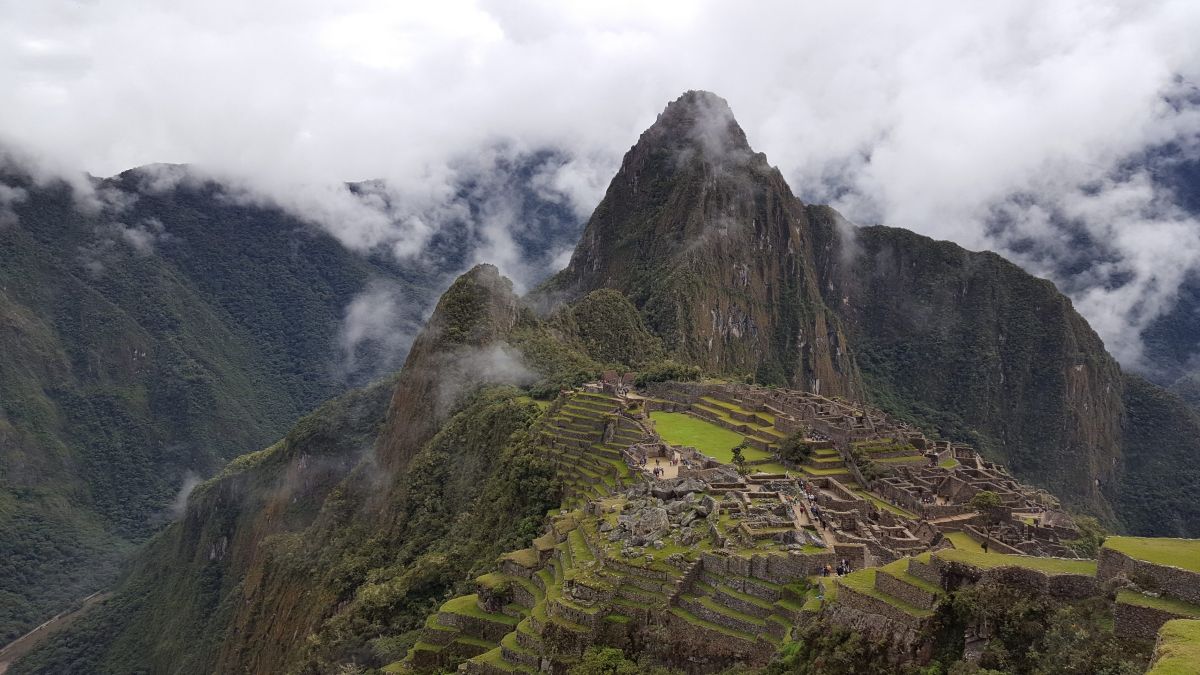
Image Credit: Machu Picchu
Peru Rallies Alongside Chile, Colombia and More as South America Trekking Tourism Evolves From Classic Trails to Luxury Adventures as the region’s mountain tourism sector enters a new phase of growth driven by changing traveller expectations and expanding adventure experiences. The reason behind this transformation is the rising demand for authentic trekking journeys that combine nature, culture, comfort and personalised services. Peru Rallies Alongside Chile, Colombia and More as leading South American destinations strengthen their trekking offerings, from Peru’s iconic Inca Trail and Machu Picchu routes to Patagonia adventures and emerging Andean experiences. As South America Trekking Tourism Evolves, operators are introducing new options, including improved campsites, lodges, glamping stays and shorter trails. The shift from Classic Trails to Luxury Adventures reflects how the trekking market is attracting a wider range of global travellers while preserving the cultura
Cusco Trekking Operator Xtreame Tourbulencia Transforms Inca Trail Adventures From Classic Hikes to Luxury Andes Experiences as Peru’s mountain tourism sector adapts to changing traveller expectations. The reason behind this transformation is growing demand for authentic adventure combined with greater comfort, flexibility and personalised experiences. With more than 20 years of local experience in Cusco, Xtreame Tourbulencia continues operating iconic routes including the Inca Trail and Salkantay Trail while introducing new trekking options. The company’s approach shows how Inca Trail Adventures are evolving from traditional camping journeys into diverse Luxury Andes Experiences without losing their connection to Machu Picchu and local culture.
South America Trekking Tourism Market Overview: Andes, Patagonia and Machu Picchu Drive Adventure Travel Growth
South America has become one of the world’s most attractive trekking and adventure tourism markets, powered by the Andes Mountains, Patagonia wilderness, ancient heritage routes, Amazon ecosystems and protected natural landscapes. The region attracts travellers seeking hiking, cultural exploration, wildlife experiences and nature-based adventures.
Advertisement
Advertisement
Unlike traditional tourism focused only on cities and beaches, trekking tourism in South America is increasingly becoming a high-value segment, combining outdoor adventure with local culture, sustainability and premium experiences. Countries such as Peru, Chile, Argentina, Colombia, Ecuador and Brazil are strengthening their position by improving trails, visitor infrastructure, guided experiences and conservation-focused tourism models.
International tourism data shows that South American countries continue recovering and expanding their visitor economies, with major destinations benefiting from growing demand for nature and adventure travel. UN Tourism and World Bank tourism datasets track international arrival growth across the region, while national tourism authorities continue reporting increasing demand for outdoor experiences.
Advertisement
Advertisement
The trekking market is evolving from traditional backpacking towards diverse experiences, including:
- luxury trekking lodges;
- glamping mountain stays;
- short adventure routes;
- community-based trekking;
- guided cultural journeys.
How Is Xtreame Tourbulencia Expanding Peru’s Trekking Tourism Experience?
Cusco-based Xtreame Tourbulencia has spent more than two decades developing trekking experiences across Peru’s Andes, connecting travellers with Machu Picchu through some of the region’s most famous routes. The local operator specialises in the Inca Trail, Salkantay Trail and other mountain paths.
The company explained:
“We are local operators in Cusco more than 20 years and also we work with the Inca Trail with the Salkantay Trail and many different tracks along the way.”
The operator focuses on helping travellers understand the destination rather than simply reaching Machu Picchu.
| Trekking Route | Experience |
|---|---|
| Inca Trail | Traditional multi-day adventure |
| Salkantay Trail | Alternative Andes journey |
| Other tracks | Diverse mountain experiences |
The growth of different trekking options allows visitors with different abilities and preferences to explore Peru’s landscapes.
Advertisement
Advertisement
Why Does Machu Picchu Remain the Heart of Peru’s Trekking Tourism?
Machu Picchu continues to be the main attraction connecting Peru’s trekking experiences. For Xtreame Tourbulencia, the journey through the Andes is as important as arriving at the famous archaeological site.
The company highlighted:
“Our goal is show to the people how is Machu Picchu, how is this wonderful place.”
The trekking experience introduces travellers to:
- Andean landscapes;
- local communities;
- mountain culture;
- natural environments.
Rather than focusing only on the final destination, the operator promotes a complete travel experience where visitors discover the history and beauty surrounding Machu Picchu.
This approach supports Peru’s wider adventure tourism appeal by combining cultural discovery with outdoor exploration.
Advertisement
Advertisement
How Are Traditional Inca Trail Adventures Preserving Their Authentic Character?
Although trekking experiences are changing, traditional routes such as the Inca Trail continue maintaining important elements of classic adventure travel.
Dimas explained that the Inca Trail still depends on local support systems, including porters who carry essential supplies.
“Inca Trail continue same. We will work still with the porters who carry all the fresh foods, tents, everything to have nice days on trail for four days.”
The traditional experience includes:
| Feature | Importance |
|---|---|
| Local porters | Support trekking operations |
| Camping | Maintains adventure character |
| Fresh food | Improves trail experience |
| Four-day journey | Authentic mountain travel |
These elements preserve the connection between travellers and the Andes while supporting local employment.
How Are New Trekking Routes Adding Comfort to Andes Travel?
While traditional trekking remains popular, travellers are increasingly looking for experiences that combine adventure with comfort. Xtreame Tourbulencia explained that routes such as Salkantay have developed new accommodation options.
Advertisement
Advertisement
Dimas said:
“Now you can find lodges, glamping domes, special campsites.”
These changes are expanding the appeal of Peru’s trekking tourism.
| Traditional Experience | New Experience |
|---|---|
| Camping | Lodges |
| Basic facilities | Private facilities |
| Long outdoor stays | Comfortable campsites |
| Classic trekking | Flexible adventure |
The introduction of more comfortable options allows Peru to attract travellers who want to experience the Andes while enjoying improved services.
Is Comfort Changing the Future of Mountain Adventure Tourism?
The growth of luxury and comfortable trekking options creates opportunities but also raises questions about maintaining adventure authenticity.
Dimas reflected on this change:
Advertisement
Advertisement
“It’s better. I don’t know. Maybe it’s not better because it’s too much comfort now to make Salkantay.”
The comment highlights a wider tourism challenge: balancing improved visitor facilities with the original spirit of adventure travel.
Modern trekking now offers different choices:
- traditional hiking;
- comfortable mountain stays;
- shorter routes;
- personalised journeys.
This allows travellers to choose experiences based on their interests, fitness levels and expectations.
How Are Shorter Trails Making Andes Experiences More Accessible?
Not every traveller wants to complete demanding multi-day treks. Xtreame Tourbulencia explained that shorter routes are attracting visitors who want to experience the Andes without long hiking schedules.
Dimas highlighted:
Advertisement
Advertisement
“Allaris for example is a trek for the people who want to just walk on the mountains for a few hours.”
Shorter experiences support:
| Traveller Type | Benefit |
|---|---|
| Casual hikers | Easier mountain access |
| Families | Flexible adventure |
| Time-limited visitors | Short experiences |
| Nature lovers | Andes exploration |
This diversification is helping Peru expand adventure tourism beyond experienced trekkers.
Which South American Countries Lead Trekking Tourism Growth?
South America does not publish a single official category for “trekking tourists”, as most tourism authorities measure visitors by purpose of travel, attraction visits or adventure tourism categories. Therefore, trekking demand is usually measured through national park visitors, iconic routes, international arrivals and adventure tourism indicators.
The following countries represent the strongest trekking markets based on their international tourism scale, mountain attractions and adventure tourism infrastructure.
| Country | Major Trekking Attractions | International Tourism Scale | Trekking Revenue Opportunity | Key Advantage |
|---|---|---|---|---|
| Peru | Inca Trail, Salkantay Trail, Andes, Machu Picchu | Around 3+ million international visitors in recent recovery years | High-value trekking packages, guides, permits, accommodation | Heritage + Andes combination |
| Chile | Torres del Paine, Patagonia, Atacama routes | More than 5 million international visitors in strong tourism years | National parks, adventure operators, luxury trekking | Patagonia wilderness |
| Argentina | Patagonia, Fitz Roy, Los Glaciares National Park | More than 6 million international visitors in recent years | Hiking, glacier tourism, outdoor experiences | Large-scale landscapes |
| Colombia | Sierra Nevada de Santa Marta, coffee region trails | Around 7 million international visitors in recent tourism growth periods | Nature tourism, cultural trekking | Biodiversity and culture |
| Ecuador | Andes volcano routes, Cotopaxi, Quilotoa | Around 2 million+ visitors in recent years | Mountain trekking and ecological travel | Multiple ecosystems |
| Brazil | National parks, Amazon trails, mountain routes | South America’s largest tourism market | Eco-adventure and nature tourism | Scale and biodiversity |
International arrival figures vary by year and official reporting methods. Trekking-specific visitor numbers are not separately published by most governments.
Advertisement
Advertisement
Why Is Peru the Strongest Trekking Destination in South America?
Peru remains the continent’s most recognised trekking destination because it combines ancient history with high-altitude adventure. The country’s biggest tourism advantage is the connection between trekking routes and Machu Picchu, one of the world’s most recognised cultural destinations.
Key trekking products include:
| Trek | Main Appeal |
|---|---|
| Inca Trail | Historic route connected to Machu Picchu |
| Salkantay Trail | Alternative Andes adventure |
| Other Cusco routes | Local culture and mountain landscapes |
Local operators in Cusco have increasingly adapted to changing traveller expectations by offering both traditional camping experiences and more comfortable options such as lodges and glamping.
Peru’s trekking economy benefits from:
- international adventure travellers;
- cultural tourism demand;
- guided trekking packages;
- local employment opportunities.
The country’s model shows how heritage and adventure tourism can work together.
How Are Chile and Argentina Dominating Patagonia Trekking Tourism?
Chile and Argentina are major competitors in the South American trekking market because of Patagonia, one of the world’s most famous wilderness destinations.
Advertisement
Advertisement
Chile Trekking Strengths
Chile attracts adventure travellers through:
- Torres del Paine National Park;
- glaciers;
- mountains;
- remote landscapes.
Chile has consistently developed a reputation as a premium nature destination due to its protected areas and adventure infrastructure.
Argentina Trekking Strengths
Argentina offers:
- Los Glaciares National Park;
- Mount Fitz Roy;
- Patagonia hiking routes;
- glacier experiences.
Argentina has been one of South America’s largest tourism markets, receiving more than seven million international visitors in recent recovery periods.
| Country | Main Trekking Identity |
|---|---|
| Chile | Premium Patagonia adventure |
| Argentina | Vast wilderness and glacier trekking |
Both countries compete strongly with Peru by offering nature-focused trekking rather than heritage-based experiences.
How Is Colombia Emerging as a New Trekking Destination?
Colombia is becoming increasingly attractive for adventure travellers because of its combination of mountains, biodiversity and cultural experiences.
Advertisement
Advertisement
Important trekking areas include:
- Sierra Nevada de Santa Marta;
- coffee region landscapes;
- national parks;
- Andean trails.
Colombia’s advantage is that trekking can be combined with:
- indigenous culture;
- wildlife experiences;
- rural tourism;
- local communities.
The country’s tourism growth has created opportunities for adventure operators and nature-based travel businesses.
Why Is Ecuador Important in the South American Trekking Market?
Ecuador offers a unique trekking experience because travellers can explore multiple ecosystems within a relatively compact destination.
Adventure tourism products include:
- volcano trekking;
- Andes hiking;
- Amazon exploration;
- ecological journeys.
Popular mountain experiences include routes around:
Advertisement
Advertisement
- Cotopaxi volcano;
- Quilotoa crater;
- Andean communities.
Ecuador’s strength comes from diversity, allowing travellers to combine trekking with wildlife and cultural experiences.
How Is Brazil Expanding Beyond Traditional Beach Tourism?
Brazil remains South America’s largest tourism economy, but its adventure tourism potential extends beyond coastal destinations.
The country offers:
- Amazon rainforest trekking;
- national parks;
- ecological routes;
- mountain trails.
Brazil’s tourism scale provides opportunities to develop nature-based experiences across different regions.
| Brazil Adventure Segment | Experience |
|---|---|
| Amazon | Wildlife and rainforest exploration |
| National parks | Hiking and ecology |
| Mountain areas | Outdoor adventure |
| Cultural routes | Community experiences |
Brazil’s challenge is converting its enormous natural resources into more structured trekking tourism products.
How Much Revenue Does Trekking Tourism Generate in South America?
Most South American governments do not publish trekking-only revenue figures. However, adventure tourism contributes through:
Advertisement
Advertisement
- accommodation;
- guides;
- transport;
- park fees;
- local businesses;
- equipment services.
The broader South American travel and tourism sector represents a significant economic contributor, with tourism markets expected to continue expanding.
Trekking Tourism Economic Impact
| Sector | Benefit |
|---|---|
| Local guides | Employment generation |
| Hotels and lodges | Visitor spending |
| Transport providers | Regional connectivity |
| Communities | Local income |
| Conservation areas | Protected-area funding |
What Are the Biggest Trends Shaping South America Trekking Tourism?
The trekking market is changing as travellers seek more personalised experiences.
| Trend | Impact |
|---|---|
| Luxury trekking | Attracts higher-spending visitors |
| Sustainable tourism | Protects natural areas |
| Shorter trails | Expands accessibility |
| Community tourism | Supports local economies |
| Digital booking | Easier trip planning |
Adventure tourism is no longer limited to experienced hikers. Destinations are creating products for families, older travellers and visitors seeking comfort.
Future Outlook for South America Trekking Tourism
South America is positioned for continued trekking tourism growth because it offers some of the world’s most diverse adventure landscapes.
The strongest future opportunities are likely to come from:
- sustainable Andes tourism;
- luxury adventure travel;
- indigenous experiences;
- conservation-focused journeys;
- improved connectivity.
Peru, Chile and Argentina currently dominate global recognition, while Colombia, Ecuador and Brazil are expanding their adventure tourism offerings.
Advertisement
Advertisement
Key Takeaway
South America’s trekking tourism market is becoming a major global adventure travel segment, driven by Peru’s Machu Picchu routes, Chile and Argentina’s Patagonia landscapes, Colombia’s biodiversity, Ecuador’s volcano trails and Brazil’s eco-adventure opportunities.
Although governments do not separately record trekking-only visitors and revenue, tourism data shows that nature-based travel is becoming increasingly important across the continent.
The future of South American trekking will depend on balancing adventure, sustainability, local community benefits and improved visitor experiences.
Conclusion
Peru Rallies Alongside Chile, Colombia and More as South America Trekking Tourism Evolves From Classic Trails to Luxury Adventures highlighting how adventure travel across the continent is adapting to a new generation of explorers. The cause behind this evolution is the growing demand for flexible trekking experiences that balance traditional mountain journeys with modern comfort and accessibility. The answer lies in destinations such as Peru, Chile and Colombia expanding their tourism offerings while protecting their natural landscapes and cultural identity. Through South America Trekking Tourism Evolves, travellers can now choose between authentic Classic Trails and upgraded Luxury Adventures featuring improved facilities and personalised experiences. As Peru Rallies Alongside Chile, Colombia and More, the region is strengthening its position as a global trekking destination, where ancient routes, breathtaking landscapes and innovative tourism models create new opportunities for adventure travellers worldwide.
Frequently Asked Questions
How long has Xtreame Tourbulencia operated in Cusco?
Xtreame Tourbulencia has operated as a local trekking company in Cusco for more than 20 years.
Which trekking routes does the company offer?
The company operates experiences including the Inca Trail, Salkantay Trail and other Andean routes.
Advertisement
Advertisement
Is the Inca Trail still a traditional experience?
Yes. The company continues using traditional elements such as porters, camping and multi-day journeys.
Are newer trekking experiences more comfortable?
Yes. Routes such as Salkantay now include options such as lodges, glamping domes and special campsites.
Are shorter Andes treks available?
Yes. Shorter routes provide opportunities for travellers who prefer less demanding mountain experiences.
Advertisement
